Loading subject page…

2,985 views
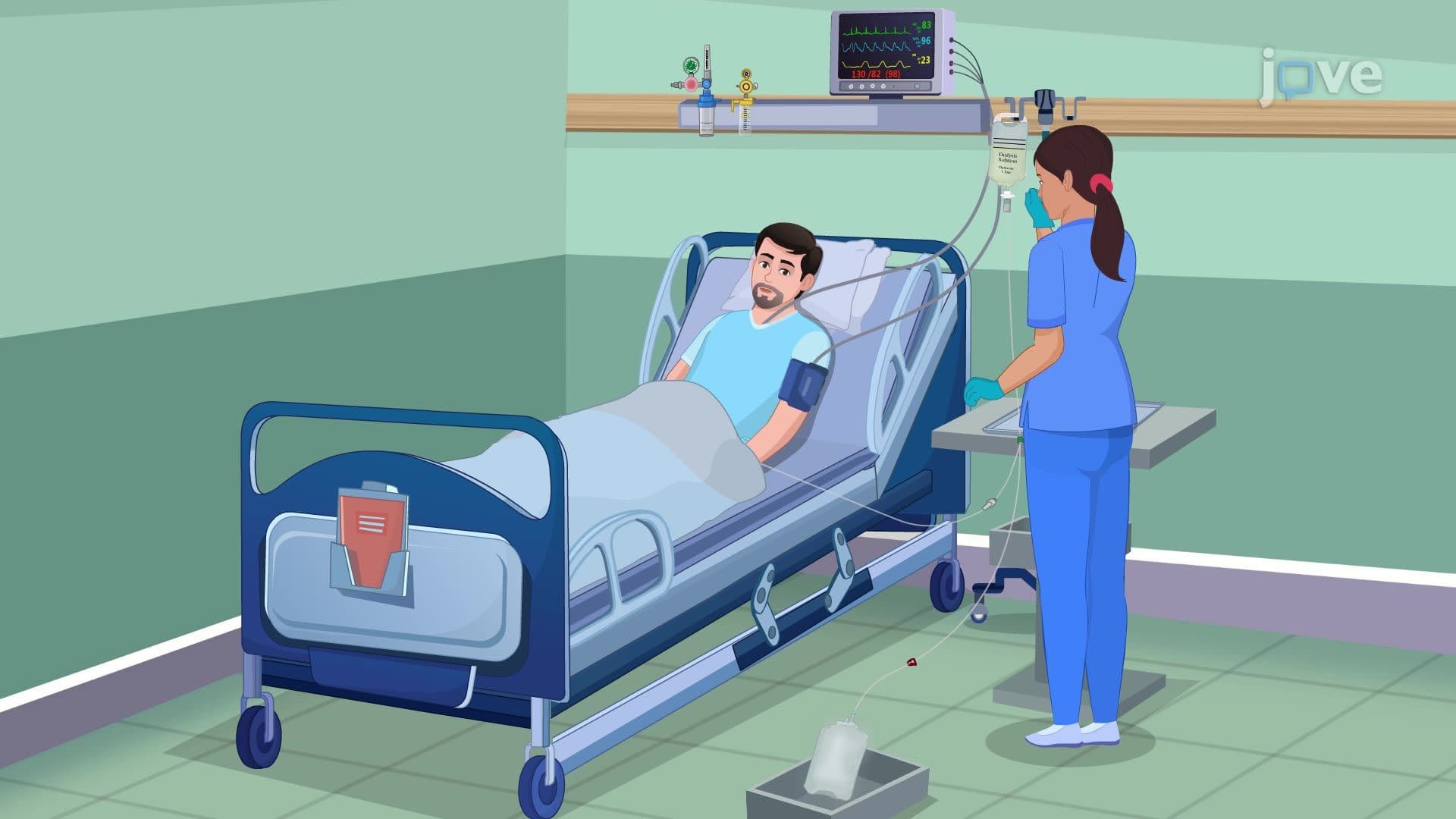

Video Summary: Peritoneal Dialysis Ii Peritoneal Dialysis Explained
Did you know that over 400,000 Americans rely on dialysis to survive kidney failure, yet only 7% choose the home-based option? Peritoneal Dialysis II Peritoneal Dialysis represents a life-saving treatment that transforms the patient's own abdominal cavity into a natural filter. At Cleveland Clinic, patients successfully manage this therapy at home, avoiding the need for frequent hospital visits required by traditional hemodialysis. Watch the full video on JoVE Coach to master this concept with expert-led visuals and step-by-step explanations.
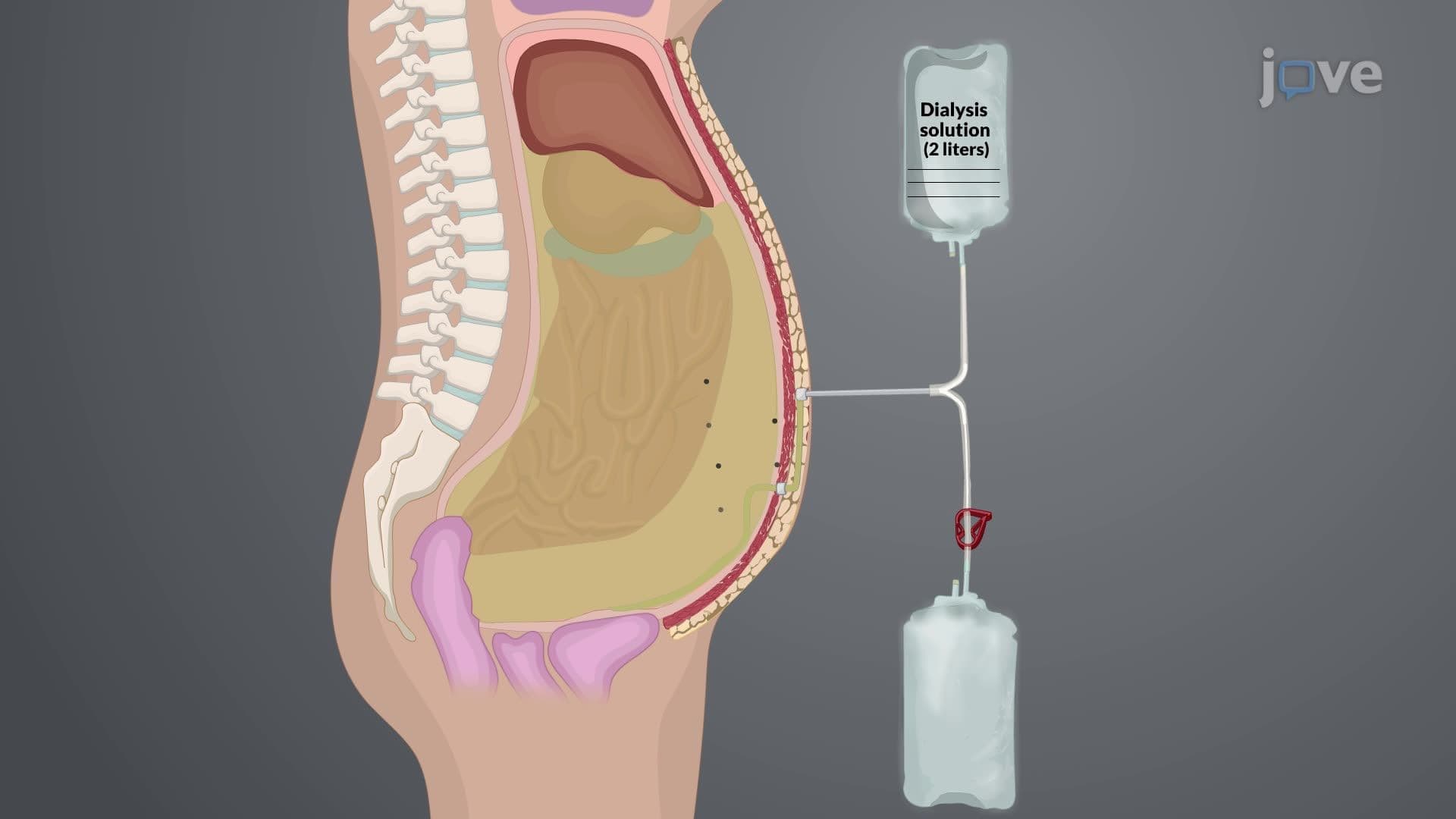
Peritoneal Dialysis II Peritoneal Dialysis utilizes the peritoneal membrane as a natural semipermeable barrier, allowing waste removal and fluid balance correction in patients with end-stage renal disease. This advanced renal replacement therapy leverages the principles of diffusion, convection, and osmosis to replicate kidney function. The peritoneal cavity, normally containing only 50-100 mL of fluid, becomes a functional dialysis chamber when filled with specially formulated dialysate solution.
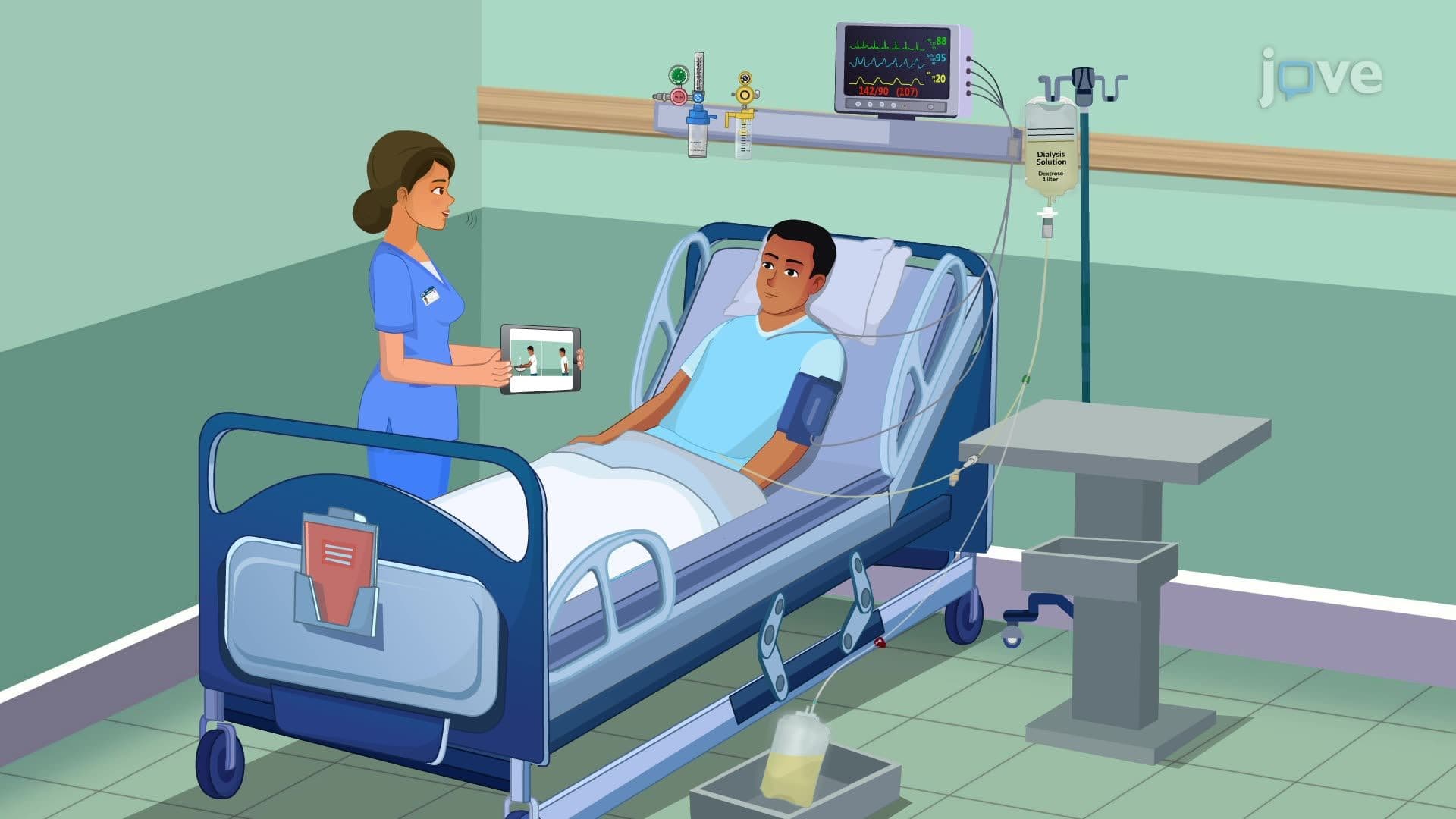
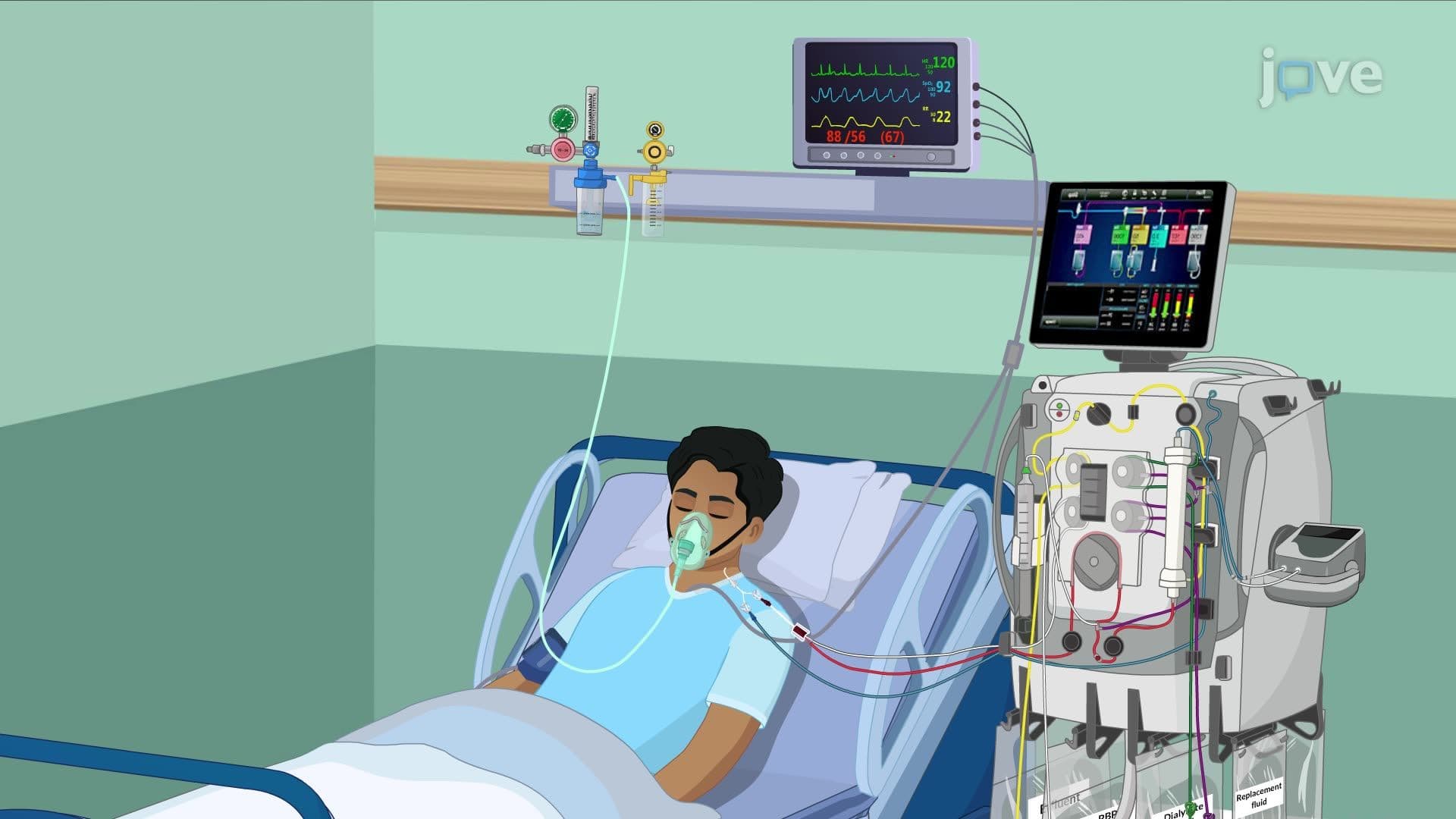
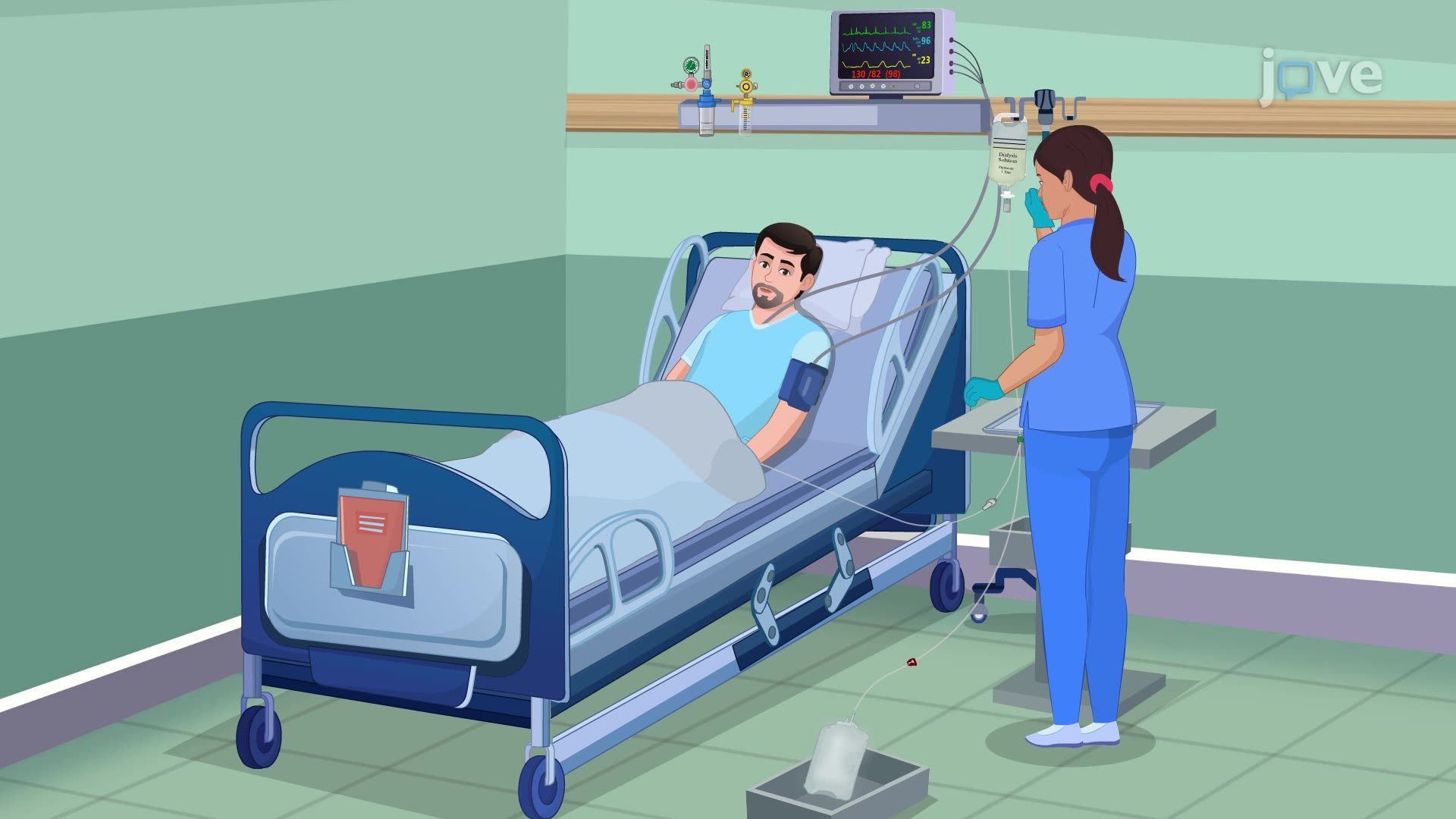
Acute intermittent peritoneal dialysis serves as the emergency intervention for critically ill patients presenting to US emergency departments with life-threatening uremia or severe metabolic acidosis. This technique proves invaluable when patients cannot tolerate the hemodynamic stress of hemodialysis. The procedure involves 30-minute to 2-hour dwell times with manual or machine-assisted exchanges, making it ideal for intensive care settings at major medical centers like Mayo Clinic or Johns Hopkins.
Continuous ambulatory peritoneal dialysis (CAPD) represents the most patient-controlled approach, requiring four daily exchanges of 2-3 liters of dialysate with 4-6 hour dwell periods. This method provides continuous solute clearance throughout the day, mimicking natural kidney function more closely than intermittent treatments. Patients maintain normal daily activities between exchanges, significantly improving quality of life compared to in-center hemodialysis schedules.
Automated peritoneal dialysis (APD) utilizes sophisticated cycling machines to perform multiple exchanges during sleep hours. The automated system typically completes 4-6 exchanges with 1-2 hour dwell times, allowing patients to maintain normal work and school schedules. Some patients require additional daytime manual exchanges to achieve adequate weekly Kt/V clearance targets, particularly those with larger body surface areas or higher peritoneal transport rates.
Peritonitis remains the most serious complication, typically resulting from bacterial contamination during catheter manipulation or poor aseptic technique. US nephrology guidelines emphasize proper hand hygiene and sterile connection procedures to minimize infection risk. Post-insertion bleeding usually resolves within 72 hours but may indicate catheter malposition or inadvertent vessel injury.
Increased intra-abdominal pressure from dialysate volume can precipitate mechanical complications including inguinal hernias, pleural effusion, and significant protein loss leading to malnutrition. These considerations become particularly important for MCAT and USMLE examinations, where understanding the pathophysiology helps differentiate peritoneal dialysis complications from other abdominal pathologies.
Related Micro-courses