Loading video…

 10 Concepts
 3K views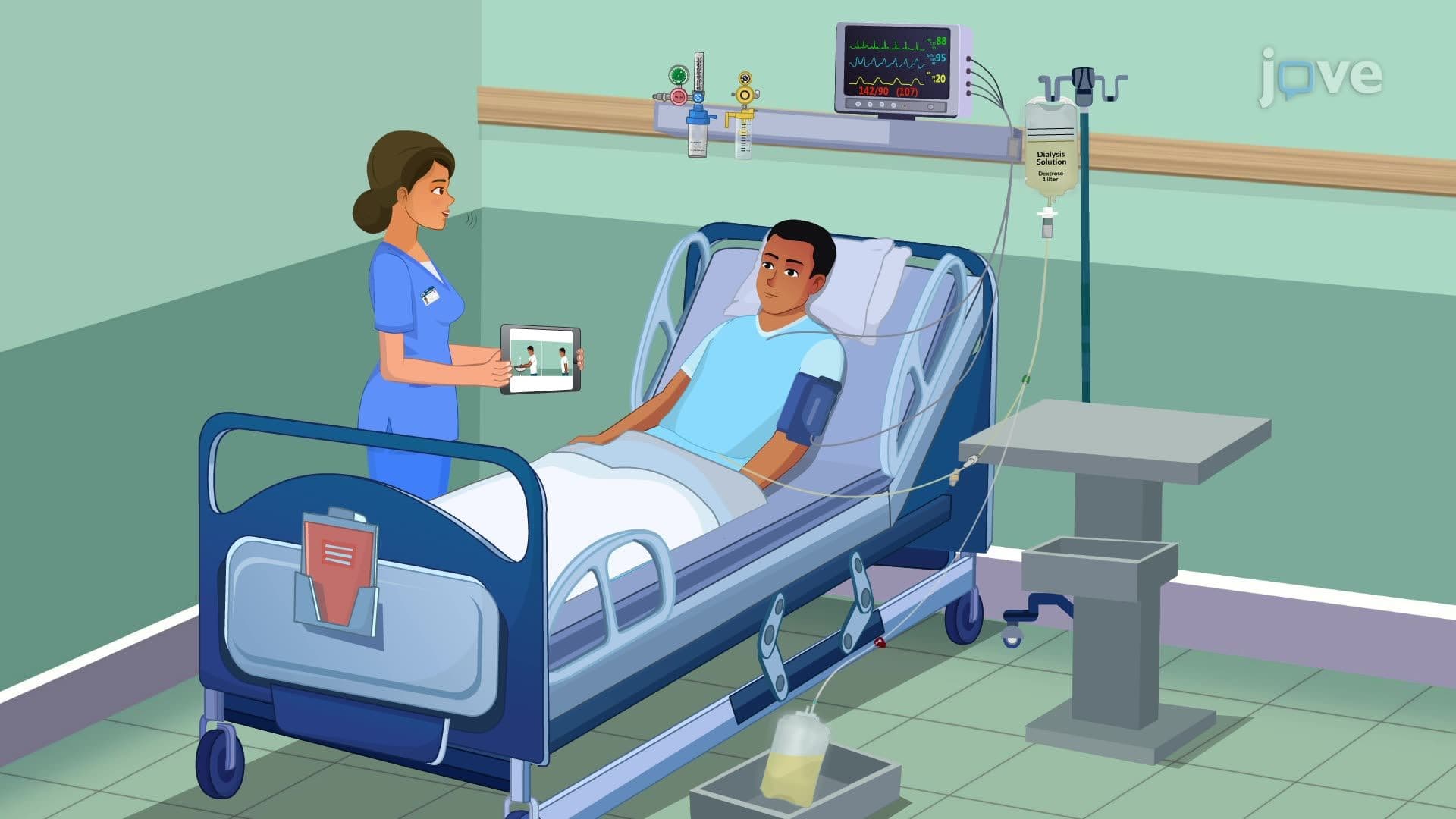

Video Summary: Peritoneal Dialysis Iii Nursing Management Explained
Did you know that over 45,000 Americans rely on peritoneal dialysis at home, making skilled nursing management crucial for preventing life-threatening complications? Peritoneal dialysis III nursing management involves comprehensive patient monitoring, infection prevention, and education protocols that can mean the difference between successful treatment and hospitalization. At major medical centers like Johns Hopkins, nurses follow strict protocols to monitor vital signs, detect peritonitis early, and teach patients proper catheter care techniques. Watch the full video on JoVE Coach to master this concept with expert-led visuals and step-by-step explanations.
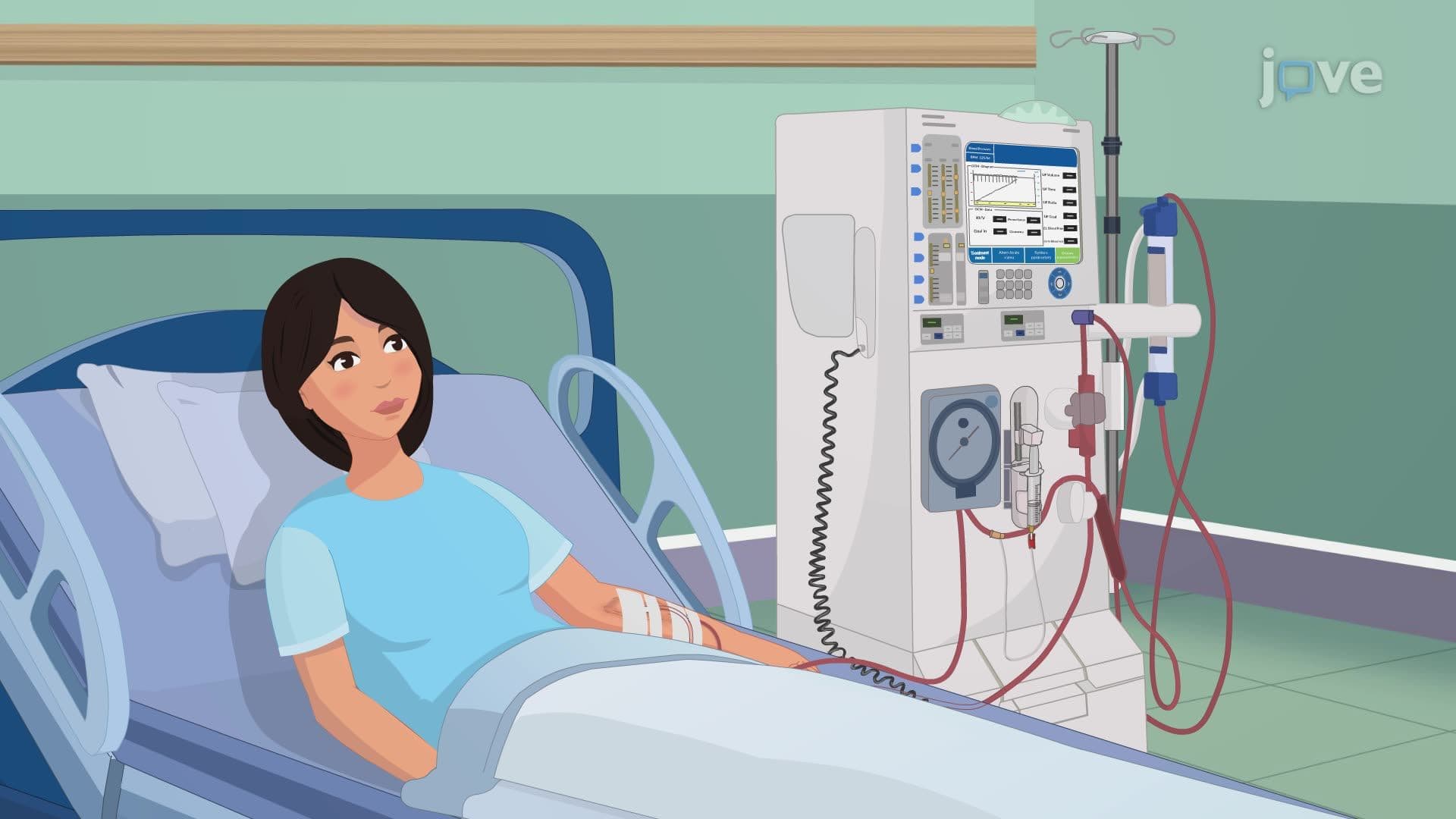
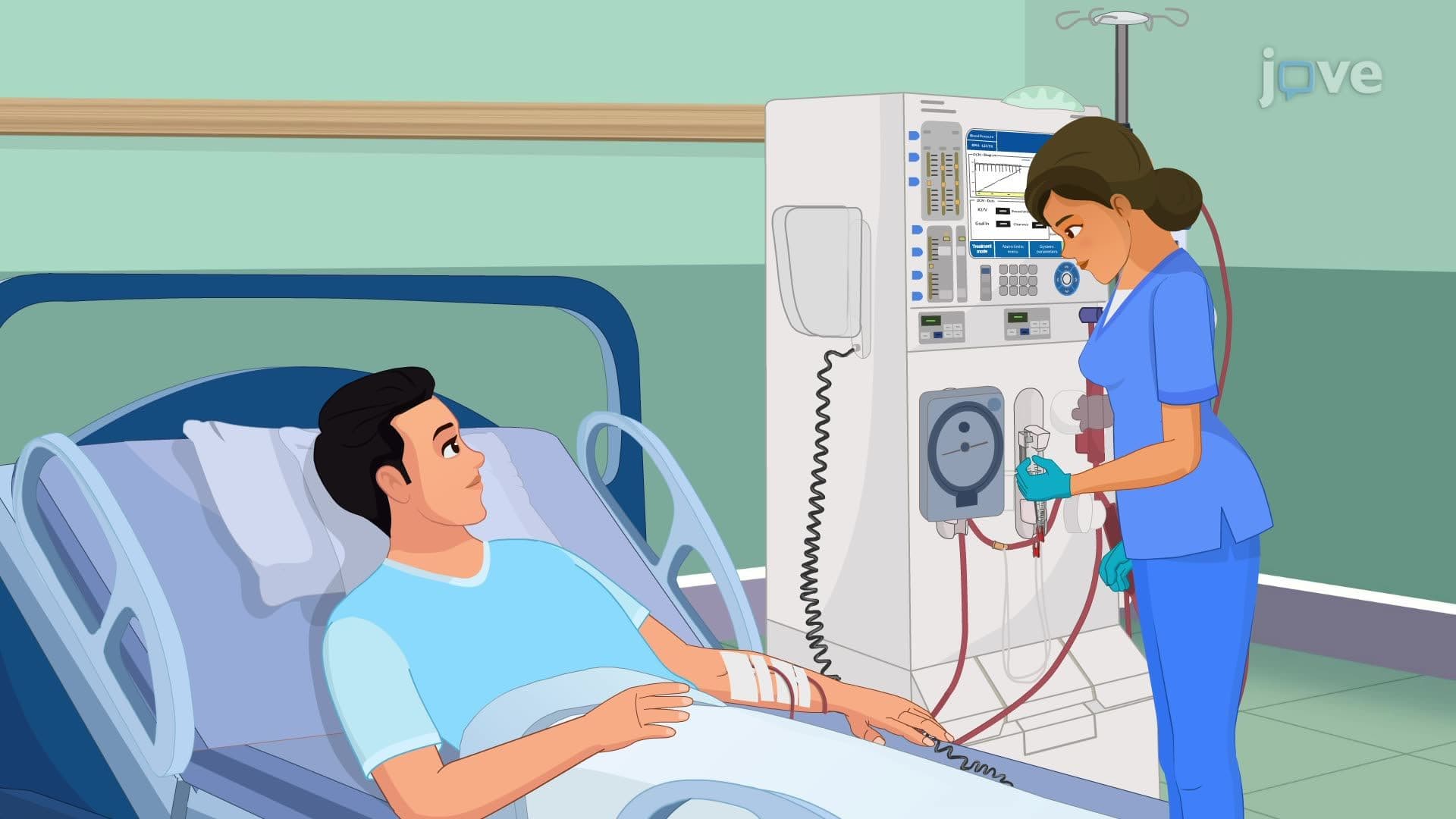
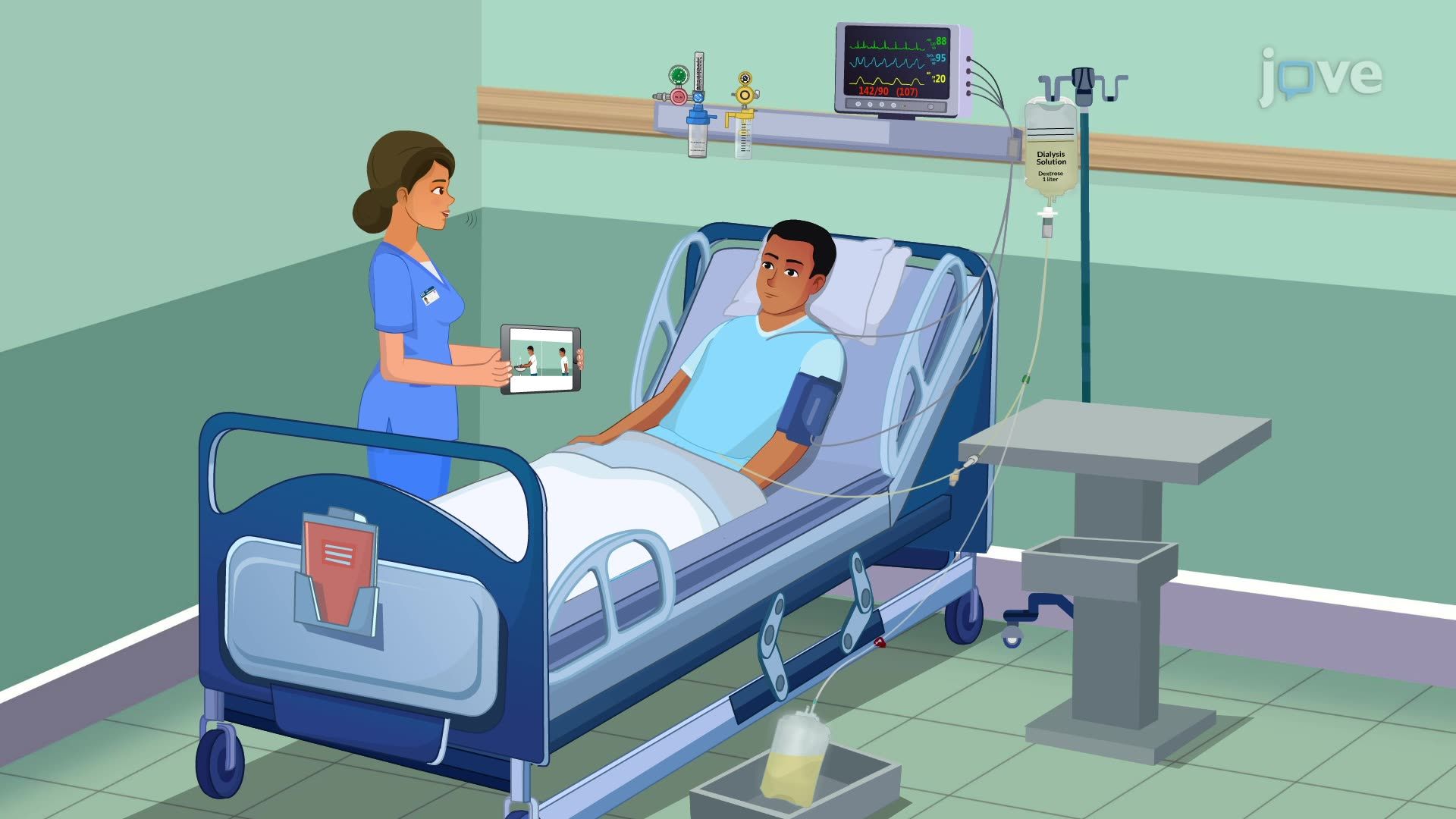
Peritoneal dialysis III nursing management represents an advanced level of renal replacement therapy care that requires nurses to master multiple clinical competencies simultaneously. Unlike hemodialysis, which occurs in clinical settings three times per week, peritoneal dialysis happens continuously at home, making comprehensive patient education and self-management skills absolutely critical for positive outcomes.
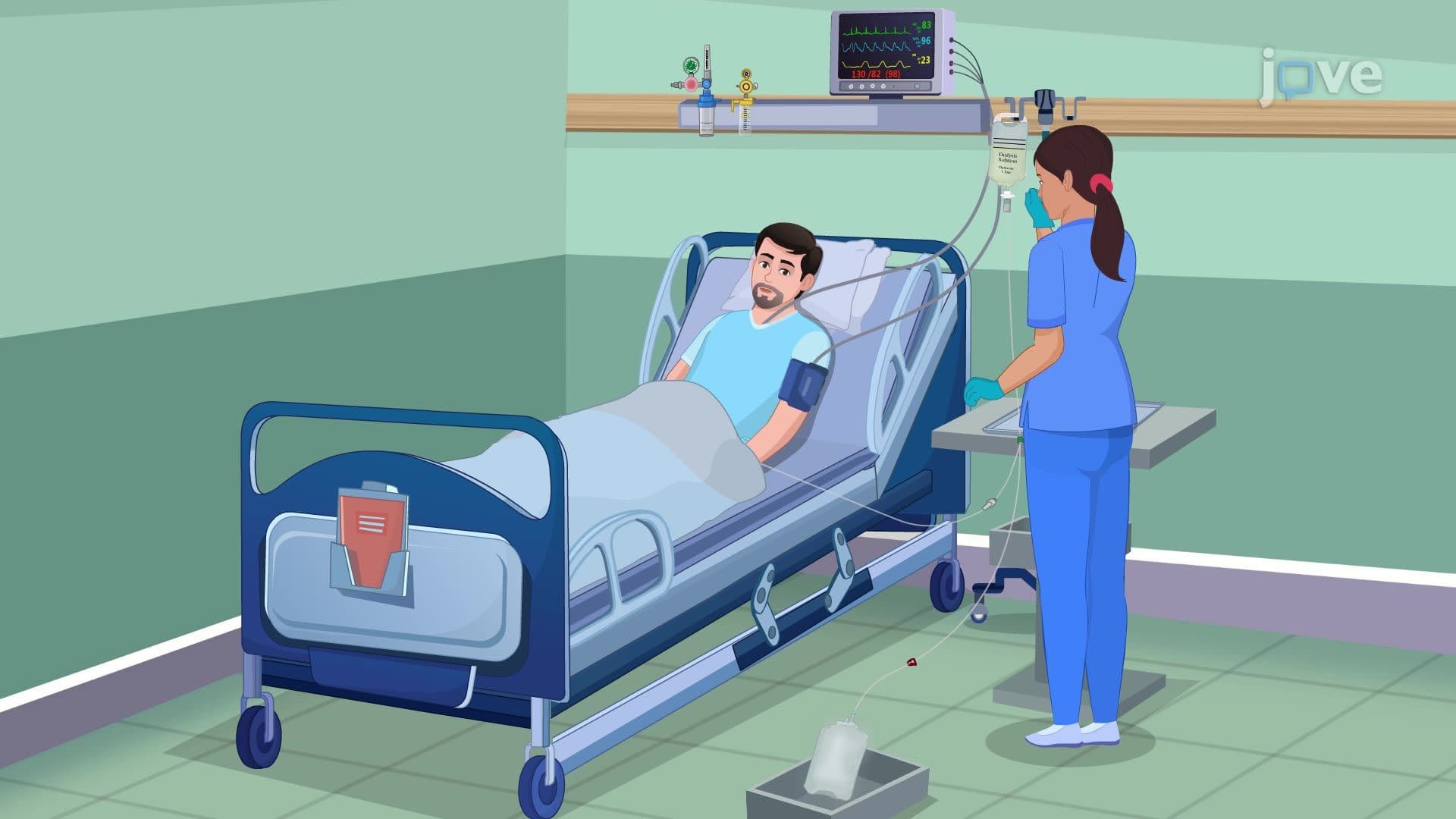
Successful nursing management begins with systematic monitoring of key physiological parameters. Nurses must track daily weights to detect fluid retention patterns, as even a 2-3 pound weight gain over 24 hours can indicate fluid overload requiring immediate intervention. Vital sign monitoring focuses particularly on blood pressure trends, as hypertension often signals fluid accumulation while hypotension may indicate excessive fluid removal or dehydration.
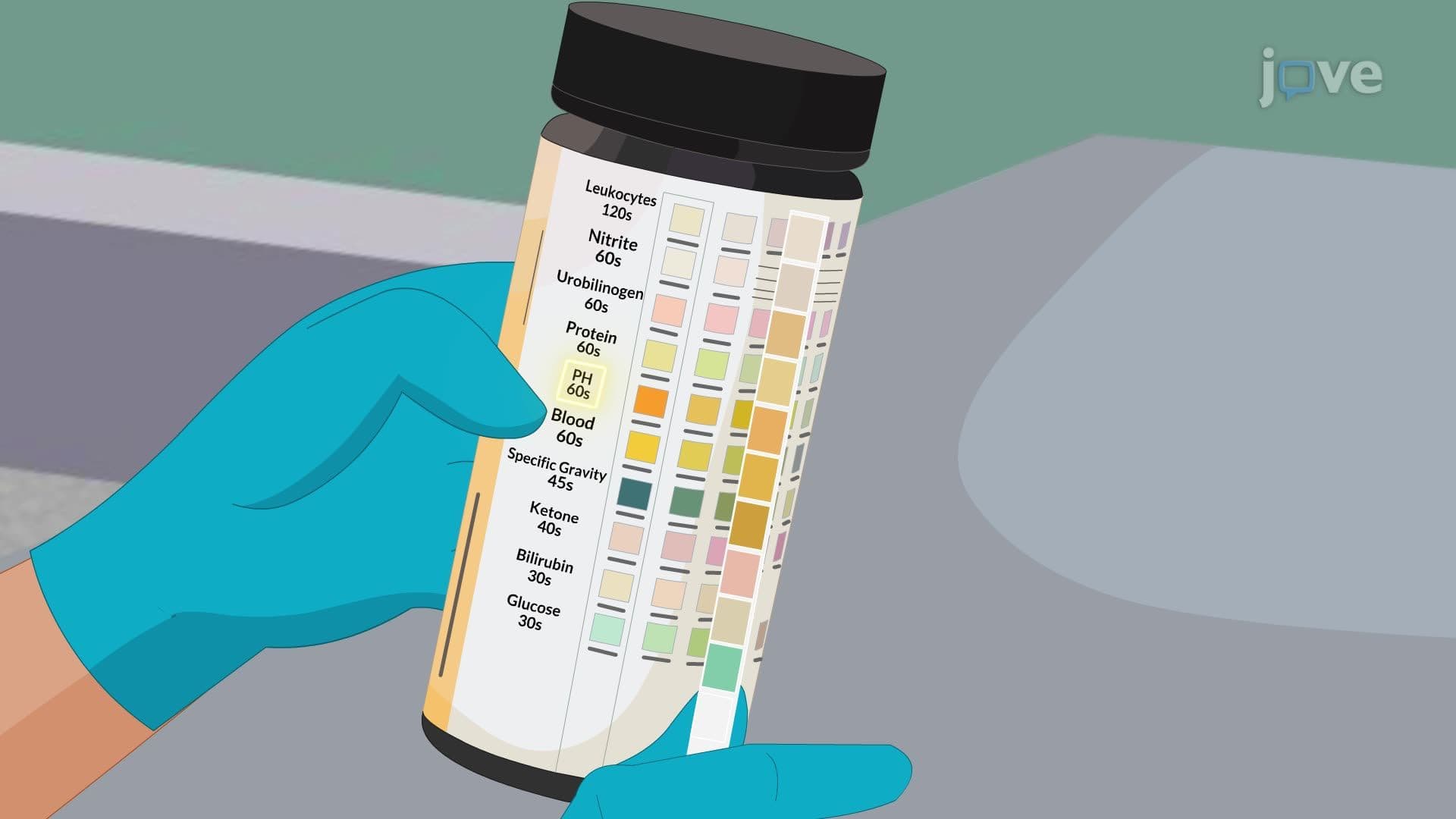
Laboratory monitoring forms another cornerstone of effective management. Nurses interpret blood urea nitrogen (BUN), creatinine, and potassium levels to assess dialysis adequacy and electrolyte balance. At Cleveland Clinic, for example, nurses use standardized protocols to identify when BUN levels above 80 mg/dL or creatinine above 15 mg/dL indicate inadequate clearance requiring treatment modifications.
Peritonitis remains the most serious complication of peritoneal dialysis, occurring in approximately 0.5 episodes per patient-year in well-managed programs. Nurses must educate patients to recognize early warning signs including cloudy dialysate effluent, which should normally be clear and pale yellow. Abdominal pain, particularly when accompanied by rebound tenderness, fever above 100.4°F, or flu-like symptoms, requires immediate medical evaluation.
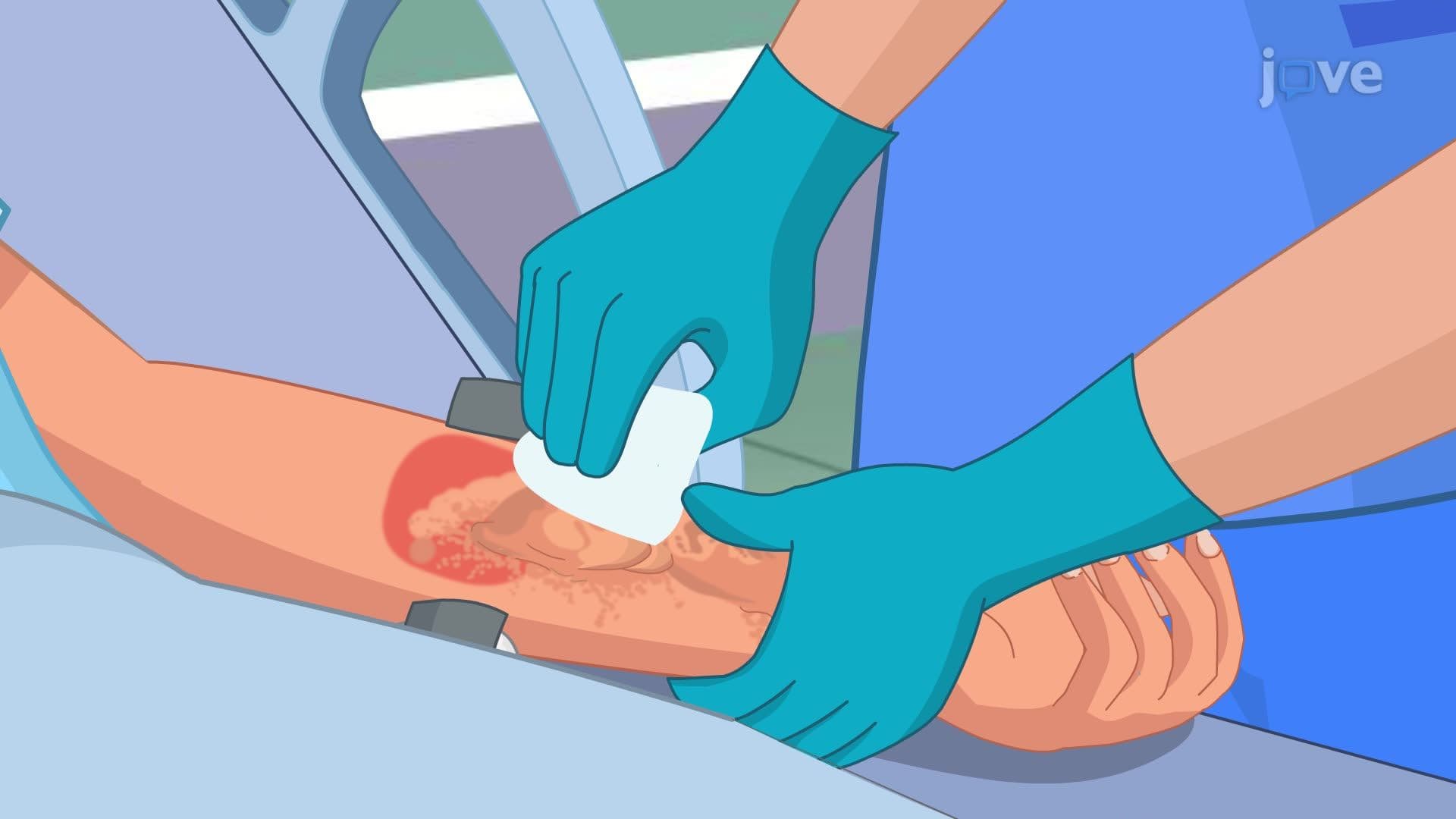
Exit site infections present another significant risk, making catheter care education essential. Nurses teach patients proper cleaning techniques using antimicrobial solutions and recognize signs of infection including redness, swelling, drainage, or tenderness around the catheter site.
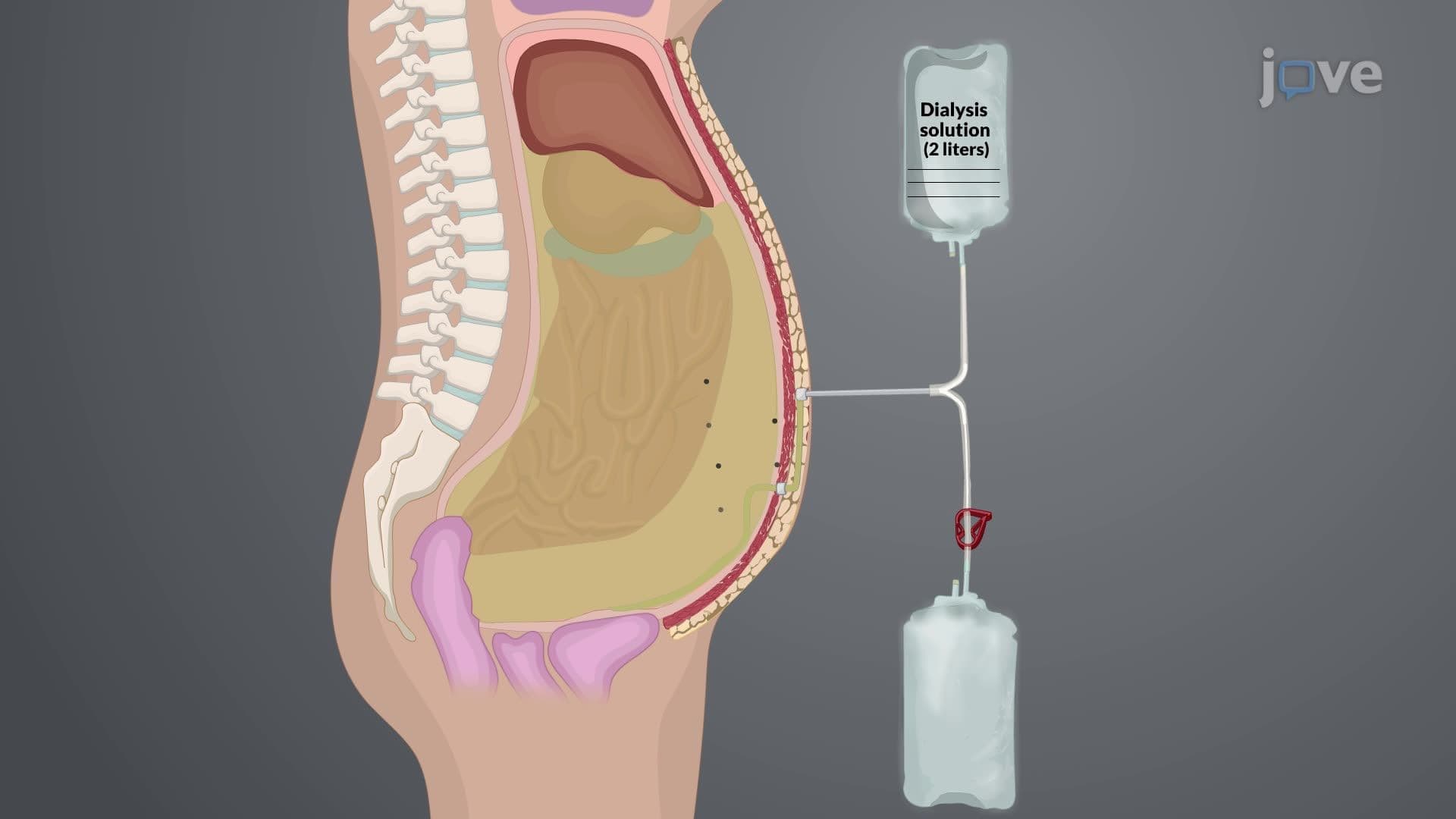
Physical activity management requires careful balance between maintaining quality of life and preventing complications. During dwell periods, when dialysate fluid remains in the peritoneal cavity, patients should avoid activities that significantly increase intra-abdominal pressure such as heavy lifting, jumping, or intense abdominal exercises. However, low-impact activities like walking, swimming, or gentle yoga can continue safely and actually promote better dialysate mixing and clearance.
This concept frequently appears on nursing licensure exams like the NCLEX-RN, where students must demonstrate understanding of patient education priorities and complication recognition. MCAT preparation also includes peritoneal dialysis principles within renal physiology sections, making this knowledge valuable for pre-med students as well.
Related Micro-courses