Loading subject page…

2,985 views

Video Summary: What Is Continuous Renal Replacement Therapy
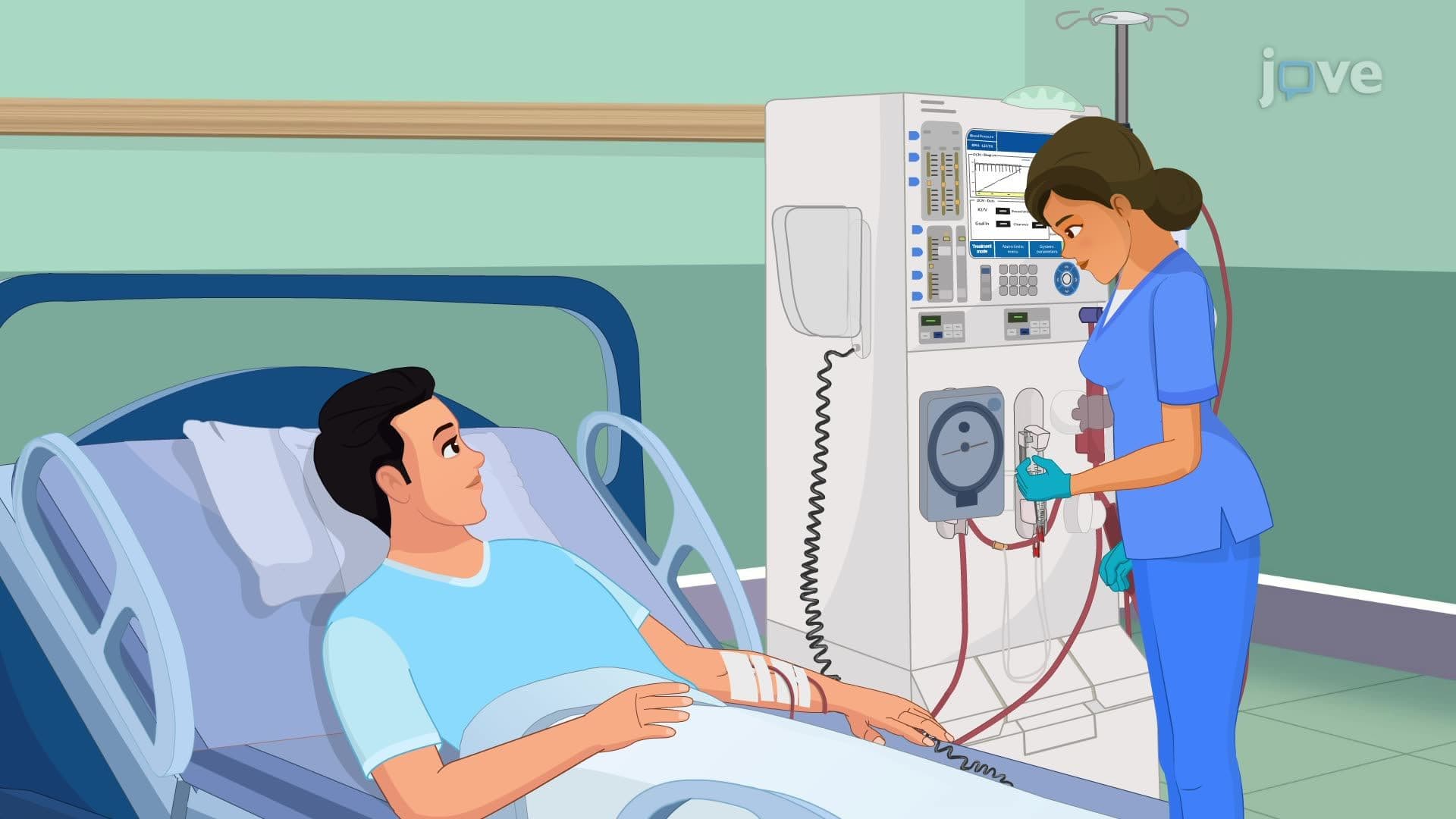
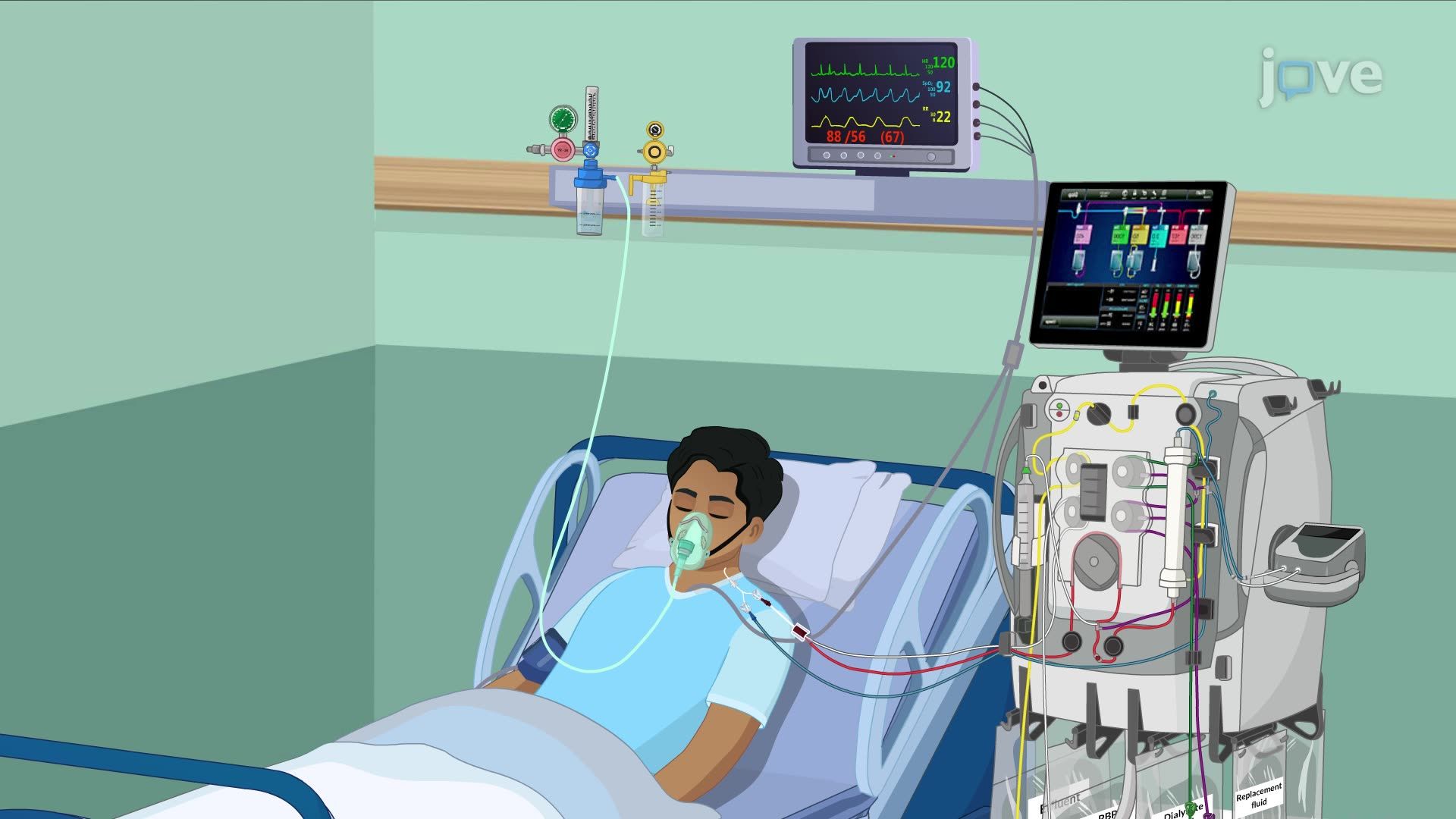
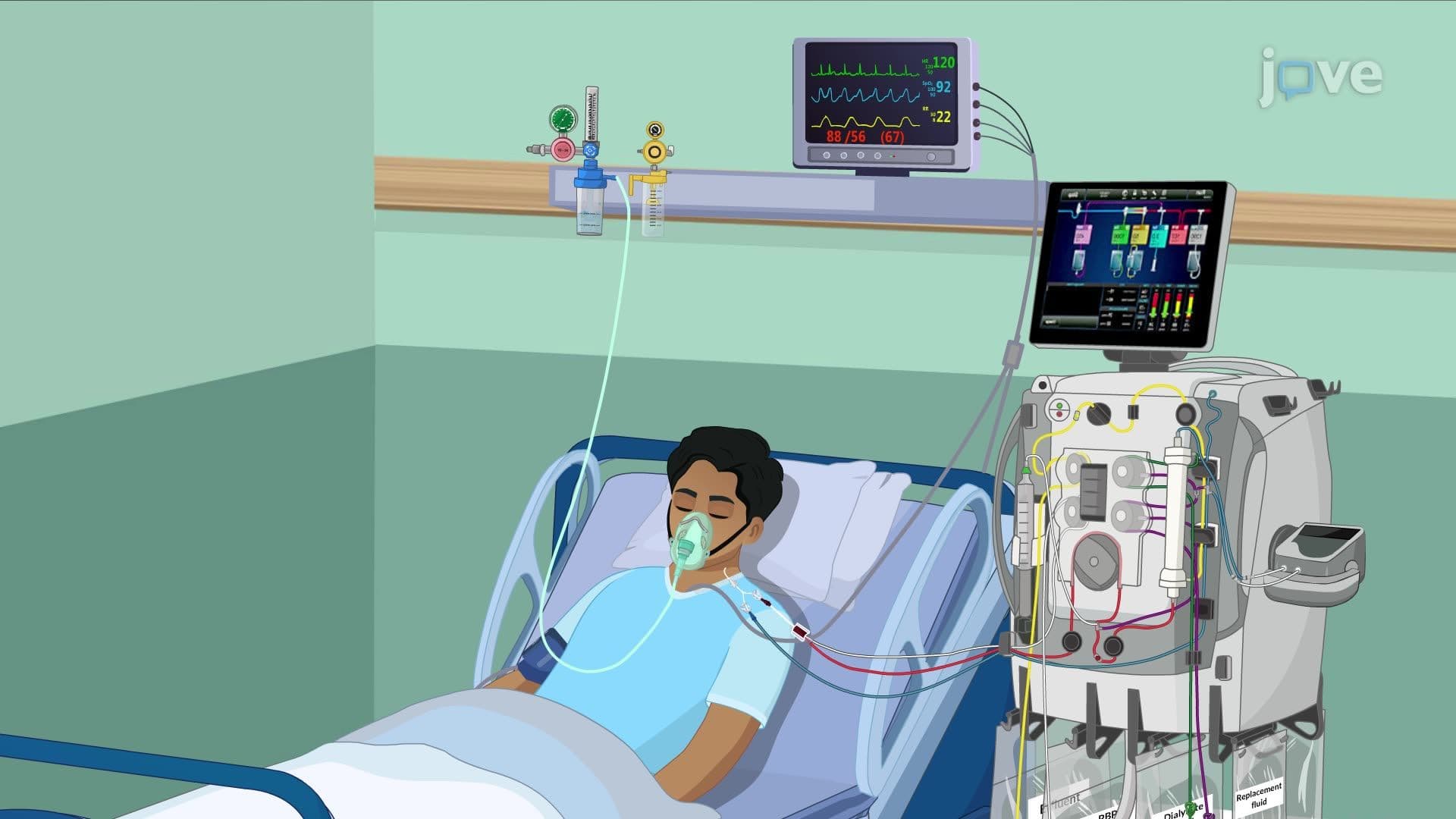
When a patient's kidneys suddenly fail in the ICU, their life depends on a machine that works around the clock-continuous renal replacement therapy can mean the difference between recovery and organ failure. At Johns Hopkins Hospital, CRRT machines operate 24/7 to gradually filter toxins and excess fluid from critically ill patients whose kidneys have stopped functioning properly. Unlike traditional dialysis that occurs in sessions, What is Continuous Renal Replacement Therapy represents a gentle, ongoing process that mimics natural kidney function for hemodynamically unstable patients. Watch the full video on JoVE Coach to master this concept with expert-led visuals and step-by-step explanations.
Continuous renal replacement therapy represents a life-saving intervention for patients experiencing acute kidney injury, particularly those too unstable for conventional intermittent dialysis. Unlike the three-times-weekly sessions typical of outpatient hemodialysis, CRRT operates continuously for days or weeks, providing gentle, gradual removal of toxins and excess fluid. This approach proves crucial for critically ill patients in intensive care units across major medical centers like Mayo Clinic and Cleveland Clinic, where hemodynamic instability makes traditional dialysis dangerous.
The continuous renal replacement therapy definition encompasses multiple therapeutic modalities that replace kidney function when natural filtration fails. CRRT maintains acid-base balance, removes uremic toxins, and manages fluid overload-three critical functions that healthy kidneys perform effortlessly but become life-threatening when compromised.
Continuous venovenous hemofiltration (CVVH) relies primarily on convection, using hydrostatic pressure to push plasma water and dissolved solutes through a semipermeable membrane. This process creates an ultrafiltrate containing waste products and excess fluid, making it ideal for patients with severe fluid overload and unstable blood pressure. The continuous renal replacement therapy overview includes understanding how CVVH removes middle-molecular-weight toxins more effectively than diffusion-based methods.
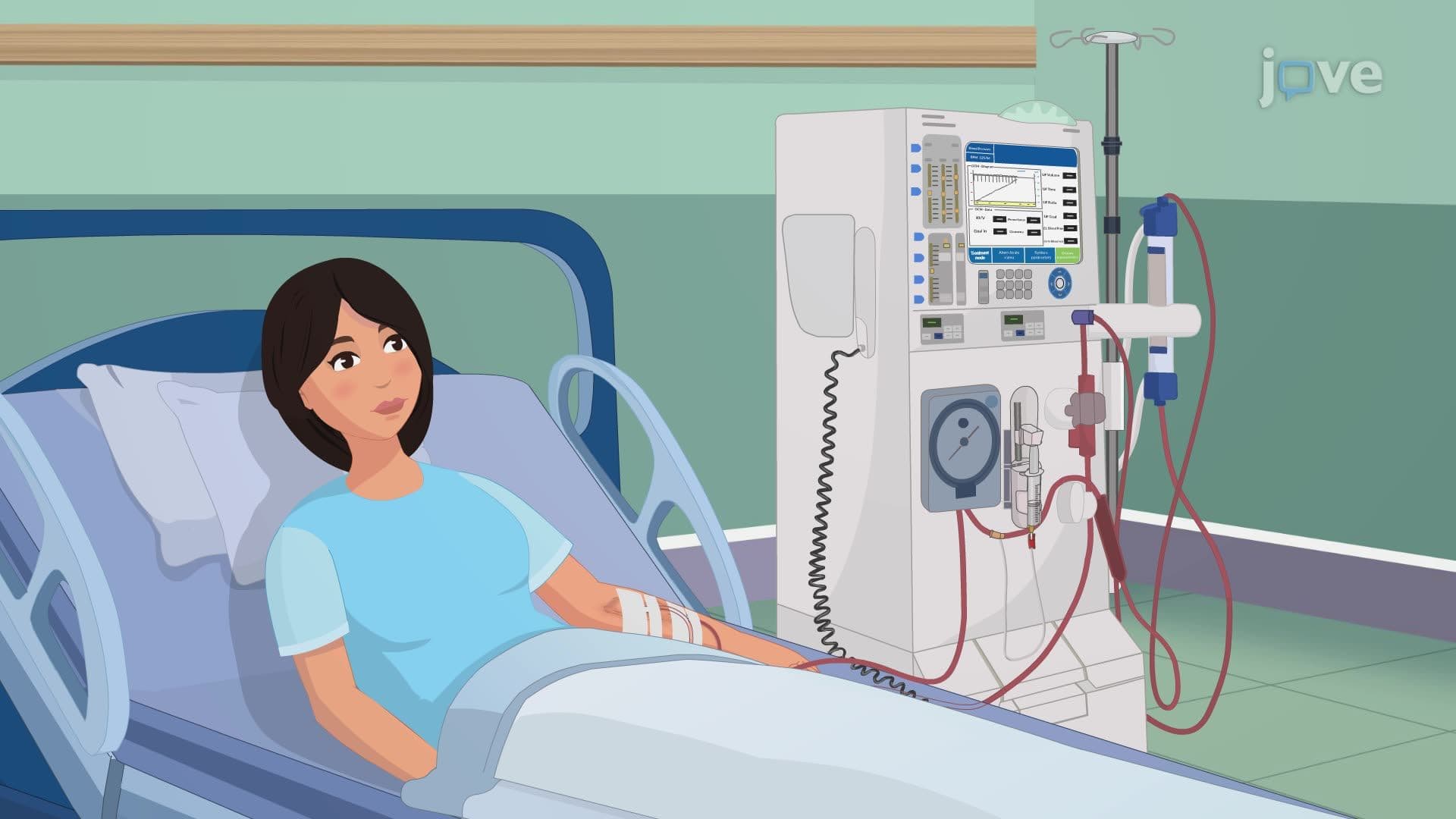
Continuous venovenous hemodialysis (CVVHD) employs diffusion, using a dialysate solution flowing countercurrent to blood flow. This method enhances small-molecule clearance through concentration gradients, making it superior for removing urea, creatinine, and electrolytes. Many facilities combine both mechanisms in continuous venovenous hemodiafiltration (CVVHDF) to maximize toxin removal.
The continuous renal replacement therapy concept extends beyond simple filtration to comprehensive patient management. Double-lumen catheters, typically 13.5-15 French in diameter, provide vascular access through large central veins. The jugular vein offers the most stable access with lowest infection rates, while femoral access may be preferred in patients with respiratory compromise.
Understanding continuous renal replacement therapy requires appreciating its nursing-intensive nature. Hourly assessments include monitoring filter pressures, blood flow rates, and catheter patency. Daily weight measurements track fluid removal effectiveness, while frequent laboratory monitoring ensures appropriate electrolyte balance and metabolic control.
This knowledge proves essential for students preparing for the NCLEX-RN exam, where CRRT questions frequently appear in critical care scenarios. The MCAT may also include CRRT concepts when testing understanding of renal physiology and medical interventions.
Related Micro-courses