Loading video…


 10 Concepts
 3K views

Video Summary: What Is Hemodialysis I Introduction
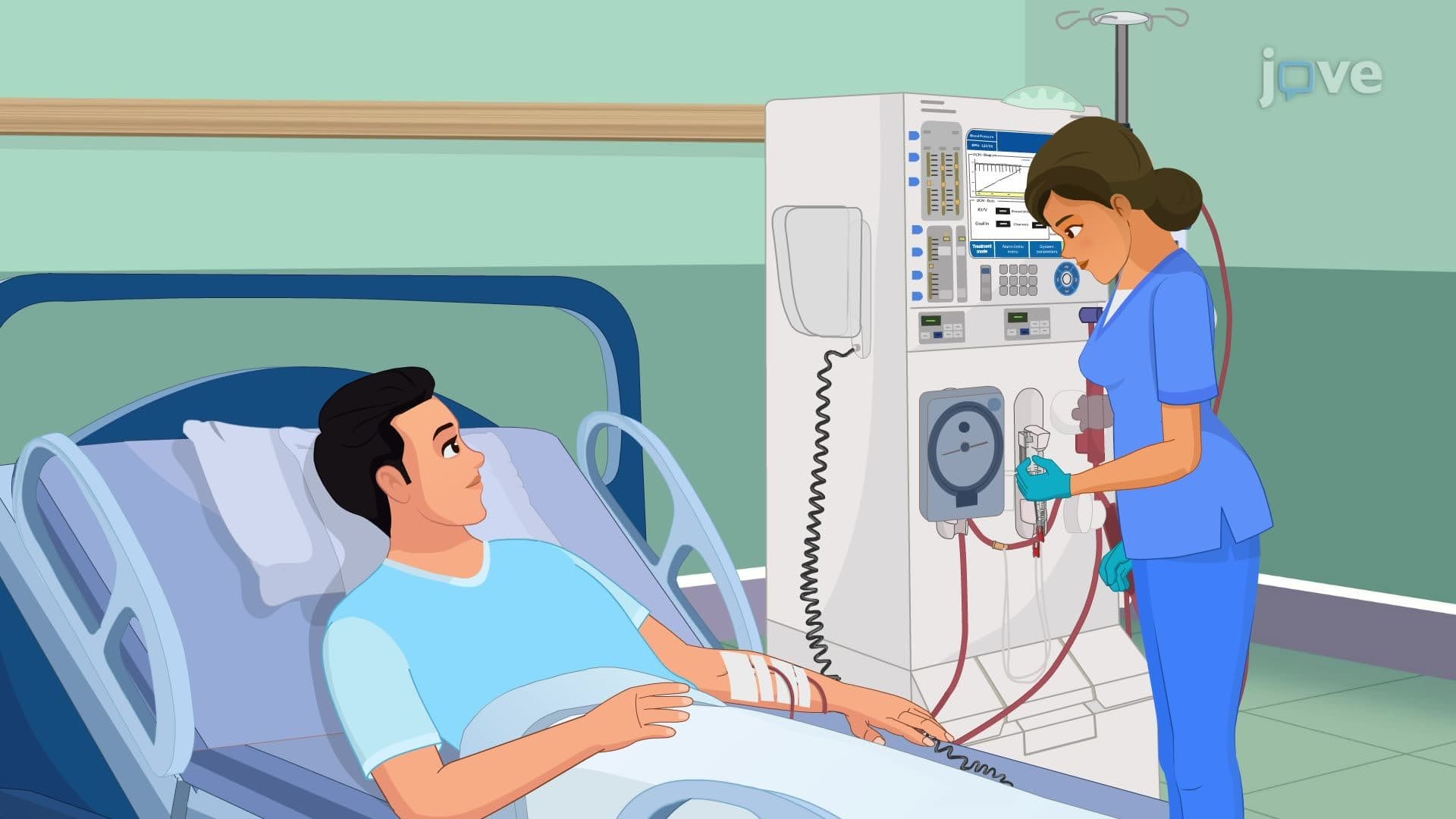
Did you know that over 750,000 Americans rely on life-saving hemodialysis i introduction procedures to survive kidney failure? This critical medical intervention filters deadly toxins from blood when kidneys can no longer function, using sophisticated vascular access systems like arteriovenous fistulas. At Mayo Clinic and other leading US medical centers, understanding hemodialysis i introduction fundamentals is essential for healthcare professionals managing end-stage renal disease patients. Watch the full video on JoVE Coach to master this concept with expert-led visuals and step-by-step explanations.
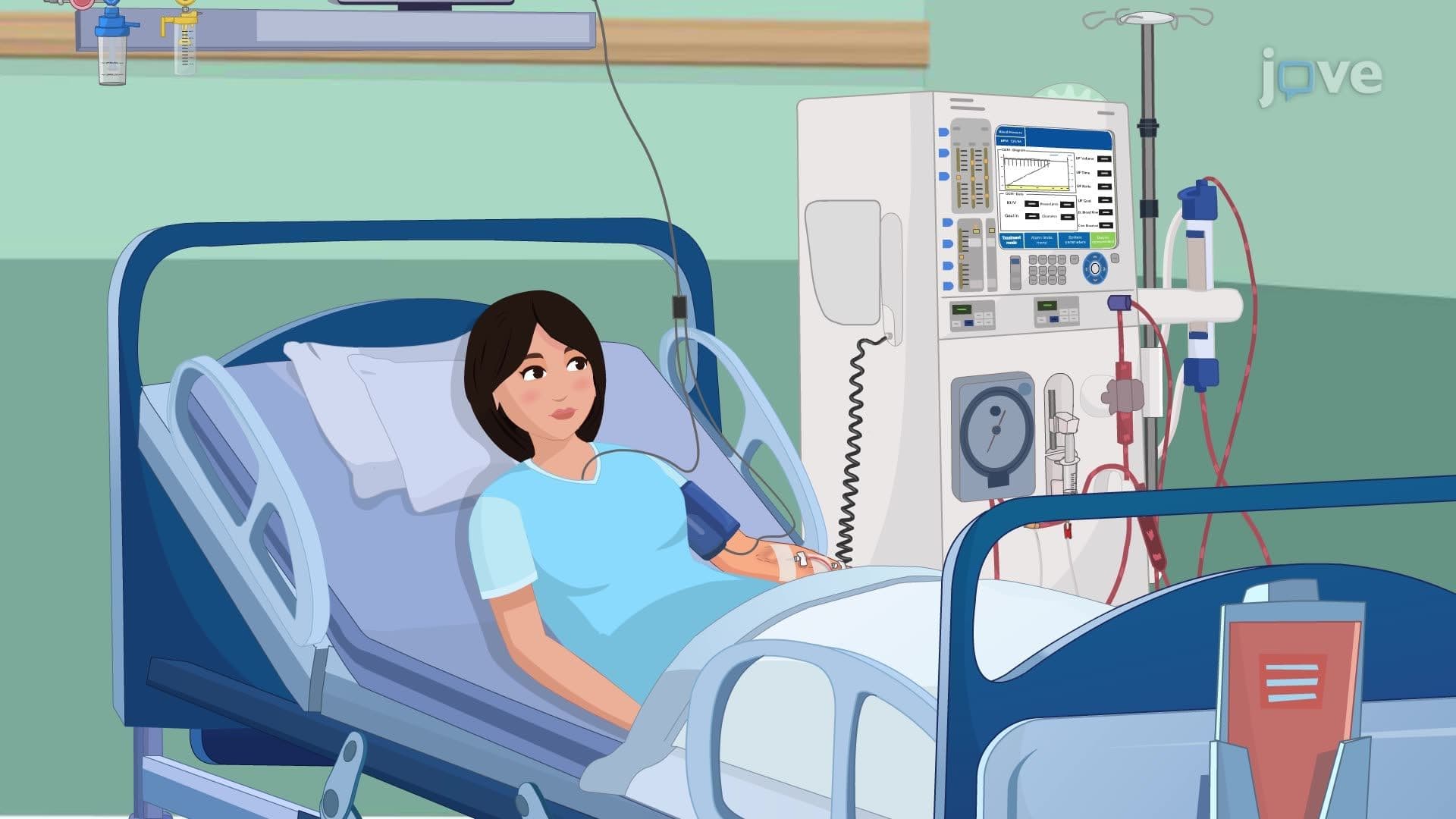
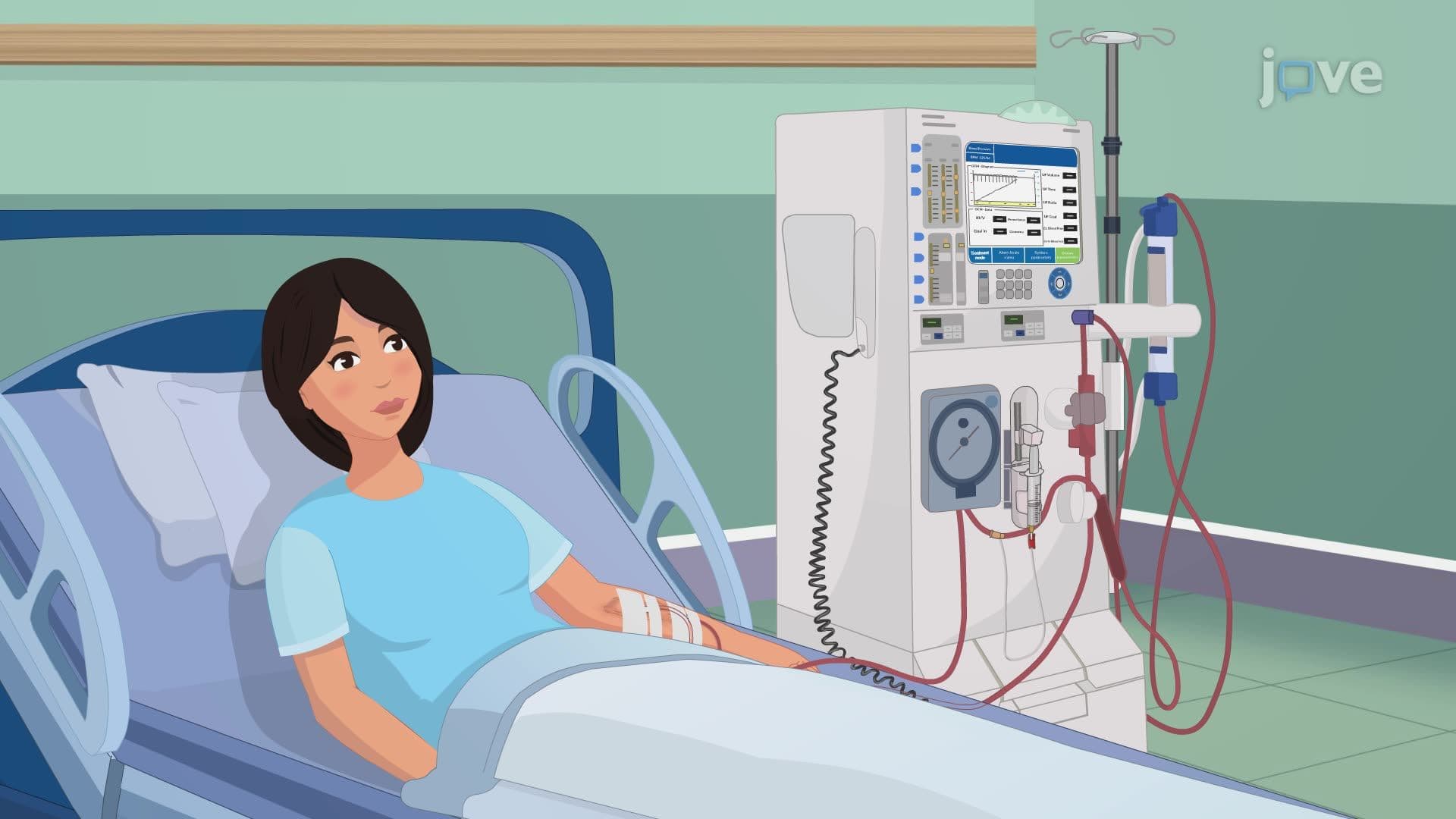
Hemodialysis i introduction represents a cornerstone of modern nephrology, serving as a life-sustaining treatment for Americans with end-stage renal disease. This sophisticated medical procedure replaces kidney function by mechanically filtering waste products, excess fluids, and dangerous toxins from the bloodstream while carefully preserving essential blood components like red blood cells, white blood cells, and platelets.
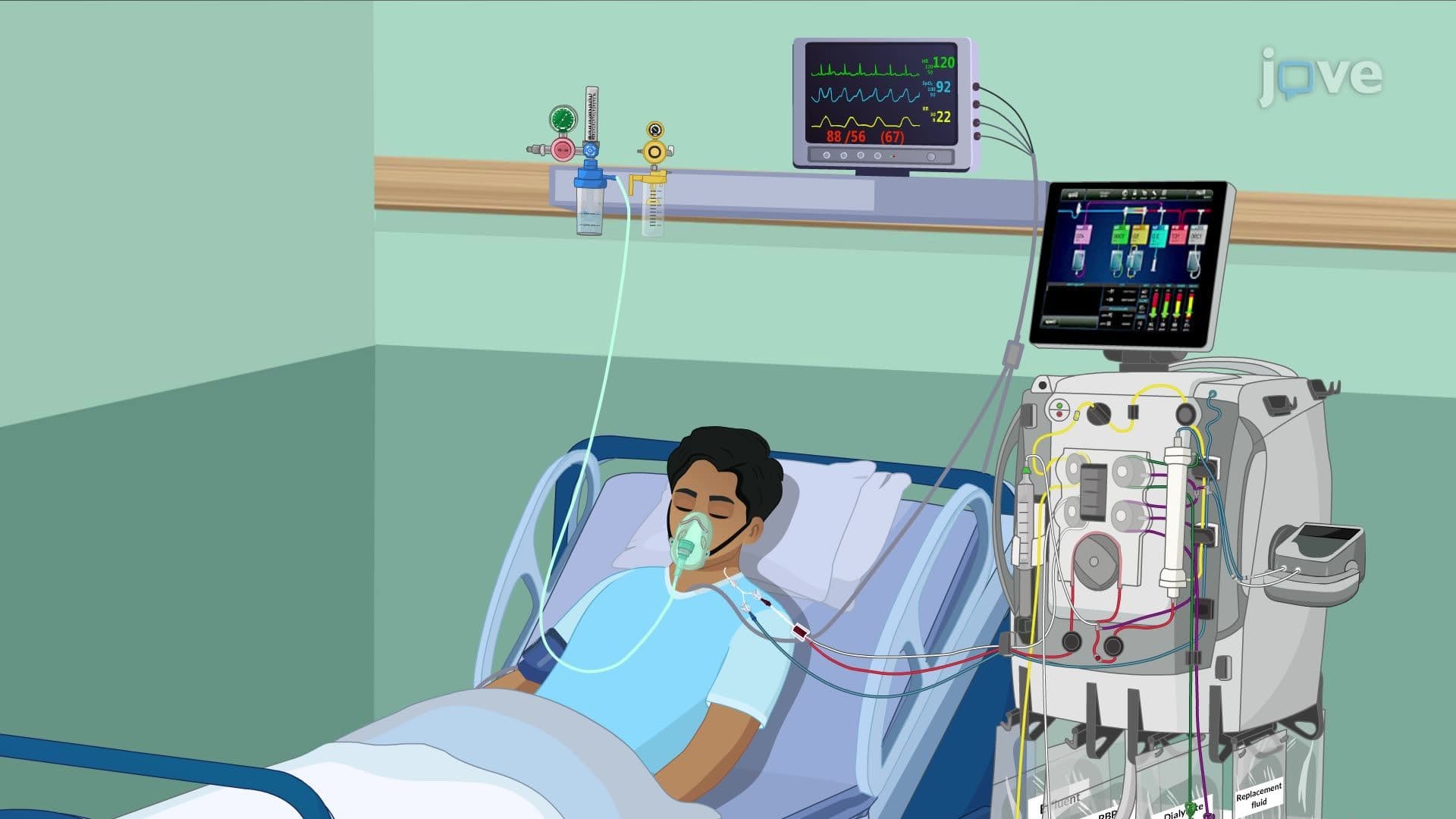
The hemodialysis process relies on semipermeable membrane technology within specialized devices called dialyzers. These artificial kidneys create a controlled environment where blood flows on one side of the membrane while dialysate solution flows on the opposite side. Through diffusion and ultrafiltration, harmful substances move across the membrane barrier, effectively cleansing the blood before returning it to the patient's circulatory system.
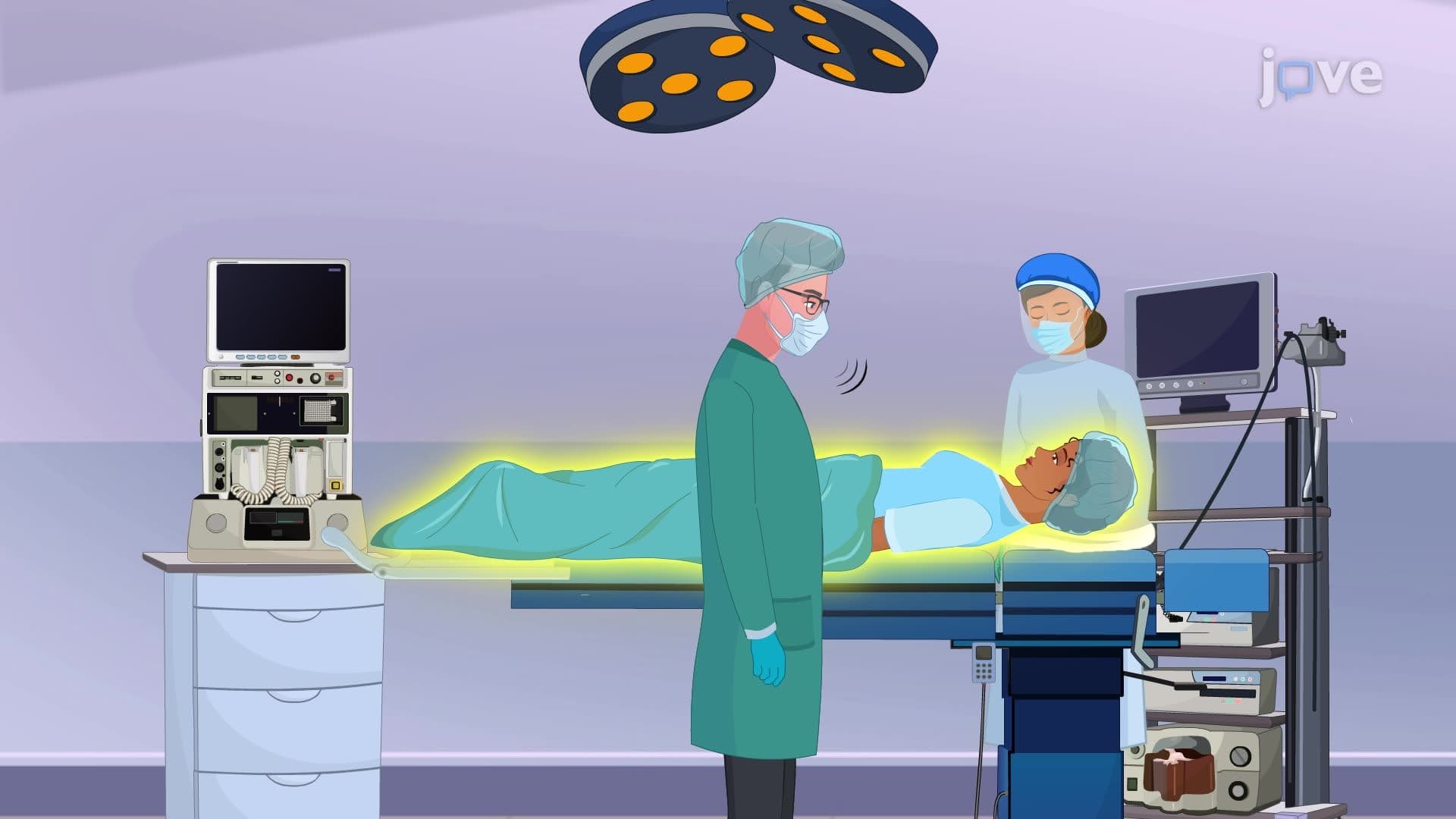
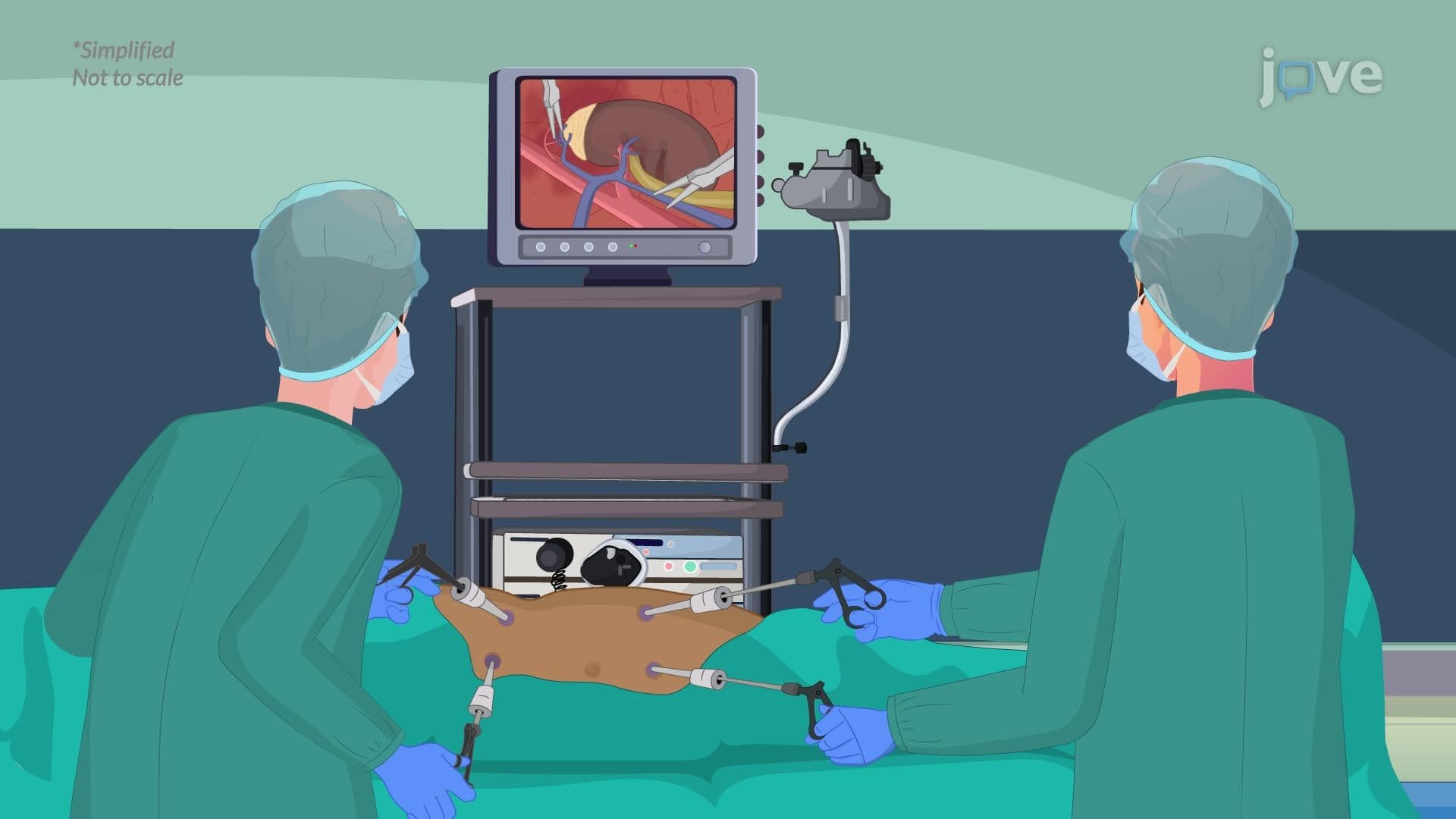
Successful hemodialysis requires robust vascular access capable of supporting high-volume blood flow rates, typically 300-500 mL per minute. The arteriovenous fistula (AVF) represents the gold standard for long-term dialysis access in the United States. This surgically created connection between an artery and vein-commonly linking the radial artery to the cephalic vein-transforms the target vein through a maturation process lasting 6-12 weeks.
During maturation, increased arterial pressure causes the connected vein to enlarge and develop thicker walls, creating a durable access point capable of withstanding repeated needle insertions. Healthcare providers at institutions like Cleveland Clinic and Johns Hopkins typically use 14-16 gauge needles for blood withdrawal and return during treatment sessions.
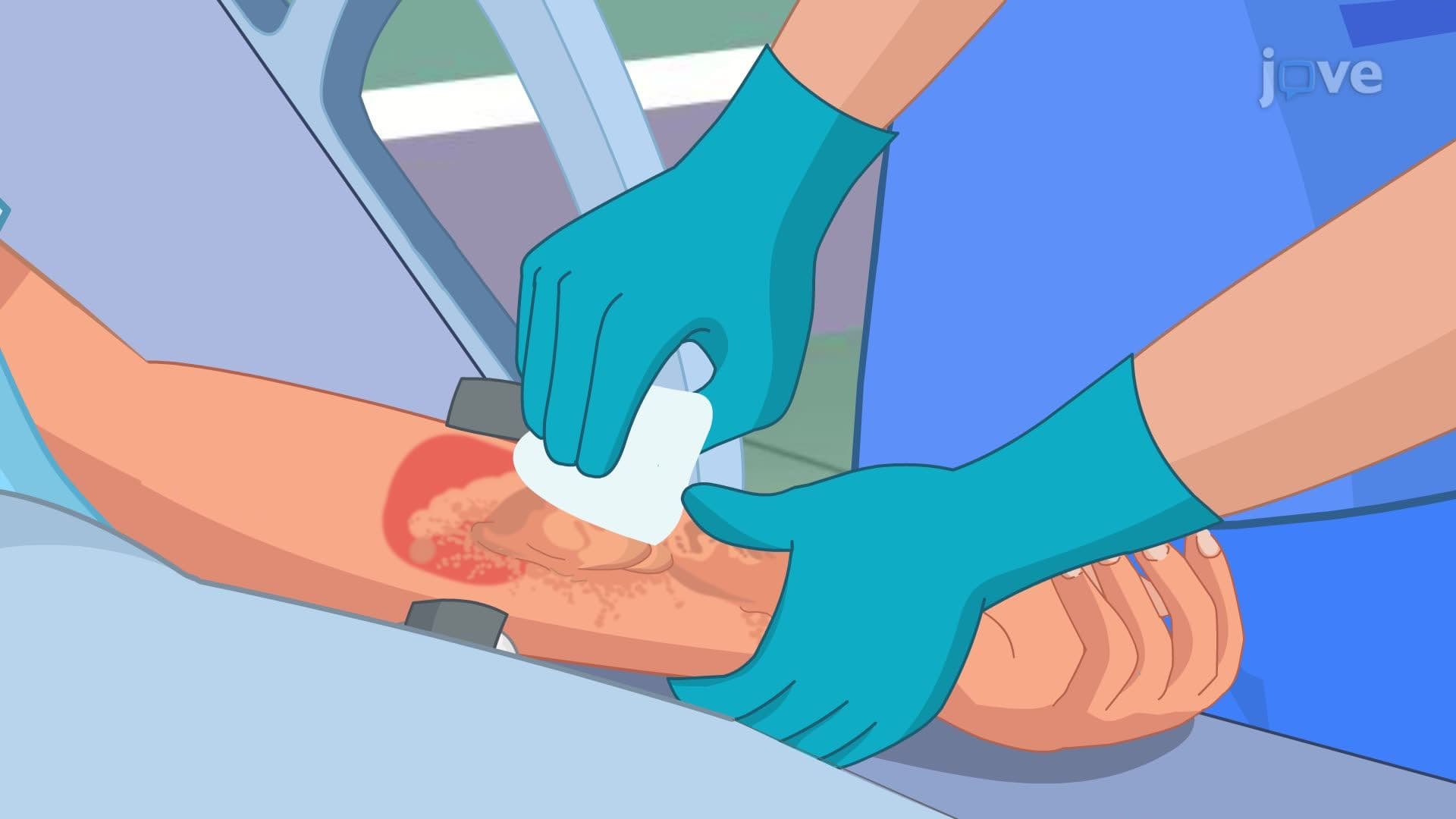
When anatomical limitations prevent AVF creation-such as in patients with peripheral vascular disease or previous vascular surgeries-arteriovenous grafts (AVG) provide viable alternatives. These synthetic polytetrafluoroethylene conduits surgically connect arteries to veins beneath the skin, offering faster utilization (2-4 weeks) but increased complication risks including infection and thrombosis.
Understanding hemodialysis fundamentals proves essential for students pursuing healthcare careers, appearing frequently on MCAT passages, NCLEX-RN examinations, and medical school coursework. The concept integrates physiology, pharmacology, and clinical decision-making skills valuable for future physicians, nurses, and dialysis technicians working in America's 7,500+ dialysis facilities.
Related Micro-courses