Loading video…


 10 Concepts
 3K views

Video Summary: What Is Kidney Transplant I Introduction
Every year, over 17,000 Americans receive life-saving kidney transplants, making it the most common organ transplant procedure in the United States. Understanding kidney transplant I introduction reveals the complex process of replacing a failing kidney with a healthy donor organ, particularly for patients battling end-stage renal disease. Consider patients at major medical centers like Johns Hopkins or Mayo Clinic, where transplant teams carefully evaluate candidates using strict criteria including cardiovascular health, diabetes control, and lifestyle factors. Watch the full video on JoVE Coach to master this concept with expert-led visuals and step-by-step explanations.
Kidney transplant I introduction represents the foundational knowledge of renal replacement therapy for patients with irreversible kidney failure. This life-saving procedure involves surgically placing a healthy kidney from a donor into a recipient whose kidneys have failed, typically due to conditions like diabetes, hypertension, or polycystic kidney disease. In the United States, kidney transplantation is regulated by the United Network for Organ Sharing (UNOS), which manages the national organ allocation system ensuring fair distribution of available organs.
The transplant process begins with comprehensive recipient evaluation at accredited transplant centers across the US, from prestigious institutions like Cleveland Clinic to regional medical centers. This evaluation assesses not only the severity of kidney disease but also the patient's overall health status and ability to withstand major surgery and lifelong immunosuppression.
Successful kidney transplantation requires careful candidate selection through rigorous medical and psychosocial evaluation. Cardiovascular assessment is paramount, as heart disease significantly increases surgical risk and long-term mortality. Patients with severe coronary artery disease may require cardiac intervention before transplant consideration. Diabetes management is equally crucial, poorly controlled diabetes with severe complications may disqualify candidates, as post-transplant immunosuppression can worsen glycemic control.
Lifestyle factors play a critical role in selection. Active smoking increases surgical complications and long-term graft failure, making smoking cessation mandatory. Morbid obesity (BMI >40) often requires weight reduction before listing, as it increases surgical risk and reduces long-term outcomes. These criteria reflect evidence-based medicine practiced at leading US transplant programs.
Human Leukocyte Antigen (HLA) typing forms the cornerstone of transplant immunology. The major HLA antigens, HLA-A, HLA-B, and HLA-DR, determine tissue compatibility between donor and recipient. Perfect HLA matches (6/6) provide the best long-term outcomes, though mismatched transplants are commonly performed with appropriate immunosuppression.
Crossmatching tests directly assess whether the recipient has preformed antibodies against donor antigens. A positive crossmatch indicates high rejection risk and may contraindicate transplantation. Modern techniques like flow cytometry crossmatching provide sensitive detection of donor-specific antibodies, crucial for transplant success.
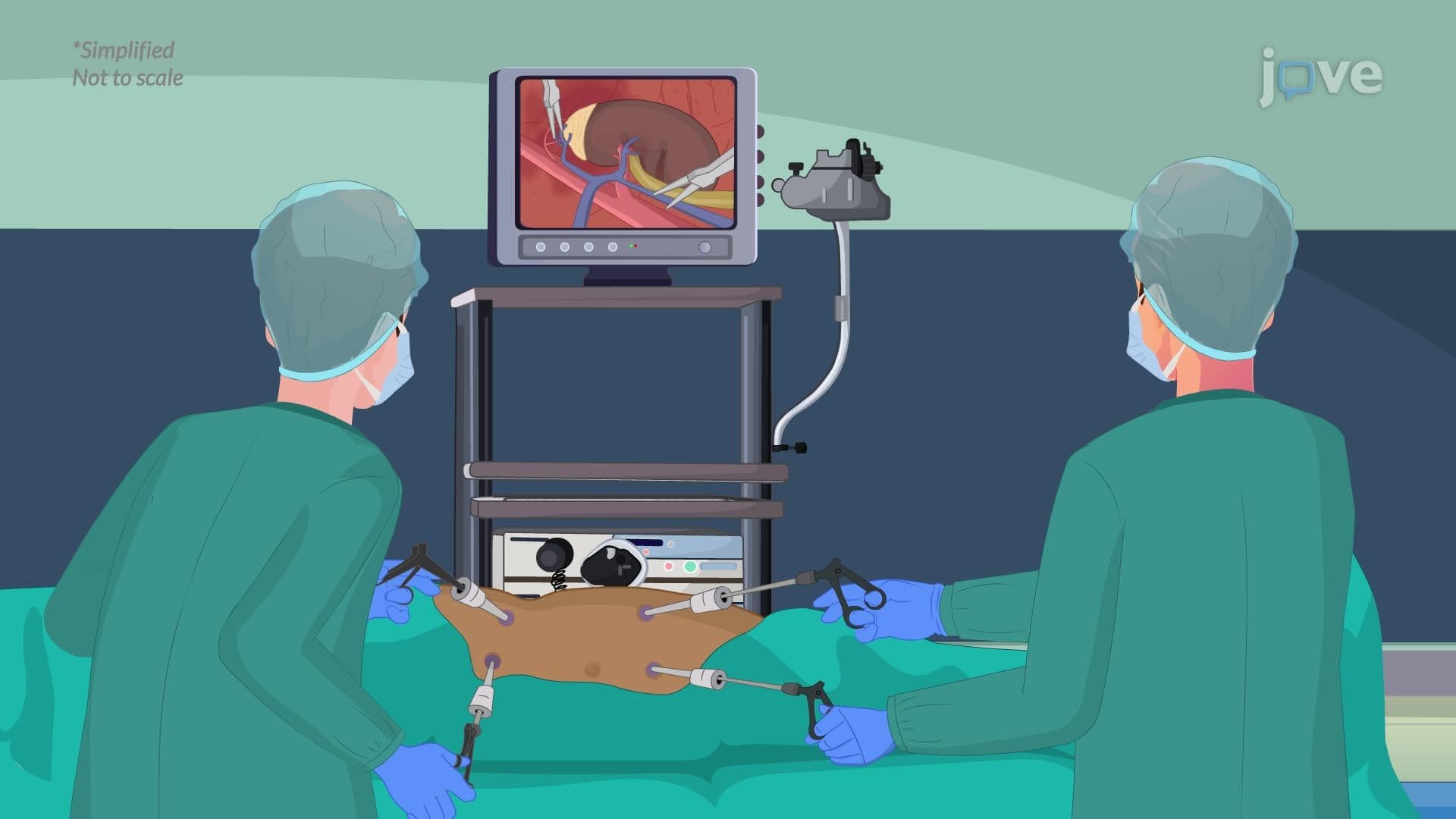
Living donor transplantation offers significant advantages, including shorter waiting times and superior graft survival. Living donors undergo extensive evaluation including kidney function tests (creatinine clearance, proteinuria assessment), imaging studies (CT angiography to evaluate renal anatomy), and psychological evaluation. Major medical centers like UCSF and Mount Sinai have established comprehensive living donor programs with excellent safety records.
Deceased donor kidneys require careful preservation during the "cold time", the period between organ removal and transplantation. Minimizing cold ischemia time (ideally <24 hours) preserves organ function and improves outcomes. This concept frequently appears on medical licensing exams like the USMLE, where students must understand organ preservation principles.
Related Micro-courses