Loading subject page…
- Medical Surgical Nursing
- Genitourinary Tract Diagnostic Procedures
- Serum Studies: Renal Function Tests
Micro-course: Genitourinary Tract Diagnostic Procedures
4,623 views
Learn key concepts and earn your certificate.

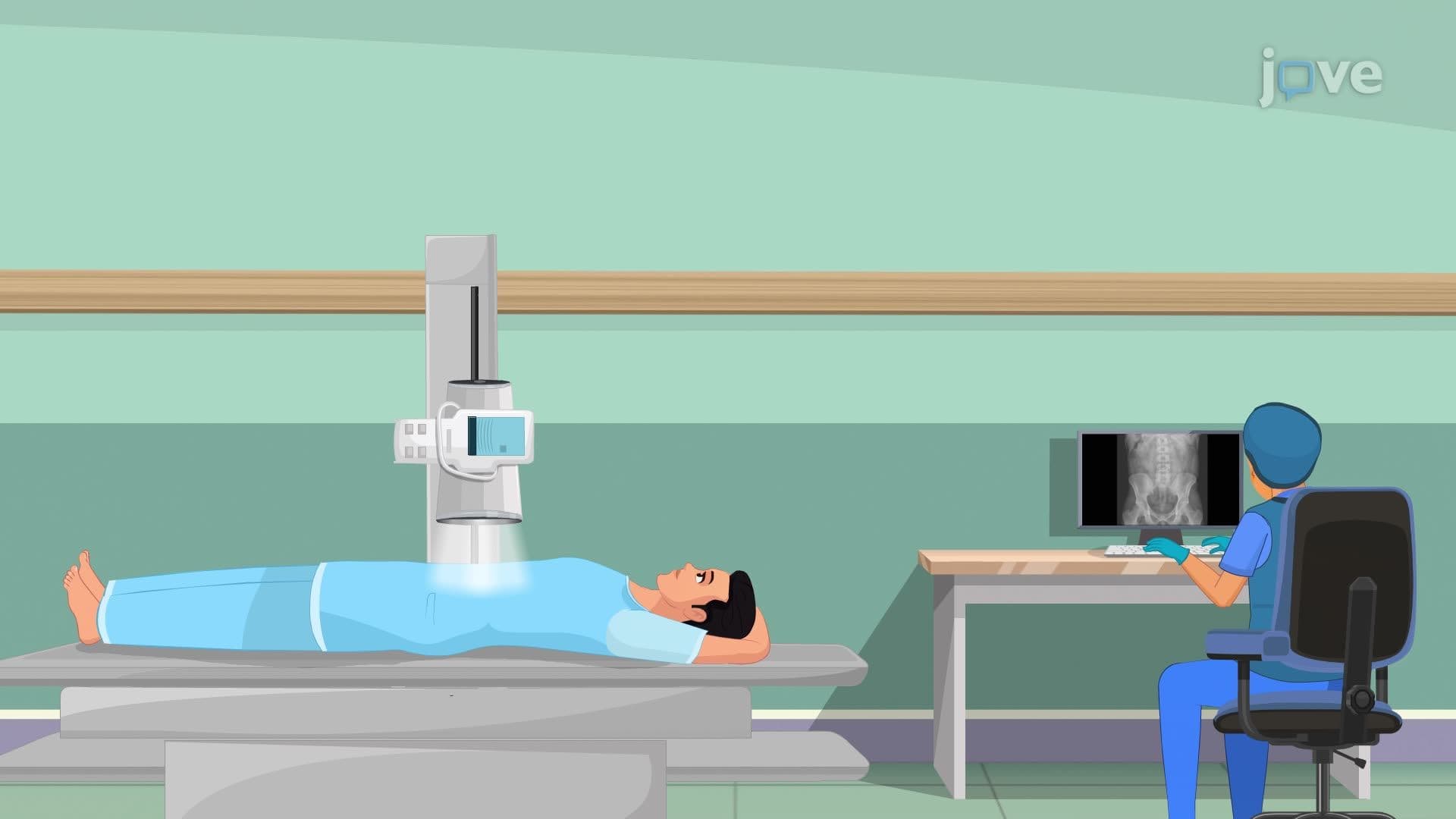

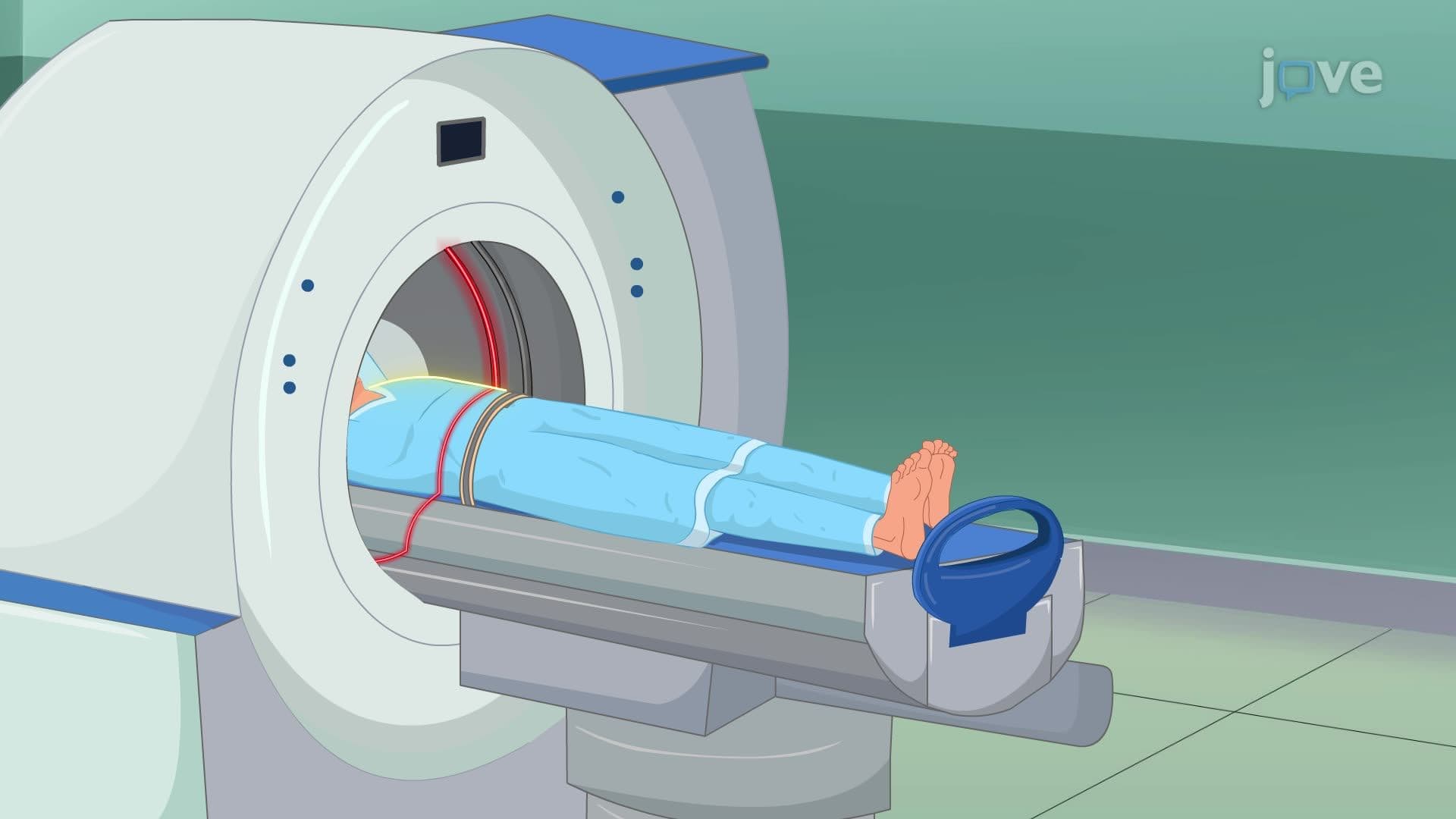
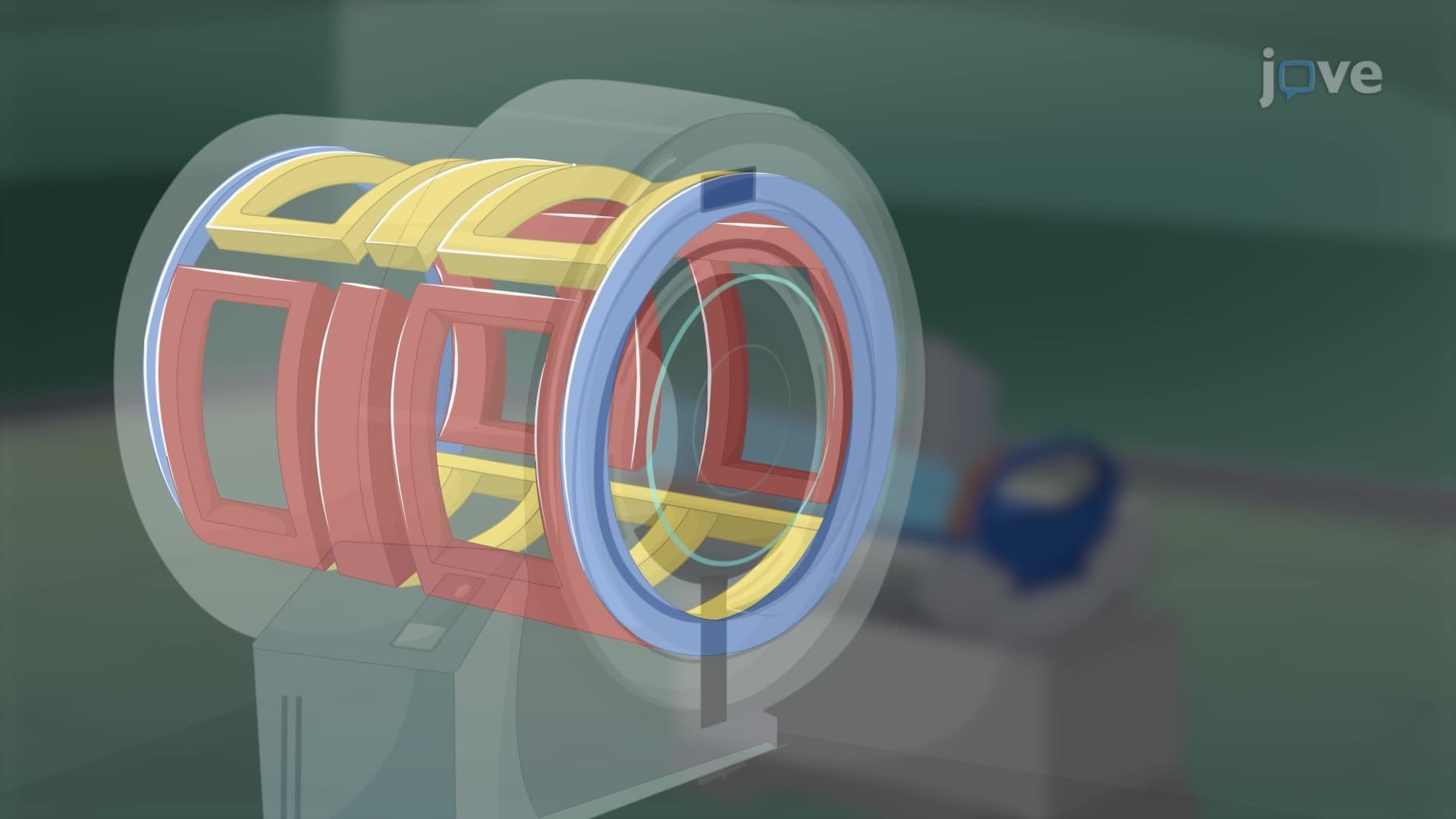
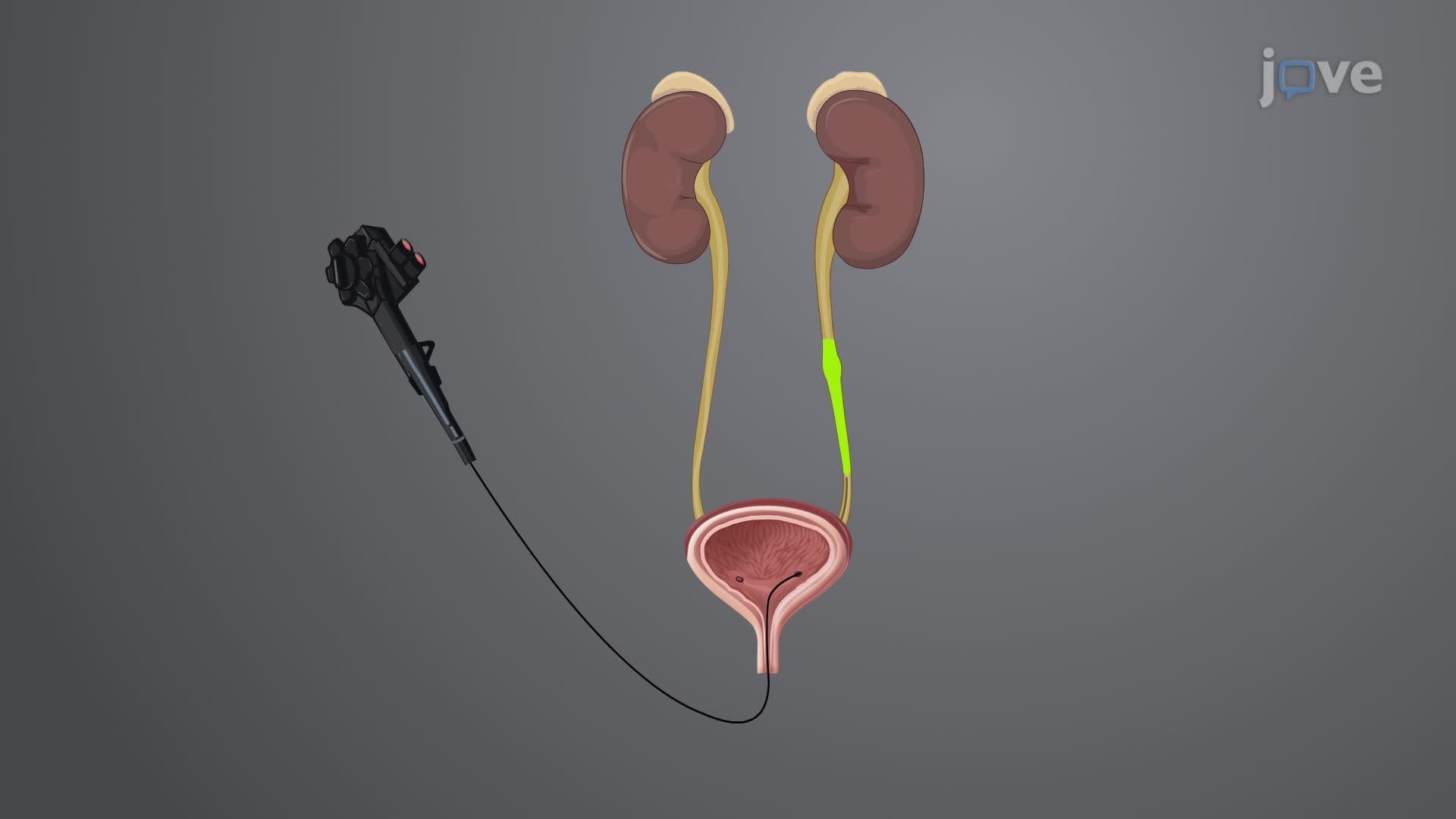



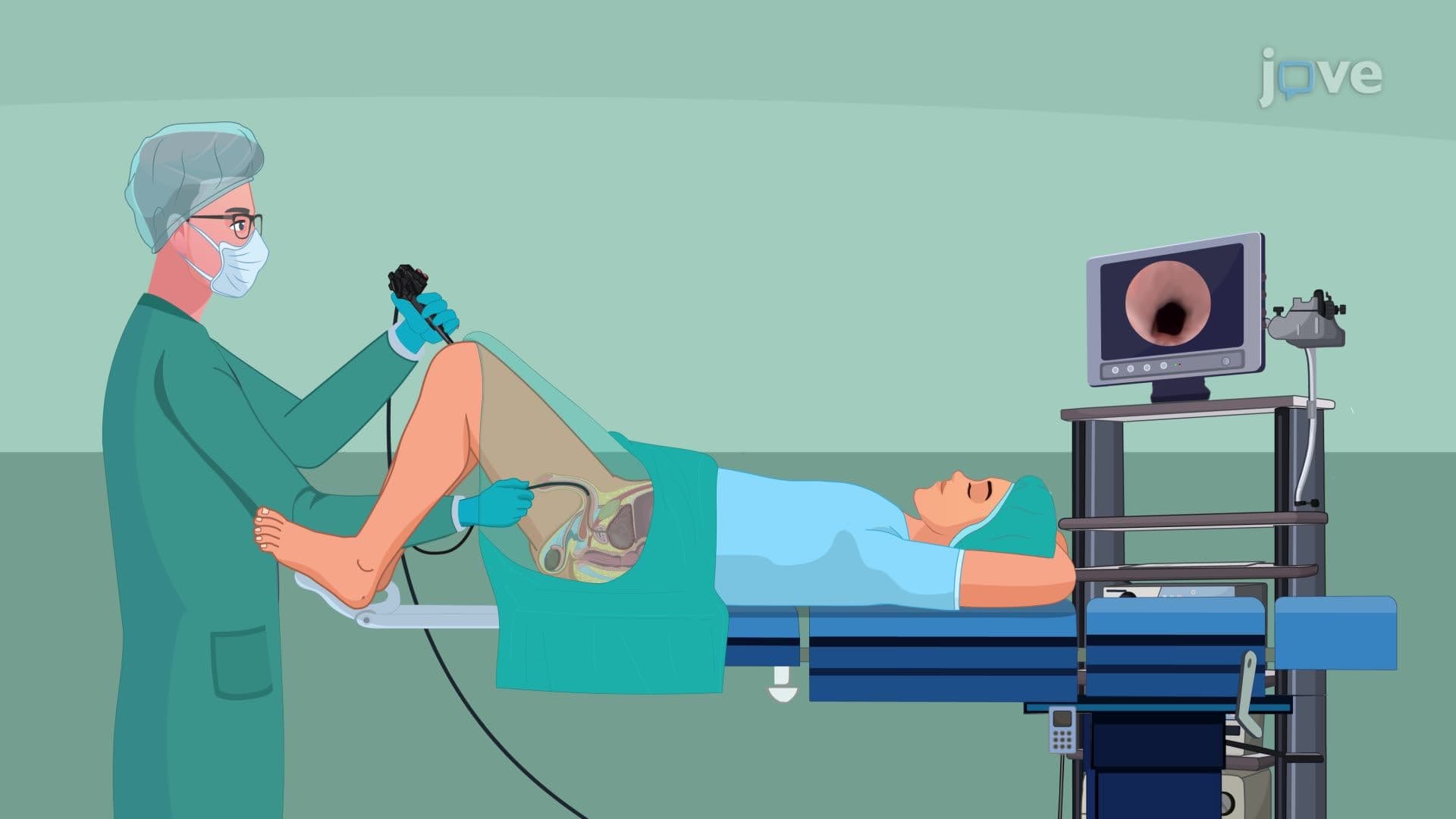
Serum Studies: Renal Function Tests

00:00
01:24
Video Summary: Serum Studies Renal Function Tests Explained
Did you know that your kidneys filter approximately 180 liters of blood daily, yet most people never think about testing this vital function until something goes wrong? Serum studies renal function tests are essential laboratory evaluations that measure how effectively your kidneys remove waste products and maintain fluid balance. At major medical centers like Mayo Clinic and Johns Hopkins, these tests help diagnose conditions from diabetes-related kidney damage to hereditary kidney diseases. Watch the full video on JoVE Coach to master this concept with expert-led visuals and step-by-step explanations.
- Understand the fundamental principles behind serum studies renal function tests and their role in assessing kidney health
- Identify key laboratory values including serum creatinine, blood urea nitrogen (BUN), and creatinine clearance with their normal reference ranges
- Analyze the difference between concentration tests (specific gravity, urine osmolality) and filtration tests (creatinine clearance)
- Compare normal kidney function parameters between males and females, recognizing gender-based variations in reference values
- Evaluate abnormal test results and their clinical significance in diagnosing kidney impairment
- Apply knowledge of renal function testing to interpret patient scenarios and laboratory reports
- Recognize early indicators of kidney dysfunction through subtle changes in test parameters
- Explore the relationship between glomerular filtration rate and overall kidney health assessment
Understanding Serum Studies Renal Function Tests
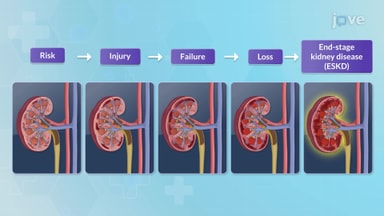
Serum studies renal function tests represent a comprehensive approach to evaluating kidney health through blood and urine analysis. These tests are fundamental in clinical medicine because the kidneys perform three critical functions: waste removal, fluid regulation, and electrolyte balance. When any of these functions become compromised, serious health consequences can follow, making early detection through proper testing essential.
Concentration Tests: Measuring the Kidney's Focusing Ability
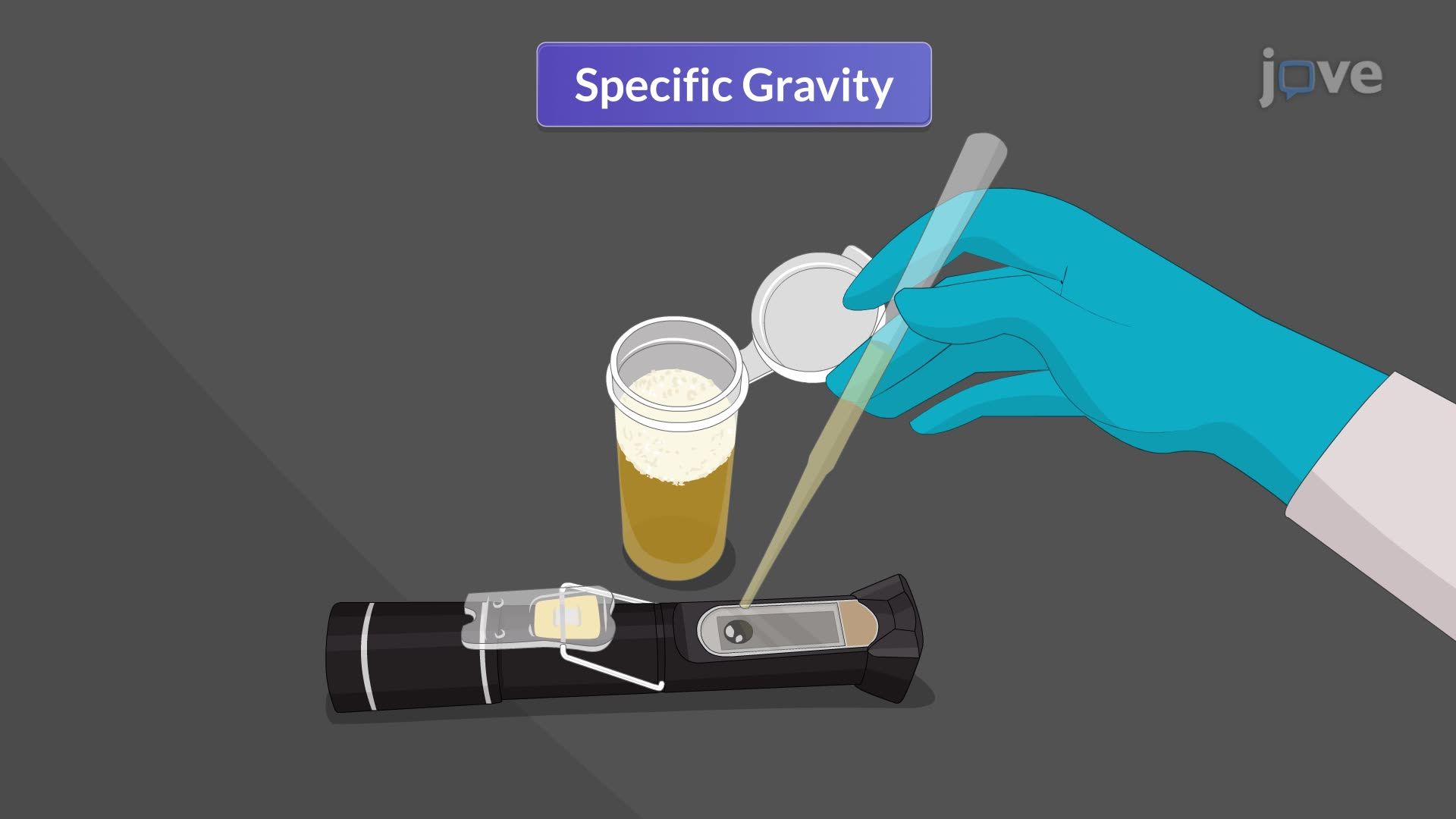
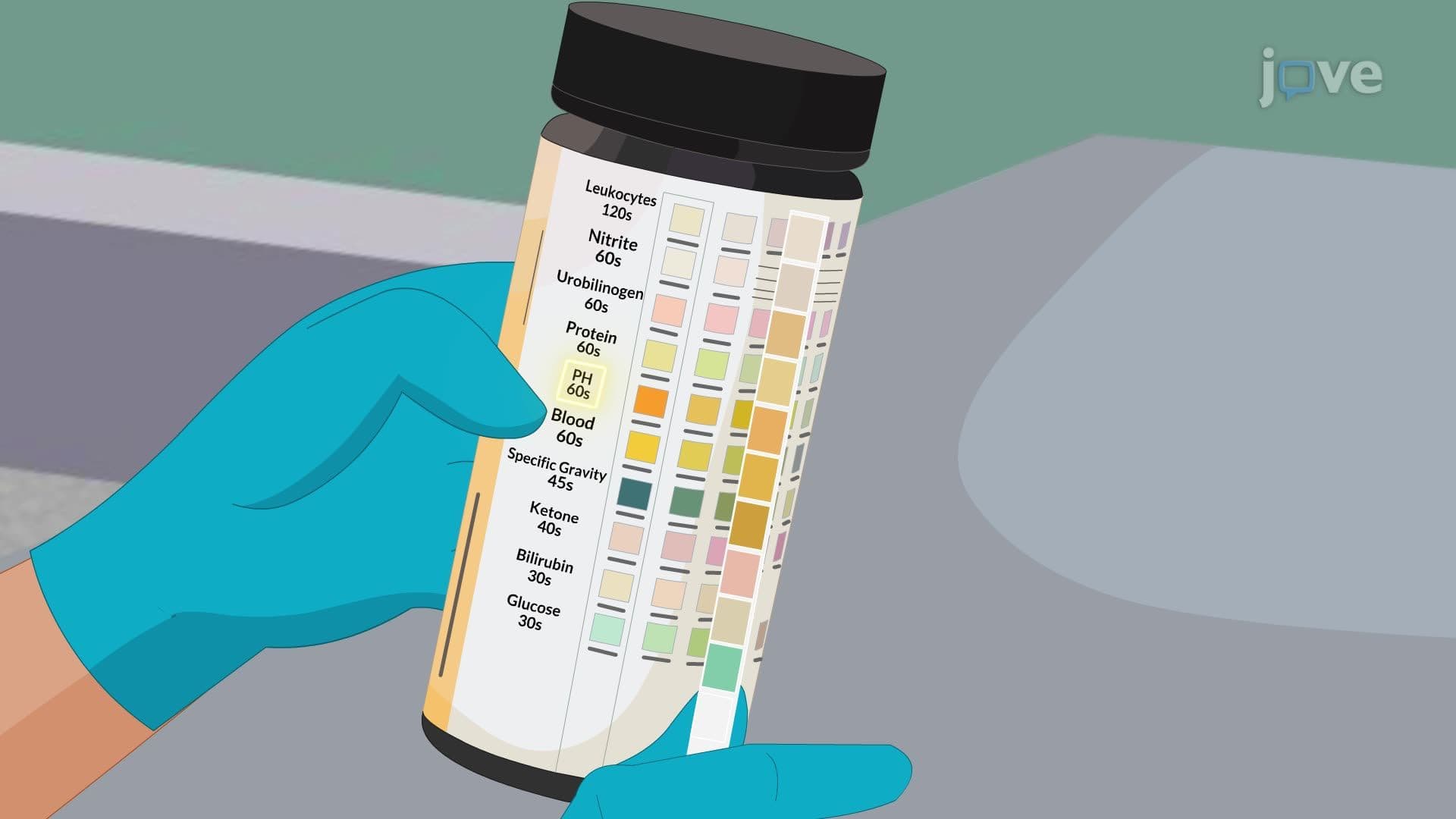
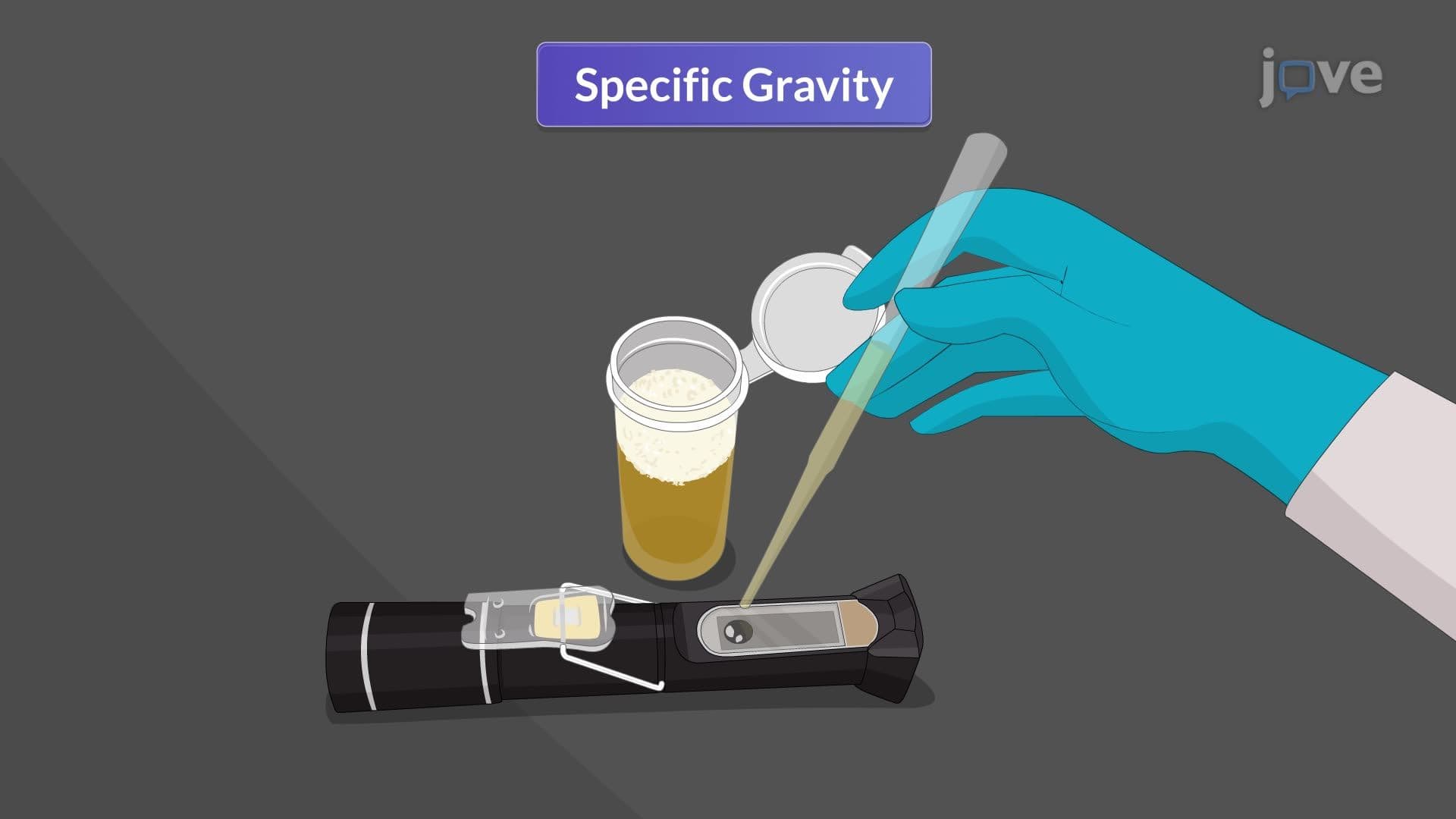
The kidney's ability to concentrate urine serves as an early indicator of functional capacity. Specific gravity testing measures urine density compared to water, with normal values ranging from 1.005 to 1.025. A specific gravity below 1.005 suggests the kidneys cannot concentrate urine effectively, while values consistently above 1.025 may indicate dehydration or other medical conditions. Urine osmolality provides a more precise measurement, typically ranging from 300-900 mOsm/kg in 24-hour collections. This test is particularly valuable because it reflects the kidney's response to antidiuretic hormone (ADH) and helps diagnose conditions like diabetes insipidus.
Filtration Assessment Through Creatinine Studies
Creatinine clearance testing remains the gold standard for evaluating glomerular filtration rate (GFR). This 24-hour urine collection test measures how efficiently kidneys filter creatinine from the blood. Normal values differ significantly between genders: males typically show 107-139 mL/min/1.73 m², while females range from 87-107 mL/min/1.73 m². These differences reflect variations in muscle mass, as creatinine is a byproduct of muscle metabolism. Serum creatinine levels complement clearance testing, with normal ranges of 0.6-1.2 mg/dL for males and 0.4-1.0 mg/dL for females.
Clinical Applications and Exam Relevance
Blood urea nitrogen (BUN) testing, with normal values from 8-20 mg/dL, provides additional insight into kidney function and protein metabolism. The BUN-to-creatinine ratio helps distinguish between different types of kidney problems. For students preparing for the MCAT or USMLE Step 1, understanding these relationships proves crucial for clinical reasoning questions. AP Biology students encounter these concepts when studying homeostasis and feedback mechanisms, while college anatomy and physiology courses emphasize the integration of these tests in patient care scenarios.
Frequently Asked Questions
Serum studies renal function tests are laboratory evaluations that measure how well your kidneys filter waste, concentrate urine, and maintain fluid balance. They're crucial for detecting kidney disease early, monitoring chronic conditions like diabetes, and ensuring proper kidney function before certain medications or procedures.
The MCAT frequently tests kidney function concepts in passages about homeostasis, acid-base balance, and clinical scenarios. You'll need to interpret lab values, understand normal ranges, and explain how kidney dysfunction affects other body systems. Practice questions often involve calculating clearance rates and analyzing abnormal results.
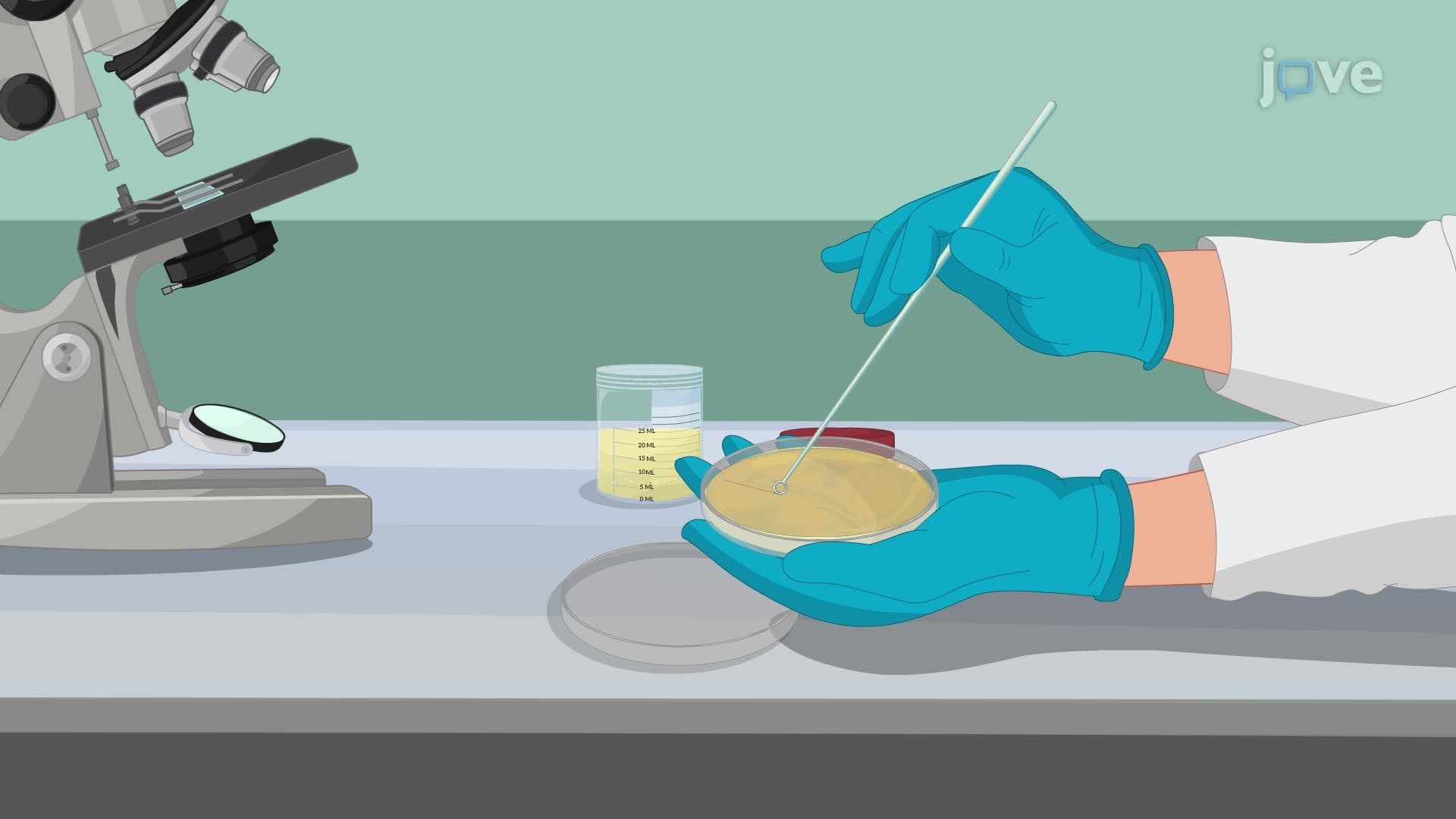
Most renal function tests require either a simple blood draw or urine sample, though creatinine clearance needs a 24-hour urine collection. The blood test takes minutes, while the urine collection requires careful timing and storage. Results typically return within 1-2 days and help detect conditions like chronic kidney disease before symptoms appear.
Basic high school chemistry and biology provide sufficient background for understanding these concepts. You should know about filtration, concentration gradients, and basic metabolism, but complex biochemical pathways aren't necessary. Focus on understanding the relationship between structure and function in the kidney.
Create comparison charts showing normal values for different demographics, practice interpreting abnormal results, and understand the clinical significance of each test. Use active recall by explaining how each test works without looking at notes, and connect kidney function to other body systems you've studied.
Gender differences in renal function tests primarily reflect variations in muscle mass and body composition. Males typically have higher creatinine levels and clearance rates due to greater muscle mass, since creatinine comes from muscle metabolism. Understanding these differences helps healthcare providers interpret results accurately and avoid misdiagnosis.
Consider exploring acid-base balance disorders, electrolyte imbalances, and the renin-angiotensin-aldosterone system. Advanced topics include estimated GFR calculations, proteinuria assessment, and understanding how medications affect kidney function. These concepts build naturally on basic renal function testing principles.
Renal function tests integrate with electrolyte panels, acid-base studies, and urinalysis to provide comprehensive kidney assessment. They're often ordered alongside liver function tests and lipid panels as part of comprehensive metabolic panels, helping healthcare providers understand overall organ function and metabolic status.
Related Micro-courses