Loading video…


 15 Concepts
 10.4K views

Video Summary: Pneumonia V Nursing Management and Prevention Explained
Did you know that healthcare-associated pneumonia affects over 300,000 hospitalized patients annually in the US? Pneumonia V nursing management and prevention requires nurses to master infection control, respiratory assessment, and patient education strategies that can literally save lives. Consider a typical scenario at Houston Methodist Hospital, where nurses implement evidence-based protocols to prevent ventilator-associated pneumonia in ICU patients. Pneumonia V Nursing Management And Prevention Explained covers essential interventions from oxygen therapy monitoring to nutritional support that nursing students encounter on the NCLEX-RN exam. Watch the full video on JoVE Coach to master this concept with expert-led visuals and step-by-step explanations.
Nursing management of pneumonia patients represents one of the most critical skill sets in healthcare, combining respiratory physiology knowledge with hands-on clinical interventions. This comprehensive approach addresses both acute treatment needs and long-term prevention strategies that nursing students must master for success on examinations like the NCLEX-RN and in real-world clinical rotations.
Healthcare-associated pneumonia (HAP) prevention begins with strict adherence to medical asepsis principles. Nurses at facilities like Cleveland Clinic implement evidence-based protocols including proper hand hygiene, sterile technique during procedures, and environmental cleaning standards. These measures are particularly crucial in intensive care units where ventilator-associated pneumonia (VAP) rates can reach 10-20% without proper prevention bundles. Students studying for the NCLEX-RN should understand that infection control isn't just about individual patient care-it's about protecting entire healthcare populations.
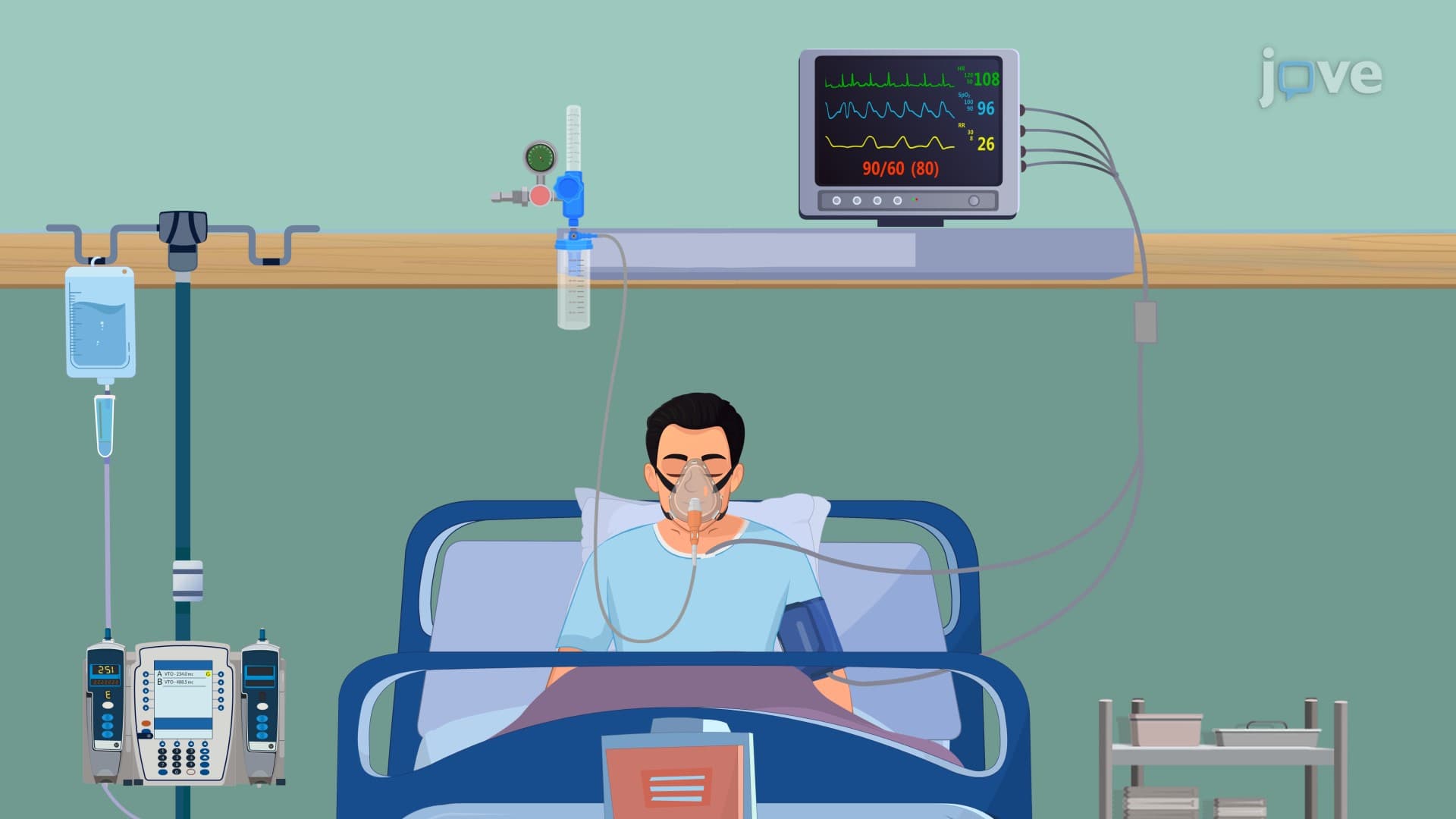
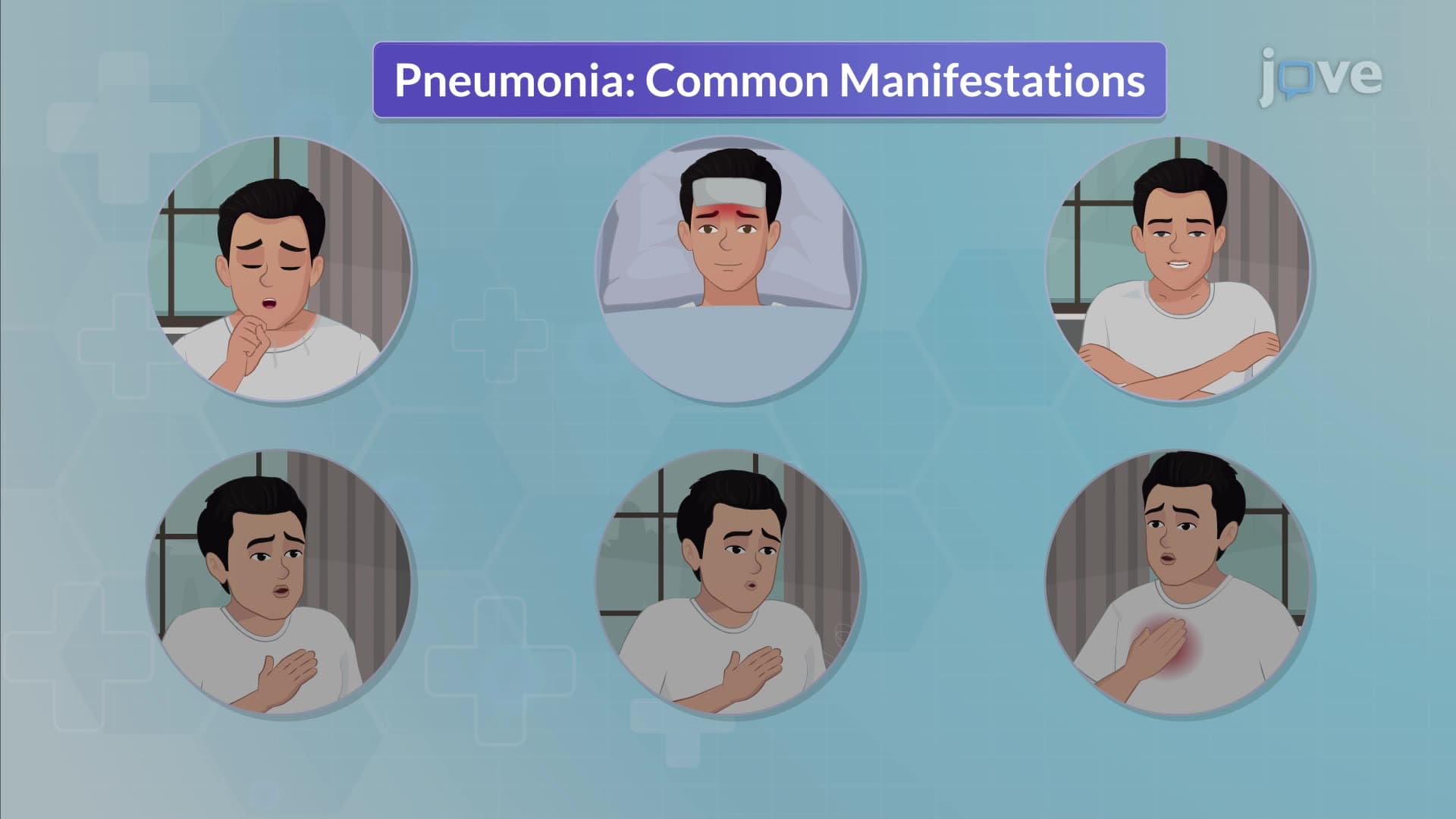
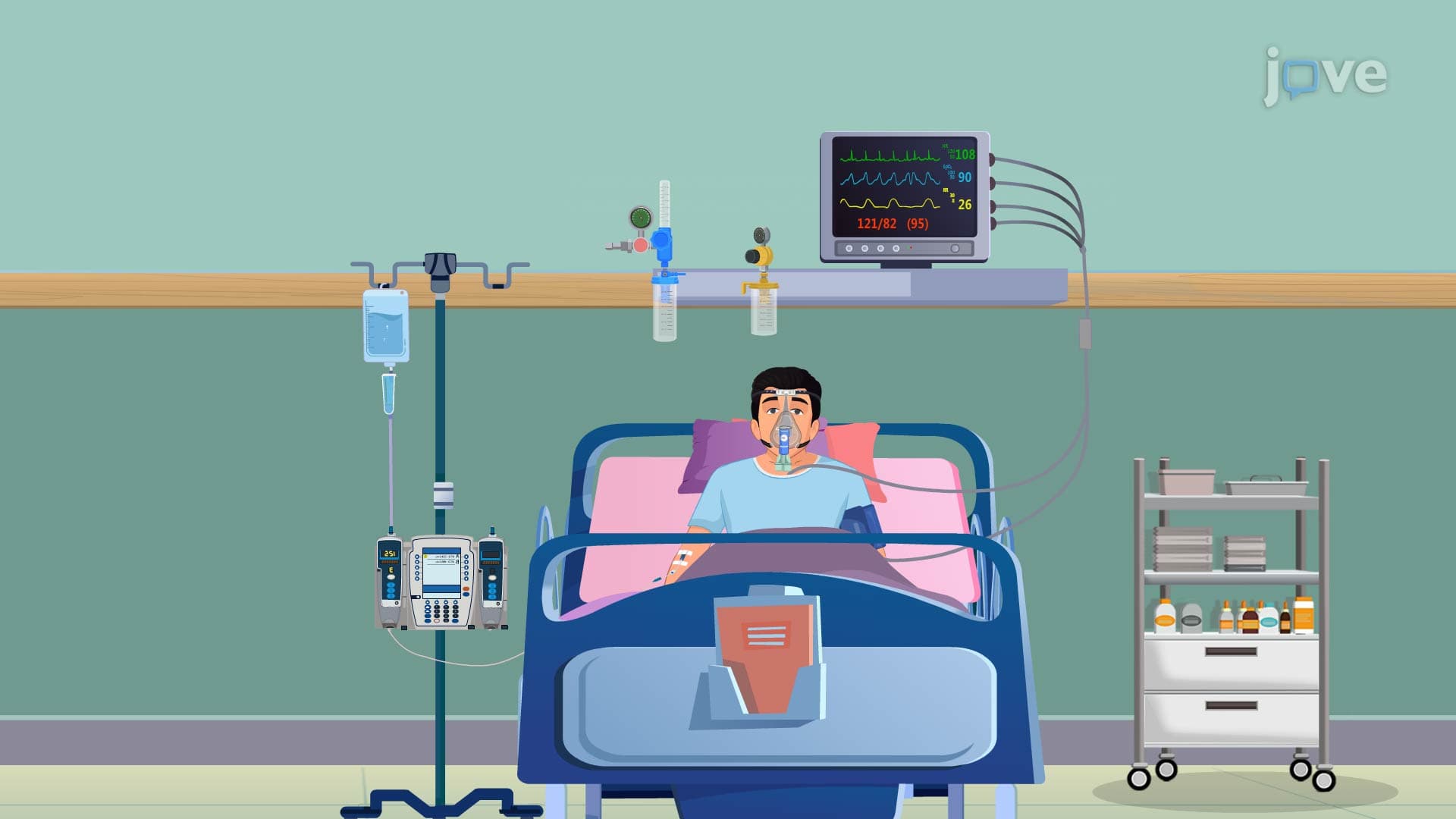
Effective pneumonia nursing management requires continuous respiratory monitoring and intervention. Nurses must assess for signs of respiratory distress including increased work of breathing, altered mental status, and decreased oxygen saturation levels. At major teaching hospitals like Johns Hopkins, nurses utilize pulse oximetry, arterial blood gas analysis, and clinical observation to determine oxygen supplementation needs. This assessment process directly correlates with content tested on advanced placement (AP) Biology exams and pre-nursing prerequisite courses, particularly regarding gas exchange mechanisms and cellular respiration principles.
Maintaining airway patency involves strategic patient positioning and chest physiotherapy techniques. The semi-Fowler's position (30-degree head elevation) facilitates drainage from affected lung segments while reducing aspiration risk during meals. Nurses implement manual or mechanical percussion and vibration techniques to mobilize secretions, particularly important for patients at risk for complications. These interventions require understanding of anatomical positioning and respiratory mechanics commonly covered in college-level anatomy and physiology courses that serve as prerequisites for nursing programs.
Related Micro-courses