Loading video…


 15 Concepts
 10.4K views

Video Summary: What Is Acute Respiratory Failure I
Every minute, your lungs exchange gases through 600 million alveoli, but acute respiratory failure I occurs when this vital system cannot deliver adequate oxygen to your bloodstream. In US emergency departments, conditions like pneumonia or drug overdoses can trigger this life-threatening scenario where blood oxygen drops below critical levels. Understanding What is Acute Respiratory Failure I helps explain why patients in ICUs across hospitals like Johns Hopkins require immediate intervention. Watch the full video on JoVE Coach to master this concept with expert-led visuals and step-by-step explanations.
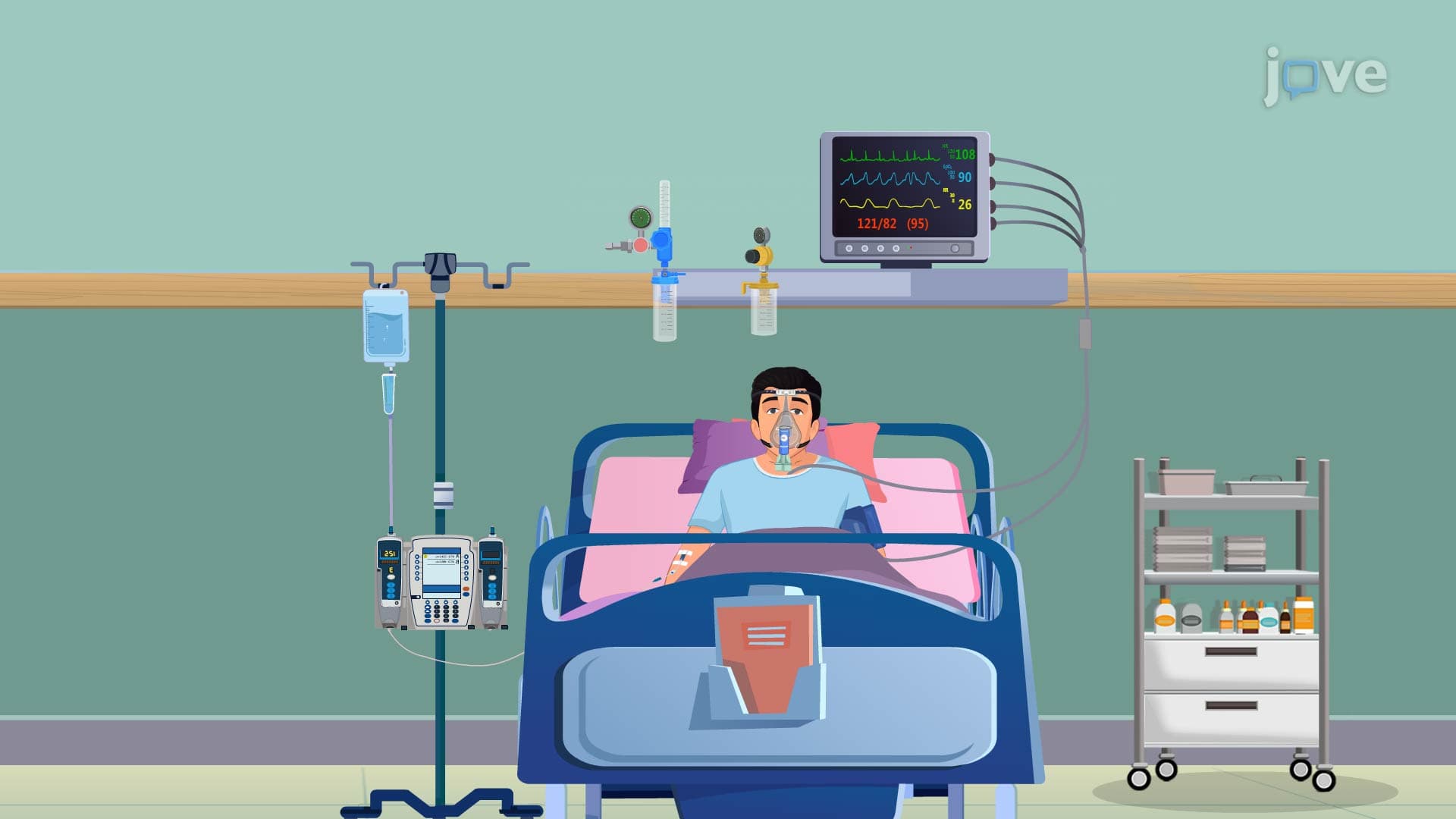
Acute respiratory failure I represents a critical medical emergency where the body's primary oxygenation system fails to meet cellular metabolic demands. Unlike chronic respiratory conditions that develop over months or years, this acute form strikes suddenly, often within hours. The respiratory system's primary job involves two crucial processes: delivering oxygen to tissues and removing carbon dioxide waste. When the first process fails dramatically, patients develop what clinicians classify as Type I or hypoxemic respiratory failure.
The hallmark of acute respiratory failure I definition centers on specific measurable parameters. Healthcare providers diagnose this condition when arterial oxygen partial pressure (PaO2) drops below 60 mmHg despite breathing oxygen concentrations of 60% or higher. This threshold represents a critical point where oxygen saturation begins falling rapidly, threatening vital organ function.
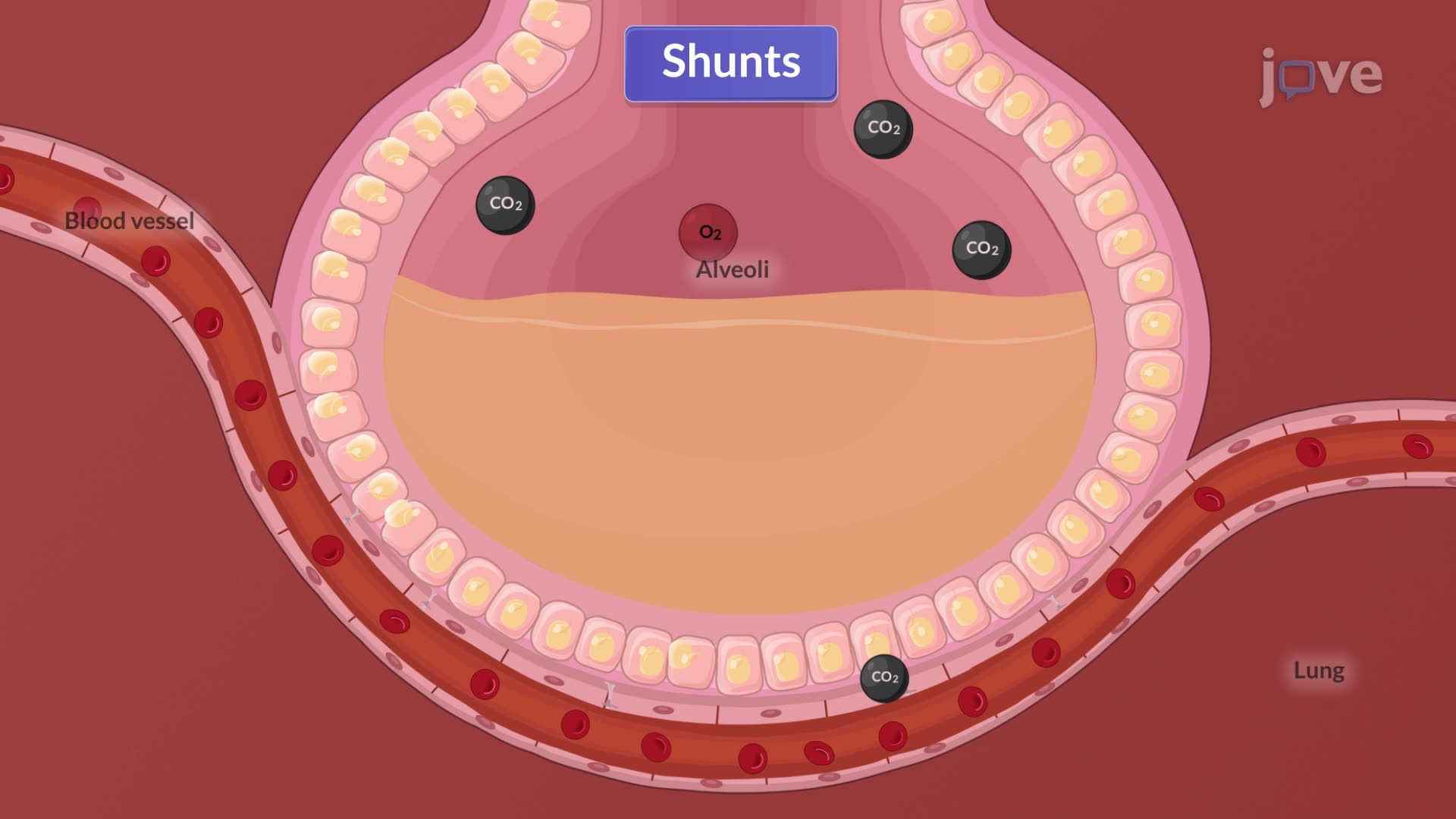
The underlying mechanism involves disrupted gas exchange at the alveolar-capillary membrane. Conditions like acute respiratory distress syndrome (ARDS), severe pneumonia, or pulmonary edema create barriers preventing oxygen molecules from crossing into the bloodstream efficiently. At major trauma centers like those at UCLA or Massachusetts General Hospital, emergency physicians frequently encounter this pattern in patients with smoke inhalation injuries or near-drowning incidents.
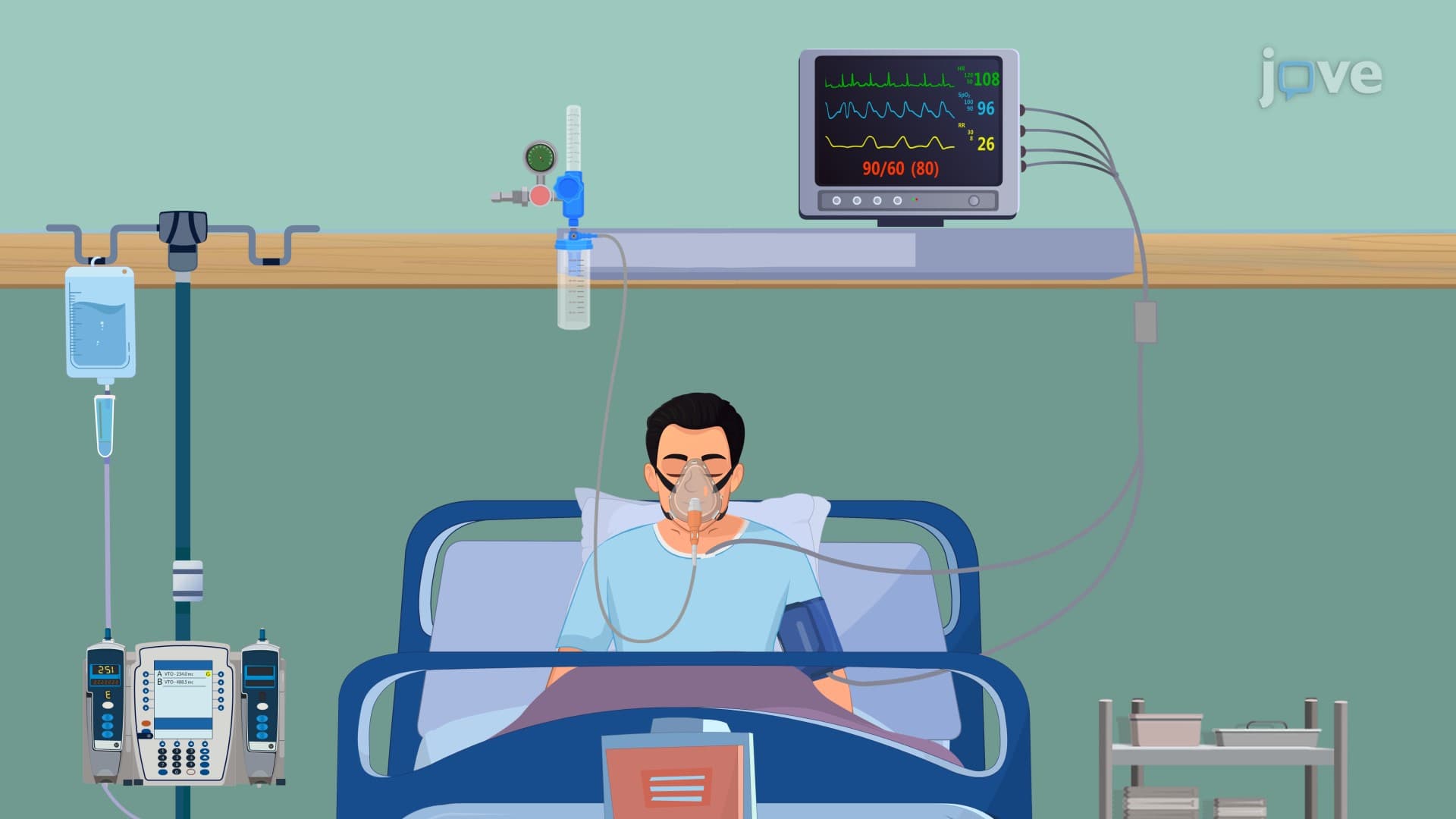
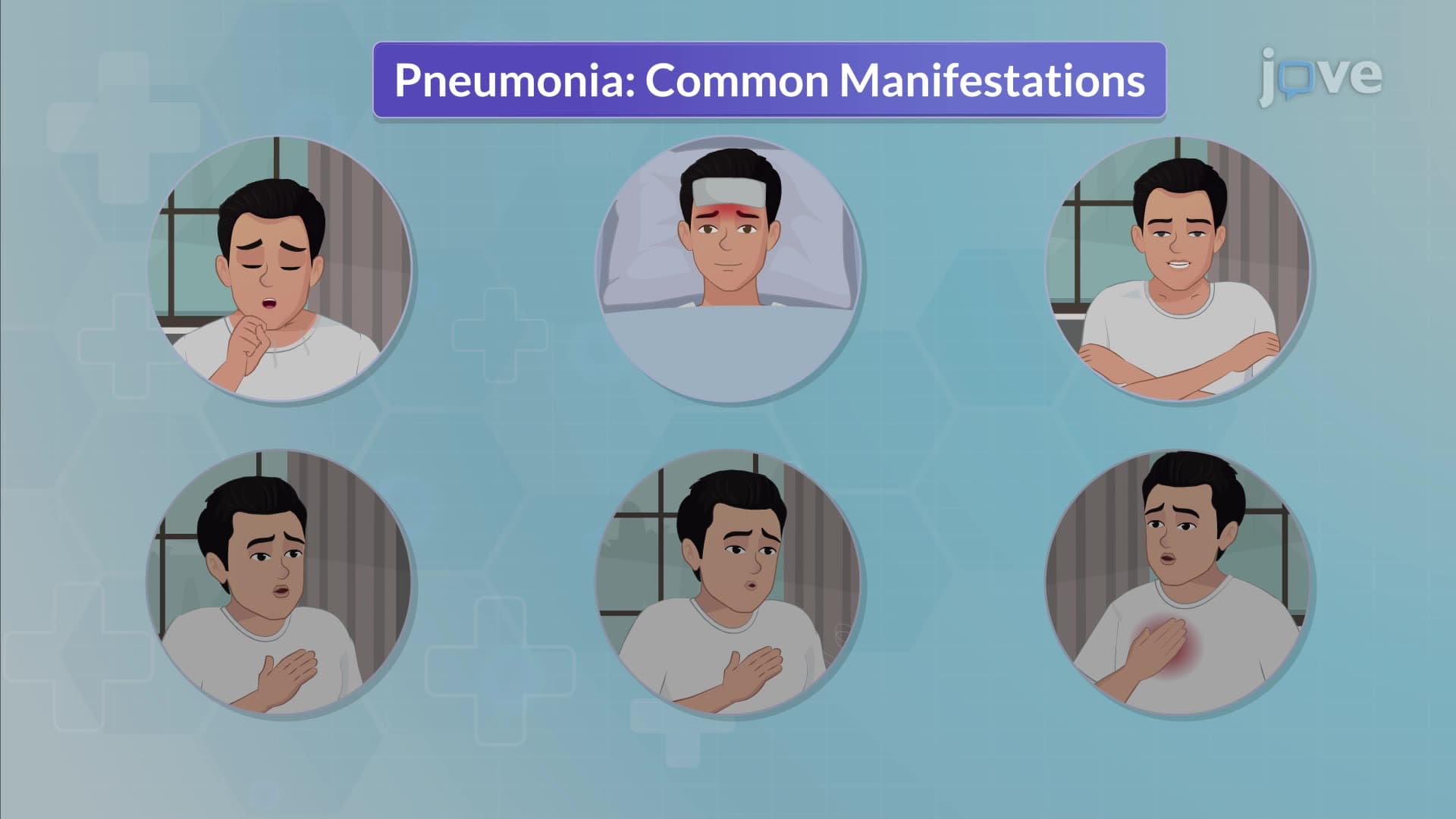
Patients with acute respiratory failure I typically present with severe shortness of breath, rapid breathing rates exceeding 30 breaths per minute, and visible signs of oxygen deprivation including bluish skin coloration around lips and fingertips. Unlike patients with carbon dioxide retention problems, these individuals initially maintain normal or even low CO2 levels as they hyperventilate attempting to compensate.
Consider a college student admitted to Stanford University Medical Center following exposure to chlorine gas during a chemistry lab accident. Despite receiving supplemental oxygen, their PaO2 remains at 55 mmHg, clearly indicating Type I respiratory failure requiring immediate intensive care intervention.
For students preparing for the MCAT or NCLEX examinations, understanding acute respiratory failure I concept proves essential for critical thinking scenarios. The USMLE Step 1 frequently tests this concept through clinical vignettes requiring interpretation of arterial blood gas results. College-level anatomy and physiology courses at institutions like University of Texas or Penn State emphasize this topic when covering respiratory pathophysiology chapters.
Related Micro-courses