Loading video…


 15 Concepts
 10.4K views

Video Summary: What Is Pneumonia I Introduction
Every winter, approximately 1 million Americans are hospitalized with pneumonia, making it one of the leading causes of death in the United States. Pneumonia I Introduction covers the fundamental classification of this critical lung infection, distinguishing between community-acquired cases like those seen in college dormitories and medical care-associated infections in hospitals like Johns Hopkins. Understanding these distinctions is essential for recognizing risk factors, transmission patterns, and appropriate treatment protocols. Watch the full video on JoVE Coach to master this concept with expert-led visuals and step-by-step explanations.
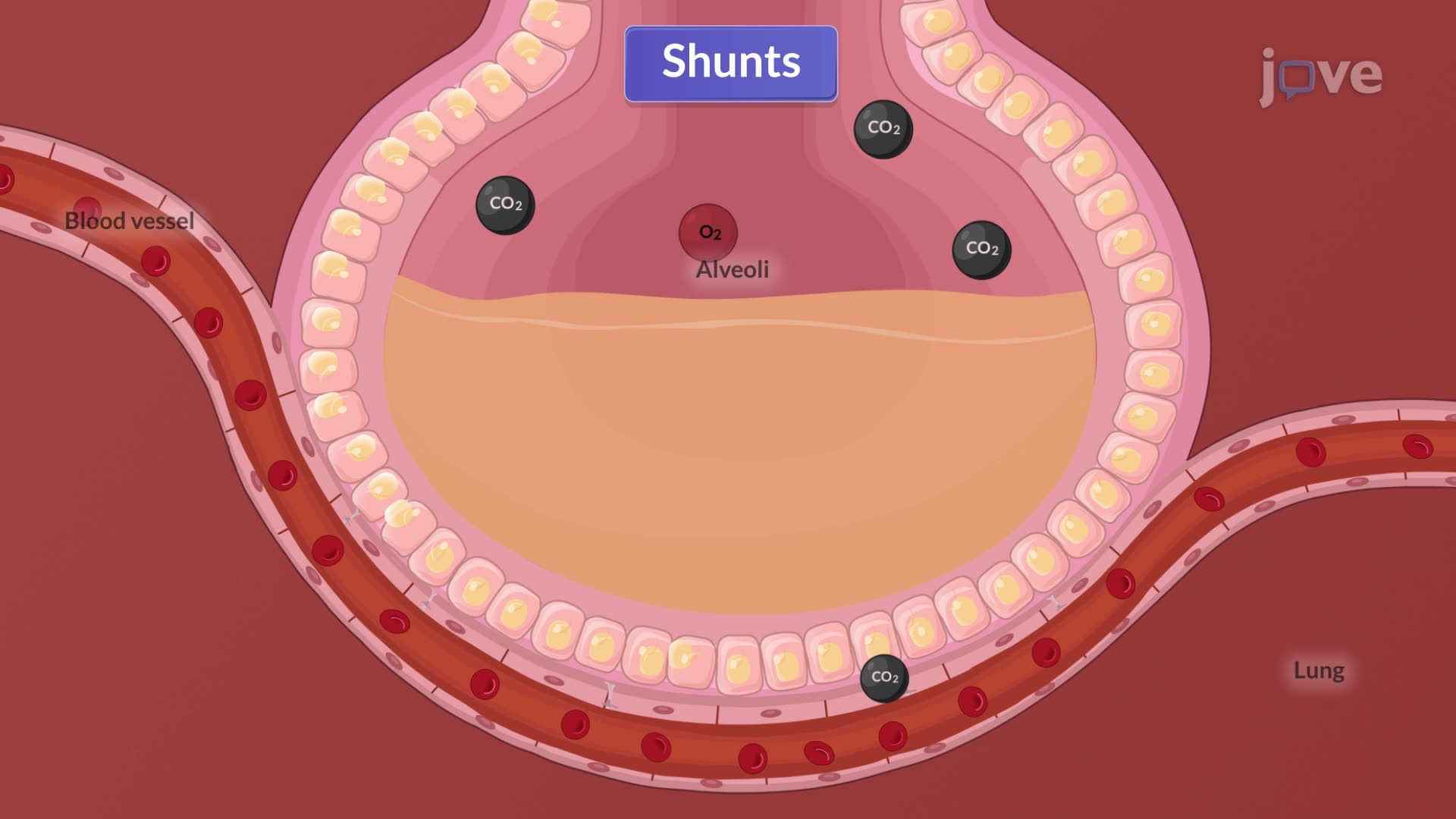
What is Pneumonia I Introduction begins with understanding pneumonia as an inflammatory condition affecting the lung parenchyma-the functional tissue where gas exchange occurs. Unlike bronchitis, which affects the airways, pneumonia involves the alveolar spaces and surrounding interstitial tissue. This distinction is crucial for AP Biology students studying respiratory system pathology and appears frequently on MCAT practice questions testing infectious disease concepts.
Pneumonia risk factors fall into several key categories that students encounter in college-level pathophysiology courses. Environmental factors include air pollution exposure, particularly relevant in cities like Los Angeles, and smoking history. Medical interventions such as corticosteroid therapy, mechanical ventilation, and surgical procedures significantly increase infection risk. Patient-specific factors include stroke history, prolonged bed rest, and underlying structural lung diseases like chronic obstructive pulmonary disease (COPD). These risk factors are commonly tested on NCLEX-RN examinations and USMLE Step 1.
Community-acquired pneumonia (CAP) represents infections occurring outside healthcare settings or within the first 48 hours of hospitalization. This timing distinction is critical for determining appropriate empirical antibiotic therapy. The most common bacterial pathogens include Streptococcus pneumoniae, responsible for approximately 35% of CAP cases in the United States, and Haemophilus influenzae, particularly prevalent in patients with underlying respiratory conditions. College students living in dormitories face increased CAP risk due to close living quarters and shared ventilation systems.
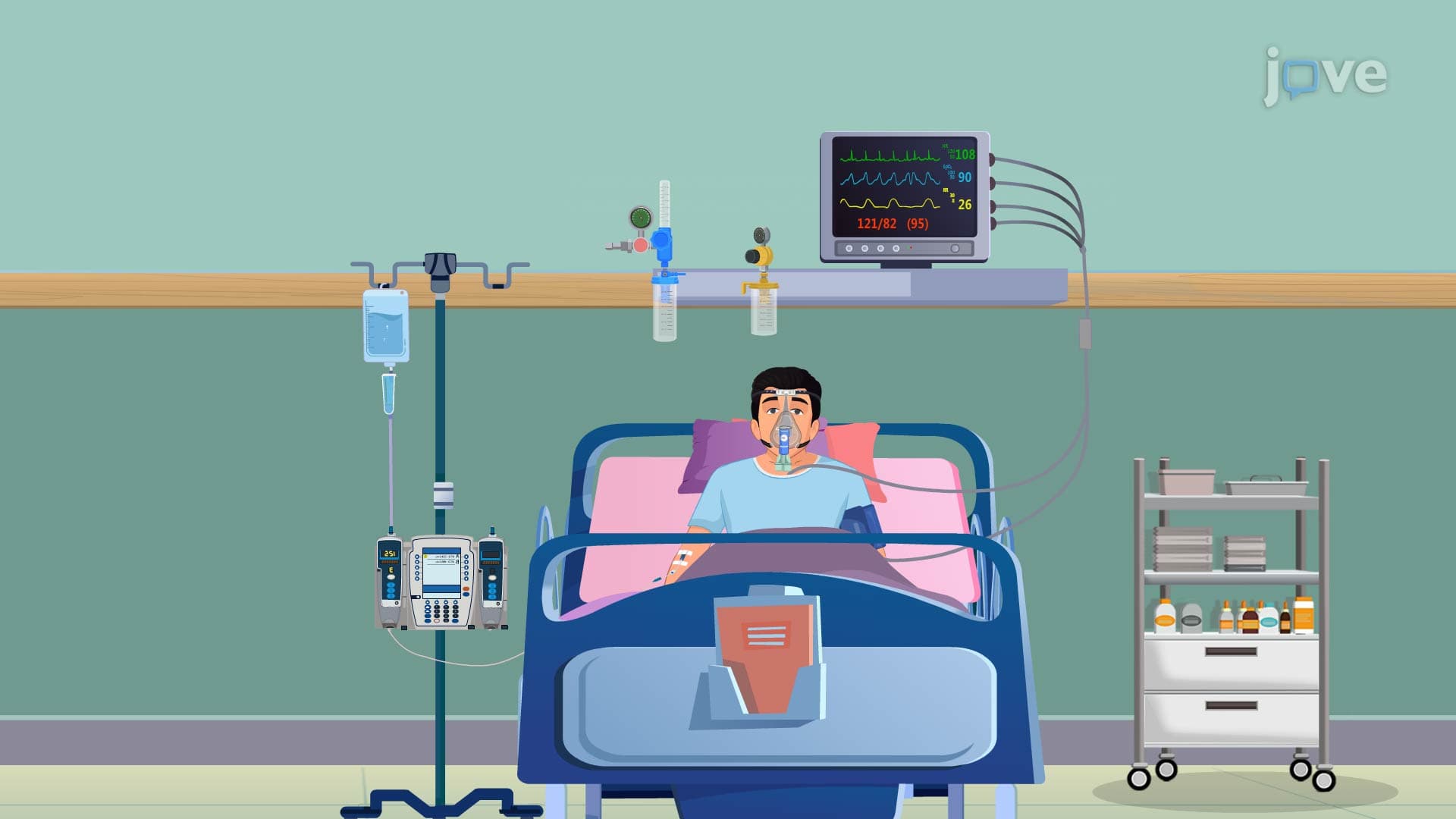
Medical care-associated pneumonia encompasses three distinct categories, each with specific timing criteria. Hospital-acquired pneumonia (HAP) develops 48 hours or more after admission, excluding infections present during hospitalization. Ventilator-associated pneumonia (VAP) occurs 48 hours after endotracheal intubation, representing a significant concern in intensive care units across major medical centers like Mayo Clinic and Cleveland Clinic. Healthcare-associated pneumonia (HCAP) develops in patients with recent healthcare exposure, including hospitalization within 90 days preceding infection onset.
Related Micro-courses