Loading video…


 15 Concepts
 10.4K views


Video Summary: What Is Pneumonia Iv Management
When a patient arrives at Boston Medical Center with severe pneumonia and dangerously low oxygen levels, understanding pneumonia IV management becomes a life-or-death skill. This comprehensive treatment approach combines targeted intravenous antibiotics, supportive medications, and critical care interventions to combat serious bacterial and viral lung infections. What is Pneumonia IV Management encompasses everything from broad-spectrum antibiotic selection to mechanical ventilation decisions. Watch the full video on JoVE Coach to master this concept with expert-led visuals and step-by-step explanations.
Pneumonia IV management represents a sophisticated, multi-faceted approach to treating severe lung infections that require hospitalization. This treatment strategy becomes essential when patients present with complications like hypoxemia, sepsis, or inability to maintain oral medication intake. At major US medical centers like Johns Hopkins Hospital and Mayo Clinic, healthcare teams rely on evidence-based IV protocols to deliver rapid, effective treatment that can prevent respiratory failure and death.
The cornerstone of pneumonia IV management lies in appropriate antibiotic selection based on infection source and resistance patterns. Community-acquired pneumonia typically responds well to IV macrolides like azithromycin or respiratory fluoroquinolones such as levofloxacin. However, hospital-acquired pneumonia presents greater challenges, often requiring broad-spectrum coverage with agents like piperacillin-tazobactam or ceftriaxone.
For patients with multidrug-resistant organisms-increasingly common in US intensive care units-clinicians employ combination therapy protocols. A typical regimen might include an antipseudomonal cephalosporin (cefepime), an aminoglycoside (gentamicin), and vancomycin for MRSA coverage. This triple-therapy approach ensures comprehensive bacterial elimination while minimizing resistance development.
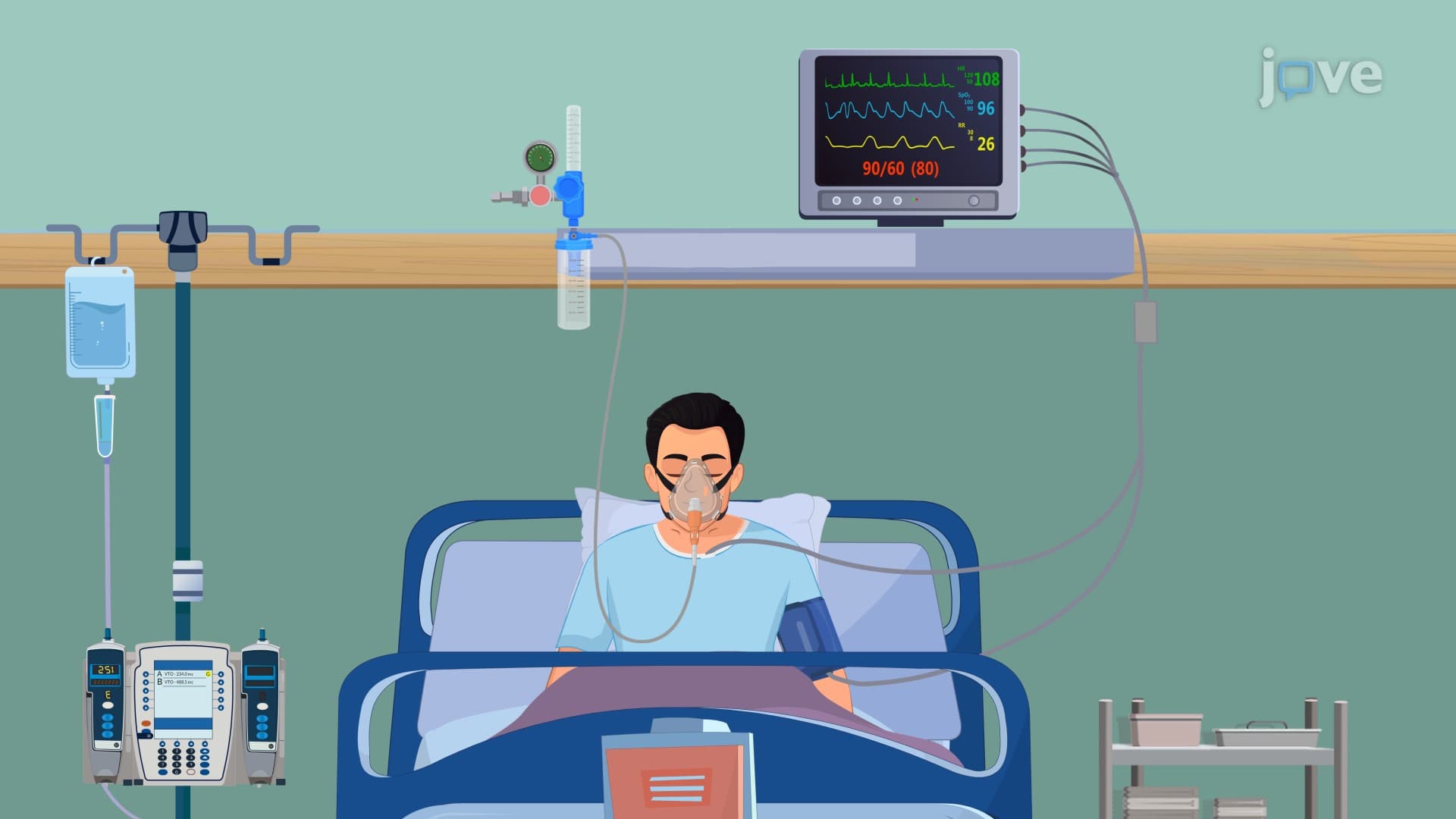
Beyond antimicrobial therapy, pneumonia IV management encompasses critical supportive interventions. Oxygen therapy becomes paramount for patients with hypoxemia (oxygen saturation below 90%), while severe cases may require mechanical ventilation support. IV fluid management prevents dehydration while helping mobilize thick respiratory secretions that impede recovery.
This concept frequently appears on NCLEX-RN examinations, USMLE Step 2 CK, and nursing school pharmacology exams. Students should master the progression from oral to IV therapy, understanding when clinical deterioration necessitates hospitalization. Pre-med students preparing for the MCAT should focus on antibiotic mechanisms of action and resistance patterns, as these topics bridge microbiology and clinical medicine curricula.
Related Micro-courses