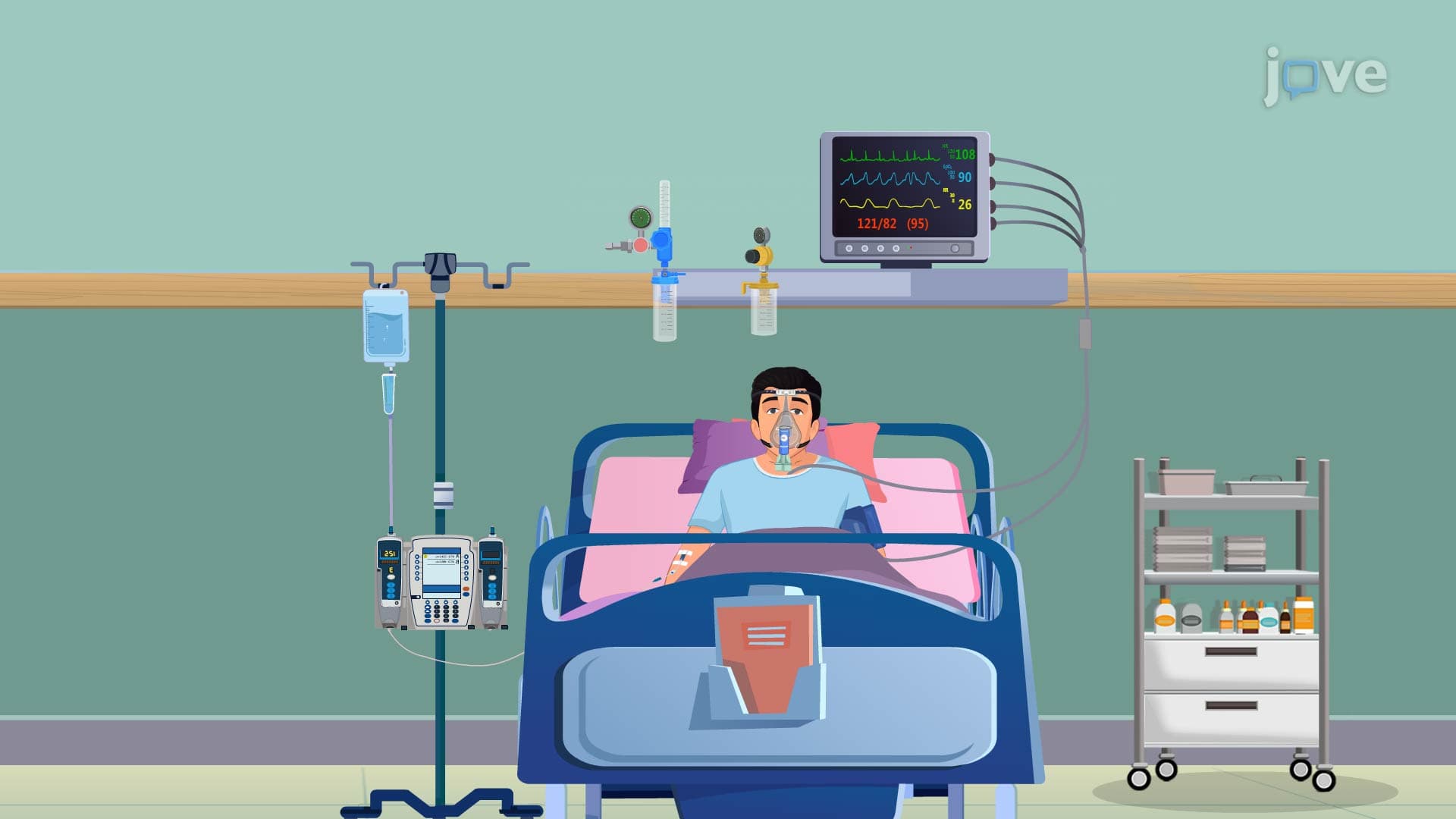
Loading video…


 15 Concepts
 10.4K views

Video Summary: What Is Pulmonary Tuberculosis I
Did you know that tuberculosis kills more people worldwide than any other infectious disease, yet many Americans aren't sure what pulmonary tuberculosis I actually means? Pulmonary tuberculosis I refers to the primary infection of the lungs by Mycobacterium tuberculosis, an airborne bacterial pathogen that spreads through tiny droplets. Healthcare workers at major US hospitals like Johns Hopkins face elevated exposure risks during procedures like bronchoscopy. Watch the full video on JoVE Coach to master this concept with expert-led visuals and step-by-step explanations.
What is Pulmonary Tuberculosis I represents the initial infection of lung tissue by Mycobacterium tuberculosis, a slow-growing acid-fast bacterium that has plagued humanity for millennia. Unlike many bacterial infections that cause acute symptoms, pulmonary tuberculosis I often develops insidiously, making early detection challenging. The "I" designation specifically refers to the primary infection phase, distinguishing it from reactivation tuberculosis or extrapulmonary manifestations.
The transmission of pulmonary tuberculosis occurs through an remarkably efficient airborne route. When infected individuals perform everyday activities-breathing, talking, singing, or coughing-they release droplets containing viable mycobacteria. These droplets quickly evaporate, leaving behind microscopic nuclei measuring 1-5 micrometers in diameter. These tiny particles remain suspended in air for extended periods, from minutes to several hours, depending on environmental conditions like humidity and air circulation.
This airborne persistence explains why tuberculosis outbreaks can occur in enclosed spaces like homeless shelters, prisons, and healthcare facilities. The Centers for Disease Control and Prevention (CDC) has documented numerous hospital outbreaks, particularly in emergency departments and pulmonary units where undiagnosed patients may spread infection before proper isolation measures are implemented.
Certain populations face dramatically increased risk for developing active pulmonary tuberculosis I. Healthcare workers represent a particularly vulnerable group, especially those performing aerosol-generating procedures like bronchoscopy, intubation, and respiratory suctioning. The Occupational Safety and Health Administration (OSHA) requires specific TB screening protocols for healthcare workers in high-risk settings.
Immunocompromised individuals face the greatest risk. HIV-positive patients have a 20-30 times higher likelihood of developing active TB compared to immunocompetent individuals. Organ transplant recipients taking immunosuppressive medications, patients undergoing hemodialysis, and individuals with poorly controlled diabetes mellitus also demonstrate increased susceptibility.
Understanding pulmonary tuberculosis I proves essential for various standardized examinations. MCAT students encounter TB questions in infectious disease sections, while nursing students face TB-related scenarios on the NCLEX-RN examination. Medical students preparing for USMLE Step 1 must understand the pathophysiology, risk factors, and public health implications of tuberculosis transmission.
Related Micro-courses