Loading video…


 15 Concepts
 10.4K views

Video Summary: What Is Pulmonary Tuberculosis Ii
Each year, tuberculosis affects approximately 10,000 Americans, with many cases remaining hidden in a dormant state. Pulmonary tuberculosis II reveals the complex pathophysiology behind this ancient disease, from initial infection through granuloma formation to potential progression into active disease. Understanding what is pulmonary tuberculosis II becomes crucial when examining real cases like the 2019 outbreak at a California university that infected dozens of students. The intricate immune response involving alveolar macrophages and T-cells demonstrates how our bodies attempt to contain Mycobacterium tuberculosis within specialized structures. Watch the full video on JoVE Coach to master this concept with expert-led visuals and step-by-step explanations.
Pulmonary tuberculosis II encompasses the intricate biological processes that occur when Mycobacterium tuberculosis establishes infection in the human respiratory system. Unlike simple bacterial infections that trigger immediate inflammatory responses, tuberculosis follows a unique pathophysiological pathway that can remain hidden for decades before manifesting as clinical disease.
The infection begins when susceptible individuals inhale microscopic droplets containing viable tuberculosis bacteria. These droplets, typically measuring 1-5 micrometers, bypass the upper respiratory tract's filtering mechanisms and reach the lung alveoli. Once deposited, the bacteria encounter alveolar macrophages-the lung's primary immune defenders. However, Mycobacterium tuberculosis has evolved sophisticated mechanisms to survive within these immune cells, effectively turning the body's defense system into a protective shelter.
This survival strategy distinguishes tuberculosis from other respiratory infections. While most bacteria are quickly destroyed by macrophages, tuberculosis bacteria manipulate cellular processes to prevent their destruction. They inhibit phagosome-lysosome fusion, preventing the acidic environment that would normally kill invading pathogens. This adaptation explains why tuberculosis remains a persistent global health challenge, affecting approximately 13 million Americans with latent infections according to CDC estimates.
After 2-6 weeks of bacterial replication, the adaptive immune system recognizes the threat and initiates a cell-mediated response. This process involves T-helper cells, particularly Th1 cells, which coordinate the formation of granulomas-specialized cellular structures designed to contain the infection. These granulomas represent one of medicine's most fascinating examples of immune system engineering, creating microscopic fortresses that can successfully contain tuberculosis bacteria for decades.
The granuloma structure includes multiple cell types: epithelioid cells (transformed macrophages), lymphocytes, and multinucleated giant cells, all surrounding a central core containing live and dead bacteria. For students preparing for AP Biology or college-level immunology courses, understanding granuloma formation illustrates key concepts about adaptive immunity and cellular differentiation. The process demonstrates how the immune system can create specialized structures when standard responses prove inadequate.
The transition from latent to active tuberculosis represents a critical concept for pre-med students and those preparing for MCAT examinations. When immune function becomes compromised-through HIV infection, malnutrition, aging, or immunosuppressive medications-the delicate balance maintaining granuloma integrity can fail. The caseation process begins, where the granuloma center becomes necrotic, forming a cheese-like substance called caseum.
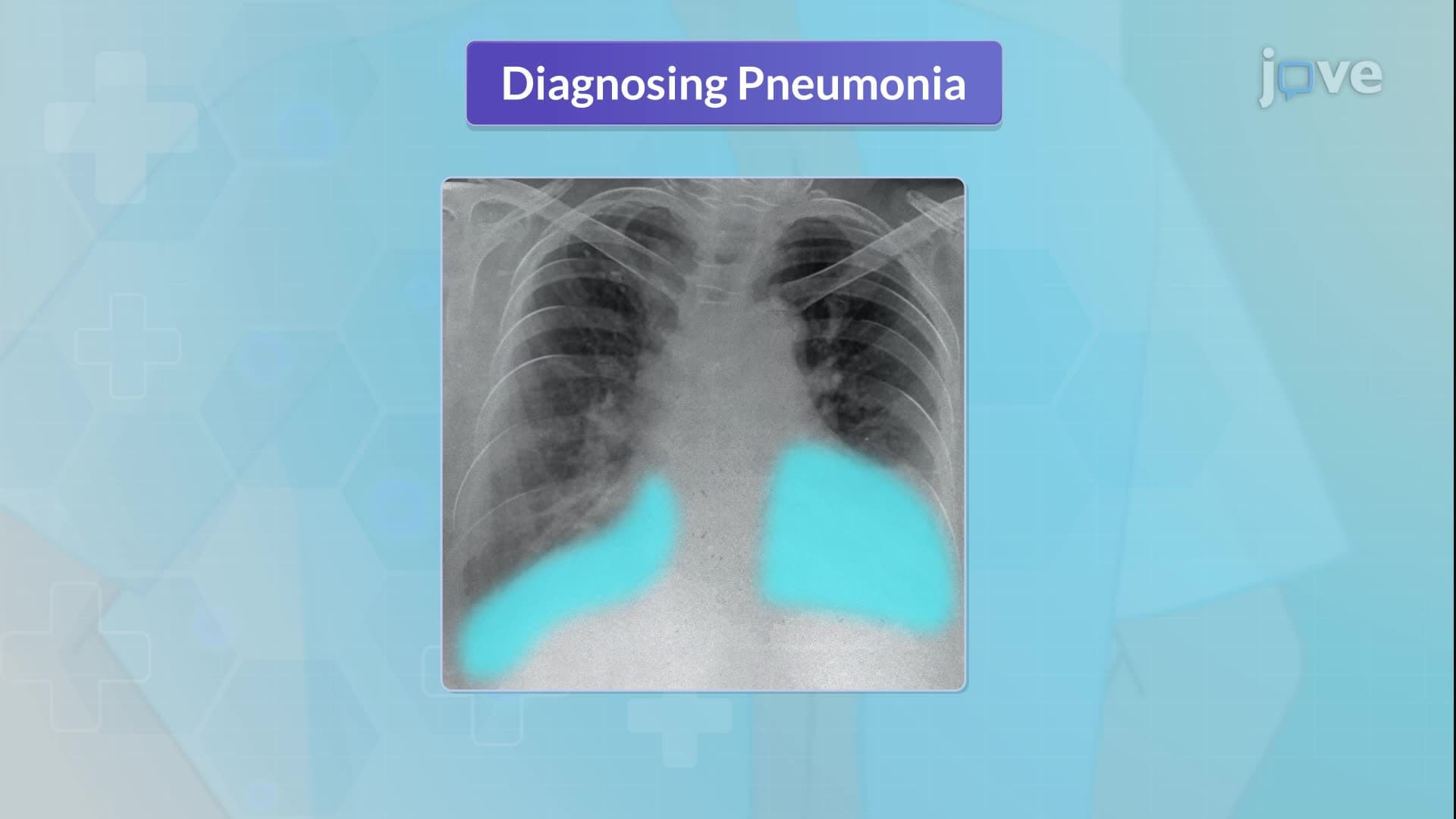
This caseous material can erode into bronchi, creating cavities that provide ideal conditions for rapid bacterial multiplication. These cavities explain tuberculosis's characteristic chest X-ray findings and its high contagiousness during active disease phases. Understanding this progression helps students appreciate why tuberculosis screening remains mandatory for healthcare workers and why certain populations require regular monitoring. The pathophysiology also explains treatment strategies, as different drug combinations target bacteria in various metabolic states within different granuloma environments.
Related Micro-courses