Loading video…


 15 Concepts
 10.4K views

Video Summary: What Is Pulmonary Tuberculosis Iii
Did you know that tuberculosis kills more people worldwide than any other infectious disease, yet many cases in the US go undetected for months? Pulmonary tuberculosis III represents the clinically active stage where patients show clear signs of TB infection with positive test results and visible lung damage. The CDC reports over 7,500 active TB cases annually in the United States, with states like California and Texas seeing the highest numbers. Watch the full video on JoVE Coach to master this concept with expert-led visuals and step-by-step explanations.
Pulmonary tuberculosis III falls within a standardized six-class system that healthcare providers use to categorize tuberculosis cases based on disease progression and clinical evidence. This classification system, widely adopted across US hospitals and clinics, helps medical professionals determine appropriate treatment protocols and public health measures.
Class III tuberculosis specifically indicates clinically active tuberculosis affecting the lungs. Unlike earlier classes where patients may show no symptoms or have latent infections, Class III represents the stage where tuberculosis has progressed to active disease with clear clinical manifestations.
The diagnosis of pulmonary tuberculosis III requires three types of evidence working together. Clinical evidence includes symptoms like persistent cough lasting more than three weeks, unexplained weight loss, night sweats, and fatigue. Patients often report chest pain and may cough up blood-tinged sputum.
Bacteriological evidence involves laboratory confirmation through sputum samples. Healthcare providers collect multiple sputum specimens for acid-fast bacilli (AFB) smears and mycobacterial cultures. Modern US laboratories also use molecular diagnostic tests like GeneXpert, which can detect TB bacteria and rifampin resistance within hours.
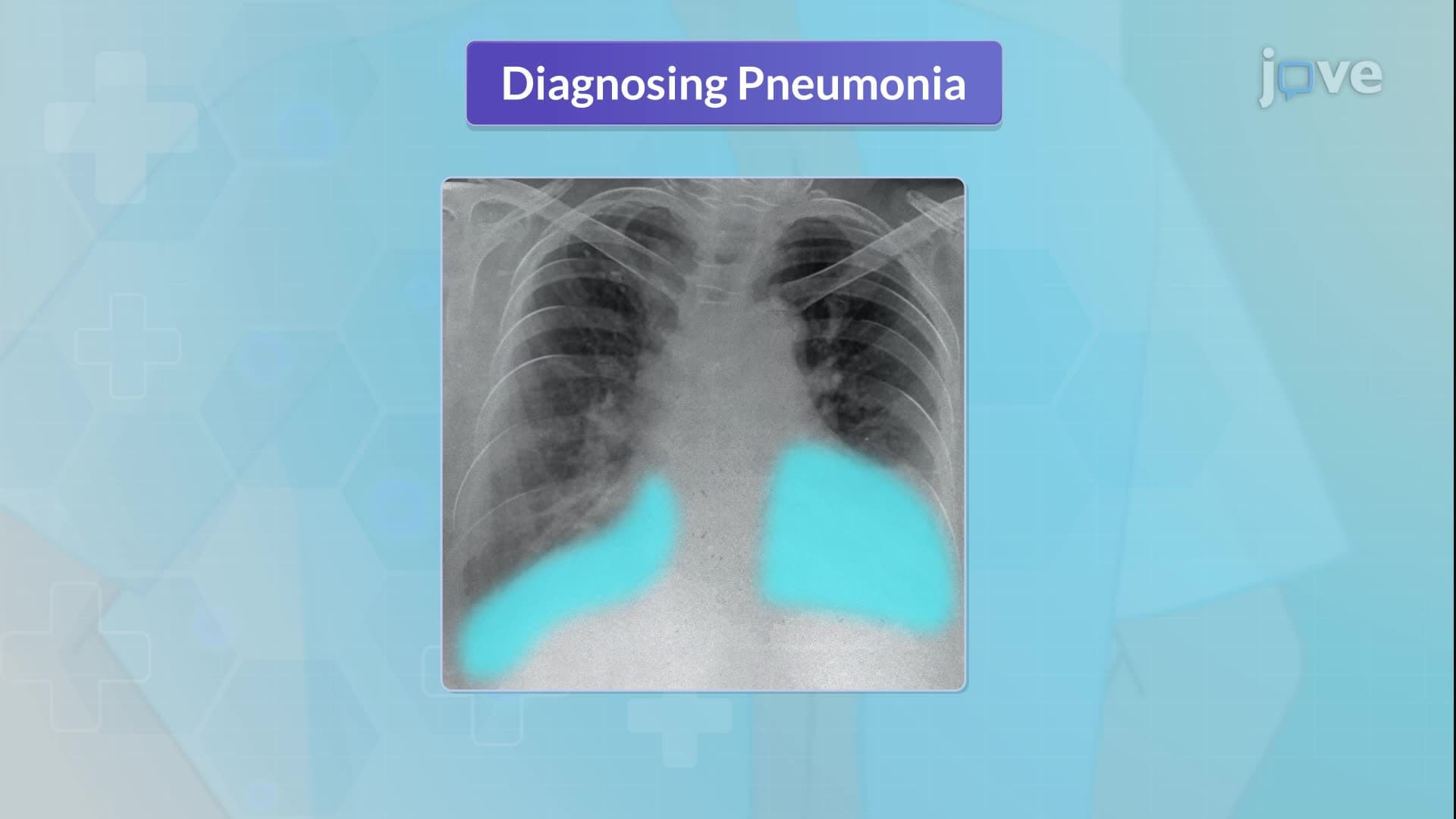
Radiographic evidence appears on chest X-rays as abnormal findings consistent with active tuberculosis. These may include cavitary lesions, infiltrates, or nodules, particularly in the upper lobes of the lungs. CT scans provide additional detail when X-ray findings are unclear.
Patients with pulmonary tuberculosis III pose significant transmission risks to their communities. The CDC estimates that one person with untreated pulmonary TB can infect 10-15 others annually. This makes rapid identification and treatment crucial for public health protection.
In academic settings, understanding Class III tuberculosis appears frequently on medical school exams including the USMLE Step 1 and Step 2. Nursing students encounter this concept on the NCLEX-RN, particularly in questions about infection control and respiratory disorders. Pre-health undergraduates studying for the MCAT should focus on the pathophysiology and epidemiological aspects of active tuberculosis.
US healthcare facilities follow strict protocols when managing Class III TB patients, including airborne isolation precautions until patients complete at least two weeks of appropriate anti-tuberculosis therapy and show clinical improvement.
Related Micro-courses