Loading subject page…


10,394 views

Video Summary: What Is Pulmonary Tuberculosis V
Did you know that tuberculosis kills more people annually than any other infectious disease, yet it's completely curable with proper treatment? Pulmonary tuberculosis v represents the critical treatment management phase where healthcare teams coordinate complex medication regimens to combat this deadly respiratory infection. In cities like San Francisco, public health departments use Directly Observed Therapy (DOT) programs to ensure patients complete their full treatment course, preventing dangerous drug resistance. Understanding what is pulmonary tuberculosis v is essential for anyone pursuing healthcare careers or studying infectious disease management. Watch the full video on JoVE Coach to master this concept with expert-led visuals and step-by-step explanations.
What is pulmonary tuberculosis v encompasses the sophisticated, evidence-based approach to treating one of humanity's oldest killers. This collaborative care model represents a critical evolution in infectious disease management, where multiple healthcare disciplines coordinate to ensure successful treatment outcomes. In the United States, this approach has reduced TB mortality rates by over 95% since the 1990s, demonstrating its life-saving effectiveness.
The foundation of tuberculosis treatment lies in understanding bacterial sensitivity patterns. Drug-susceptible TB responds to first-line medications: Isoniazid disrupts cell wall synthesis, Rifampin blocks RNA polymerase, Pyrazinamide works in acidic environments, and Ethambutol prevents cell wall formation. Students preparing for the MCAT should remember this "RIPE" acronym (Rifampin, Isoniazid, Pyrazinamide, Ethambutol) as it frequently appears on standardized exams.
Treatment follows a precise two-phase protocol. The initial intensive phase lasts eight weeks with all four drugs administered daily, targeting rapidly multiplying bacteria. The continuation phase extends four to seven months using only Isoniazid and Rifampin to eliminate dormant organisms. This extended timeline often challenges patient compliance, making the treatment's collaborative aspects crucial.
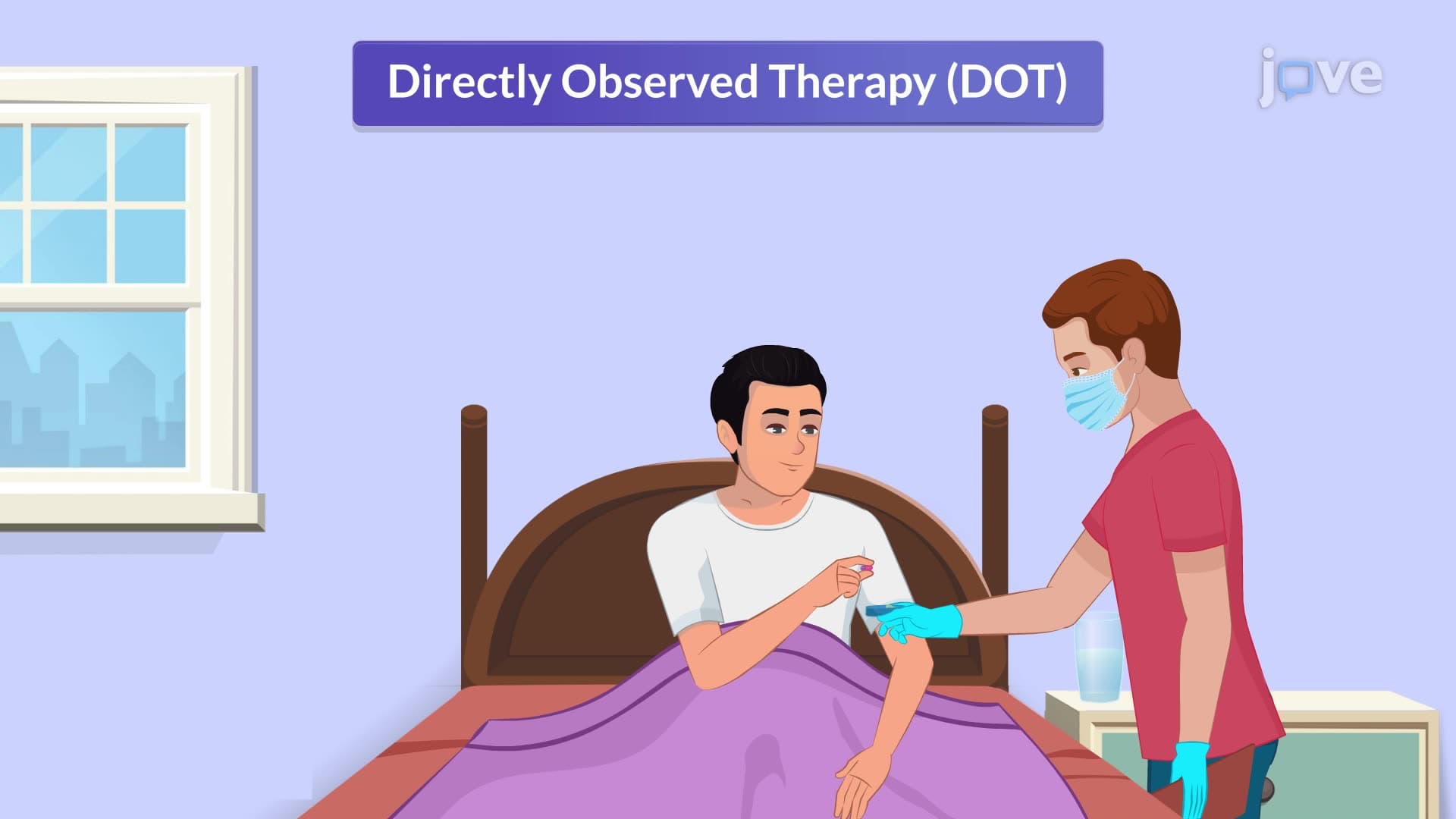
DOT represents a cornerstone intervention where trained observers watch patients swallow medications. In major US cities like New York and Los Angeles, public health departments employ community health workers who visit patients daily during the intensive phase. This strategy addresses the sobering reality that 40-60% of TB patients abandon treatment when left unsupervised, leading to treatment failure and dangerous drug resistance.
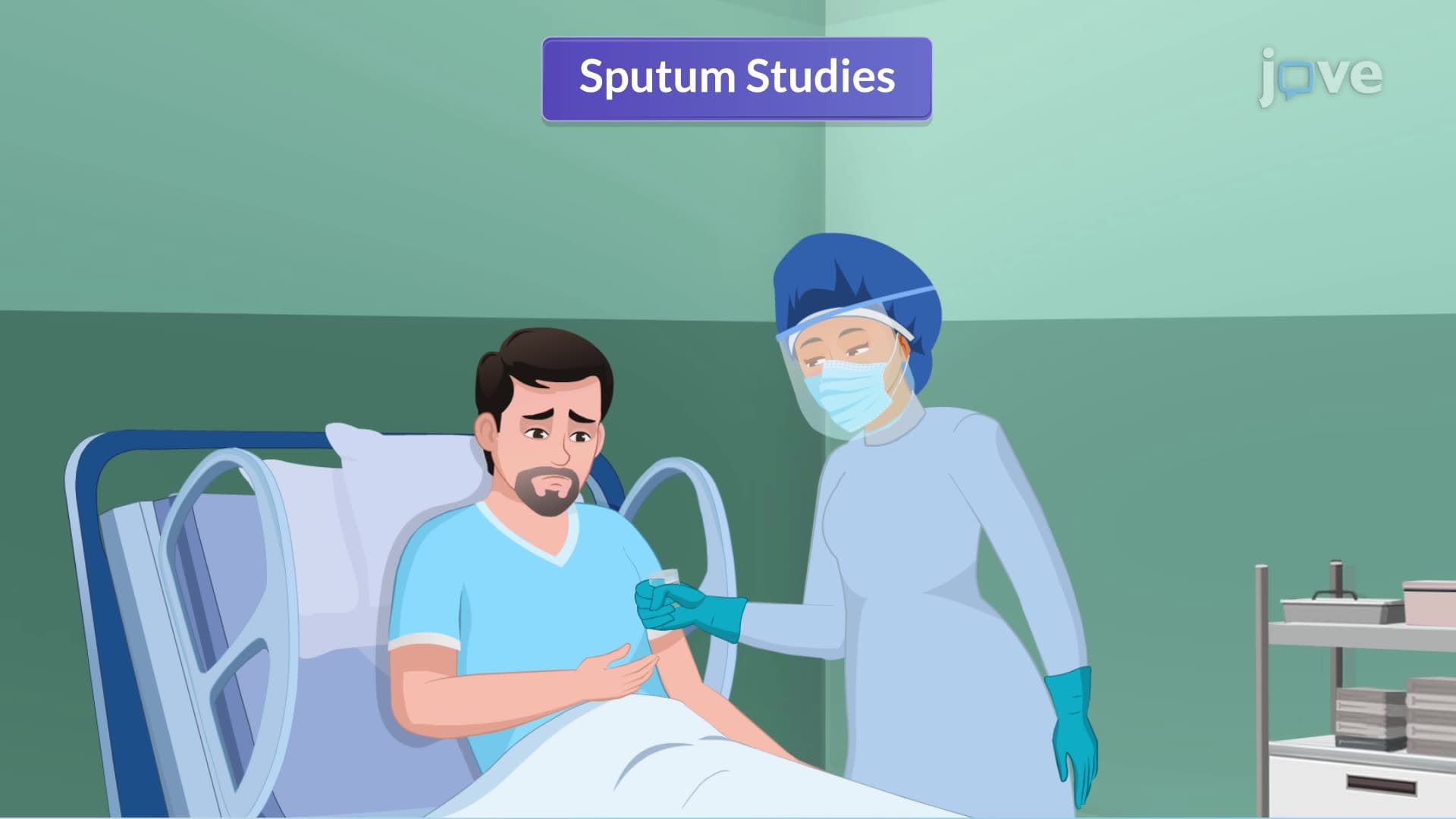
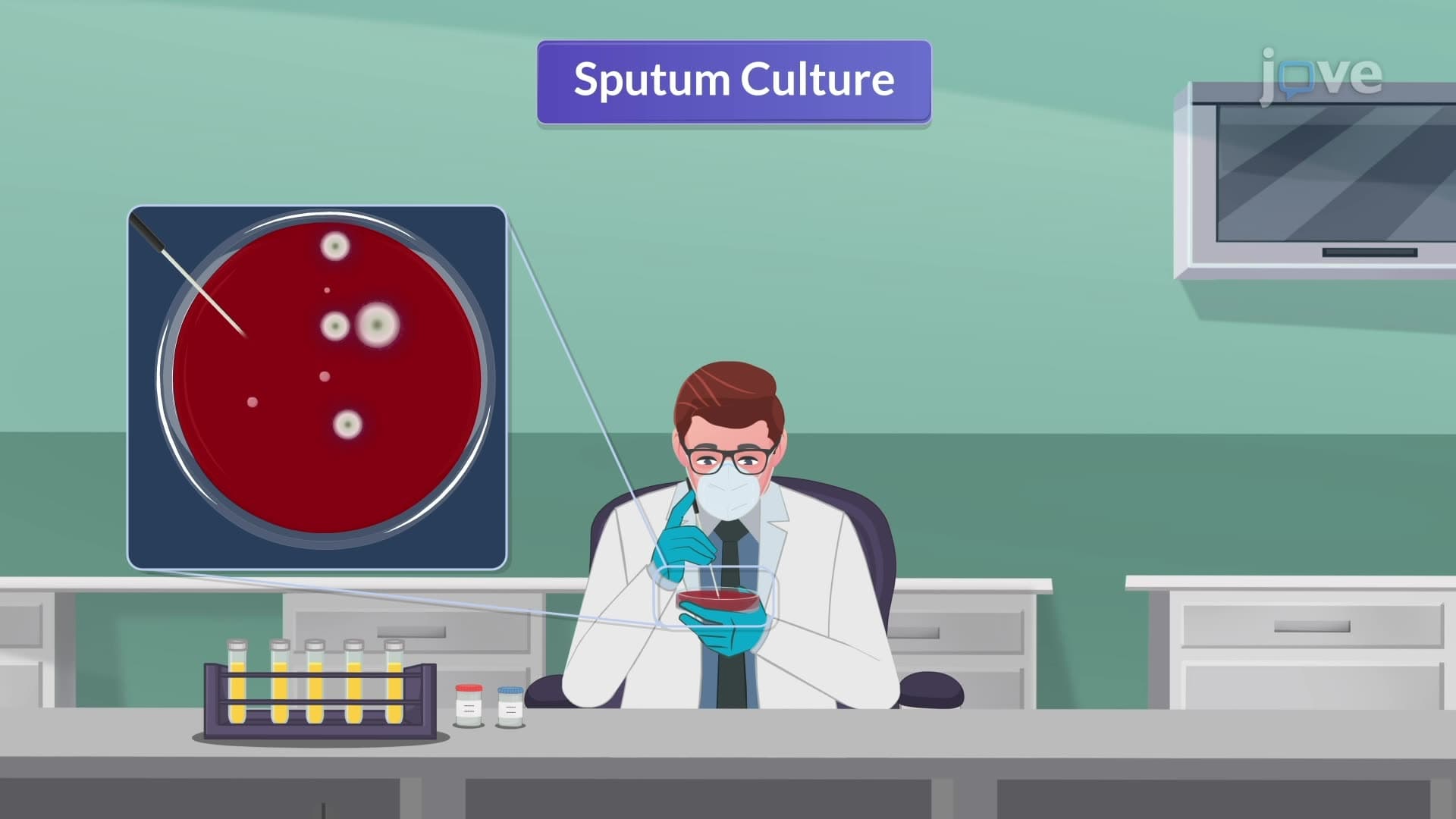
Successful tuberculosis management requires rigorous monitoring. Monthly sputum cultures track bacterial clearance, while liver enzyme monitoring (ALT, AST) detects medication hepatotoxicity. Kidney function assessments (creatinine, BUN) ensure safe drug clearance. Nursing students should understand that this monitoring continues throughout treatment, as anti-TB medications can cause significant side effects requiring immediate intervention.
For AP Biology students studying infectious diseases, tuberculosis exemplifies how bacterial evolution creates clinical challenges. When patients don't complete treatment, surviving bacteria develop resistance mechanisms, creating strains requiring expensive second-line drugs like Fluoroquinolones, which have higher toxicity profiles and longer treatment durations.
Related Micro-courses