Loading subject page…


35,512 views


Video Summary: Asthma Iii Symptoms and Complications Explained
Nearly 25 million Americans live with asthma, yet many don't recognize that a persistent nighttime cough could signal this serious respiratory condition. Understanding asthma iii symptoms and complications becomes crucial when you consider that poorly managed cases can escalate to life-threatening emergencies like status asthmaticus, as seen in emergency departments across hospitals like Johns Hopkins and Mayo Clinic. This comprehensive guide breaks down how asthma manifests from intermittent symptoms to severe complications. Watch the full video on JoVE Coach to master this concept with expert-led visuals and step-by-step explanations.
Asthma severity classification forms the foundation of modern respiratory medicine, directly impacting treatment protocols used in major US medical centers like Cleveland Clinic and Mass General Brigham. The primary distinction between intermittent and persistent asthma helps healthcare providers determine appropriate medication regimens and monitoring schedules. Intermittent asthma typically involves symptoms occurring twice weekly or less, while persistent asthma requires daily management strategies.
The five cardinal symptoms of asthma create a complex clinical picture that medical students encounter frequently on MCAT practice exams and in college-level anatomy and physiology courses. Persistent coughing, particularly prominent during nighttime hours, often serves as the initial presenting symptom in pediatric cases treated at children's hospitals like Boston Children's Hospital. This nocturnal pattern occurs due to circadian rhythm changes in airway inflammation and hormone levels.
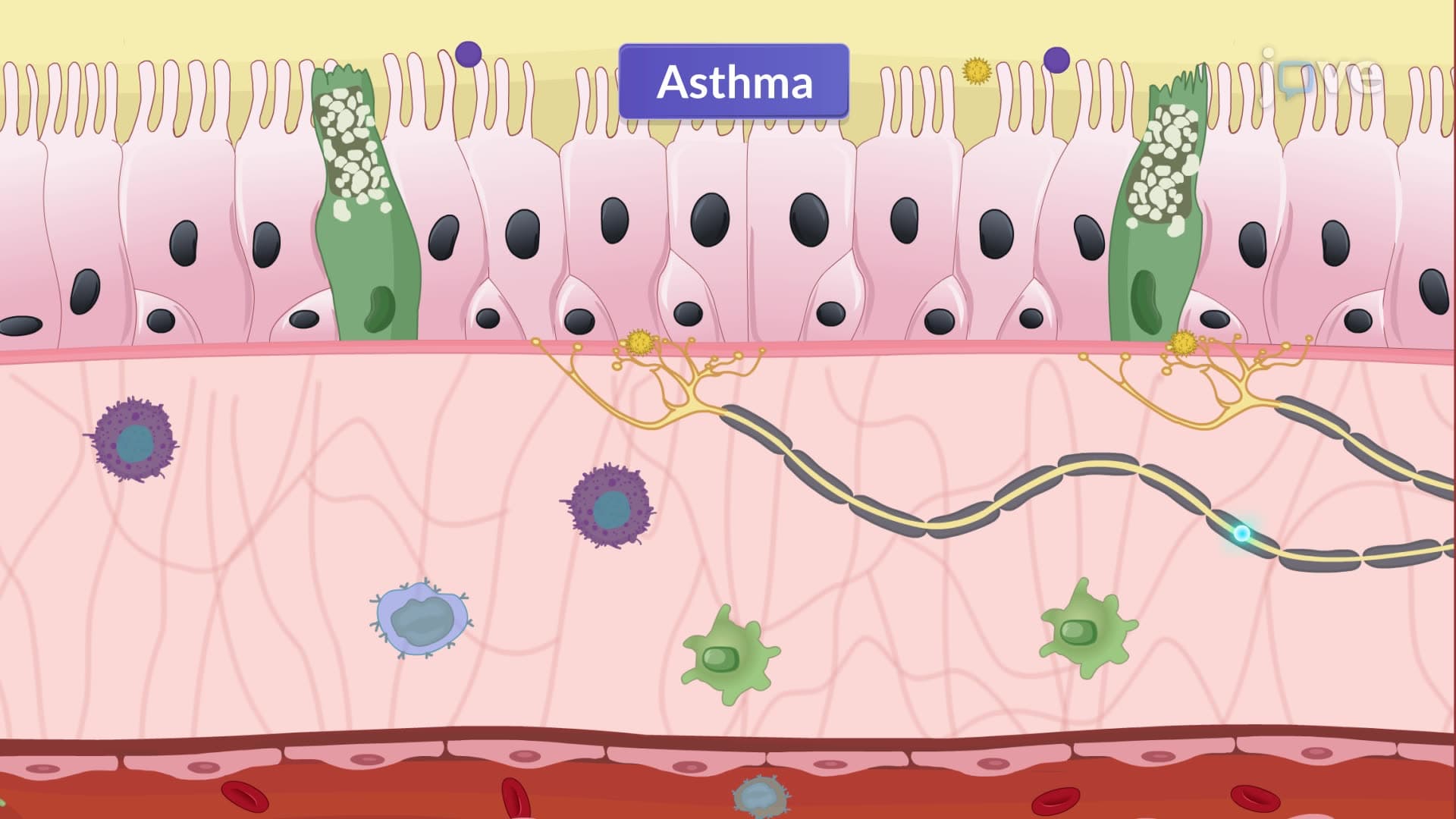
Excessive mucus production represents another critical manifestation, creating the thick, sticky secretions that obstruct normal airway clearance mechanisms. When patients cannot effectively clear these secretions through normal coughing, the resulting congestion leads to the characteristic wheezing sound-a high-pitched whistle during exhalation that emergency room physicians at institutions like Emory University Hospital use for rapid diagnosis.
Cold climate exposure and air pollutant contact significantly impact asthma symptom severity, particularly relevant for students studying environmental health in AP Environmental Science courses. Cities with high pollution levels, such as Los Angeles or Houston, demonstrate higher asthma emergency department visits during smog alerts. Understanding these environmental correlations helps pre-med students prepare for MCAT passages linking respiratory physiology with public health outcomes.
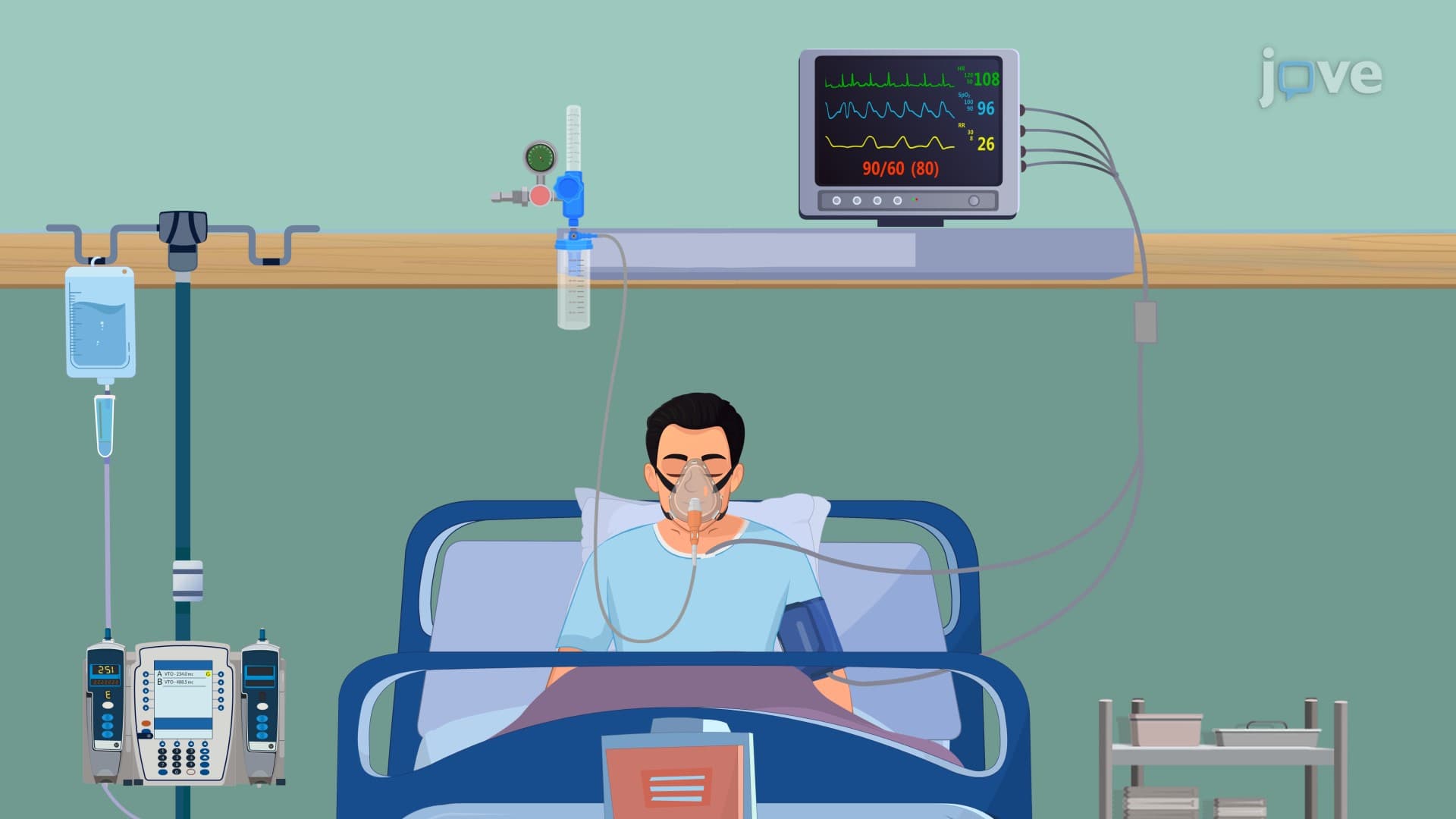
Poorly managed asthma progresses through predictable stages, culminating in life-threatening complications that nursing students encounter on NCLEX-RN examinations. Reduced lung function develops gradually, measured through spirometry tests commonly discussed in college respiratory therapy programs. More acute complications include atelectasis (lung collapse), pneumonia from impaired clearance mechanisms, and the medical emergency known as status asthmaticus-a severe, prolonged asthma attack requiring immediate intensive care intervention at major trauma centers like Shock Trauma in Baltimore.
Related Micro-courses