Loading subject page…


35,512 views


Video Summary: Asthma Iv Diagnostic and Management Explained
Did you know that over 25 million Americans live with asthma, yet many cases remain undiagnosed or poorly managed? Asthma IV diagnostic and management represents a systematic approach healthcare providers use to identify and treat this chronic respiratory condition. Consider a high school athlete in Texas who experiences breathing difficulties during track practice-proper diagnostic protocols and management strategies can mean the difference between a limited lifestyle and athletic success. Asthma IV diagnostic and management explained encompasses comprehensive evaluation methods, from spirometry testing to targeted pharmacological interventions. Watch the full video on JoVE Coach to master this concept with expert-led visuals and step-by-step explanations.
Asthma diagnosis and management requires a methodical approach that combines clinical expertise with objective testing. Healthcare providers in the United States follow evidence-based protocols established by organizations like the National Heart, Lung, and Blood Institute (NHLBI) to ensure accurate diagnosis and effective treatment outcomes.
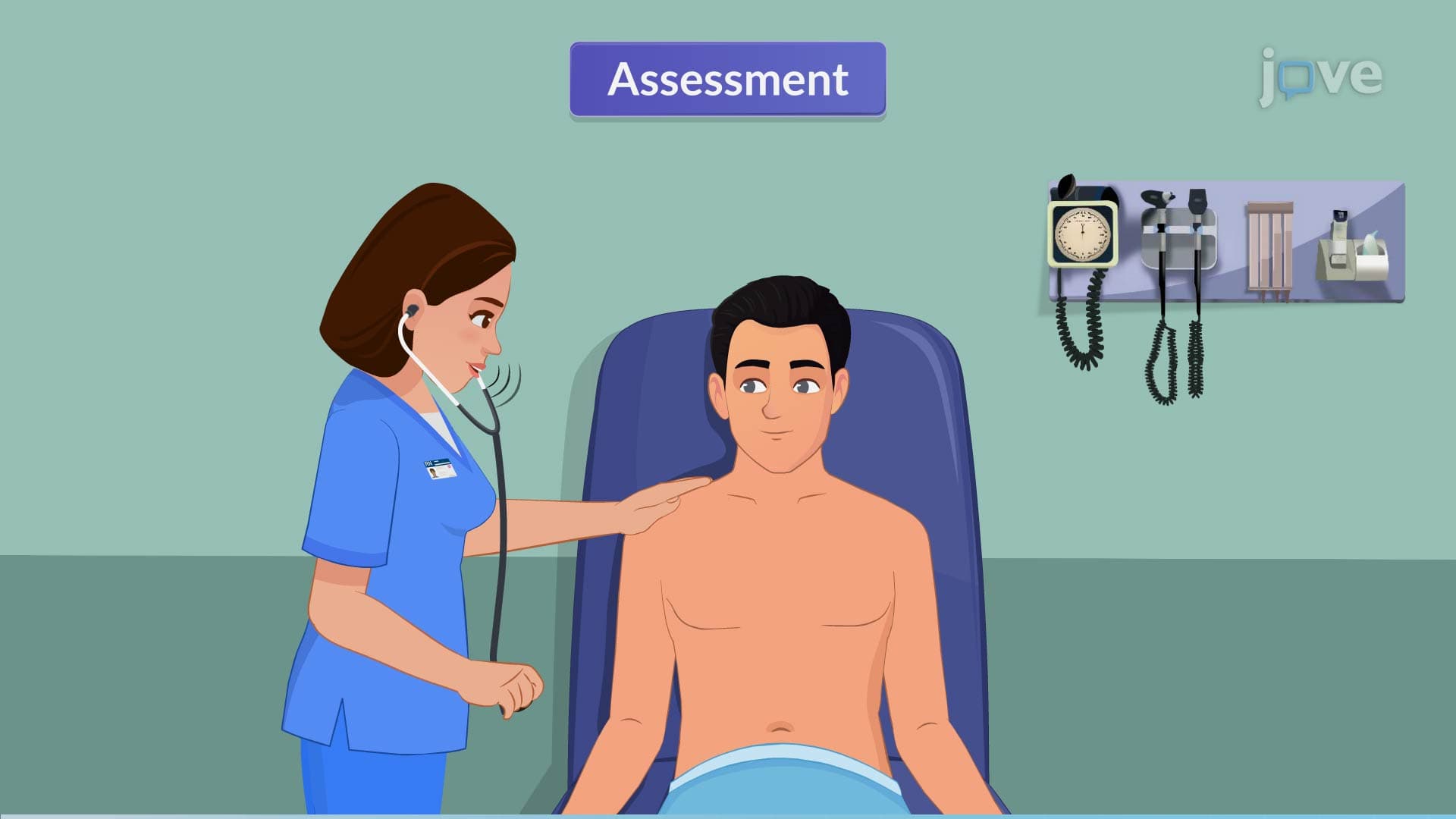
The diagnostic process begins with a comprehensive patient history focusing on characteristic symptoms: wheezing, chest tightness, shortness of breath during minimal exertion, and productive cough patterns. These symptoms often follow circadian rhythms, with many patients experiencing worse symptoms at night or early morning.
Pulmonary function testing forms the cornerstone of objective assessment. Spirometry measures forced expiratory volume in one second (FEV1) and forced vital capacity (FVC), with an FEV1/FVC ratio below 0.70 suggesting airway obstruction. Peak flow monitoring provides ongoing assessment capability, particularly valuable for students managing asthma during the school day. Advanced testing includes methacholine or exercise challenge tests, which deliberately induce bronchoconstriction to measure airway hyperresponsiveness-a hallmark of asthma pathophysiology.
Laboratory investigations complement clinical findings. Elevated eosinophil counts (>4% of total white blood cells) suggest allergic asthma, while specific IgE testing identifies environmental triggers like dust mites, pet dander, or seasonal pollens common in different US regions. For instance, ragweed sensitivity peaks in Midwestern states during late summer.
Treatment follows a stepwise approach based on severity classification. Long-term control medications prevent symptoms and reduce airway inflammation. Inhaled corticosteroids like fluticasone or budesonide serve as first-line therapy, often combined with long-acting beta-2 agonists (LABAs) such as salmeterol for moderate-to-severe cases.
Leukotriene modifiers like montelukast offer alternative anti-inflammatory effects, particularly beneficial for exercise-induced asthma common among high school athletes. Quick-relief medications address acute symptoms, with short-acting beta-2 agonists (albuterol) providing rapid bronchodilation within minutes.
This content directly applies to several standardized examinations. MCAT passages frequently test understanding of respiratory physiology and pharmacology. AP Biology covers cellular mechanisms of inflammation and drug action. College-level pathophysiology courses examine the relationship between genetic predisposition, environmental triggers, and disease manifestation. Nursing students preparing for NCLEX examinations must understand medication administration techniques and patient education priorities for chronic disease management.
Related Micro-courses