Loading subject page…

- Medical Surgical Nursing
- Obstructive Pulmonary Diseases
- Chronic Obstructive Pulmonary Disease-V: Nursing Management
Micro-course: Obstructive Pulmonary Diseases
35,512 views
Learn key concepts and earn your certificate.





Chronic Obstructive Pulmonary Disease-V: Nursing Management


00:00
01:30
Video Summary: Chronic Obstructive Pulmonary Disease V Explained
Did you know that chronic obstructive pulmonary disease (COPD) affects over 16 million Americans, making it the fourth leading cause of death nationwide? Chronic Obstructive Pulmonary Disease V focuses on the essential nursing management strategies that healthcare professionals use to care for COPD patients in hospitals like Cleveland Clinic and Mayo Clinic. This comprehensive approach involves systematic assessment, targeted interventions, and continuous evaluation to optimize patient outcomes. Watch the full video on JoVE Coach to master this concept with expert-led visuals and step-by-step explanations.
- Understand the five-step nursing management process for Chronic Obstructive Pulmonary Disease V and its clinical significance
- Identify key assessment parameters including risk factors, physical examination findings, and diagnostic indicators
- Analyze common nursing diagnoses such as ineffective airway clearance and impaired gas exchange in COPD patients
- Apply evidence-based interventions including positioning techniques, breathing exercises, and airway clearance methods
- Evaluate patient responses to treatments and recognize when care plan modifications are necessary
- Recognize the importance of collaborative goal-setting between nurses and patients for optimal outcomes
- Compare different therapeutic positioning techniques like tripod position for lung expansion
- Explore the connection between pathophysiology and nursing interventions in COPD management
Understanding Chronic Obstructive Pulmonary Disease V in Clinical Practice
Chronic Obstructive Pulmonary Disease V represents a systematic approach to nursing management that transforms theoretical knowledge into practical patient care. This evidence-based framework is essential for students preparing for the NCLEX-RN exam and those enrolled in nursing fundamentals courses across US institutions like Johns Hopkins School of Nursing and University of Pennsylvania.
Comprehensive Assessment: The Foundation of COPD Care
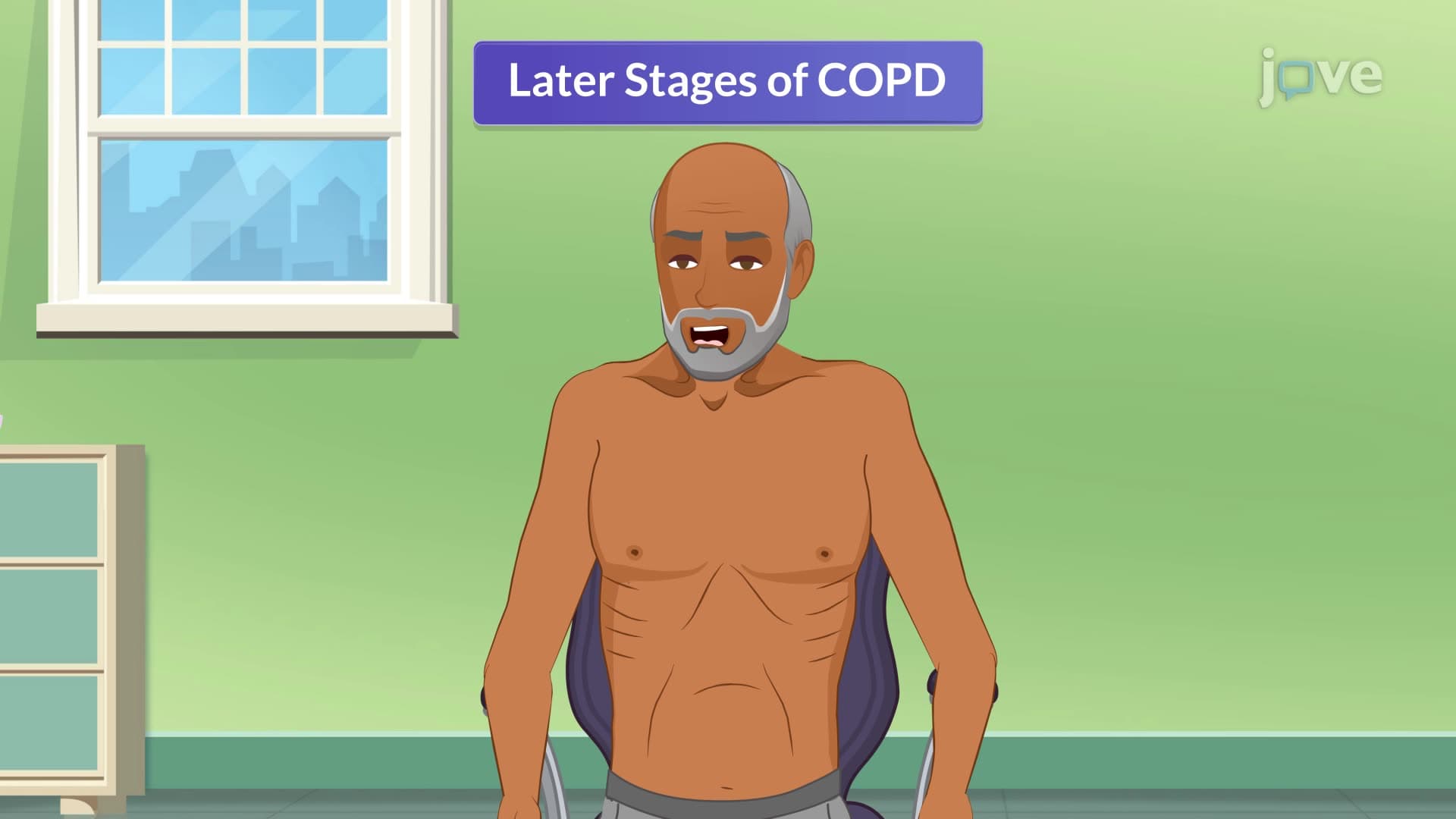
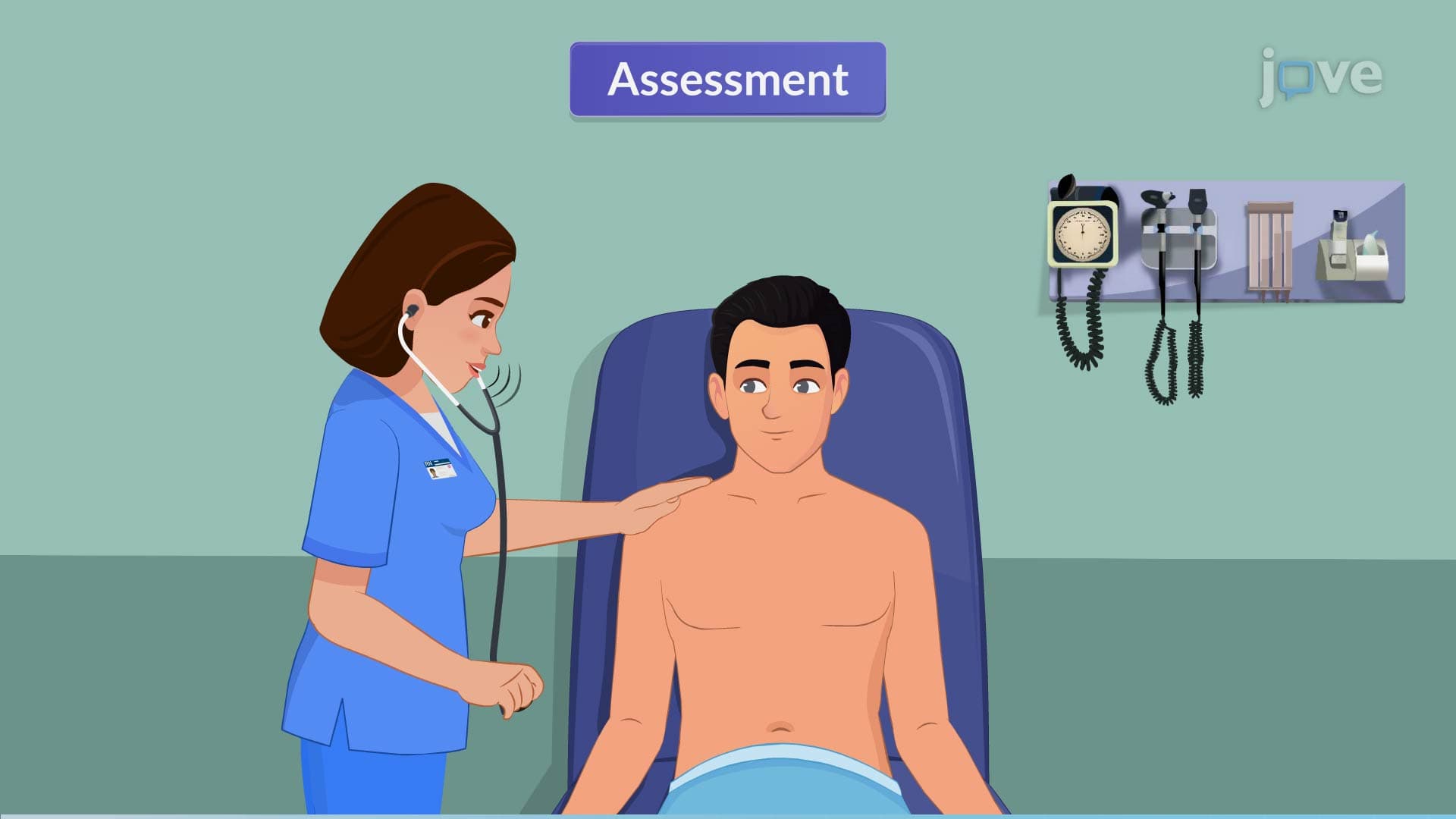
The assessment phase encompasses both subjective and objective data collection. Nurses evaluate smoking history (pack-years), occupational exposures like asbestos or coal dust, and previous hospitalizations. Physical examination reveals characteristic findings: barrel chest configuration, use of accessory muscles, and adventitious lung sounds like wheezes or rhonchi. Vital signs often show tachypnea and potential hypoxemia, requiring pulse oximetry monitoring. This systematic approach aligns with NCLEX test plans that emphasize physiological integrity and health promotion.
Critical Nursing Diagnoses and Patient Outcomes
Two primary nursing diagnoses dominate COPD care planning. "Ineffective airway clearance related to increased mucus production" manifests through observable signs like productive cough and decreased oxygen saturation below 90%. "Impaired gas exchange related to ventilation-perfusion mismatch" presents with hypoxemia and abnormal arterial blood gas results showing elevated CO2 levels above 45 mmHg. These diagnoses guide targeted interventions and appear frequently on HESI A2 and TEAS exams.
Evidence-Based Interventions for Optimal Outcomes
Therapeutic interventions focus on improving ventilation and airway clearance. The tripod position-leaning forward with arms supported-optimizes diaphragmatic excursion and reduces work of breathing. Pursed-lip breathing creates positive end-expiratory pressure, preventing airway collapse during expiration. Postural drainage with chest percussion mobilizes secretions from specific lung segments. These techniques are fundamental concepts tested on AP Biology exams and nursing school clinical competency assessments.
Evaluation and Care Plan Modification
Continuous evaluation ensures interventions remain effective. Nurses monitor respiratory rate, oxygen saturation trends, and patient-reported dyspnea levels using standardized scales. Documentation requirements follow The Joint Commission standards, emphasizing measurable outcomes and evidence-based practice modifications when goals aren't met.
Frequently Asked Questions
Chronic Obstructive Pulmonary Disease V specifically refers to the nursing management framework rather than the disease process itself. This systematic five-step approach (assessment, diagnosis, planning, implementation, evaluation) provides structure for delivering comprehensive patient care. It emphasizes practical nursing interventions like positioning, breathing techniques, and airway clearance rather than just understanding disease mechanisms.
NCLEX questions often present COPD scenarios requiring prioritization of nursing interventions and evaluation of patient responses. You'll encounter questions about positioning techniques, breathing exercises, and recognizing complications like respiratory acidosis. The exam emphasizes safety, infection control, and patient education components of COPD management.
HESI A2 commonly tests tripod positioning, pursed-lip breathing techniques, and airway clearance methods including postural drainage. Questions often ask students to identify priority interventions for patients with specific oxygen saturation levels or arterial blood gas results. Medication administration timing and patient teaching scenarios are also frequent topics.
Major medical centers use standardized protocols based on evidence-based guidelines from the American Thoracic Society. Nurses follow structured assessment tools, implement respiratory therapy collaboration, and use electronic health records to track patient outcomes. Quality metrics include readmission rates, length of stay, and patient satisfaction scores related to breathing comfort.
Basic understanding of respiratory anatomy and gas exchange principles provides sufficient foundation for nursing management concepts. Focus on normal versus abnormal assessment findings, therapeutic positioning rationales, and intervention outcomes rather than complex molecular mechanisms. Most nursing programs introduce these concepts in fundamentals courses before requiring deeper pathophysiology knowledge.
Create concept maps linking assessment findings to nursing diagnoses and corresponding interventions. Practice prioritization scenarios using ABC (airway, breathing, circulation) principles. Use NCLEX-style practice questions to reinforce critical thinking about patient responses to treatments and when to modify care plans.
This foundational framework builds toward mechanical ventilation management, pulmonary rehabilitation principles, and complex medication protocols in critical care settings. Students progress from basic positioning and breathing techniques to advanced concepts like non-invasive positive pressure ventilation and arterial blood gas interpretation in intensive care units.
Specialized roles include pulmonary rehabilitation coordinators, respiratory clinical nurse specialists, and case managers for chronic disease programs. Advanced practice opportunities encompass nurse practitioner positions in pulmonology clinics and research roles investigating new COPD treatment modalities at institutions like National Jewish Health in Denver.
Related Micro-courses
7 Concepts
10 Concepts