Loading subject page…


35,512 views


Video Summary: What Is Asthma I Introduction
Did you know that over 25 million Americans live with asthma, making it one of the most common chronic conditions affecting students nationwide? Understanding asthma i introduction reveals how this inflammatory lung disease creates hyperresponsive airways that trigger recurring symptoms like wheezing and shortness of breath. For instance, many high school athletes in states like California experience exercise-induced symptoms due to poor air quality combined with physical exertion. Watch the full video on JoVE Coach to master this concept with expert-led visuals and step-by-step explanations.
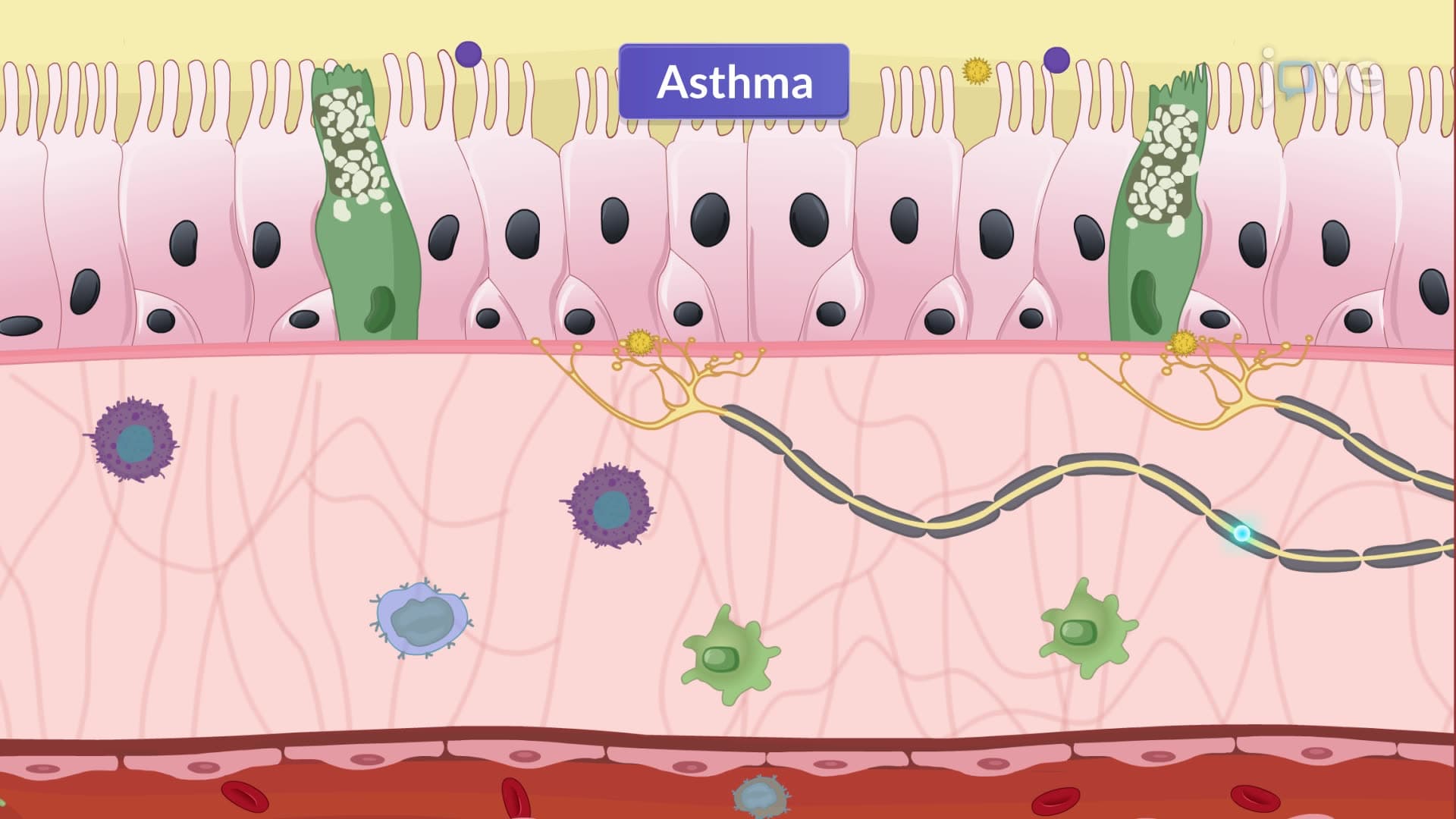
What is asthma i introduction begins with recognizing asthma as a complex chronic inflammatory disease affecting the respiratory system. Unlike simple breathing difficulties, asthma involves a triad of pathophysiological changes: airway hyperresponsiveness (where airways overreact to stimuli), mucosal inflammation and swelling, and excessive mucus production that narrows breathing passages. This asthma i introduction definition forms the cornerstone for understanding why symptoms occur cyclically and why management requires ongoing attention.
The asthma i introduction overview reveals how inflammatory processes create the characteristic symptoms students encounter in AP Biology and college-level physiology courses. When triggered, inflammatory mediators cause smooth muscle constriction around airways, while increased vascular permeability leads to tissue swelling. Simultaneously, goblet cells overproduce thick mucus, creating the perfect storm for airway obstruction. This explains why patients experience the classic tetrad: persistent coughing (especially at night), chest tightness described as a "band around the chest," audible wheezing sounds, and dyspnea (shortness of breath).
For students preparing for MCAT or nursing entrance exams like HESI A2, understanding asthma i introduction basics requires recognizing the multifactorial nature of triggers. Respiratory infections, particularly rhinoviruses causing common colds, represent the most frequent precipitating factor. Environmental triggers vary by geographic location-students in Los Angeles face different challenges from particulate matter and smog compared to those in humid southeastern states dealing with mold and dust mites.
The asthma i introduction concept extends to occupational hazards, particularly relevant for students considering healthcare careers. Healthcare workers may develop occupational asthma from latex exposure, while future teachers might encounter classroom allergens. Exercise-induced bronchoconstriction affects up to 15% of the general population, making it especially relevant for student athletes preparing for college sports.
Advanced asthma i introduction study guide concepts include understanding how comorbidities complicate management. Gastroesophageal reflux disease (GERD) affects nearly 75% of asthma patients, creating a bidirectional relationship where acid reflux triggers bronchospasm, while asthma medications can worsen reflux. Obesity increases asthma severity through mechanical effects on lung function and pro-inflammatory adipokine release-concepts frequently tested on nursing exams like NCLEX.
Related Micro-courses