Loading subject page…


35,512 views

Video Summary: What Is Asthma Iv Nursing Management
Did you know that approximately 1 in 13 Americans lives with asthma, making emergency department visits for severe exacerbations increasingly common? Asthma IV nursing management involves the systematic care of patients receiving intravenous medications during acute asthma episodes, particularly in hospital settings like those at Cleveland Clinic. Understanding what is Asthma IV nursing management requires mastering assessment techniques, medication administration protocols, and patient monitoring strategies that can literally save lives during respiratory crises. Watch the full video on JoVE Coach to master this concept with expert-led visuals and step-by-step explanations.
What is Asthma IV nursing management represents a specialized area of respiratory nursing that focuses on patients requiring intravenous medications for severe asthma exacerbations. This comprehensive approach integrates advanced assessment skills, pharmacological knowledge, and therapeutic communication to manage life-threatening bronchospasm episodes that don't respond to standard inhaled treatments.
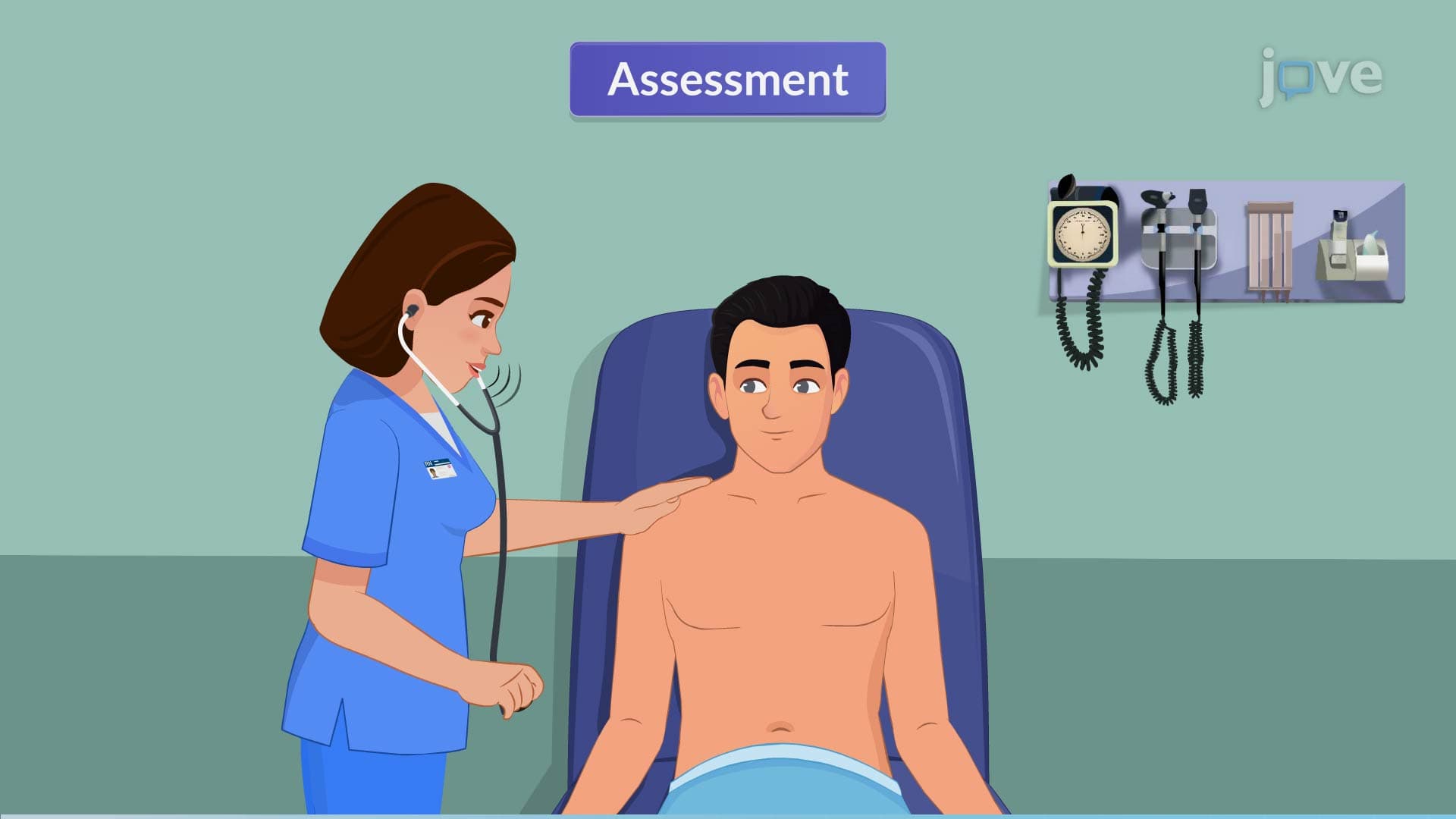
The foundation of effective asthma IV nursing management begins with rapid yet thorough assessment. Nurses must quickly evaluate respiratory status using tools like the Asthma Severity Index, commonly referenced in NCLEX-RN examinations. Key assessment parameters include peak expiratory flow rates, oxygen saturation levels, and the presence of accessory muscle use. For instance, at Johns Hopkins Hospital's emergency department, nurses routinely assess for "tripod positioning", a classic sign indicating severe respiratory distress requiring immediate IV intervention.
Priority nursing diagnoses often include "Ineffective Breathing Pattern" and "Impaired Gas Exchange," both frequently tested concepts on the HESI A2 and TEAS nursing entrance exams. Understanding these diagnoses helps students recognize when patients transition from mild exacerbations manageable with inhalers to severe cases requiring IV methylprednisolone or magnesium sulfate.
The implementation phase involves administering IV medications while continuously monitoring for both therapeutic effects and adverse reactions. Common IV treatments include corticosteroids like prednisolone, bronchodilators such as terbutaline, and in severe cases, magnesium sulfate for its smooth muscle relaxation properties. Nurses at facilities like Mayo Clinic follow strict protocols for medication timing, dosage calculations, and patient response evaluation.
A crucial but often overlooked component involves addressing patient anxiety during acute episodes. The psychological impact of feeling unable to breathe can create a cycle of panic that worsens bronchospasm. Nurses implement anxiety-reduction techniques including guided breathing exercises and therapeutic communication, skills emphasized in both AP Psychology coursework and college-level nursing fundamentals courses.
This comprehensive approach to asthma IV nursing management prepares future nurses for real-world scenarios where quick thinking and systematic intervention can mean the difference between recovery and respiratory failure.
Related Micro-courses