Loading subject page…


11,368 views


Video Summary: What Is Chronic Pharyngitis
Did you know that chronic throat irritation affects nearly 10% of American adults, often misdiagnosed as recurring strep throat? Chronic pharyngitis involves persistent inflammation of the pharynx that can last for months, unlike acute infections that resolve within days. For instance, teachers in Los Angeles frequently develop this condition due to prolonged voice use and exposure to classroom allergens. Watch the full video on JoVE Coach to master this concept with expert-led visuals and step-by-step explanations.
Chronic pharyngitis represents a complex inflammatory condition affecting the pharynx-the muscular tube connecting the nasal cavity to the esophagus. Unlike acute pharyngitis that typically resolves within 7-10 days, chronic pharyngitis persists for weeks to months, creating ongoing discomfort and potential complications. This condition frequently appears on MCAT passages and AP Biology exams when discussing inflammatory responses and respiratory system pathology.
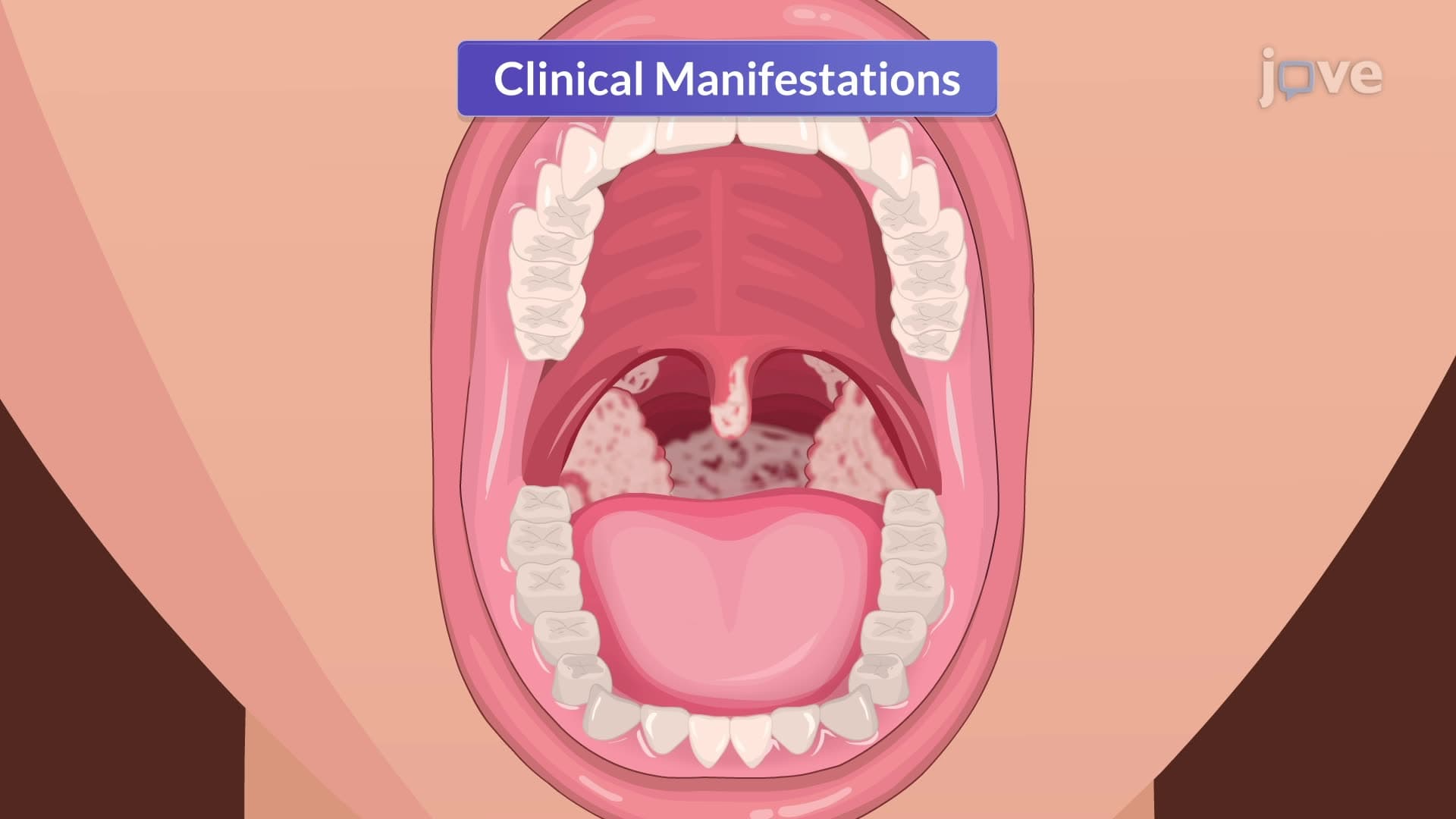
Medical professionals classify chronic pharyngitis into three distinct types based on tissue changes. Hypertrophic pharyngitis involves thickening of pharyngeal tissues due to chronic irritation, commonly seen in smokers and individuals with occupational exposure to irritants. The pharyngeal mucosa becomes congested and swollen, resembling the tissue changes observed in chronic bronchitis.
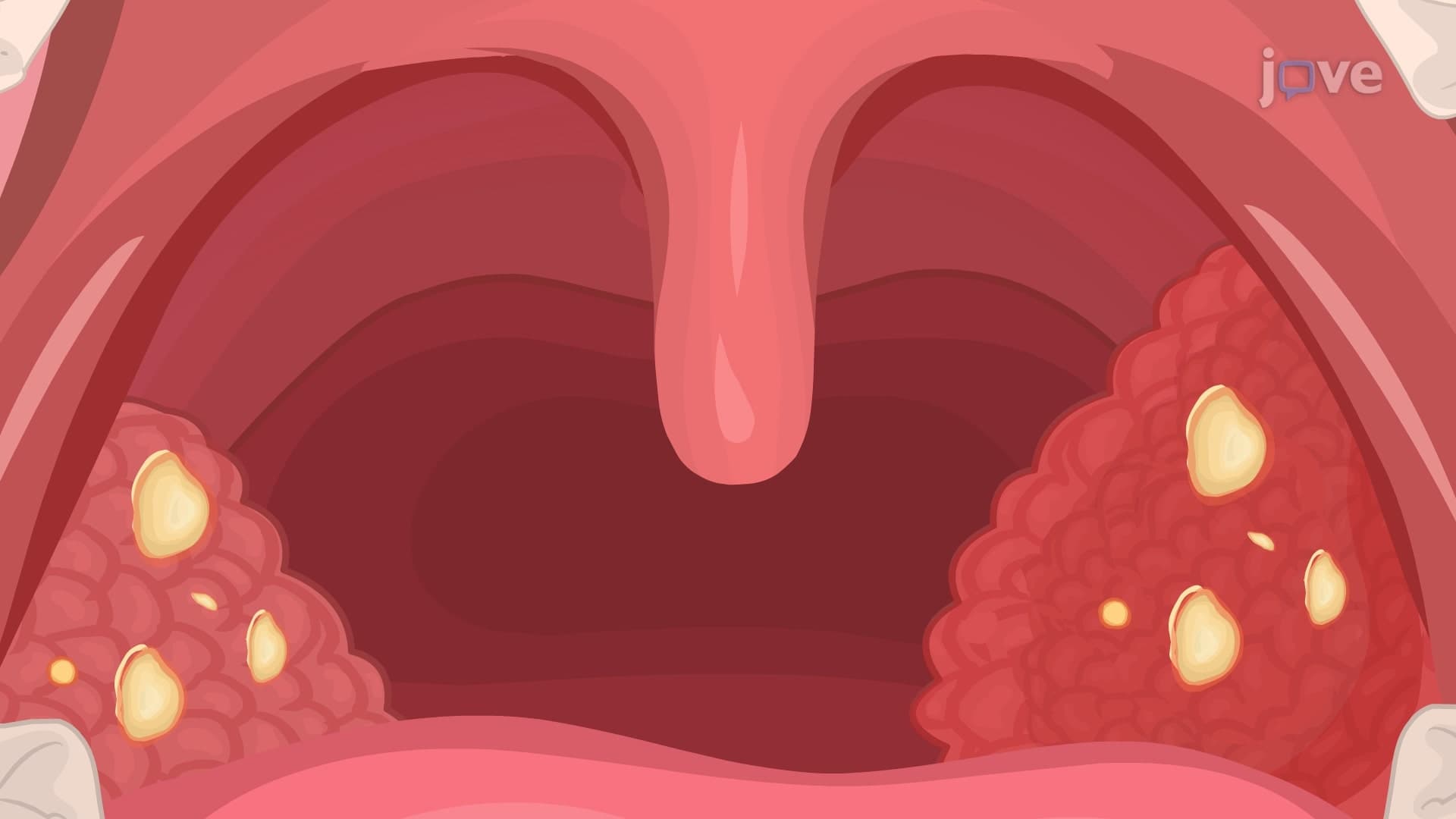
Atrophic pharyngitis presents the opposite pattern-thinning of pharyngeal tissues that appear whitish and wrinkled. This form often affects elderly patients or those with autoimmune conditions. Chronic granular pharyngitis features enlarged lymphoid follicles on the pharyngeal wall, representing the immune system's prolonged response to persistent irritation.
Environmental factors play crucial roles in chronic pharyngitis development. Air pollution in major US cities like Houston and Phoenix significantly increases incidence rates. Healthcare workers, teachers, and call center employees face occupational risks due to voice overuse and exposure to airborne irritants. Gastroesophageal reflux disease (GERD), affecting 20% of Americans, frequently contributes to chronic pharyngeal inflammation through acid exposure.
Allergic rhinitis, particularly common during spring pollen seasons across the Midwest and Southeast, creates postnasal drip that irritates pharyngeal tissues. Students preparing for the USMLE should note the connection between upper respiratory allergies and chronic pharyngeal symptoms in standardized patient scenarios.
Symptoms extend beyond simple sore throat to include dysphagia (difficulty swallowing), hoarseness, and cervical lymphadenopathy. Management focuses on identifying and eliminating causative factors rather than symptomatic treatment alone. Treatment protocols typically include environmental modifications, allergy management with antihistamines, and addressing underlying conditions like GERD or chronic sinusitis.
For college students studying pathophysiology, understanding chronic pharyngitis demonstrates how persistent inflammation leads to tissue remodeling-a concept applicable across multiple organ systems and frequently tested in advanced placement examinations.
Related Micro-courses