Loading subject page…


11,368 views


Video Summary: What Is Epistaxis
Did you know that one in seven Americans will experience a nosebleed this year, with most occurring during winter months? Epistaxis, the medical term for nosebleeds, results from ruptured blood vessels in the nasal mucous membrane. Emergency departments across the US treat thousands of epistaxis cases annually, from minor bleeds in children to severe posterior hemorrhages requiring immediate intervention. Watch the full video on JoVE Coach to master this concept with expert-led visuals and step-by-step explanations.
Epistaxis represents a common medical condition affecting millions of Americans annually. While often dismissed as a minor inconvenience, understanding the underlying pathophysiology proves crucial for proper management and prevention. The nasal cavity's rich vascular supply, particularly in Kiesselbach's area (Little's area) of the anterior septum, makes it vulnerable to bleeding when these delicate vessels rupture.
Medical professionals classify epistaxis into two primary categories based on anatomical location. Anterior epistaxis accounts for approximately 90% of all nosebleeds and originates from the anteroinferior nasal septum. These episodes typically respond well to basic interventions and rarely require emergency treatment. Conversely, posterior epistaxis involves deeper nasal structures and often presents as a medical emergency requiring hospitalization.
Students preparing for the MCAT or AP Biology exams should understand that epistaxis severity correlates with the affected vessel size and location. Posterior bleeds often involve sphenopalatine or ethmoidal arteries, leading to more significant blood loss and potential complications like aspiration pneumonia.
The causes of epistaxis span multiple categories, making this concept relevant across various medical disciplines. Environmental factors like low humidity during winter months explain the seasonal variation in nosebleed frequency observed across northern US states. Trauma remains the leading cause in pediatric populations, while adults more commonly experience epistaxis secondary to hypertension, anticoagulant medications, or nasal decongestant abuse.
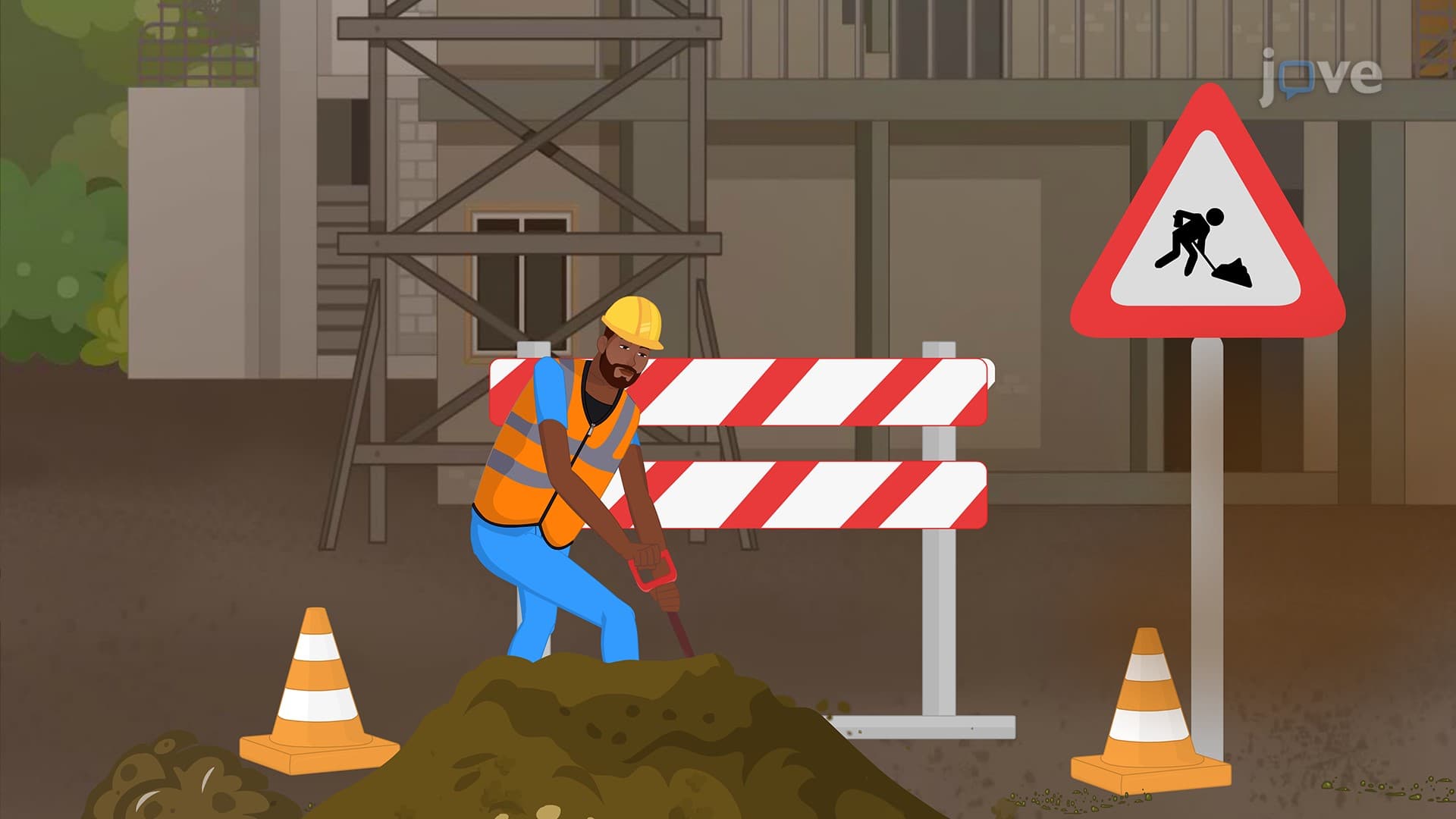
Healthcare students should recognize that certain occupational exposures increase epistaxis risk. Workers in dry, dusty environments or those exposed to chemical irritants show higher incidence rates. Additionally, medical conditions like hereditary hemorrhagic telangiectasia or coagulopathies predispose patients to recurrent, severe episodes.
Effective epistaxis management follows a stepwise approach beginning with conservative measures. The traditional head-back position actually increases aspiration risk, making the forward-leaning posture with direct pressure the gold standard for initial treatment. This technique succeeds in controlling bleeding in approximately 85% of anterior epistaxis cases.
When conservative measures fail, healthcare providers employ chemical cauterization using silver nitrate sticks or electrical cauterization for more severe cases. Posterior epistaxis often requires nasal packing with specialized devices like Merocel sponges or pneumatic nasal tampons, procedures commonly tested on NCLEX and HESI A2 examinations.
Related Micro-courses