Loading subject page…


11,368 views

Video Summary: What Is Tonsillitis I Introduction
Did you know that nearly 12 million Americans visit healthcare providers annually for throat pain, with tonsillitis being a leading cause? Understanding tonsillitis i introduction reveals how this common inflammatory condition affects the lymphoid tissues in your throat. For instance, strep throat-a bacterial form of tonsillitis-can progress to serious complications like rheumatic fever if untreated, making proper recognition crucial for high school athletes and college students. Watch the full video on JoVE Coach to master this concept with expert-led visuals and step-by-step explanations.
What is Tonsillitis I Introduction encompasses the inflammatory response of palatine tonsils-lymphoid tissues strategically positioned at the throat's entrance to filter pathogens. This condition represents one of the most frequent reasons American students miss school, particularly during fall and winter months when respiratory viruses circulate widely through dormitories and classrooms.
The tonsillitis i introduction definition requires understanding its dual infectious nature. Viral causes dominate, accounting for approximately 85-95% of cases in children and young adults. Rhinoviruses, the same pathogens causing common colds, frequently trigger mild tonsillitis alongside respiratory syncytial virus (RSV) and adenoviruses. However, bacterial tonsillitis-primarily Group A Streptococcus pyogenes-demands immediate attention due to potential complications.
Classification systems help healthcare providers determine treatment approaches. Acute tonsillitis develops rapidly over 3-4 days, while chronic forms persist beyond normal resolution timeframes, often creating tonsillar crypts where debris accumulates into "tonsil stones." Recurrent tonsillitis, defined as five or more episodes annually, may warrant tonsillectomy evaluation-a common consideration for college-bound students seeking to prevent future academic disruptions.
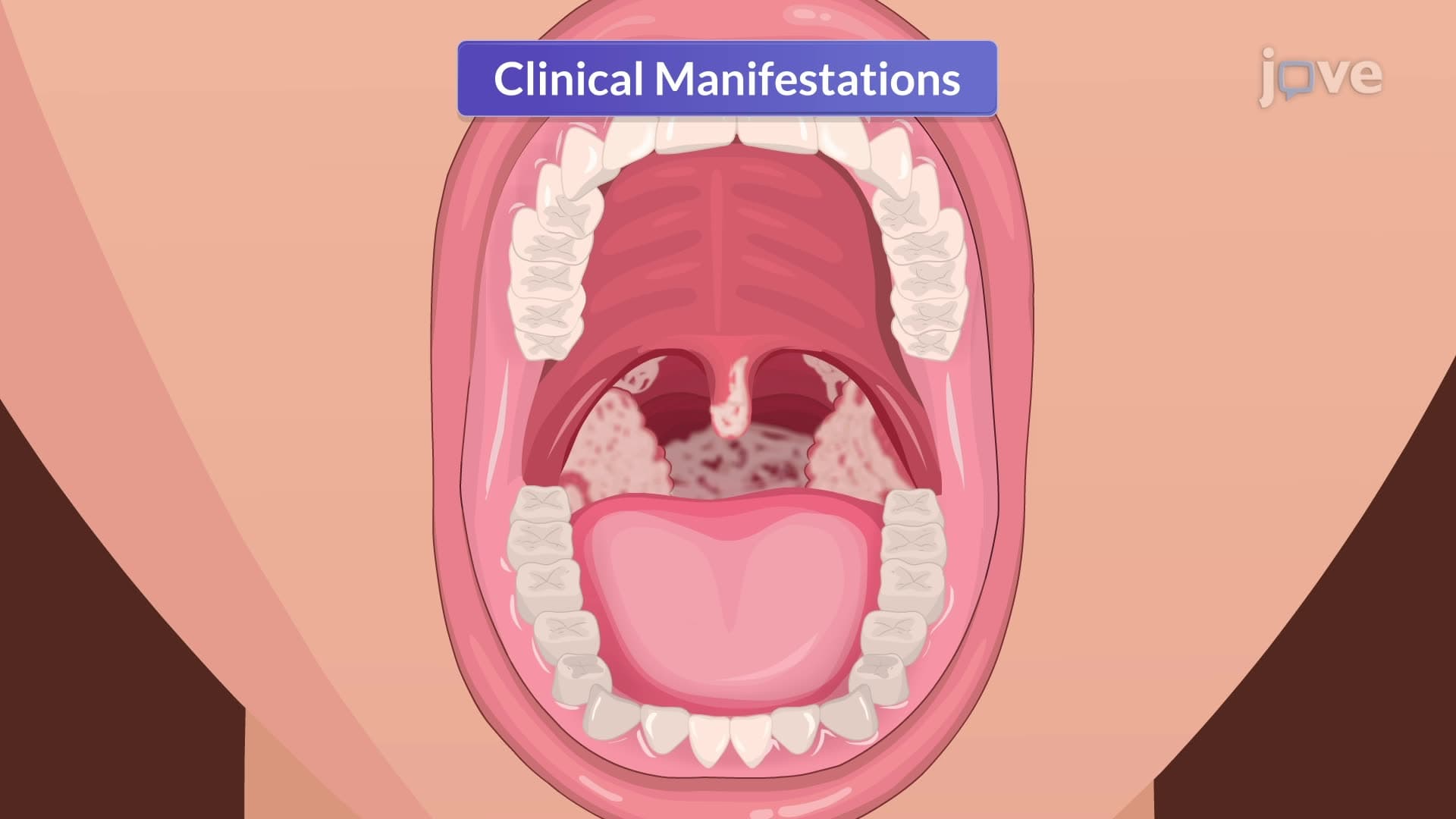
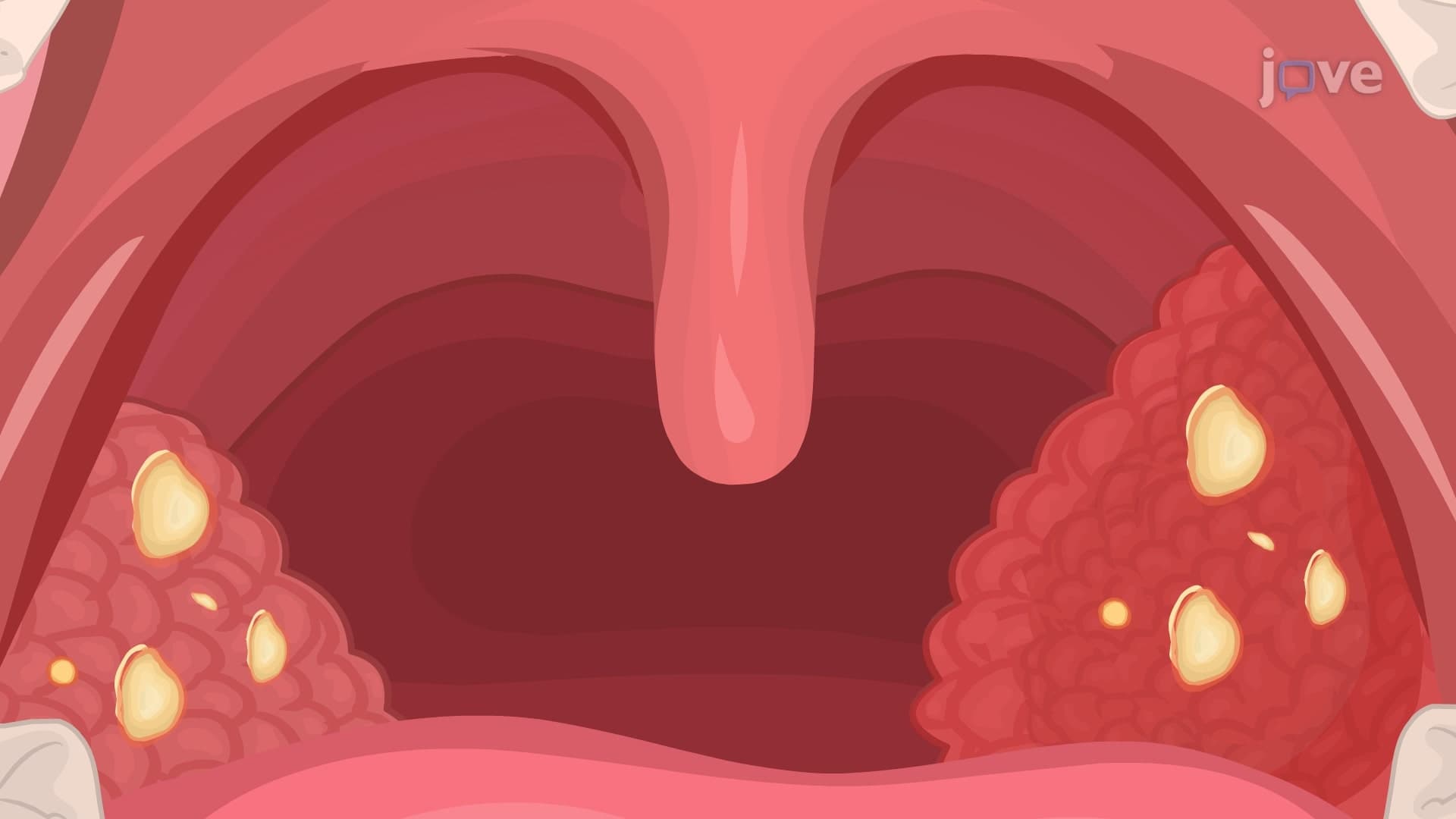
What is tonsillitis i introduction in detail includes mastering symptom recognition crucial for MCAT preparation and clinical rotations. The classic presentation combines sore throat (odynophagia) with fever, often accompanied by visible tonsillar exudate-white or yellow patches coating enlarged, erythematous tonsils. Tender cervical lymphadenopathy reflects the immune system's response to local infection.
Advanced students should understand diagnostic nuances. Rapid antigen detection tests (RADT) provide quick streptococcal identification in clinical settings, while throat cultures remain the gold standard for definitive bacterial confirmation. The Centor criteria-a clinical prediction rule evaluating tonsillar exudate, tender lymph nodes, fever, and absence of cough-helps distinguish bacterial from viral causes without immediate testing.
Understanding complications elevates basic tonsillitis i introduction basics to advanced clinical reasoning. Peritonsillar abscess (quinsy) represents the most serious local complication, requiring emergency drainage. Systemic complications from untreated streptococcal tonsillitis include rheumatic fever and post-streptococcal glomerulonephritis-conditions still reported in American healthcare systems, particularly in underserved communities with limited antibiotic access.
Related Micro-courses