Loading subject page…


11,368 views


Video Summary: What Is Tonsillitis Ii Management
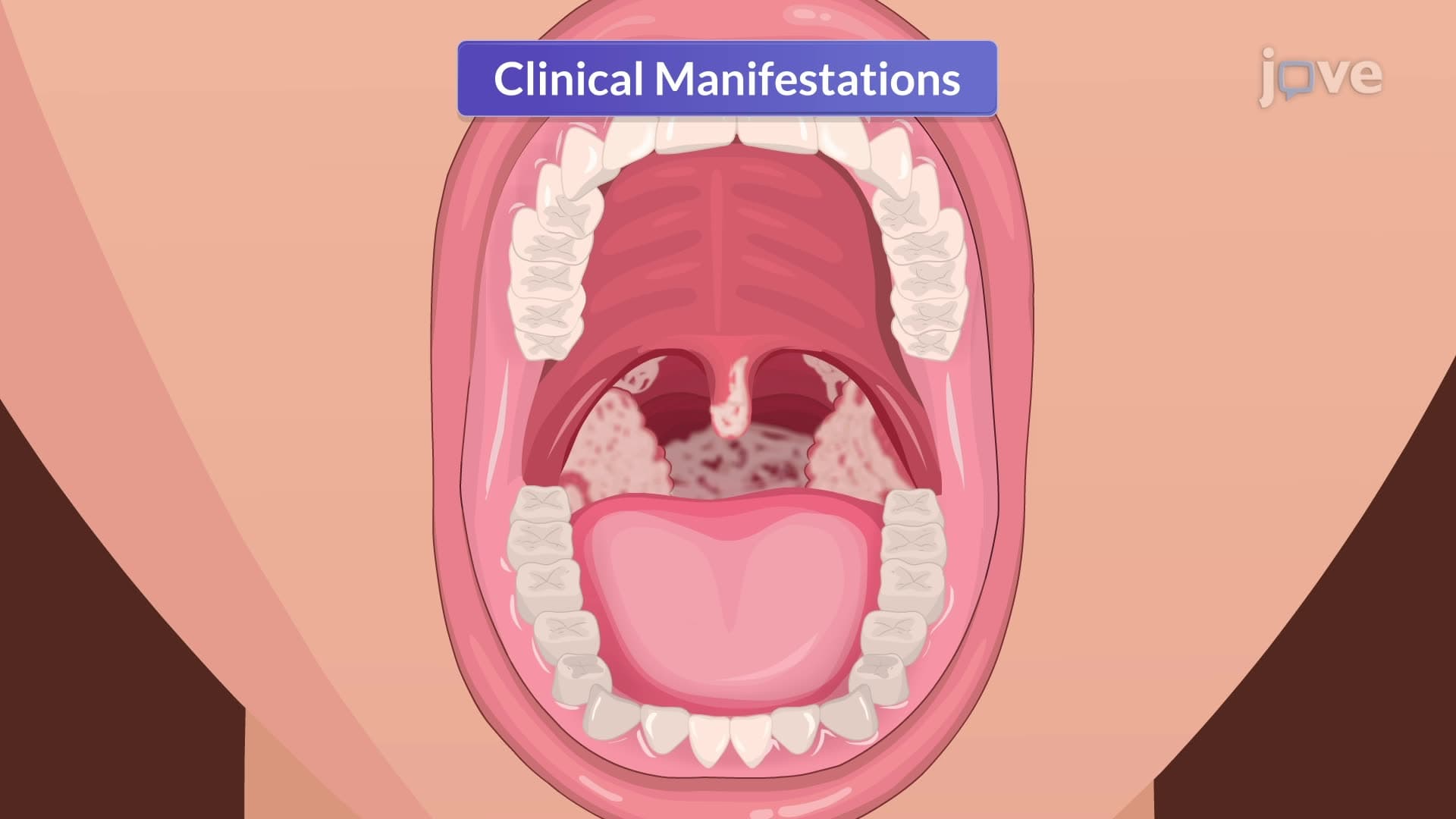
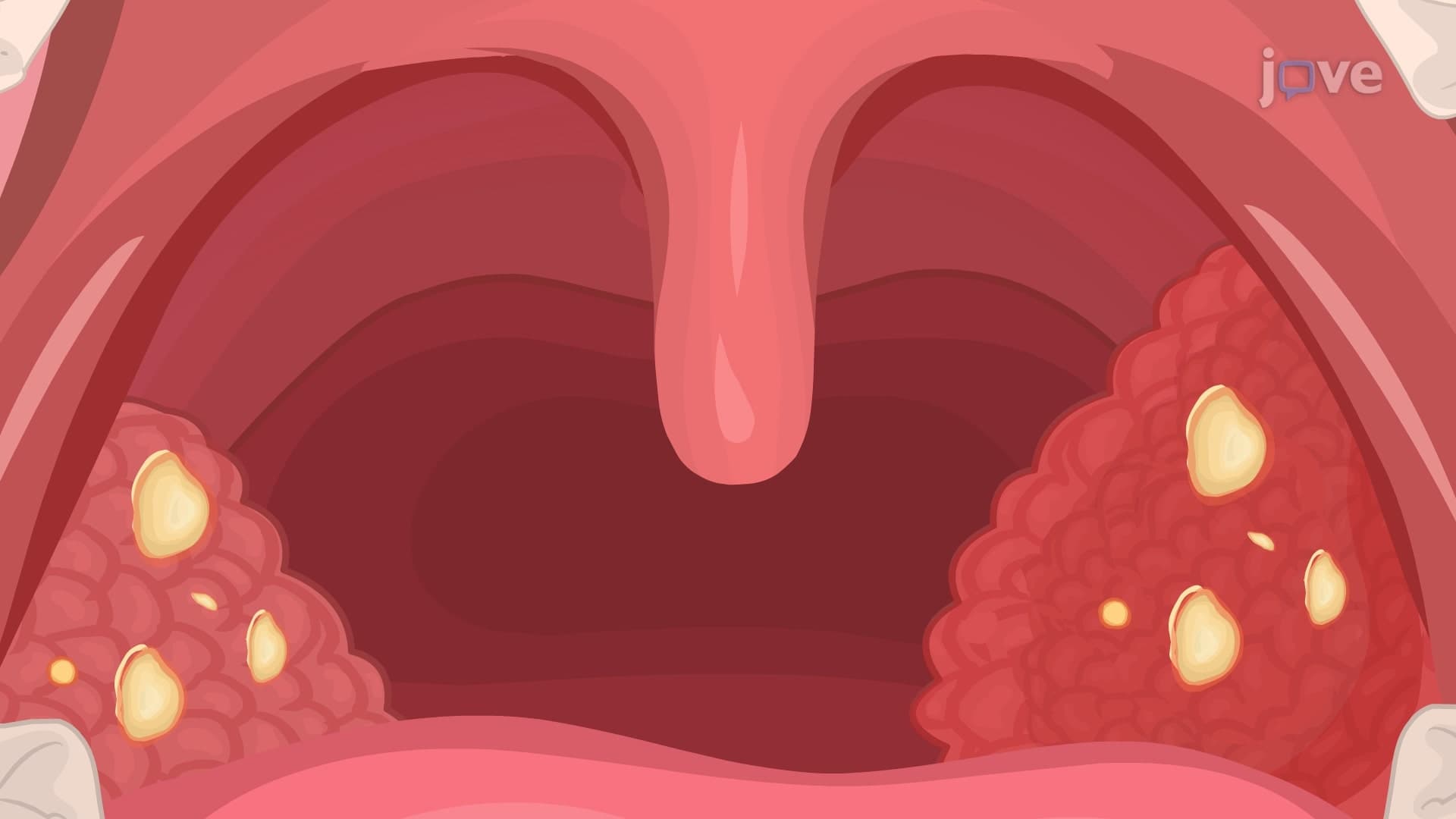
Did you know that over 600,000 tonsillectomies are performed annually in US hospitals, making it one of the most common surgical procedures among children and young adults? Tonsillitis II management encompasses both medical and surgical treatment approaches for inflammatory conditions of the palatine tonsils. For instance, when a high school athlete in Texas develops recurrent strep throat affecting their sports performance, healthcare providers must choose between antibiotic therapy and potential tonsillectomy based on specific clinical criteria. Watch the full video on JoVE Coach to master this concept with expert-led visuals and step-by-step explanations.
What is Tonsillitis II Management represents a systematic approach to treating inflammatory conditions affecting the palatine tonsils, encompassing both acute episodes and chronic recurrent cases. This management strategy has evolved significantly over the past decades, particularly following the American Academy of Otolaryngology's updated guidelines that emphasize evidence-based treatment protocols. The condition affects approximately 15% of school-age children annually in the United States, making it a critical topic for students pursuing healthcare careers and those preparing for standardized exams like the MCAT or NCLEX.
The cornerstone of tonsillitis management begins with accurate diagnosis and pathogen identification. Viral tonsillitis, accounting for roughly 70% of cases, requires supportive management including adequate hydration, analgesics such as acetaminophen or ibuprofen, and symptomatic relief through salt-water gargles. Students studying for AP Biology or college microbiology courses should note that viral cases typically resolve within 7-10 days without antibiotic intervention.
Bacterial tonsillitis, predominantly caused by Group A Streptococcus, demands targeted antibiotic therapy. Penicillin remains the gold standard first-line treatment, available in both oral and intramuscular formulations. For penicillin-allergic patients, cephalexin or azithromycin serve as effective alternatives. This antibiotic selection process frequently appears on USMLE Step 1 examinations and nursing certification tests like the HESI A2.
Tonsillectomy consideration follows specific criteria established by the American Academy of Otolaryngology. Candidates typically present with seven episodes of documented tonsillitis in one year, five episodes annually for two consecutive years, or three episodes annually for three consecutive years. Additionally, chronic tonsillitis with persistent symptoms affecting quality of life, sleep-disordered breathing, or failure to respond to medical management may warrant surgical intervention.
Modern tonsillectomy techniques include traditional cold knife dissection, electrocautery, and newer methods like radiofrequency ablation. Recovery typically spans 10-14 days, with most patients returning to normal activities within two weeks. This surgical timeline and recovery process are commonly tested concepts on nursing boards and medical school examinations.
Comprehensive postoperative care involves multiple nursing interventions critical for optimal outcomes. Proper patient positioning with the head elevated and turned to the side facilitates drainage and reduces aspiration risk. Ice collar application provides symptomatic relief while minimizing postoperative swelling.
Vigilant monitoring for complications remains paramount, as postoperative hemorrhage occurs in approximately 2-5% of cases and represents a medical emergency. Other complications include dehydration from poor oral intake, otalgia referred from the surgical site, and potential respiratory compromise from swelling. Students preparing for the NCLEX or TEAS examinations should familiarize themselves with these critical assessment parameters and appropriate interventions.
Related Micro-courses