Loading subject page…


1,442 views

Video Summary: Supply Demand and Efficiency in Perfect Competition I
Ever wonder why a single coffee shop closing in Manhattan barely affects prices, but one oil refinery shutting down sends gas prices soaring nationwide? Supply, demand, efficiency perfect competition explains this phenomenon through the lens of market equilibrium and total surplus maximization. In perfectly competitive markets like agricultural commodities, any deviation from optimal production levels-whether overproduction or underproduction-creates deadweight loss that reduces overall economic welfare. Supply, Demand, and Efficiency in Perfect Competition I demonstrates how market forces naturally guide resources to their most efficient allocation. Watch the full video on JoVE Coach to master this concept with expert-led visuals and step-by-step explanations.
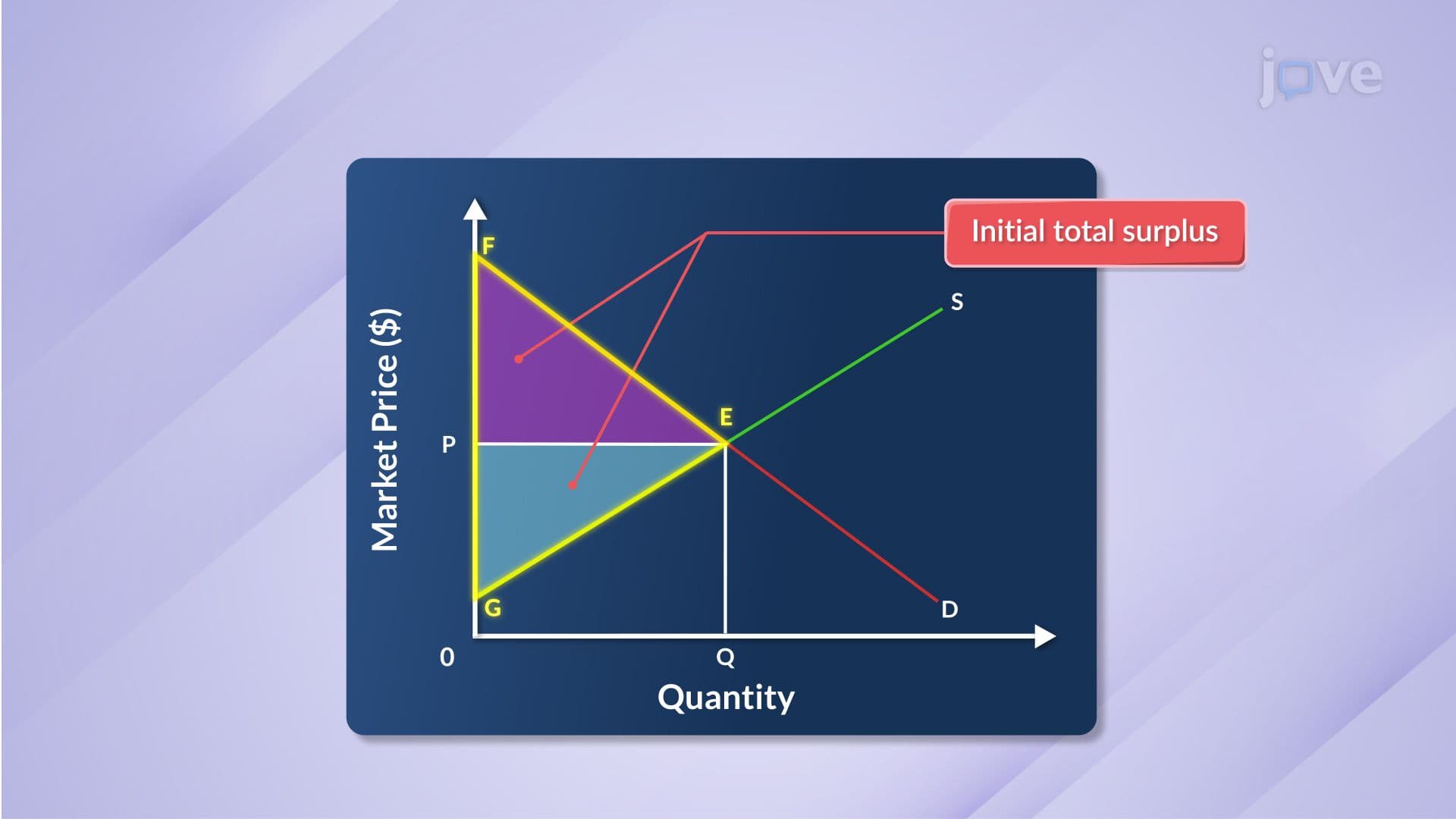
Perfect competition represents the gold standard of market efficiency, where numerous buyers and sellers interact freely without any single party influencing market price. In this idealized market structure-exemplified by commodity markets like wheat futures on the Chicago Board of Trade-efficiency is measured by total surplus maximization. Total surplus equals the sum of consumer surplus (benefits buyers receive above what they pay) and producer surplus (profits sellers earn above their minimum acceptable price).
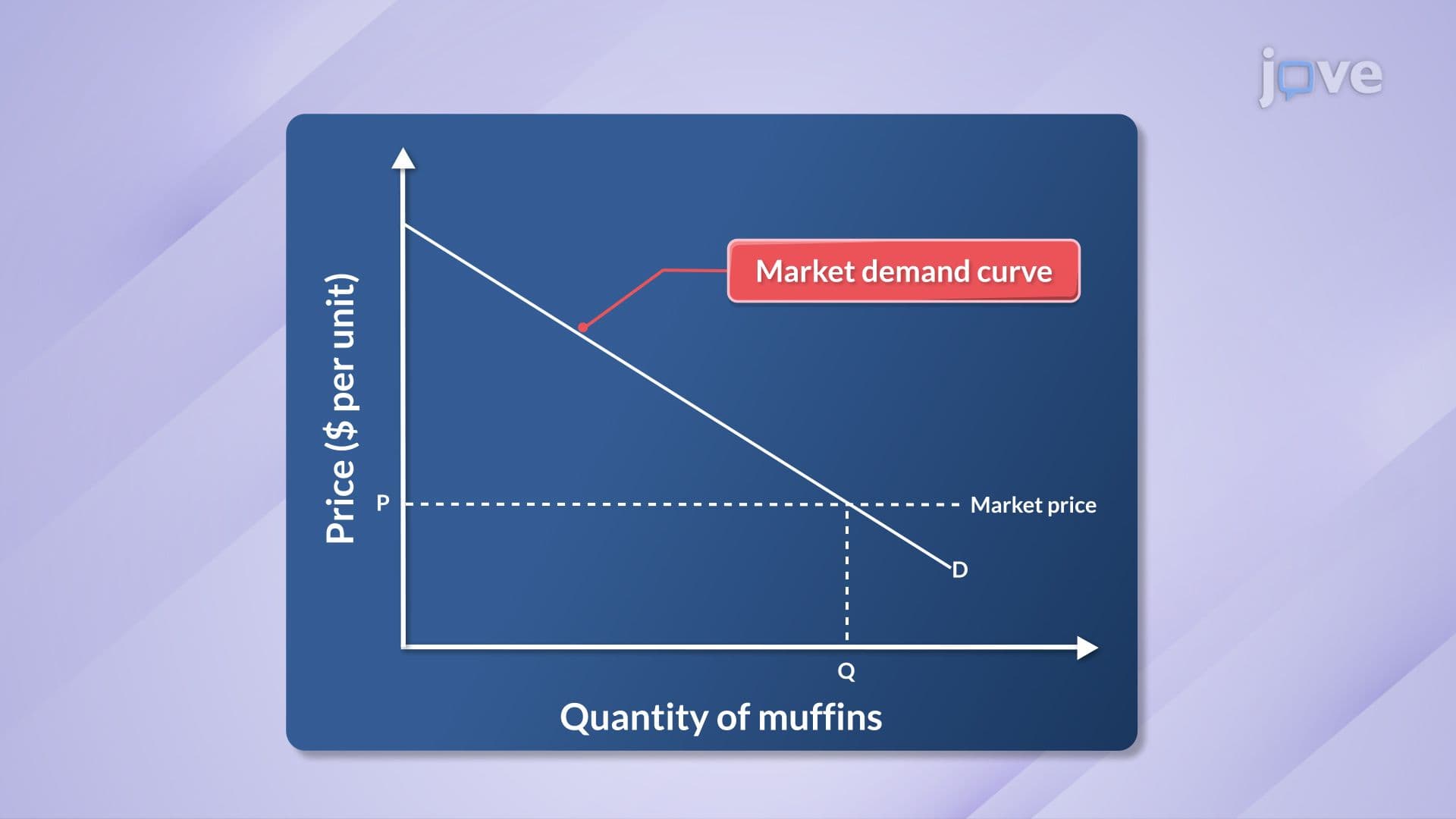
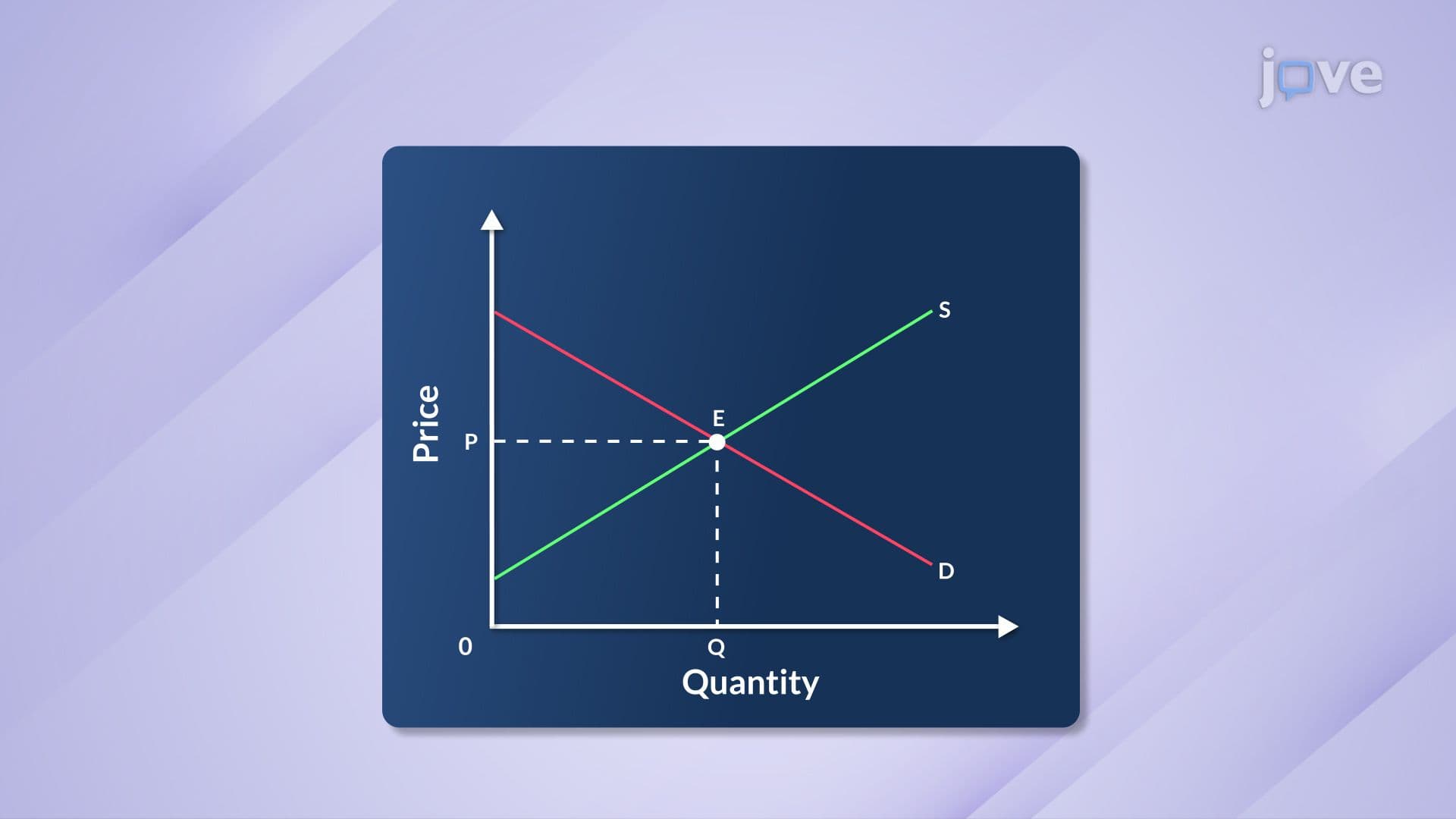
The efficiency of perfectly competitive markets becomes clear through graphical analysis. Consumer surplus appears as the triangular area between the demand curve and market price, representing the difference between what consumers are willing to pay versus what they actually pay. Producer surplus forms the triangle between the supply curve and market price, showing seller benefits above their minimum selling price. When these areas combine, they create the total surplus-a measure of overall economic welfare generated by market transactions.
Underproduction scenarios reveal why market equilibrium matters for economic efficiency. When production falls below equilibrium quantity Q*, some consumers who value the good above its marginal cost cannot purchase it. This creates a deadweight loss-economic value that could have been created but wasn't due to insufficient production. For instance, if corn farmers collectively reduced output below market equilibrium, some consumers willing to pay premium prices would be rationed out, while potential producer profits remain unrealized.
Understanding this concept proves crucial for AP Economics students analyzing market failures and government interventions. College microeconomics courses extensively test graphical analysis of surplus changes, while business students apply these principles when evaluating production decisions. The Federal Trade Commission uses similar efficiency analysis when reviewing mergers that might restrict output. On standardized exams, expect questions asking you to identify surplus areas, calculate deadweight losses, or explain why competitive markets naturally achieve efficient outcomes through price mechanisms.
Related Micro-courses