Loading subject page…


1,442 views


Video Summary: Supply Demand and Efficiency in Perfect Competition Ii
Why do gas prices seem to find their own "sweet spot" even when nobody's in charge of setting them? Supply, demand, efficiency perfect competition explains how markets naturally reach equilibrium through the invisible hand of competitive forces. Consider how rideshare prices surge during peak hours in cities like New York-this demonstrates market forces balancing supply and demand. Supply, Demand, and Efficiency in Perfect Competition II reveals how total surplus maximization occurs when marginal costs equal market prices, creating optimal economic efficiency. Watch the full video on JoVE Coach to master this concept with expert-led visuals and step-by-step explanations.
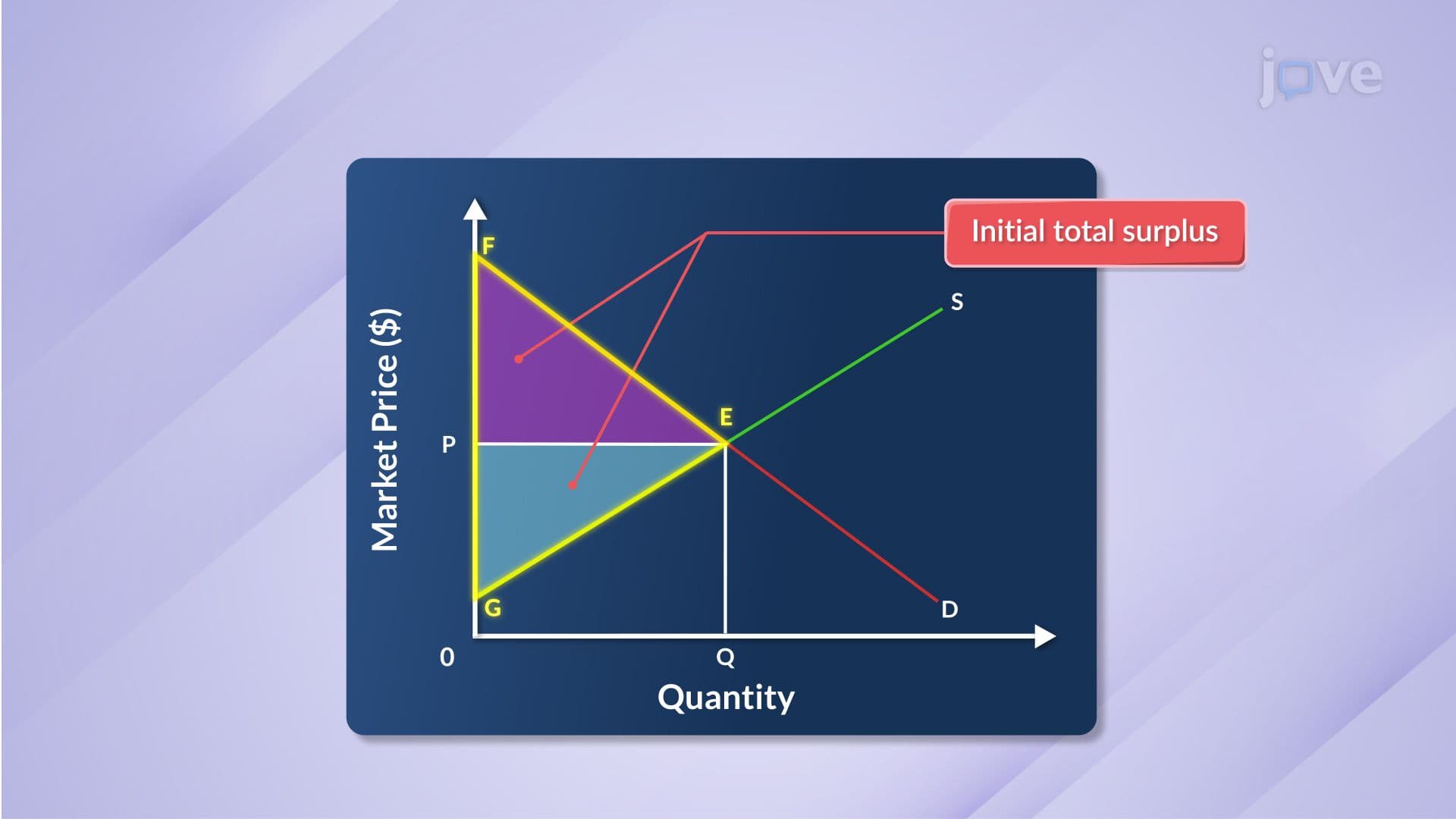
Perfect competition represents the gold standard of market efficiency in economic theory. This market structure achieves optimal resource allocation by maximizing total surplus-the combined benefit to consumers and producers. When markets operate under perfect competition, the invisible hand guides individual profit-seeking behavior toward socially optimal outcomes.
The market supply curve in perfect competition directly reflects the aggregated marginal cost curves of all participating firms. This relationship explains why supply curves typically slope upward-as production increases, firms face rising marginal costs due to capacity constraints and resource scarcity. For example, when U.S. corn farmers increase production during high-price periods, they must cultivate less fertile land, driving up per-bushel production costs.
Students preparing for AP Economics or college microeconomics courses should understand that firms in perfect competition are price-takers who adjust quantity until marginal cost equals market price. This profit-maximizing behavior ensures efficient resource allocation across the entire market.
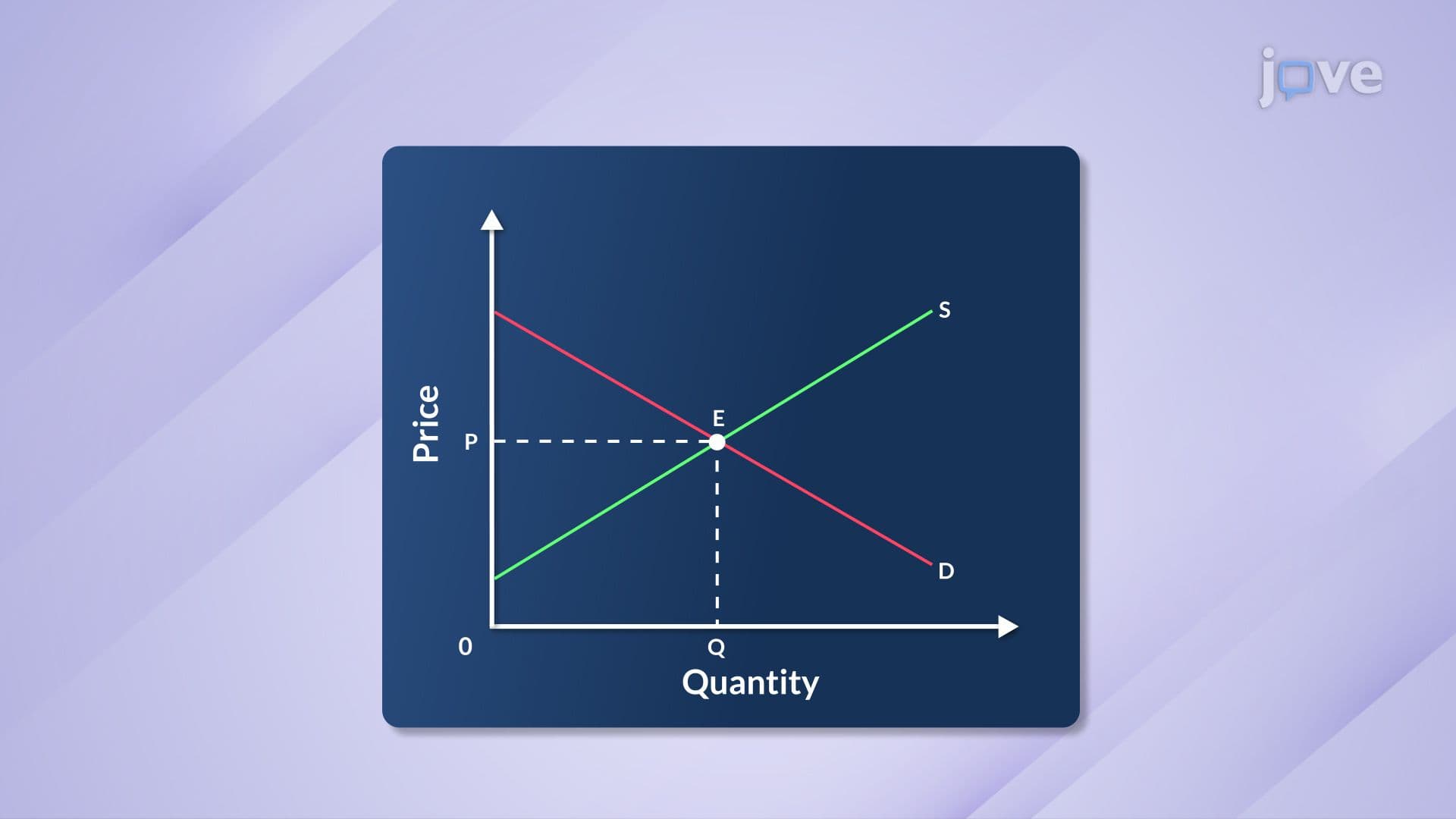
Market equilibrium occurs where supply intersects demand, creating the price-quantity combination that maximizes total surplus. Above equilibrium, excess supply creates inventory buildups, forcing suppliers to reduce prices. Below equilibrium, excess demand drives prices upward until balance restores.
Consider the Chicago Mercantile Exchange, where agricultural commodities trade in near-perfect competition. When wheat supply exceeds demand, traders quickly adjust prices downward, eliminating surplus inventories and restoring market balance. This self-correcting mechanism demonstrates perfect competition's efficiency.
Any deviation from equilibrium quantity creates deadweight loss-unrealized economic gains that benefit neither consumers nor producers. Whether production exceeds or falls short of equilibrium, society loses potential welfare. This concept frequently appears on MCAT economics sections and college microeconomics exams.
Understanding deadweight loss helps students analyze government interventions like price floors and ceilings, which often create inefficiencies by preventing markets from reaching natural equilibrium points.
Related Micro-courses