Loading subject page…


1,442 views


Video Summary: What Is Consumer Surplus
Did you know that every time you buy something for less than you'd be willing to pay, you're experiencing economic gain? Consumer surplus represents this exact phenomenon-the monetary difference between what consumers are willing to pay versus the actual price. Consider a college student who values a Starbucks latte at $7 but pays only $5, creating $2 in consumer surplus. This fundamental economic concept helps explain how markets create value for buyers beyond the transaction price. Watch the full video on JoVE Coach to master this concept with expert-led visuals and step-by-step explanations.
Consumer surplus forms a cornerstone of microeconomic theory, representing the extra value consumers receive when they pay less than their maximum willingness to pay for a good or service. This concept, first developed by economist Alfred Marshall, provides crucial insights into how markets create value and why voluntary transactions benefit both buyers and sellers.
The mathematical formula is straightforward: Consumer Surplus = Willingness to Pay - Actual Price Paid. However, the implications extend far beyond this simple calculation, affecting everything from business pricing strategies to government policy decisions.
Consider practical scenarios where consumer surplus appears frequently in American markets. When Apple releases the latest iPhone at $999, many consumers would willingly pay $1,200 or more, creating substantial consumer surplus. Similarly, during Black Friday sales at retailers like Target or Best Buy, consumer surplus increases dramatically as prices drop below consumers' willingness to pay.
In the housing market, consumer surplus explains why buyers often feel satisfied with their purchases. A family willing to pay $400,000 for a home but finding one for $350,000 experiences $50,000 in consumer surplus-representing the additional value they receive from the transaction.
For students preparing for AP Economics exams or college microeconomics courses, understanding consumer surplus proves essential. The concept frequently appears on standardized tests, requiring students to calculate surplus values, interpret demand curves, and analyze how market changes affect consumer welfare.
In business school curricula at institutions like Harvard Business School or Wharton, consumer surplus analysis informs pricing strategies and market research. Companies use this concept to optimize pricing models, understand customer value perception, and maximize both consumer satisfaction and company profits.
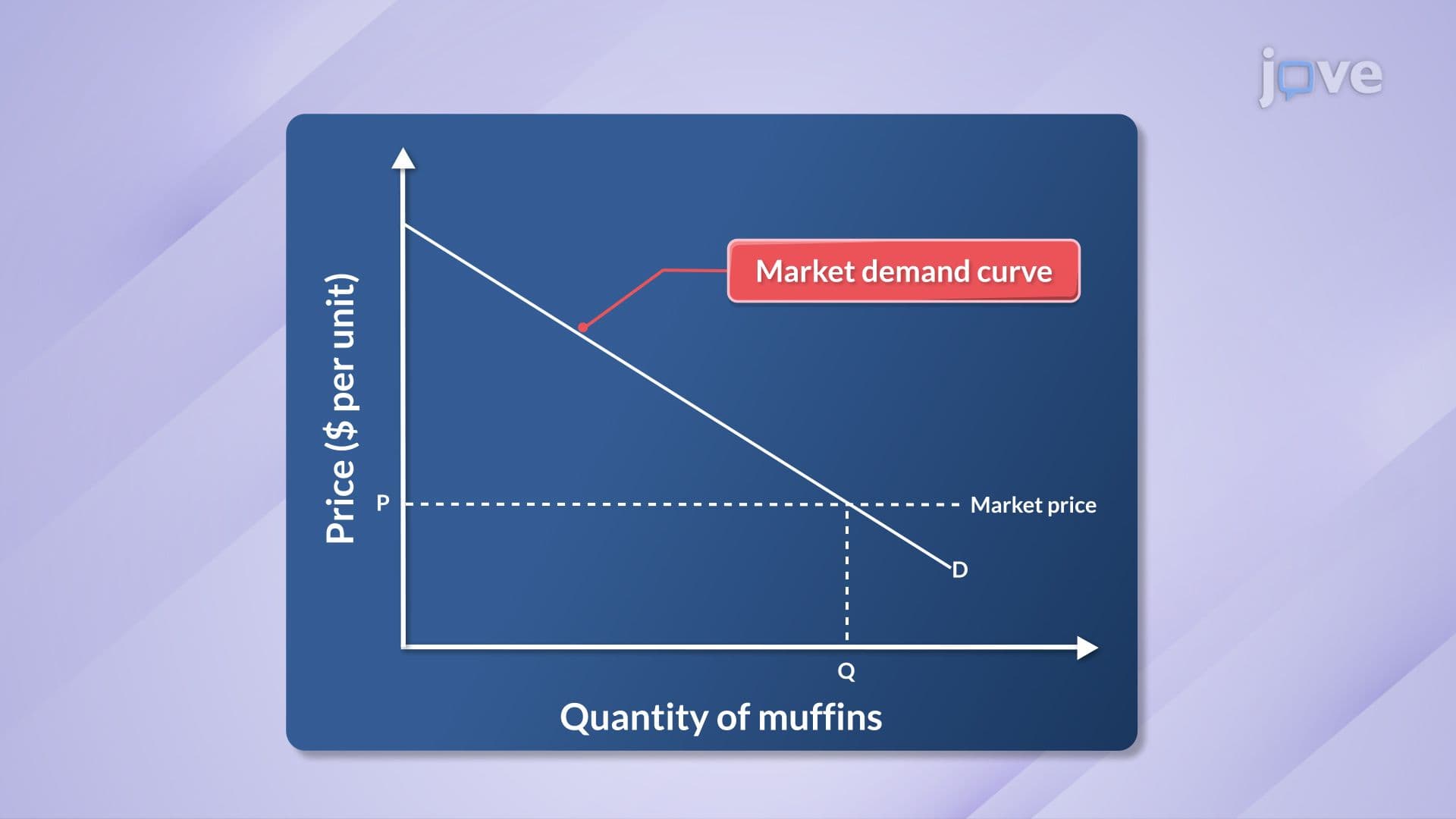
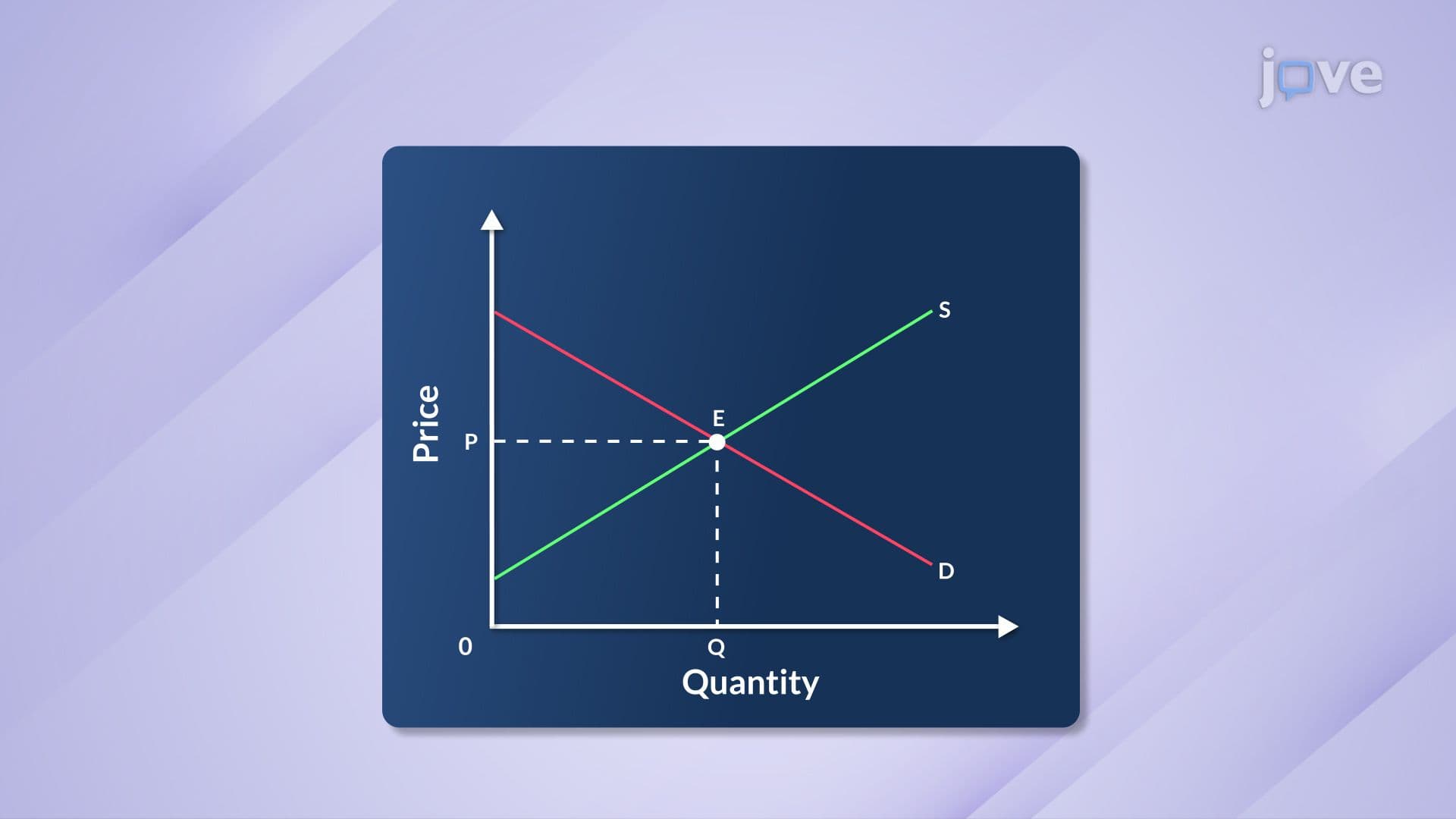
On a supply and demand graph, consumer surplus appears as the triangular area below the demand curve and above the market price. This visual representation helps students understand how price changes affect consumer welfare. When prices decrease, the consumer surplus triangle expands, indicating increased consumer benefit. Conversely, price increases reduce consumer surplus, potentially leading to decreased market participation.
Understanding these graphical relationships proves crucial for students tackling economics coursework at universities like MIT, Stanford, or the University of Chicago, where rigorous quantitative analysis of consumer behavior forms the foundation of advanced economic study.
Related Micro-courses