Loading subject page…


1,442 views


Video Summary: What Is Shift in Demand Curve
Ever wonder why Starbucks raises prices during busy seasons yet still sees long lines? A shift demand curve explains this phenomenon perfectly. When consumer preferences change-like increased demand for pumpkin spice lattes in fall-the entire demand curve moves, affecting both price and quantity sold. Understanding what is shift in demand curve helps explain real market behaviors, from Netflix subscription surges during pandemic lockdowns to electric vehicle sales rising with environmental awareness. Watch the full video on JoVE Coach to master this concept with expert-led visuals and step-by-step explanations.
A shift in demand curve represents a fundamental change in consumer willingness to purchase a good at every price level. Unlike movement along a demand curve (caused by price changes), demand shifts occur when external factors influence consumer behavior. This concept forms the backbone of microeconomic analysis and appears frequently in AP Economics, college-level economics courses, and standardized tests like the SAT Subject Tests.
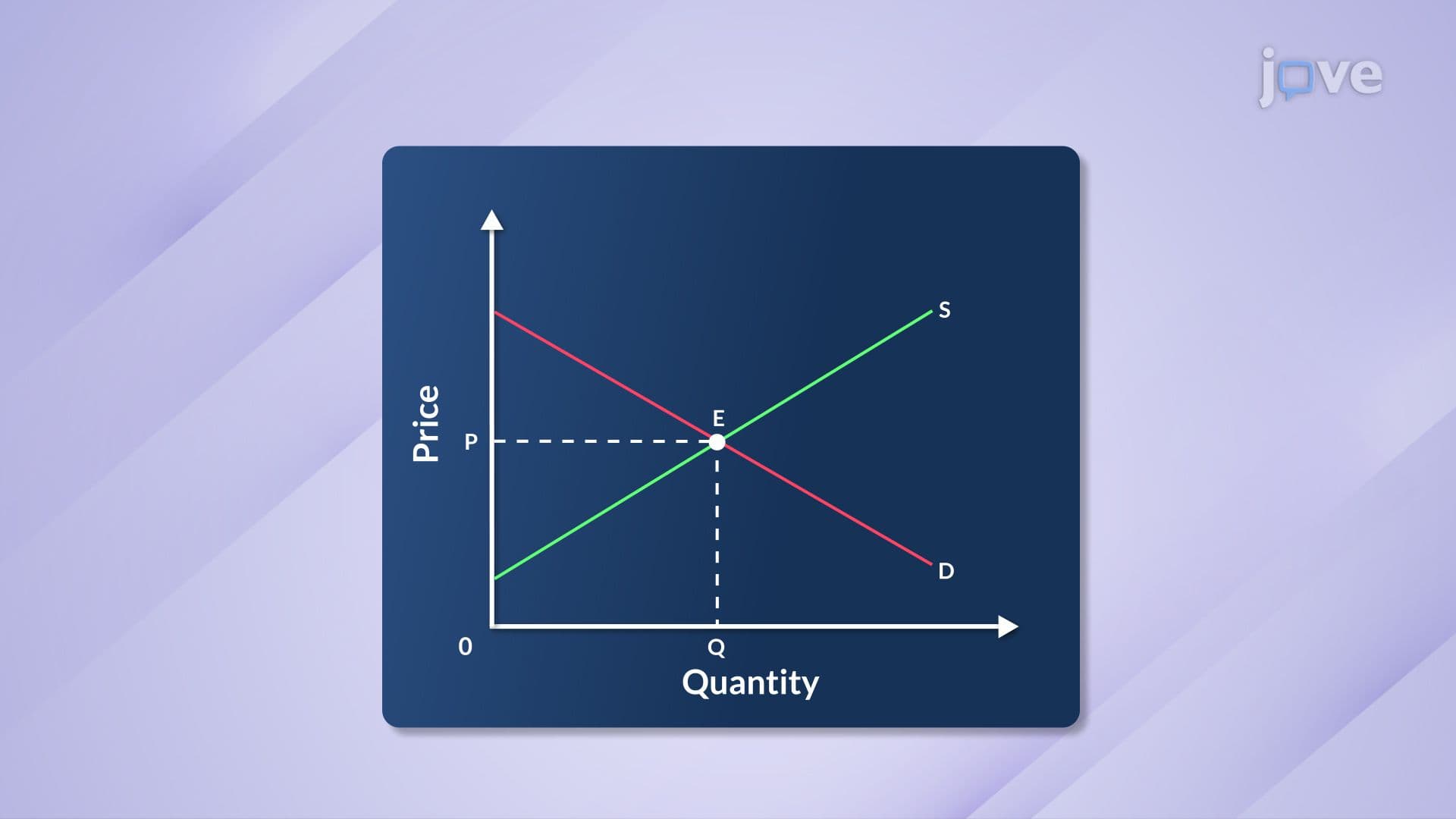
When demand shifts, the entire curve moves either left (decrease) or right (increase). A leftward shift demand curve indicates consumers want less of the product at every price point-perhaps due to health concerns reducing ice cream consumption, as shown in the original market example. Conversely, a rightward shift means increased demand at all price levels, like the surge in hand sanitizer demand during COVID-19.
The shift demand curve definition encompasses several trigger factors: changes in consumer income, population demographics, preferences, expectations about future prices, and prices of substitute or complementary goods. For instance, when Tesla's popularity grew, the demand curve for electric vehicles shifted right across the entire industry, not just for Tesla.
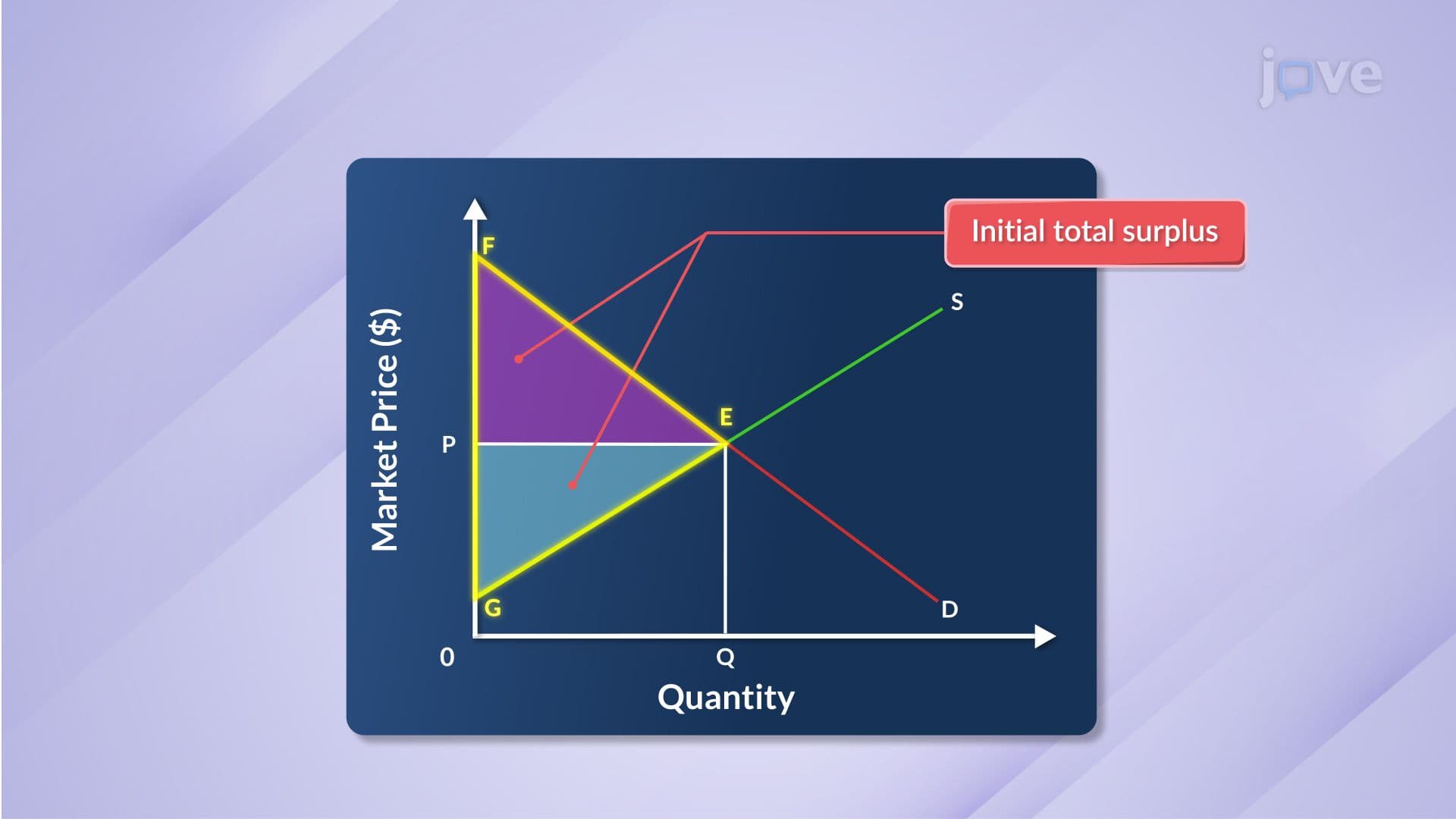
Understanding shift in demand curve concept explained requires analyzing effects on market equilibrium. When demand decreases (shifts left), both equilibrium price and quantity fall. Producers experience reduced surplus-the area between price and supply curve shrinks. However, the impact on consumer surplus remains ambiguous because while some consumers lose surplus from higher prices, others gain from the transfer of producer surplus.
Conversely, demand increases create opposite effects. The COVID-19 pandemic demonstrated this when streaming service demand shifted right dramatically. Netflix, Disney+, and other platforms saw both subscription numbers and pricing power increase, expanding producer surplus while creating complex consumer surplus dynamics.
For AP Economics students, mastering demand shifts proves crucial for free-response questions involving market analysis. College microeconomics courses extensively test this concept through graphical analysis and mathematical problem-solving. The MCAT economics section also incorporates demand shift principles when analyzing healthcare markets.
Real-world applications extend beyond academics. Marketing professionals use demand shift analysis to time product launches, while investors analyze demand trends in sectors like renewable energy or electric vehicles. Government policymakers consider demand shifts when implementing taxes, subsidies, or regulations affecting consumer behavior.
Related Micro-courses