Loading subject page…


1,442 views


Video Summary: What Is Shift in Supply Curve
When gas prices suddenly jumped 40% nationwide in 2022, consumers faced higher costs while oil companies' profits remained uncertain-this exemplifies how a shift supply curve works in real markets. A shift in supply curve occurs when the entire supply relationship changes due to factors beyond price, moving the curve left (decreased supply) or right (increased supply). Understanding what is shift in supply curve helps explain why Target might raise candy prices when sugar costs increase, affecting both consumer and producer benefits differently. Watch the full video on JoVE Coach to master this concept with expert-led visuals and step-by-step explanations.
A shift in supply curve represents a fundamental change in producers' willingness and ability to supply goods at every price level. Unlike movements along the supply curve (caused by price changes), supply shifts occur when external factors alter production conditions. When Walmart's suppliers face higher shipping costs due to fuel price increases, the entire supply relationship changes-this creates a shift supply curve scenario that affects nationwide retail pricing.
Multiple factors can trigger supply shifts in US markets. Input cost changes represent the most common cause-when corn prices rise, breakfast cereal manufacturers like Kellogg's experience leftward supply shifts, reducing quantity supplied at each price point. Technological advances create rightward shifts; Amazon's warehouse automation allows greater output at lower costs. Government policies also drive shifts: California's emission standards force auto manufacturers to invest in cleaner production, initially shifting supply left due to compliance costs.
Weather patterns significantly impact agricultural supply. When Texas experiences drought, cotton supply shifts left, affecting clothing prices nationwide. Conversely, favorable growing conditions in Iowa create rightward corn supply shifts, benefiting ethanol producers and livestock farmers.
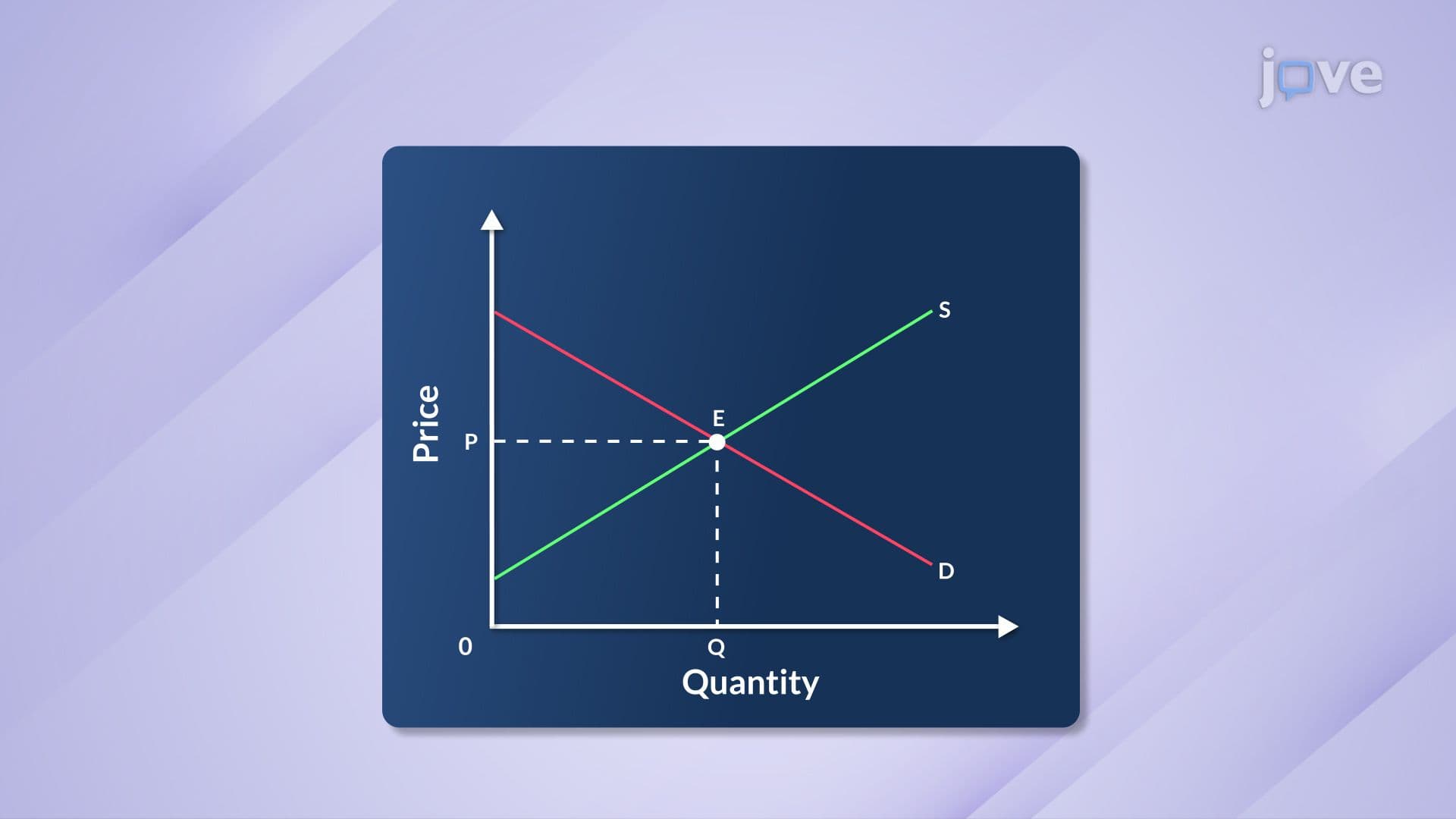
Supply shifts create new market equilibrium points with distinct welfare effects. Leftward supply shifts (decreased supply) raise equilibrium prices while reducing quantities sold. This scenario hurts consumers through higher prices and reduced consumer surplus-the triangular area representing buyer benefits shrinks significantly.
Producer surplus effects remain ambiguous during supply shifts. While producers lose some original surplus area, they may capture portions of former consumer surplus through higher prices. The net effect depends on demand elasticity and shift magnitude. Apple's iPhone pricing demonstrates this: component cost increases shift supply left, raising prices, but strong brand loyalty allows Apple to maintain profitability by capturing consumer surplus.
Understanding supply shifts proves essential for AP Economics students analyzing market dynamics. College microeconomics courses emphasize graphical analysis-students must identify shift directions and calculate surplus changes. SAT Subject Tests frequently include supply shift scenarios in data interpretation questions.
Professional applications span multiple industries. MBA students analyze supply chain disruptions' market impacts, while agricultural economics majors study weather-related supply shifts affecting commodity futures. Healthcare administrators examine how medical supply shortages shift hospital supply curves, impacting patient care costs and resource allocation decisions.
Related Micro-courses