Loading subject page…

2,867 views

Video Summary: Handle Emotional Reactions Professionally
Handling emotional reactions professionally means staying composed when feelings run high at work, whether you face a public challenge, a defensive team member, or an upset client. Rather than suppressing emotion, the skill lies in pausing, acknowledging the moment, and redirecting toward a productive outcome. This protects working relationships and keeps accountability intact. It connects closely to building emotional resilience as a broader management practice.
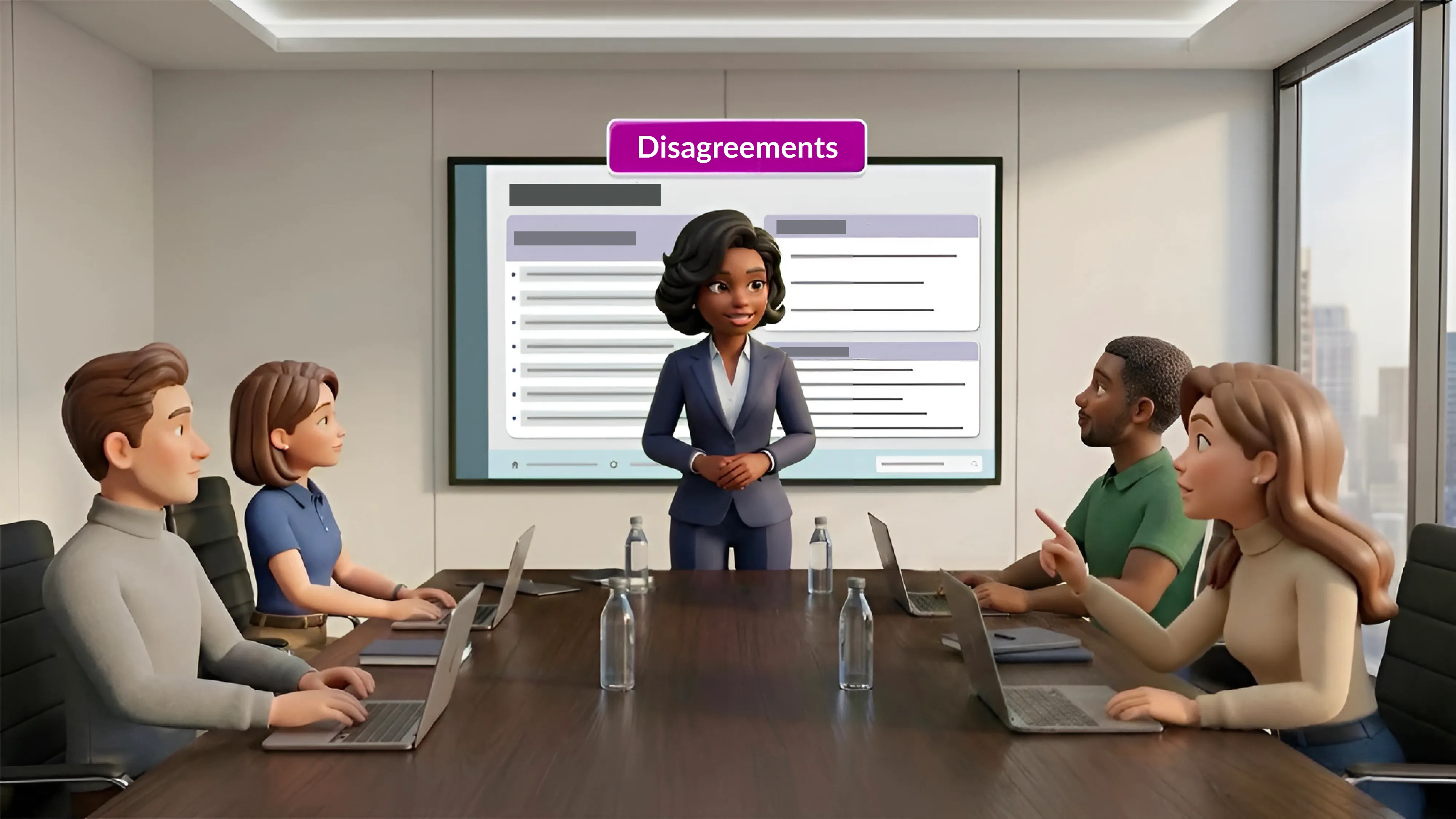
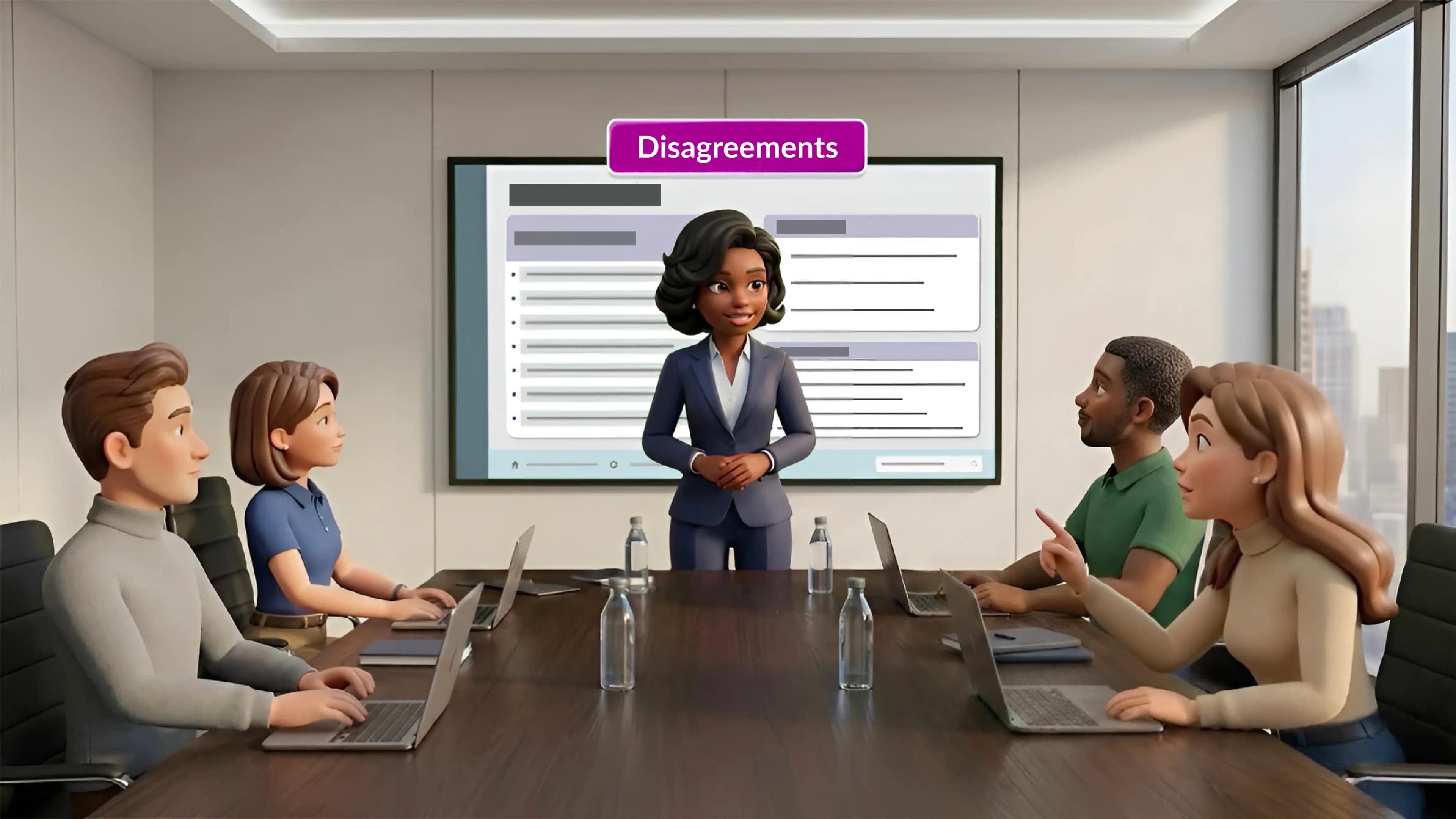
When someone challenges you in front of others, your first task is to manage your own reaction before addressing theirs. Taking a breath and steadying your voice signals control rather than defensiveness. Staying aware of your emotions at work makes this self-recovery possible in real time.
Acknowledging a challenging point openly, rather than dismissing or deflecting it, shifts the room from conflict to dialogue. A phrase like "That's an interesting point, let's explore it" validates the concern while moving the conversation forward. This approach defuses tension without conceding ground or losing the thread of the discussion.
When a team member reacts defensively, listening first before responding lowers the temperature. Acknowledging the workload stress behind the reaction shows you understand the context. Managing stress and emotional triggers then allows you to reset priorities and reduce the underlying pressure driving the reaction.
With an external client, taking clear responsibility for a problem, explaining what happened, and presenting a revised plan rebuilds confidence. Committing to regular status updates shows accountability and signals that the situation is under control. Showing empathy without losing authority is the balance that makes this approach effective.
The same event, a delayed deliverable, requires a different response depending on who is in the room. With an employee, the priority is understanding and rebalancing workload. With a client, the priority is ownership and a clear recovery plan. Adjusting your approach to fit the relationship and stakes is what separates reactive from professionally managed responses.
Related Micro-courses