Loading subject page…


6 Concepts
7 Concepts
9 Concepts
5 Concepts
7 Concepts
7 Concepts
13 Concepts
5 Concepts
5 Concepts
8 Concepts
9 Concepts
6 Concepts
6 Concepts
 6 Concepts
 2.7K Views
 Popular topics



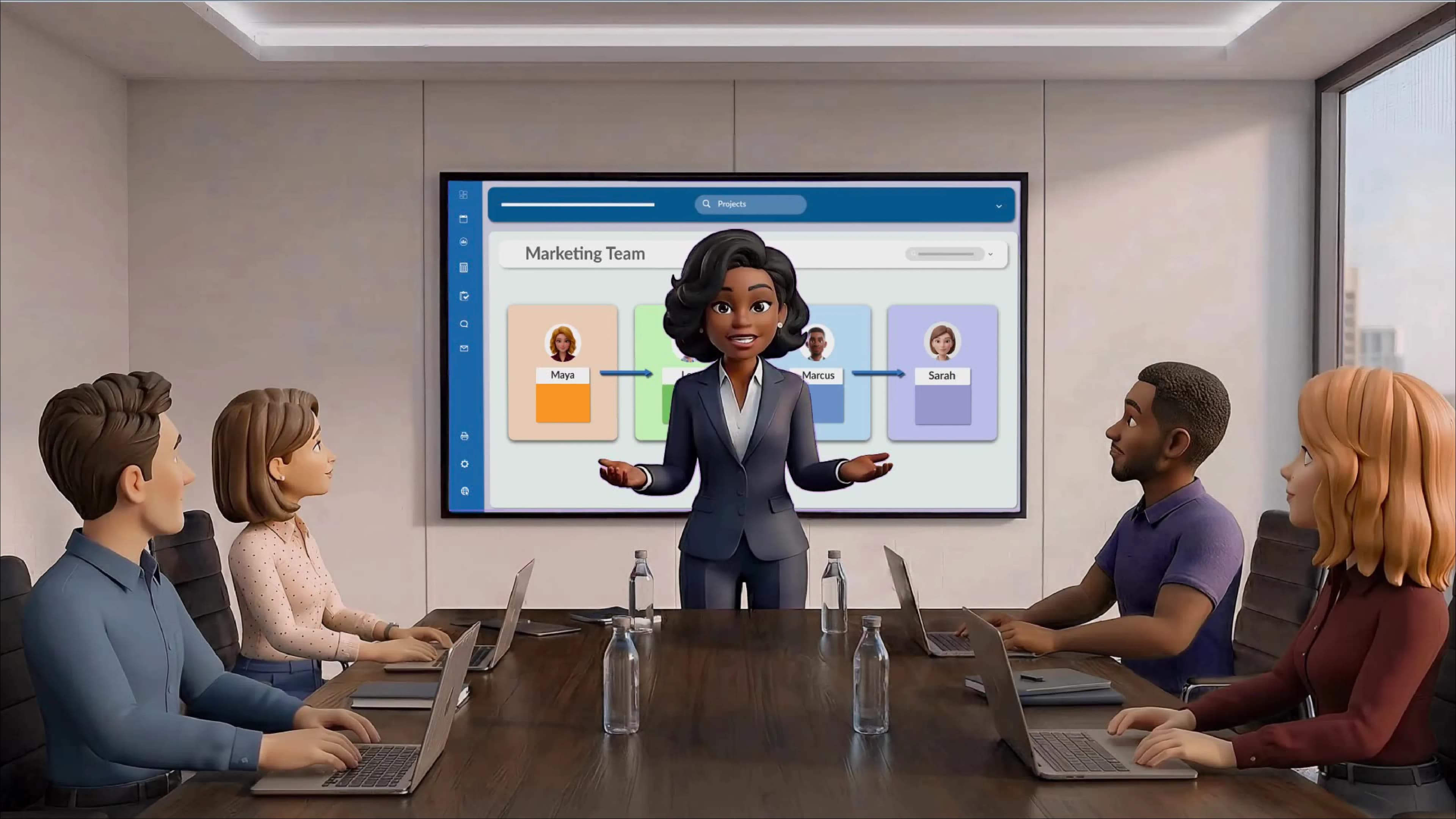

Building trust and collaboration in teams starts with addressing the root causes behind performance issues rather than surface-level symptoms. Many new managers struggle when team dynamics break down, deadlines slip, or coordination gaps emerge across roles. This JoVE Coach micro-course equips first-time managers with practical frameworks to diagnose team problems accurately, establish trust drivers, and create transparent communication patterns that strengthen cross-functional collaboration.
1. Root Cause Analysis for Team Performance Issues Effective managers distinguish between symptoms and underlying causes when team performance falters. Rather than assuming individual accountability problems, skilled leaders examine processes, systems, and structural barriers that create recurring delays or quality issues. For example, when a operations team consistently misses reporting deadlines, the root cause might be unclear templates or inconsistent data formats rather than individual work ethic. This diagnostic approach prevents misdirected coaching conversations and addresses systemic problems that affect entire team productivity. Managers who master root cause analysis build more effective processes while maintaining positive team relationships and trust.
2. Trust Building Through Four Core Drivers Team trust develops through credibility, reliability, cohesion, and team orientation rather than informal team-building activities alone. Credibility emerges when team members recognize each other's expertise and working styles through structured knowledge sharing. Reliability strengthens as teams establish and consistently follow clear norms around deadlines and commitments. Cohesion builds through regular check-ins and informal conversations that create psychological safety. Team orientation develops when managers prioritize collective goals over individual achievements, encouraging collaboration over competition. A department head managing a newly-merged team can systematically strengthen these drivers to accelerate trust formation and improve cross-team coordination within the first quarter.
3. Strategic Follow-Up Without Micromanagement Effective follow-up maintains project visibility while preserving team member ownership and autonomy. This balance requires setting clear expectations upfront, including task ownership, expected results, and agreed-upon milestones that make check-ins feel planned rather than intrusive. During follow-ups, managers use open-ended questions to offer support rather than apply pressure, focusing on obstacle removal rather than status reporting. When delays occur, skilled managers explore systemic barriers and resource needs rather than stepping in to complete the work themselves. A marketing manager tracking campaign development can maintain project oversight while allowing team members to problem-solve independently and maintain accountability for their deliverables.
4. Creating Transparency Through Structured Communication Workplace transparency requires intentional communication structures rather than hoping team members will naturally share problems or risks. Managers create transparency by setting clear expectations that early communication about delays or obstacles is valued and rewarded. During team discussions, specific questions like asking about potential risks or timeline challenges encourage proactive input rather than reactive problem-solving. When team members do share concerns, effective managers acknowledge the input, ask clarifying questions to understand root causes, and offer concrete support rather than immediately providing solutions. This approach prevents last-minute surprises and enables faster problem resolution across projects.
5. Cross-Role Collaboration Through Structural Clarity Strong collaboration requires alignment on goals, roles, responsibilities, and dependencies rather than relying solely on interpersonal relationships. Managers begin by ensuring all team members understand shared outcomes and how individual contributions connect to collective success. Clear role definition helps team members understand how their work impacts others and when coordination becomes essential. Defined responsibilities create ownership and accountability for specific deliverables and decisions. Mapped dependencies help teams understand workflow sequences and communication requirements. A product development manager coordinating between engineering, design, and marketing can use this framework to reduce coordination gaps and improve project velocity across specialized functions.
6. Energy and Focus Management for Team Performance Team productivity suffers when members constantly switch between tasks without sufficient uninterrupted time for complex work. Effective managers review team workload and capacity regularly to identify potential overload before it impacts deliverables. Protected focus time, such as no-meeting periods or deep work windows, allows team members to make meaningful progress on demanding tasks. Consolidated communication through scheduled check-ins prevents constant interruptions throughout the day while maintaining necessary coordination. A software development manager can implement these practices to improve code quality and reduce context-switching costs while maintaining team alignment and project visibility across multiple development cycles.