Loading concepts…


6 Concepts
7 Concepts
9 Concepts
5 Concepts
7 Concepts
7 Concepts
13 Concepts
5 Concepts
5 Concepts
8 Concepts
9 Concepts
6 Concepts
6 Concepts
 6 Concepts
 2.8K Views
 Popular topics


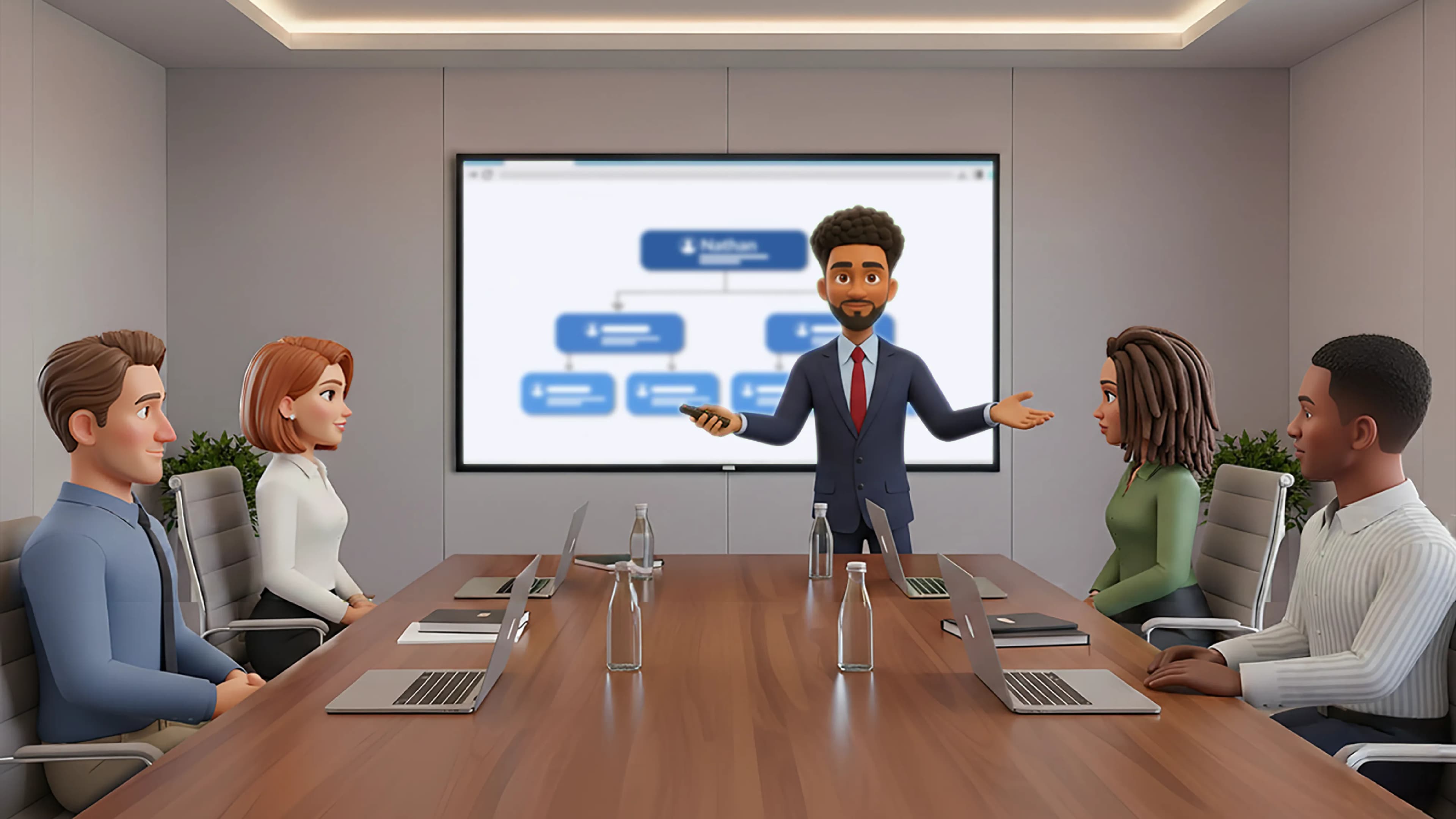


Transitioning from IC to manager requires fundamentally rethinking how you create value. When a high-performing individual contributor steps into their first management role, they often struggle with letting go of hands-on work while building team capability. This JoVE Coach micro-course addresses the mindset shift from personal execution to team enablement, focusing on delegation, boundary-setting, and accountability frameworks that drive results through others rather than personal output.
1. Management Mindset Transition The fundamental shift from individual execution to team enablement represents the core challenge new managers face. Success metrics change from personal productivity to team performance and collaborative results. A technical lead who previously solved complex problems independently must now focus on developing problem-solving capabilities across their team. This transition requires letting go of the satisfaction of personal task completion while finding fulfillment in team achievements. The mindset shift involves moving from "doing" to "directing", setting clear targets, building trust, and creating environments where teams can excel through proper guidance and support systems.
2. Avoiding Common New Manager Pitfalls First-time managers typically fall into predictable traps that undermine team effectiveness and personal leadership credibility. The most damaging mistake involves continuing individual contributor work instead of delegating appropriately, leading to manager burnout and missed team development opportunities. Other critical errors include providing unclear priorities that create team confusion, micromanaging through excessive check-ins that reduce ownership, focusing solely on task completion while neglecting individual team member needs, and accepting unrealistic timelines that damage quality and morale. A project manager who continues coding instead of reviewing team output exemplifies this challenge.
3. Building Leadership Credibility Establishing credibility as a new manager requires demonstrating integrity through consistent follow-through and transparent communication about expectations and success metrics. Leading with curiosity involves asking thoughtful questions and observing existing workflows before implementing changes. Providing visible support by removing daily obstacles enables team efficiency and focus. Leading by example means holding yourself to the same standards expected from team members, including owning mistakes and maintaining accountability for outcomes. A newly promoted operations manager builds credibility by first understanding current processes, then systematically addressing team pain points while communicating progress transparently to all stakeholders.
4. Managing Former Peer Relationships Transitioning from peer to manager requires deliberate boundary establishment and role clarification to prevent confusion and maintain professional effectiveness. This involves clearly communicating the relationship change, defining decision-making authority, and establishing formal communication channels for work requests. Consistency in applying new boundaries becomes critical when former peers test limits or attempt casual interactions that undermine managerial authority. A sales representative promoted to sales manager must shift from collaborative peer relationships to directive leadership while maintaining team cohesion. Success depends on calmly reinforcing expectations and seeking senior management guidance when boundaries are challenged repeatedly.
5. Strategic First 90 Days Planning A structured 30-60-90 day approach provides new managers with clear milestones and focus areas during their critical transition period. The first 30 days emphasize learning through meetings with senior leaders, workflow assessment, and individual team member conversations to understand strengths and challenges. Days 31-60 focus on strengthening existing processes, refining communication templates, and building trust through collaborative work. The final 30 days involve driving alignment between team goals and organizational priorities, clarifying responsibilities, and establishing KPI monitoring systems. A manufacturing supervisor following this framework systematically builds team confidence while establishing clear performance expectations and accountability measures.
6. Ownership and Accountability Leadership Taking ownership of team mistakes while implementing systematic improvements demonstrates mature leadership and builds long-term team trust. This involves acknowledging issues without blame-shifting, communicating transparently with stakeholders about problems and solutions, ensuring proper correction and verification processes, and strengthening systems to prevent future errors. When a marketing team releases incorrect campaign data, an effective manager acknowledges responsibility, communicates with clients and leadership, oversees corrections, and implements review processes. This approach stabilizes client relationships while building team confidence in leadership support during challenging situations and establishing accountability as a core team value.