Loading concepts…


6 Concepts
7 Concepts
9 Concepts
5 Concepts
7 Concepts
7 Concepts
13 Concepts
5 Concepts
5 Concepts
8 Concepts
9 Concepts
6 Concepts
6 Concepts
 9 Concepts
 2.7K Views
 Popular topics





Setting goals and expectations for teams becomes challenging when managers lack structured frameworks to translate company objectives into actionable team performance standards. Many new managers struggle with team members working at different paces, missing deadlines, or delivering inconsistent results because expectations remain unclear or unmeasurable. This JoVE Coach micro-course provides proven frameworks for establishing SMART goals, defining performance standards, and creating accountability systems that drive consistent team results.
1. Goal Setting Fundamentals and the SMART Framework Effective goal setting transforms vague directives into specific, actionable targets that drive team performance. The SMART framework ensures goals are Specific, Measurable, Achievable, Relevant, and Time-bound, providing teams with clear direction and success criteria. Consider a operations manager tasked with improving efficiency: instead of setting a broad goal like "increase productivity," a SMART approach creates specific targets such as "reduce order processing time from 48 hours to 24 hours by quarter-end while maintaining 99% accuracy rates." This specificity eliminates ambiguity, enables progress tracking, and creates shared understanding of what success looks like across the entire team.
2. Distinguishing Goals from Objectives in Team Performance Goals represent broad, long-term outcomes that guide organizational direction, while objectives break these into specific, measurable actions with defined timeframes. This distinction prevents teams from confusing busy work with meaningful progress toward business results. When a customer service manager sets a goal to "improve customer satisfaction," the supporting objectives might include "increase first-call resolution rates from 65% to 80% within six months" and "reduce average response time from four hours to two hours by quarter-end." Understanding this hierarchy helps teams connect their daily tasks to larger business outcomes, improving focus and eliminating work that doesn't contribute to strategic priorities.
3. Writing Clear and Measurable Objectives Measurable objectives transform abstract goals into concrete targets that teams can track and achieve. Effective objectives specify the desired outcome, define success criteria, and establish timeframes for completion. A marketing manager converting the goal "increase brand awareness" into measurable objectives might target "generate 500 qualified leads per month through content marketing" or "achieve 25% engagement rate on social media campaigns within 90 days." This measurability enables regular progress assessment, helps identify performance gaps early, and provides objective criteria for recognizing team achievements. Clear measurement also eliminates subjective interpretations of success and creates accountability for results.
4. Balancing Short-Term and Long-Term Objectives Effective managers help teams manage competing demands between immediate deliverables and strategic initiatives that build long-term success. This balance prevents teams from becoming purely reactive while ensuring urgent priorities receive appropriate attention. A product development manager might allocate 70% of team capacity to immediate feature releases while protecting 30% for research and innovation projects. Successful balance requires regular priority assessment, clear communication about strategic importance, and systems that prevent urgent tasks from completely derailing long-term progress. Teams that master this balance maintain operational effectiveness while building capabilities for future growth.
5. Understanding and Implementing Key Performance Indicators (KPIs) KPIs focus teams on the most vital metrics that indicate progress toward business goals, shifting attention from activity to results. Effective KPIs provide early warning signals when performance deviates from targets, enabling proactive adjustments before problems become crises. A sales manager tracking both activity metrics (calls made) and outcome metrics (conversion rates) can identify when increased effort isn't translating to results. Well-designed KPIs connect daily work to business outcomes, provide objective performance feedback, and help teams understand which activities drive the greatest impact. Regular KPI reviews create accountability and guide resource allocation decisions.
6. Communicating Expectations with Clarity Using the What-Why-How Framework Clear expectation setting eliminates confusion and ensures consistent performance across team members. The What-Why-How framework defines specific requirements, explains the business rationale, and provides implementation guidance. A project manager establishing deadline expectations might specify what deliverables are due (What), explain how delays impact client relationships and team credibility (Why), and outline project management tools and check-in processes (How). This structured approach addresses different learning styles, reduces the need for repeated clarification, and helps team members make autonomous decisions that align with expectations. Regular reinforcement through feedback and recognition strengthens expectation clarity.
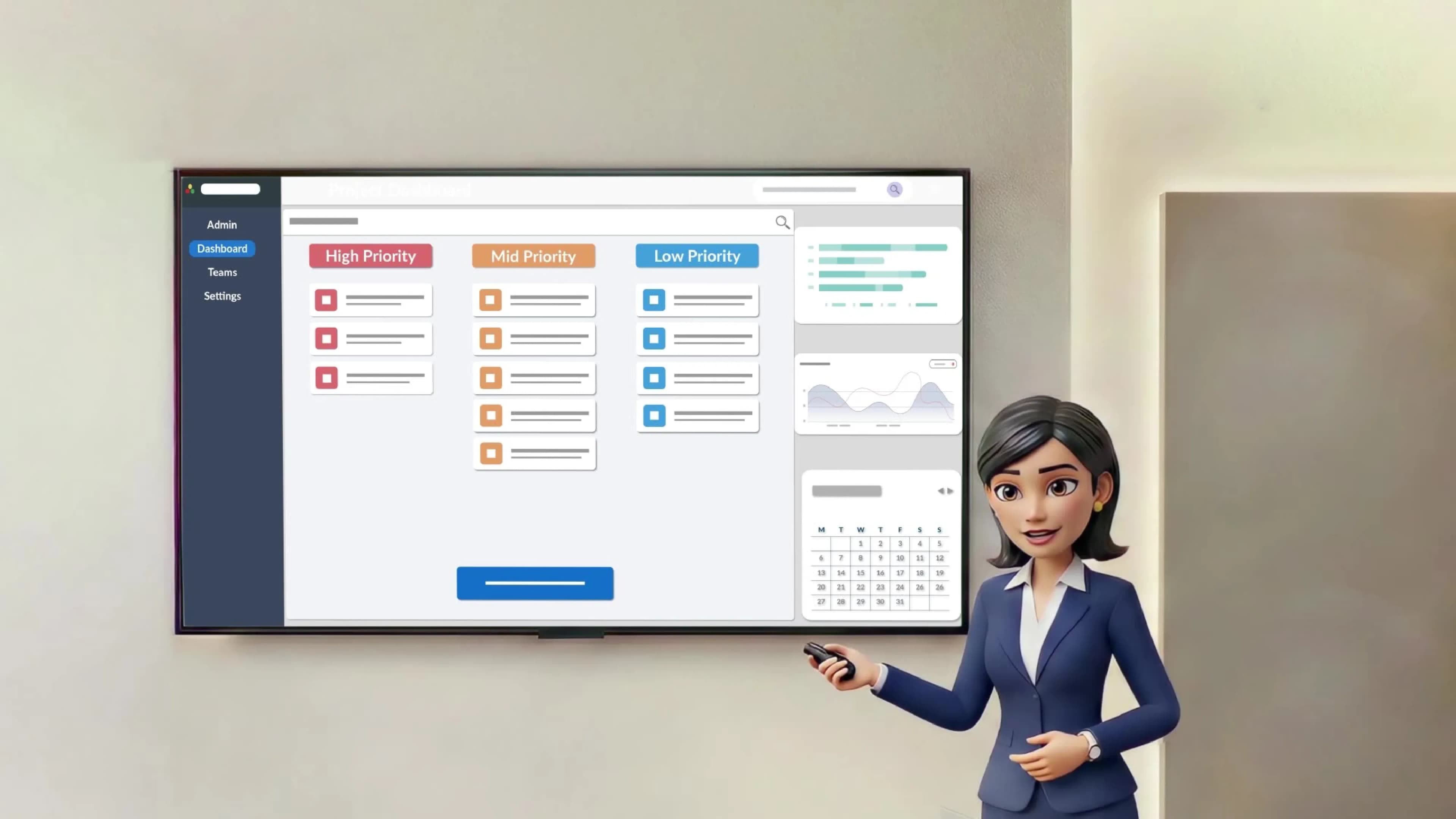
7. Managing Priorities, Scope, and Deadlines Successful managers help teams navigate competing demands while maintaining quality and preventing burnout. This involves clearly defining project scope, establishing realistic deadlines, and making strategic trade-offs when priorities shift. When a client requests additional features mid-project, an effective manager assesses impact on current commitments, communicates scope changes transparently, and adjusts timelines or resources accordingly. Strong priority management requires regular workload assessment, stakeholder communication about trade-offs, and systems for managing scope creep. Teams with clear priority frameworks make better decisions and deliver more predictable results.
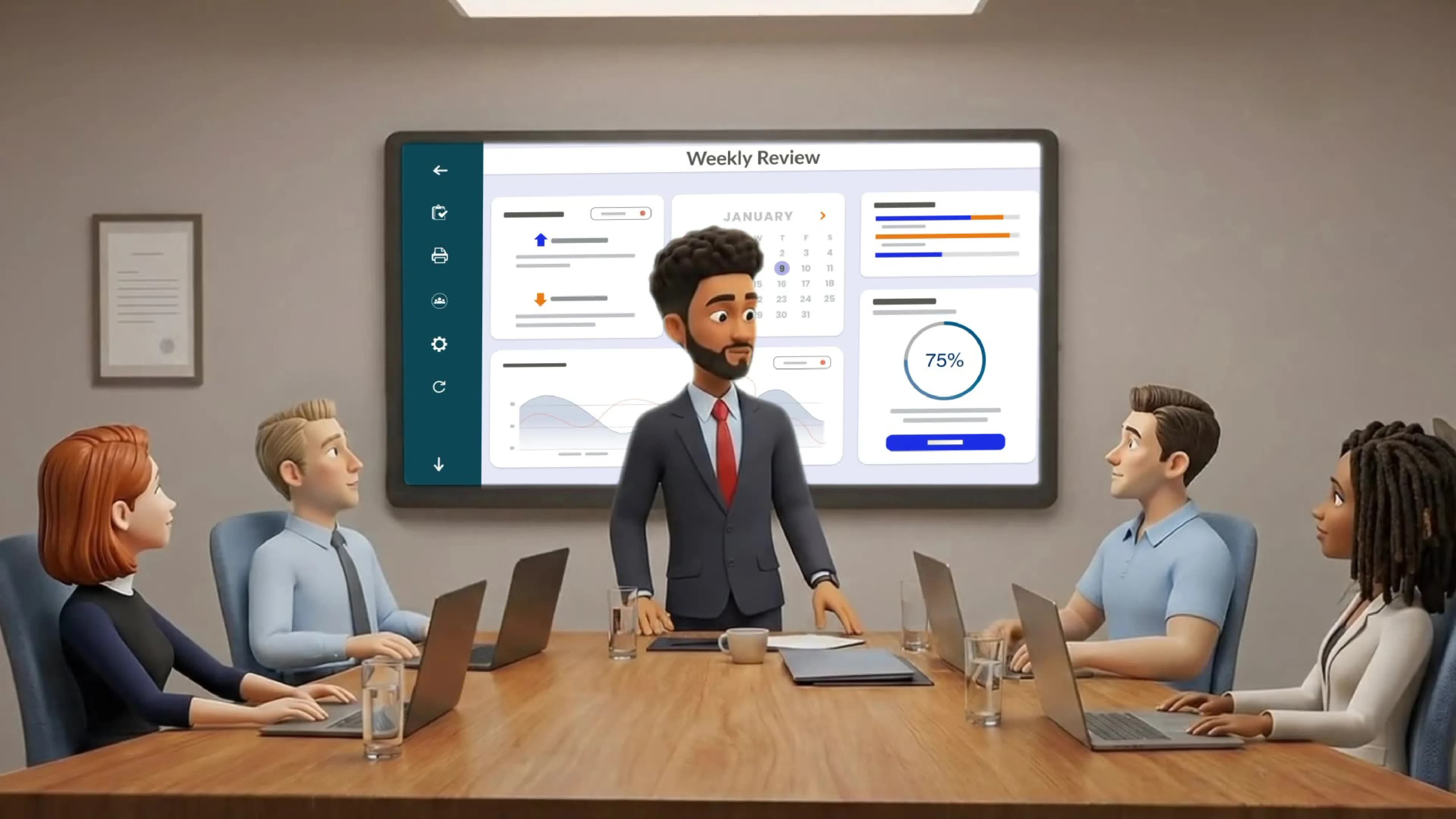
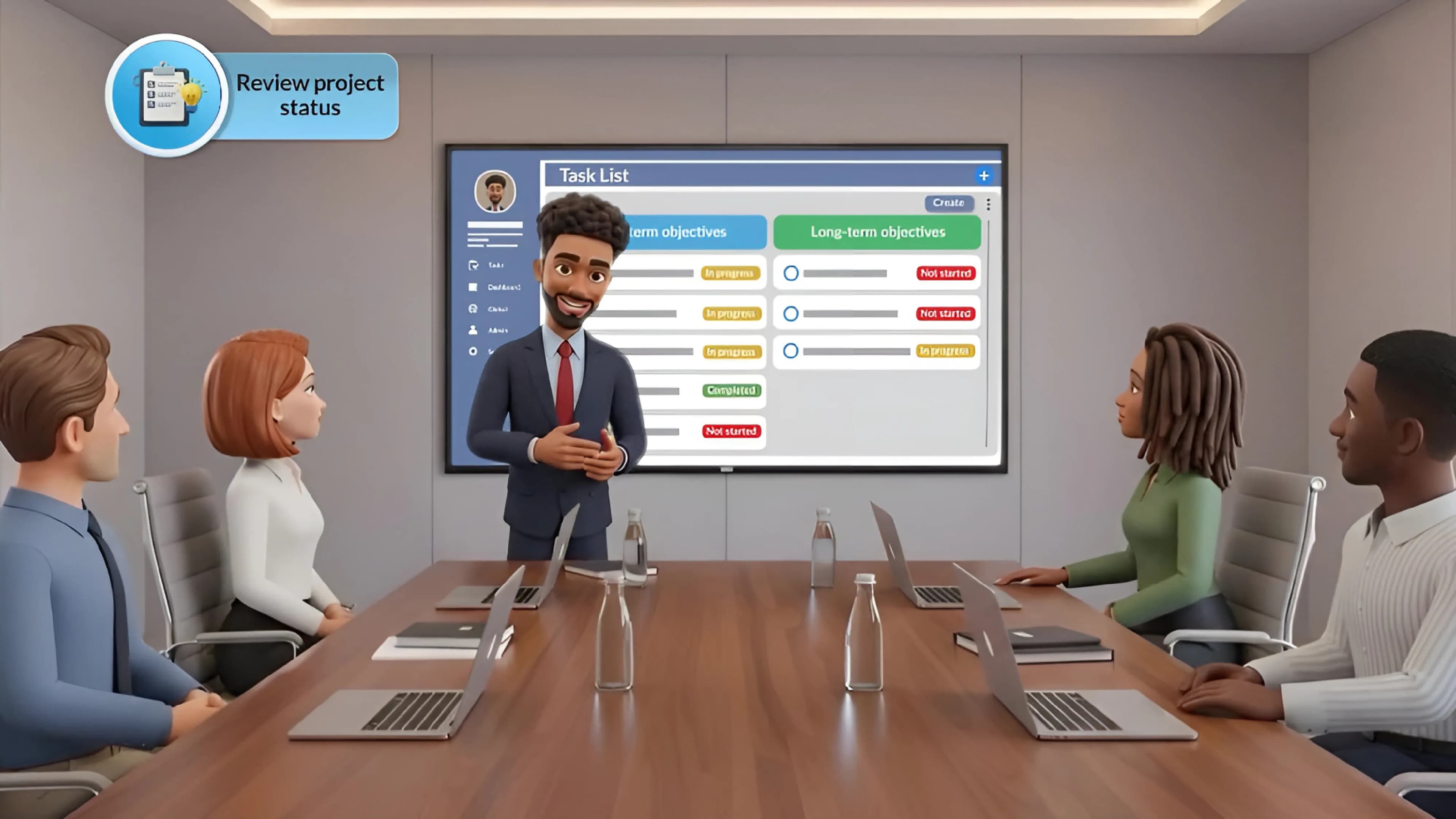
8. Tracking Progress and Driving Accountability Systematic progress tracking creates visibility into team performance and enables early intervention when problems arise. Effective tracking involves clear task ownership, regular check-ins, and shared tools that maintain transparency across the team. A department head might implement weekly status updates where each team member reports progress against specific milestones, identifies obstacles, and commits to next steps. Strong accountability systems combine individual ownership with team visibility, making performance gaps obvious and creating peer pressure for consistent delivery. Regular progress reviews should focus on problem-solving rather than blame, encouraging teams to escalate issues early.