Loading concepts…


6 Concepts
7 Concepts
9 Concepts
5 Concepts
7 Concepts
7 Concepts
13 Concepts
5 Concepts
5 Concepts
8 Concepts
9 Concepts
6 Concepts
6 Concepts
 7 Concepts
 3.3K Views
 Popular topics





Building managerial mindset transforms individual contributors into effective leaders who can navigate complex team dynamics, make data-driven decisions, and adapt to changing business priorities. When teams underperform, miss deadlines, or struggle with unclear priorities, the root cause often traces back to management thinking patterns rather than individual capability gaps. This JoVE Coach micro-course develops essential leadership thinking skills through practical frameworks that address real workplace challenges facing first-time and experienced managers alike.
1. Systems Thinking in Daily Management Systems thinking enables managers to diagnose recurring team problems by examining interconnected processes rather than isolated incidents. This approach reveals how workflow gaps, communication breakdowns, and resource constraints create cascading effects across team performance. A department head managing quarterly reporting discovers that incomplete data submissions stem from unclear template requirements rather than individual negligence. By mapping the entire process and identifying systemic gaps, they implement mandatory field validation and verification checkpoints, eliminating recurring delays and improving cross-team coordination for future reporting cycles.
2. Structured Decision-Making Frameworks Effective managers use systematic approaches like the DECIDE model to evaluate competing priorities, allocate resources, and choose between strategic alternatives. This framework ensures decisions align with business objectives while incorporating stakeholder input and risk assessment. When a operations manager must choose between two process improvement initiatives with limited budget, they define clear evaluation criteria including implementation timeline, expected ROI, and resource requirements. By systematically comparing alternatives against consistent criteria and documenting the decision rationale, they build stakeholder confidence and create a foundation for measuring success against original expectations.
3. Bias Recognition and Mitigation Cognitive biases significantly impact management decisions, particularly in performance evaluations, resource allocation, and team development planning. Successful managers develop awareness of common biases like recency effect and visibility bias that can distort judgment. A team lead conducting annual reviews notices they're rating vocal team members higher than quiet but consistent performers. By implementing structured evaluation criteria, reviewing objective performance data, and using consistent assessment frameworks across all team members, they ensure fair evaluations that accurately reflect individual contributions and support equitable development opportunities.
4. Data-Driven Team Management Effective managers use quantitative analysis to optimize team performance, distribute workloads equitably, and identify capacity constraints before they impact delivery. This approach replaces assumptions with objective evidence and creates transparency in resource allocation decisions. A project manager noticing uneven task distribution across team members develops metrics including active assignments, estimated hours, deadline pressure, and individual expertise areas. By visualizing workload data and redistributing tasks based on capacity and capability analysis, they eliminate bottlenecks, reduce team frustration, and improve overall project delivery predictability.
5. Cross-Functional Team Facilitation Managing diverse teams with competing priorities requires structured facilitation skills that generate consensus while respecting different perspectives and expertise areas. Effective facilitation ensures all voices are heard and decisions reflect comprehensive stakeholder input. A program manager leading budget planning sessions with finance, engineering, and marketing representatives establishes clear meeting objectives, guides discussion to ensure balanced input, and prevents premature consensus that excludes important considerations. By creating structured dialogue and confirming agreement on next steps, they build cross-functional alignment and shared accountability for implementation success.
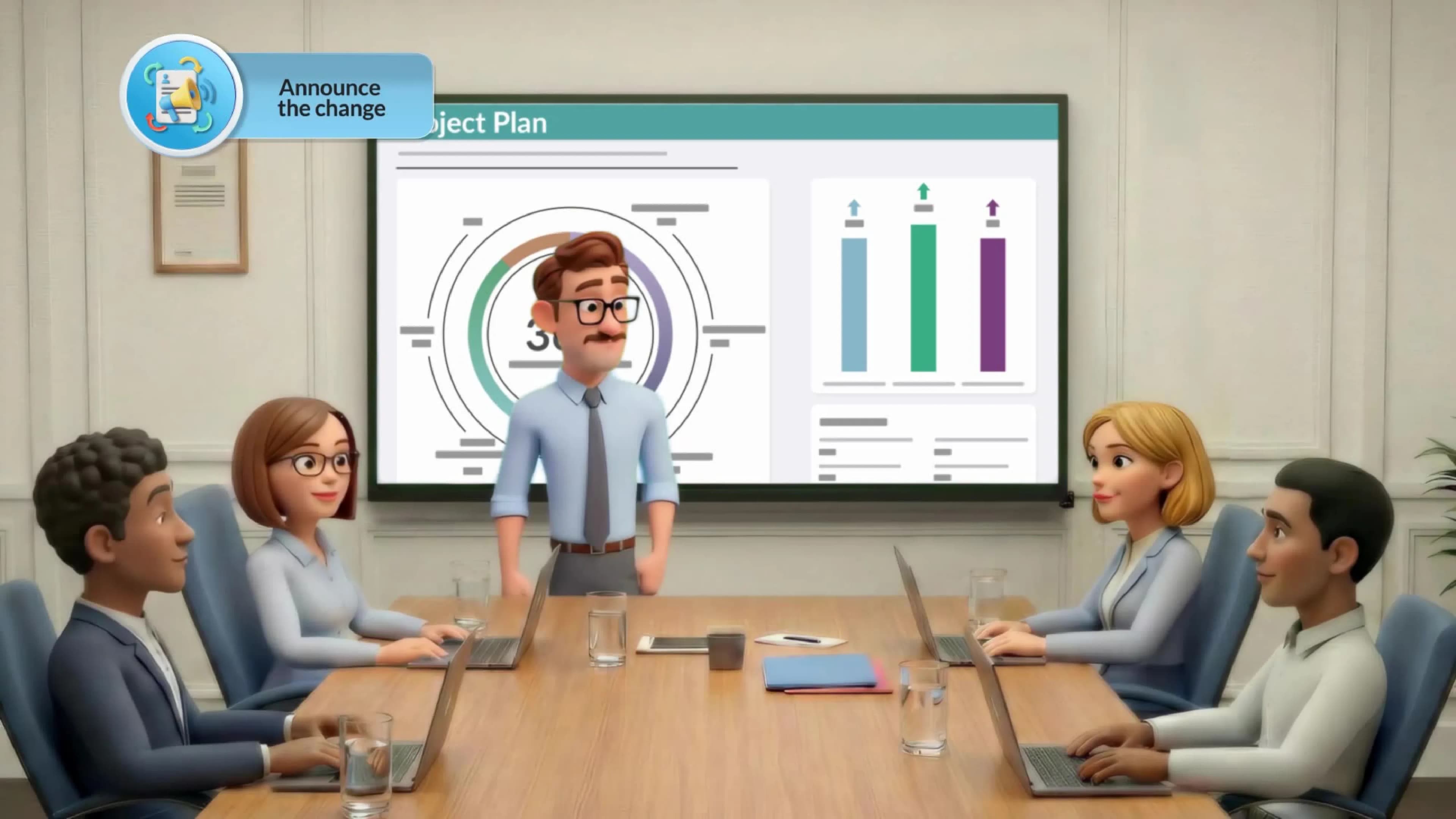
6. VUCA Environment Leadership Volatile, uncertain, complex, and ambiguous business conditions require managers who can communicate change effectively, realign team priorities, and maintain execution momentum despite shifting requirements. This involves structured change management and clear communication protocols. When a client services manager receives sudden requirement changes affecting multiple ongoing projects, they immediately announce the change with context, reassess team priorities and capacity, redistribute tasks based on new requirements, and communicate updated timelines with clear individual responsibilities. This systematic approach transforms uncertainty into actionable plans while maintaining team confidence and stakeholder trust.
7. Learning from Management Mistakes Effective managers treat setbacks as development opportunities by systematically analyzing planning assumptions, gathering stakeholder feedback, and implementing corrective actions that prevent similar issues. A project manager whose ambitious timeline creates team burnout and missed deliverables acknowledges the gap between planned and actual results, analyzes root causes including resource assumptions and stakeholder requirements, aligns with leadership on corrective measures, and applies lessons learned to future project planning. This approach builds credibility, improves decision quality, and demonstrates accountability that strengthens team trust and management effectiveness.