Loading video…


 7 Concepts
 3.2K views

Video Summary: Facilitating Team Decisions with Confidence
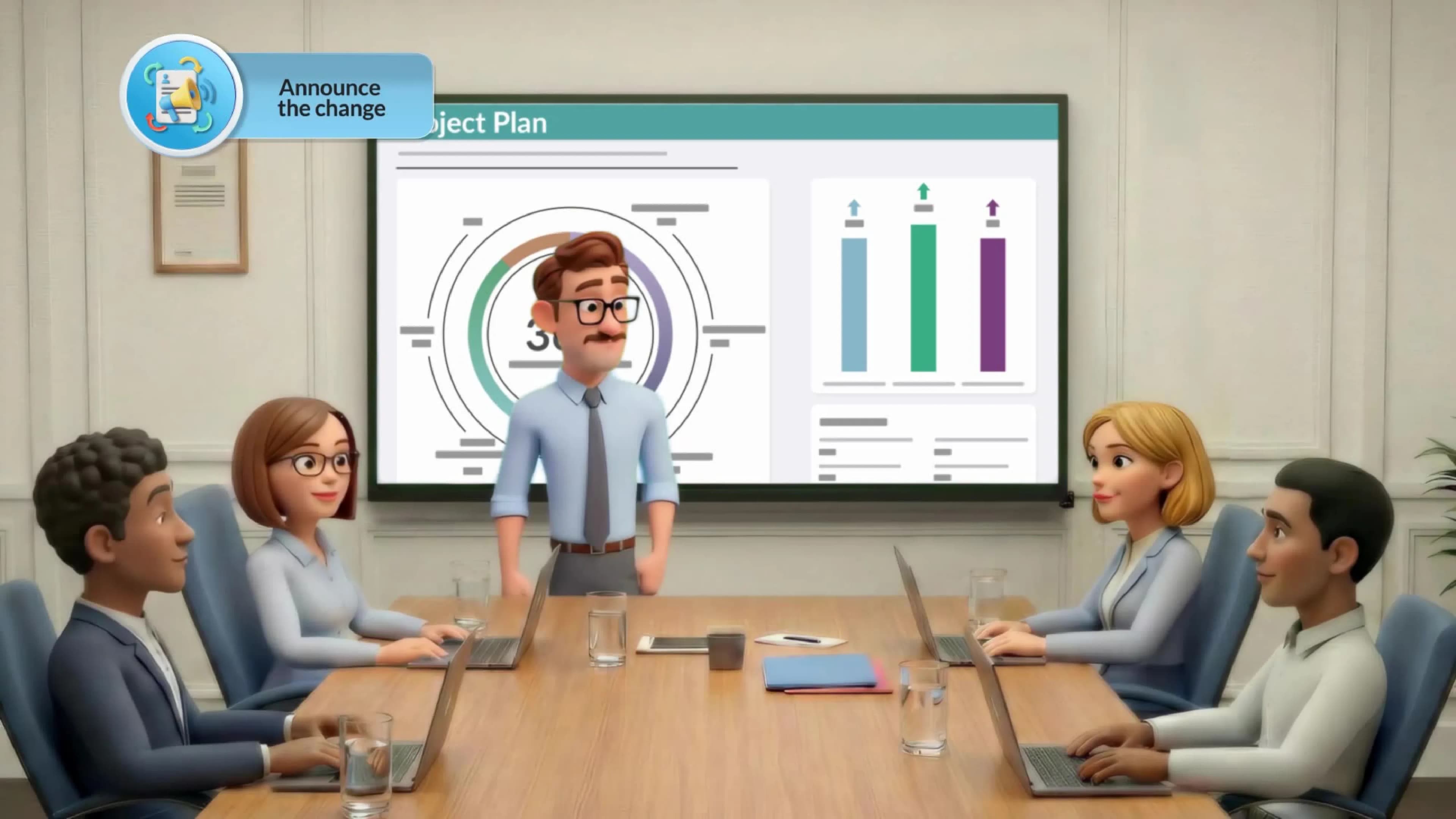
Facilitating team decisions means guiding a group through a structured discussion so they reach a shared, well-informed conclusion rather than stalling or rushing to a poor one. Cross-functional teams often struggle because different roles carry different priorities, which makes conversations unproductive. A manager who prepares clear discussion points, keeps the conversation inclusive, and confirms the outcome helps the team move forward with confidence. This skill sits at the heart of making effective decisions as a manager.
Productive team decisions start before anyone enters the room. Defining the key points the team needs to discuss in advance gives the meeting direction and prevents the conversation from drifting. When everyone knows what is being decided, the discussion stays focused and time is used well.
A manager's role in the meeting is to direct the discussion, not dominate it. That means actively inviting team members to share their views and keeping the conversation moving without shutting anyone down. Building trust and collaboration within the team makes this kind of open exchange possible.
When team members have different priorities, there is a real risk that louder voices crowd out quieter ones, or that the group rushes to agree before all concerns are on the table. A good facilitator prevents that by deliberately drawing out every perspective. Practicing bias awareness in decision making helps recognize when certain views are being overlooked.
After all perspectives are shared, the team reviews the full picture together and agrees on the best solution. This collective review is what makes a decision well-informed rather than reactive. Incorporating relevant evidence, including using data to guide team decisions, strengthens the quality of that final choice.
Once the team agrees, the manager confirms the decision explicitly and assigns clear responsibilities for what happens next. This closes the loop and prevents ambiguity about who owns which action. Pairing this with delegating work with clarity and accountability ensures momentum is maintained after the meeting ends.
Related Micro-courses