Loading video…


 7 Concepts
 3.3K views

Video Summary: Making Effective Decisions
The DECIDE model is a six-step framework that helps managers make structured, transparent decisions. The steps are Define, Establish, Consider, Identify, Develop, and Evaluate. Each step builds on the last, moving from clarifying what the decision actually requires through to reviewing whether the chosen path delivered the intended results. This process is part of building a managerial mindset and gives managers a repeatable method for handling choices consistently.
Before comparing any options, you clarify the objective, scope, and constraints of the choice. This step ensures the decision stays aligned with current business priorities rather than drifting toward solutions that solve the wrong problem. Getting clear on what you are actually deciding prevents wasted effort later.
You set specific factors, such as risk, timeline, and expected return, that will be used to evaluate every option the same way. Criteria make comparison fair and defensible. Using data to evaluate options at this stage helps you choose factors that reflect real constraints rather than assumptions.
With criteria in place, you compare the available proposals against those factors and gather feedback from key stakeholders. Bringing in multiple perspectives reduces the chance that a single blind spot shapes the outcome. Staying alert to bias awareness during this step keeps the comparison honest.
After the analysis is complete, you select the alternative that best satisfies the decision criteria. This step is a direct output of the work done in the previous stages, not a judgment call made in isolation. The criteria established earlier serve as the measurable basis for the choice.
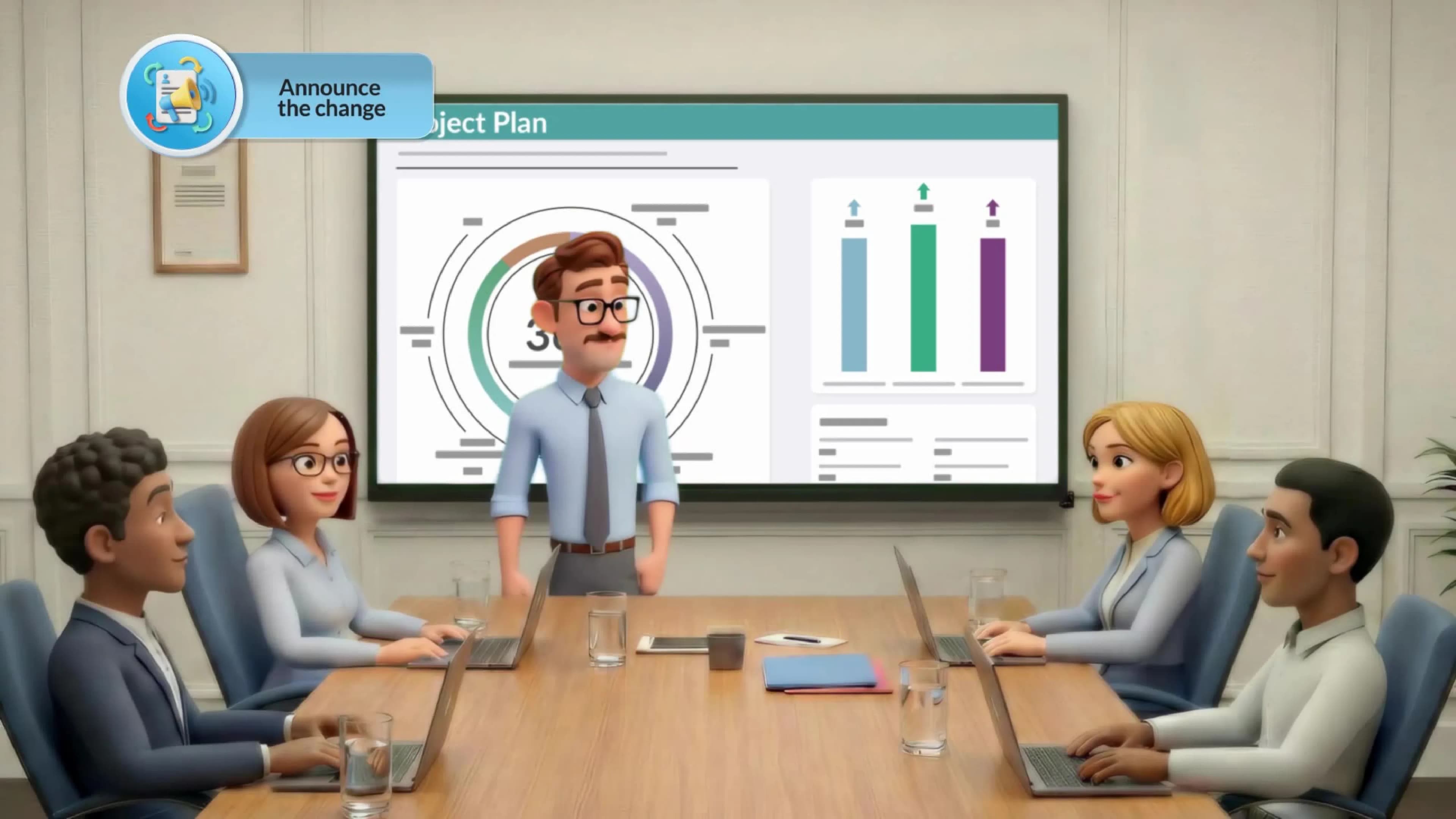
Once the decision is made, you move immediately to execution by assigning ownership, setting timelines, and overseeing delivery. This step turns a choice into a concrete outcome. Pairing this with assigning ownership with clarity helps ensure each task reaches the right person.
After implementation, you compare actual results against the original criteria and record what worked and what did not. Documenting lessons learned is what turns one decision into a resource for the next. This connects naturally to learning from past decisions as a habit.
Related Micro-courses