Loading video…


 7 Concepts
 3.3K views

Video Summary: Bias Awareness for Better Decision Making
Bias awareness in decision making means recognizing when personal impressions or unconscious preferences are shaping a judgment rather than actual evidence. For managers, this matters most in high-stakes situations like performance evaluations, where unexamined bias can skew ratings, affect bonuses, and influence promotion decisions. Grounding evaluations in documented performance data rather than visibility or personality is how a manager keeps decisions fair and defensible. This is a core part of making effective decisions as a new leader.
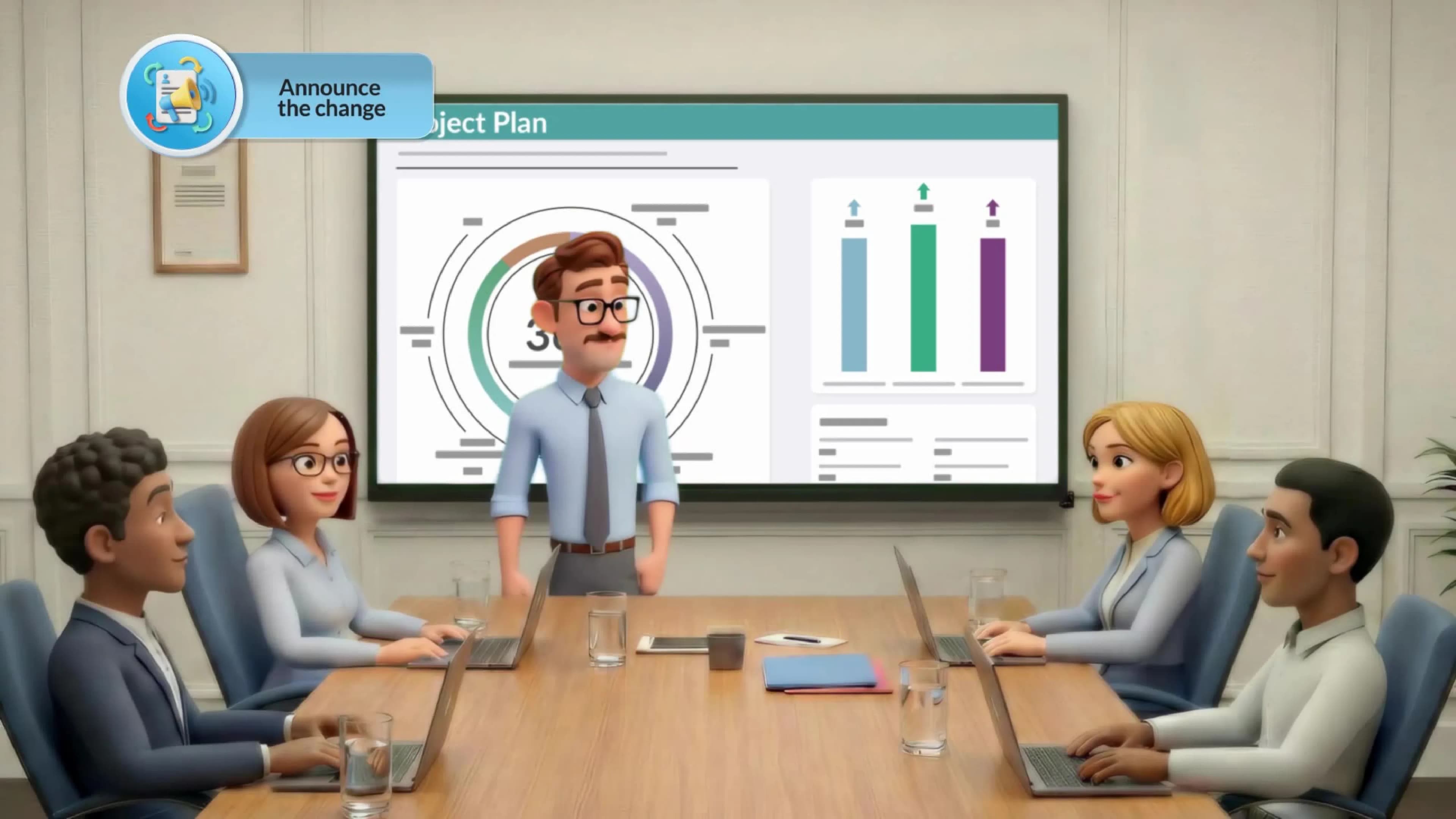
A team member who speaks up often in meetings can seem like a stronger performer, even when the record tells a different story. This visibility bias pulls attention toward who stands out socially rather than who delivers consistent results. Managers who rely on impressions risk rewarding presence over performance.
Objective metrics such as project timelines, quality scores, and delivery outcomes give evaluations a stable foundation. When you review the same data points for every team member, the evaluation reflects actual work rather than personality. Using data to guide team decisions replaces guesswork with evidence.
Applying the same criteria to every team member is what makes an evaluation fair rather than just thorough. If one person is rated on meeting contribution while another is rated on project outcomes, the comparison breaks down. Facilitating team decisions with confidence starts with criteria that hold steady across the board.
Bias correction is not automatic. It requires a conscious pause to ask whether the judgment forming in your mind reflects evidence or impression. Stopping mid-process to redirect attention back to the data is an active skill, not a passive one. A manager who catches the drift and corrects course produces a more defensible outcome.
Casual opinions about an employee, formed through hallway conversations or meeting dynamics, are not performance data. Setting those impressions aside and returning to what the record actually shows is the practical work of bias reduction. Strong managing team performance and feedback depends on that discipline.
Related Micro-courses