Loading concepts…


6 Concepts
7 Concepts
9 Concepts
5 Concepts
7 Concepts
7 Concepts
13 Concepts
5 Concepts
5 Concepts
8 Concepts
9 Concepts
6 Concepts
6 Concepts
 13 Concepts
 3.1K Views
 Popular topics









Managing team performance and feedback effectively separates successful leaders from overwhelmed managers struggling with underperforming teams, missed deadlines, and recurring quality issues. Modern managers need systematic approaches to diagnose performance gaps, deliver constructive feedback, and build accountability while maintaining team morale. This JoVE Coach micro-course provides proven frameworks for reading team dynamics, setting clear standards, and turning feedback conversations into measurable improvements.
1. Reading Team Dynamics and Development Patterns Understanding team dynamics involves systematically observing how members communicate, handle disagreement, follow through on commitments, and align toward shared results. Effective managers track specific indicators like trust levels during information sharing, conflict resolution approaches, and accountability patterns after decisions. This skill matters because teams with poor dynamics experience communication breakdowns, missed deadlines, and reduced collaboration. For example, a team lead managing a cross-functional product launch can identify early warning signs when team members avoid sharing concerns or fail to take ownership of interdependent tasks, allowing for proactive intervention before project delays occur.
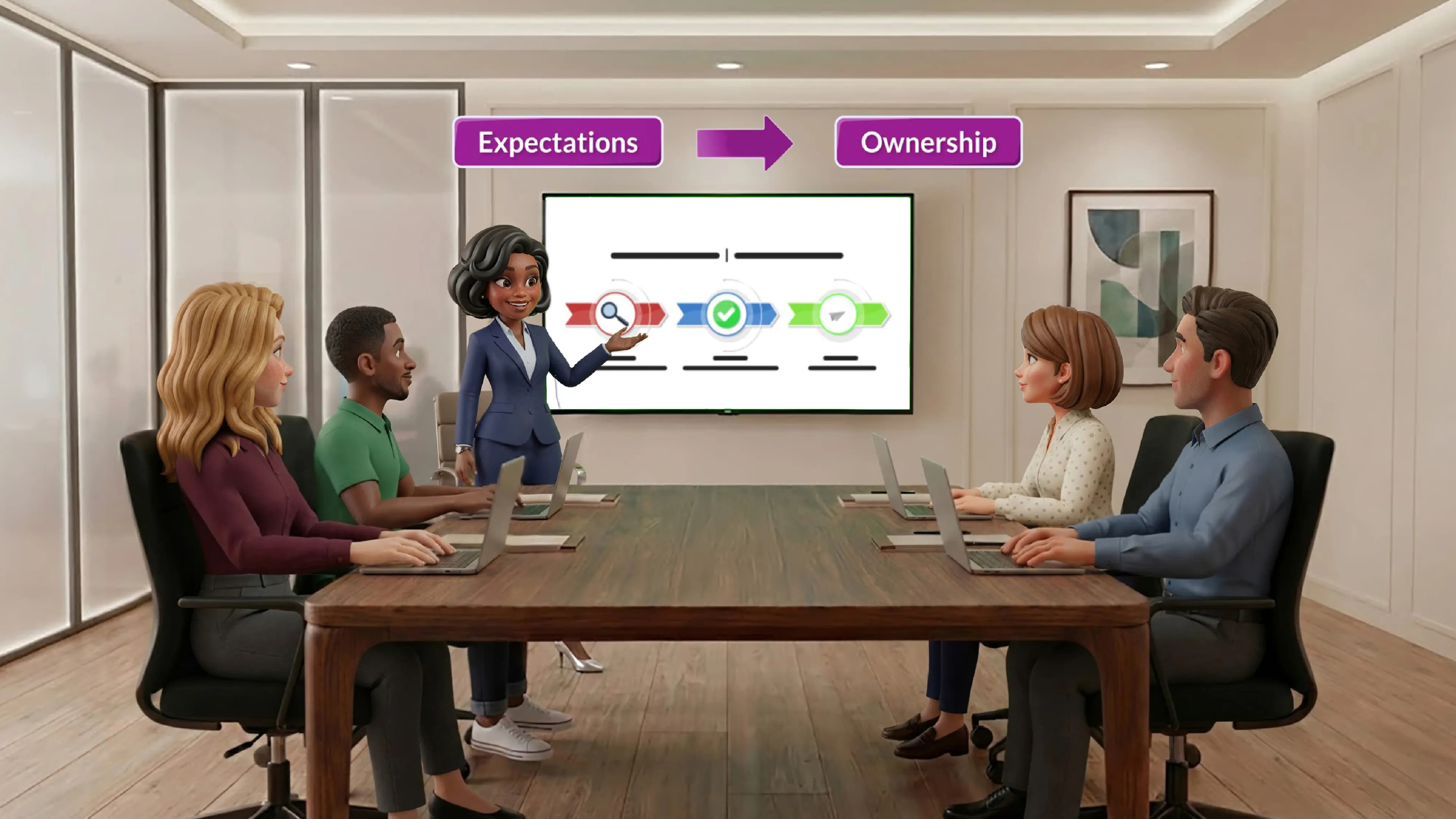
2. Performance Standards and Results Focus Setting clear performance standards means defining specific outcomes, quality expectations, and timelines while connecting daily work to broader business results. Managers must shift team conversations from effort-based to results-focused discussions, helping team members understand how individual contributions drive organizational success. This approach prevents the common scenario where teams work hard but fail to achieve key objectives. When a department head notices their team tracking multiple metrics without improving customer retention, establishing clear performance standards helps redirect energy toward activities that directly impact business outcomes, creating alignment between individual effort and organizational priorities.
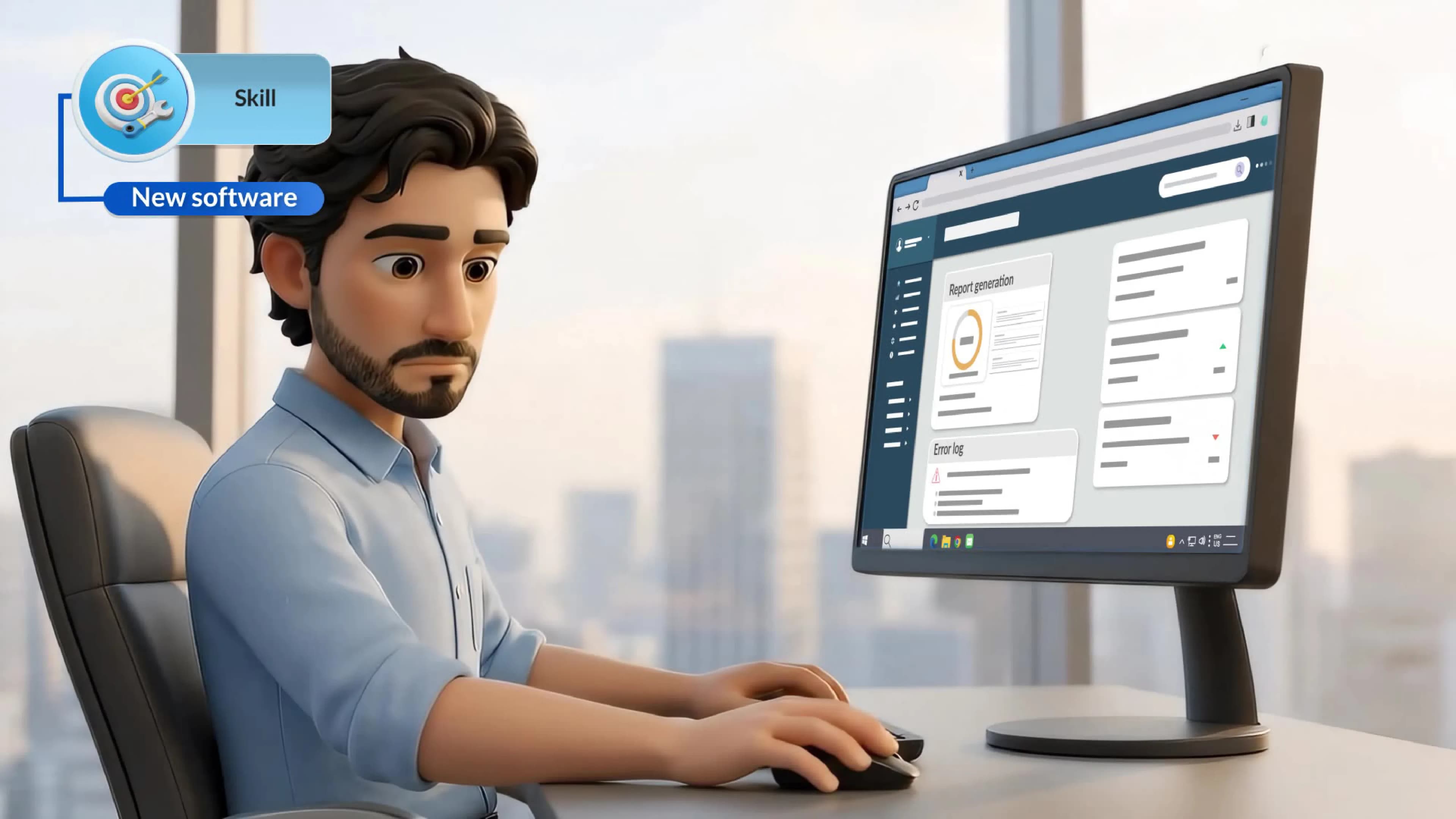
3. Performance Gap Analysis and Targeted Solutions Diagnosing performance gaps requires systematic evaluation of four critical factors: knowledge, skill, motivation, and environmental barriers. Rather than assuming root causes, effective managers investigate whether underperformance stems from unclear expectations, skill deficiencies, engagement issues, or systemic obstacles. This diagnostic approach leads to targeted solutions rather than generic interventions. For instance, when a project manager notices consistently late deliverables from a team member, analyzing these four factors might reveal a software proficiency gap rather than a motivation problem, leading to specific training rather than disciplinary action and faster performance recovery.
4. Constructive Feedback and Improvement Planning Delivering constructive feedback using structured models like Situation-Behavior-Impact ensures conversations remain objective and actionable rather than personal or vague. Managers must connect feedback to observable behaviors and measurable outcomes, creating clear pathways for improvement. This skill transforms feedback from uncomfortable conversations into productive development discussions. When a team lead addresses communication issues with a direct report who interrupts clients during meetings, using the SBI model helps focus on specific behaviors and their business impact, making it easier for the employee to understand and modify their approach while maintaining professional relationships.
5. Performance Improvement Plans and Formal Reviews Managing formal performance processes requires structured approaches that combine clear expectations, regular monitoring, and documented progress tracking. Performance Improvement Plans provide frameworks for addressing persistent performance gaps through measurable goals and defined support systems. Objective appraisals rely on evidence-based evaluation rather than subjective impressions, ensuring fairness and legal compliance. A operations manager implementing a PIP for consistently missed production targets creates accountability through specific metrics, regular check-ins, and documented outcomes, protecting both the individual's development opportunity and the team's overall performance standards while maintaining organizational consistency.
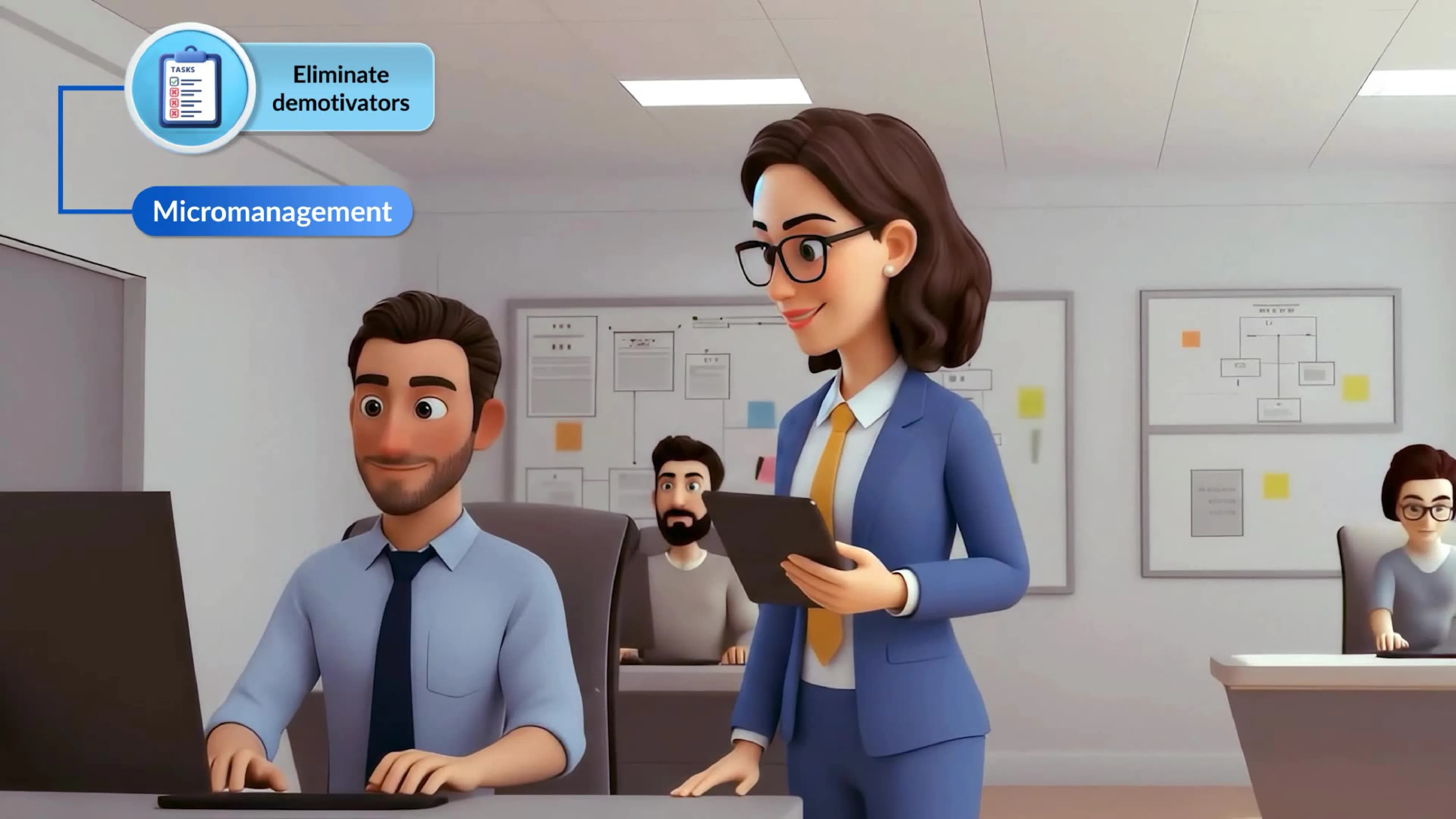
6. Retention and Development of High Performers Keeping and developing top performers requires eliminating demotivators while providing meaningful challenges, recognition, and growth opportunities. Managers must identify what drives high performers beyond basic compensation, including autonomy, skill development, and impact visibility. Continuous improvement cultures encourage ongoing learning and adaptation as business needs evolve. When a department head notices their strongest performer becoming disengaged with routine tasks, providing advanced project responsibilities, public recognition for achievements, and mentorship opportunities can restore motivation while developing leadership capacity for future organizational needs and preventing talent loss to competitors.