Loading video…

 13 Concepts
 3.1K views

Video Summary: Designing and Managing a Performance Improvement Plan
A performance improvement plan (PIP) is a structured process managers use to address ongoing performance gaps through measurable goals, defined timelines, and active support. It begins with identifying the specific shortfalls, moves through a documented support period, and concludes with a formal decision about continued employment. When informal feedback has not produced change, a PIP creates accountability and a clear record for both the manager and the employee. Learn more about addressing underperformance as part of this broader process.
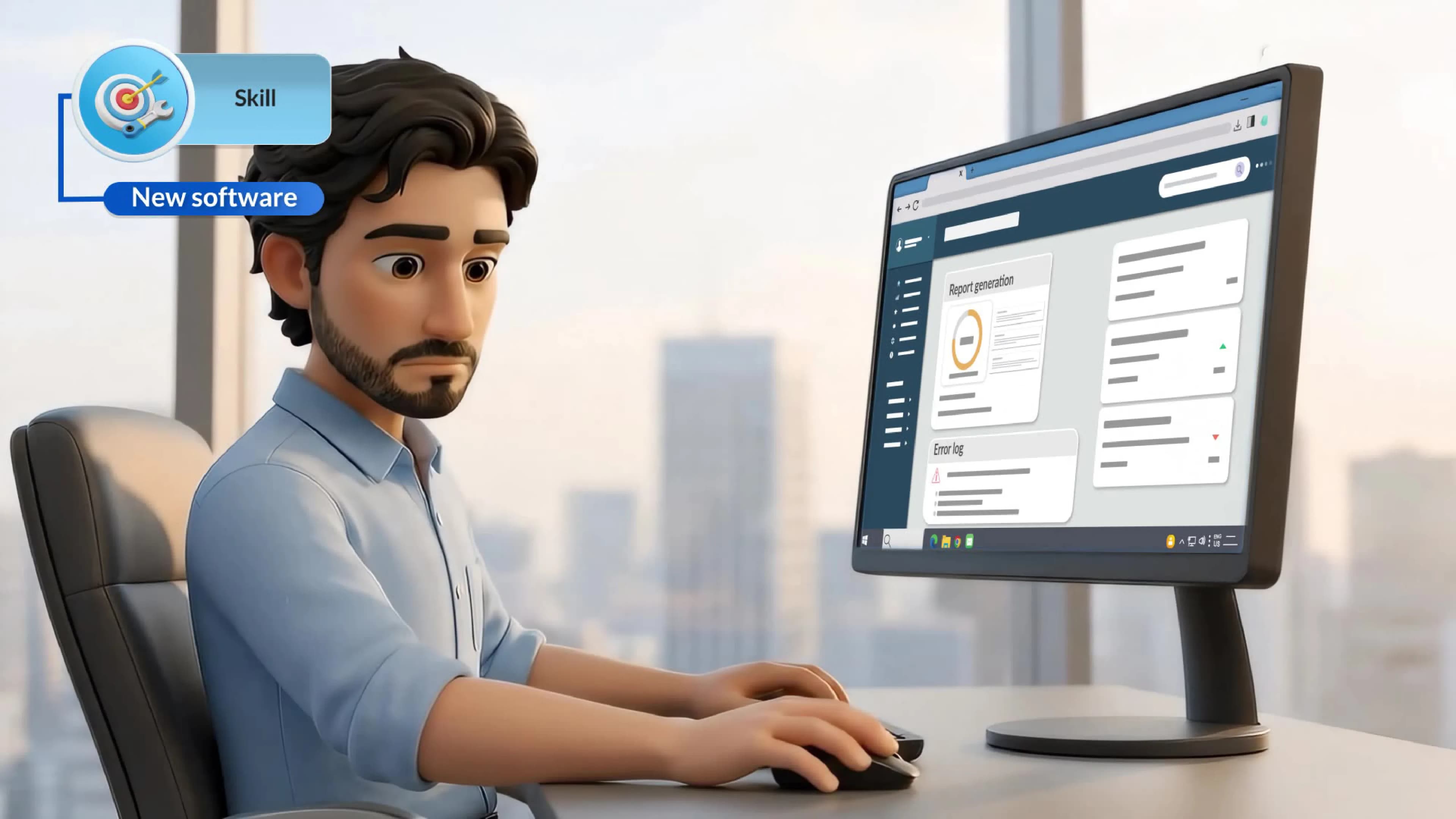
Before drafting a PIP, compare the employee's current results against expected standards to identify exactly where performance falls short, whether in meeting targets, quality of work, or specific skills. This analysis gives the plan a factual foundation rather than relying on general impressions. See diagnosing performance gaps for a detailed approach.
Once gaps are identified, write a plan with measurable goals, clear expected outcomes, and a defined timeline, typically 30 or 60 days, based on company policy. Precise goals tied to clear performance standards make it possible to assess progress objectively at each review point.
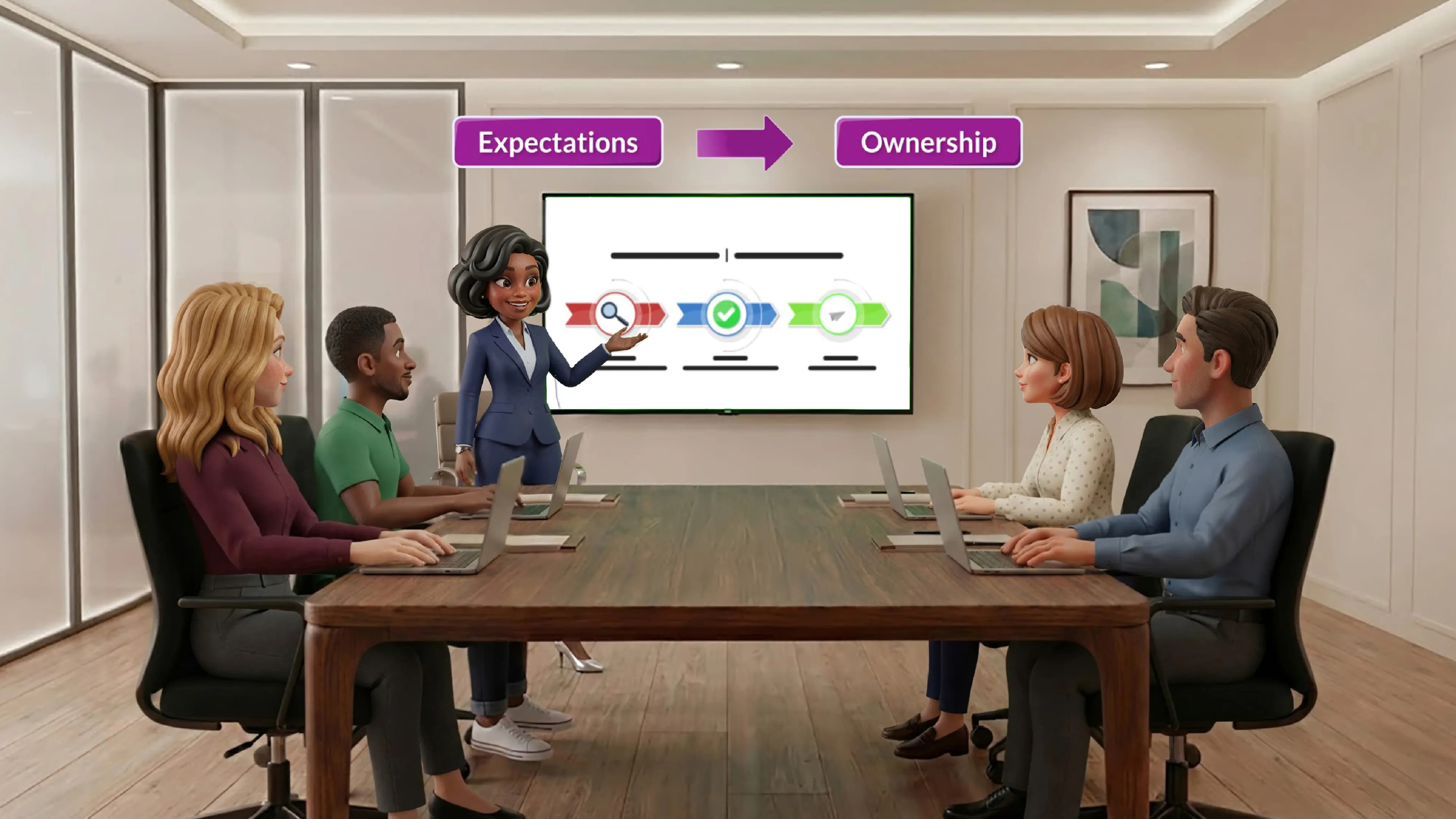
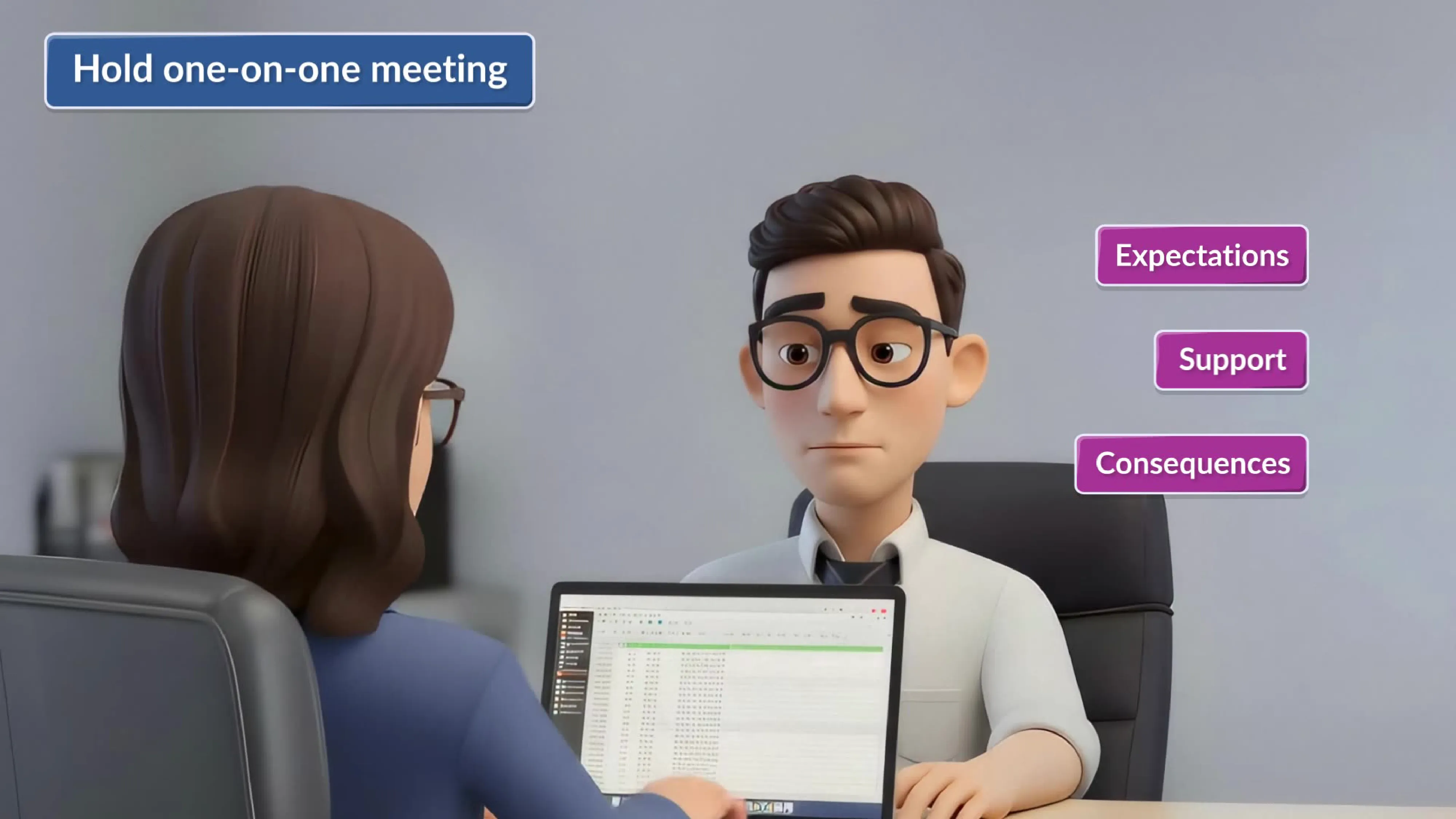
Hold a one-on-one meeting with the employee to present the plan, outline what support is available, and explain the possible consequences if standards remain unmet. This conversation ensures the employee understands what is required and removes any ambiguity. Applying skills from giving constructive feedback helps keep the discussion focused and productive.
Throughout the PIP period, schedule regular progress meetings and provide mentoring or training as needed. Consistent check-ins give the employee opportunities to course-correct and signal that the manager is invested in their improvement, not just documenting failure.
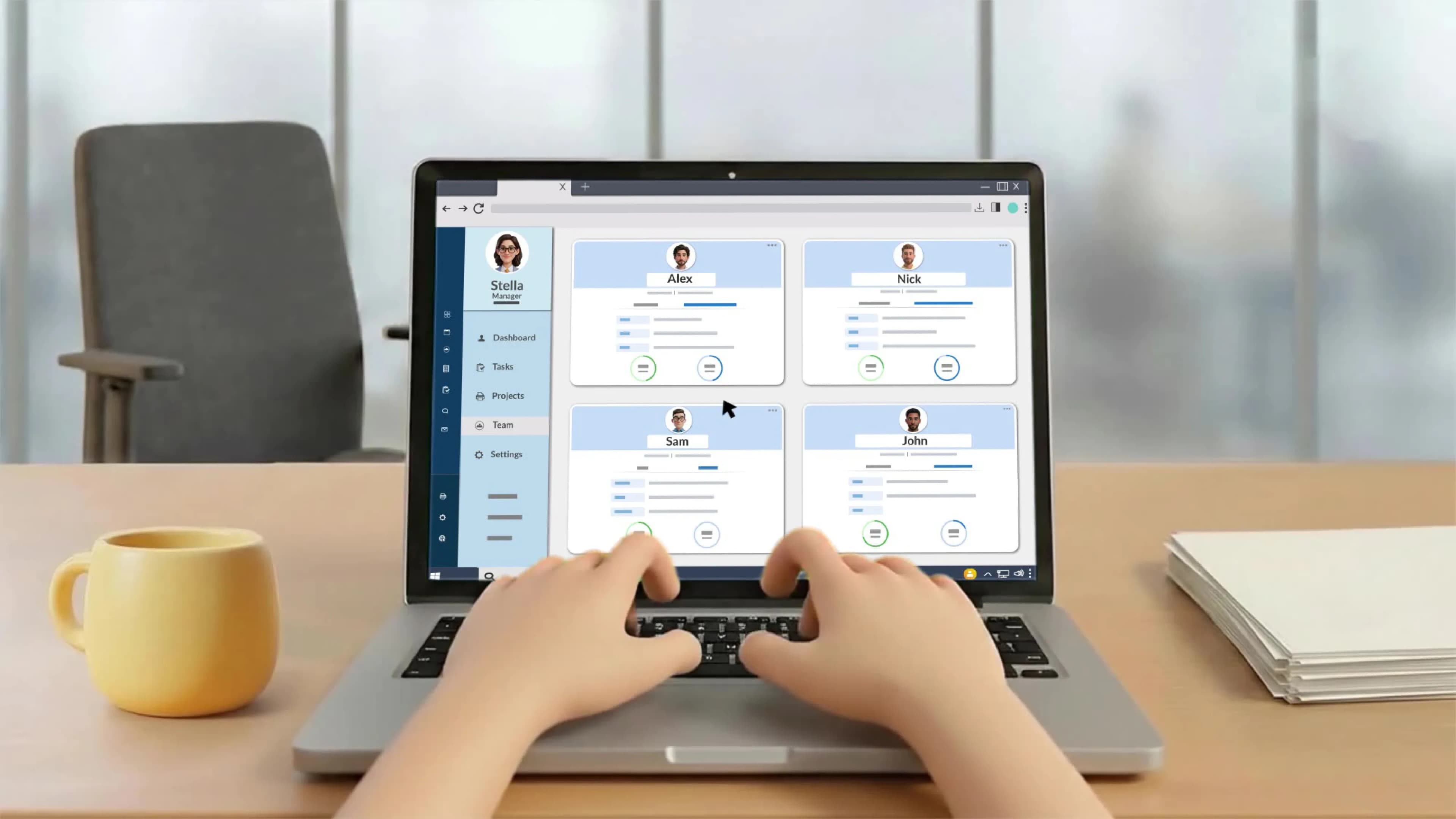
Record progress at each checkpoint throughout the review period. Consistent documentation creates a verifiable record that supports compliance, protects both parties, and gives HR the evidence needed to make informed decisions. Tracking team development offers practical methods for maintaining this kind of ongoing record.
At the close of the review period, coordinate with HR to assess outcomes and decide whether to continue employment or proceed with termination if performance standards remain unmet. Involving HR ensures the decision follows company policy and is handled consistently and fairly.
Related Micro-courses