Loading video…

 13 Concepts
 3.1K views

Video Summary: How to Read Team Dynamics
Reading team dynamics means observing how team members communicate and work together during daily operations. A manager does this by watching four signals: the level of trust among team members, how disagreement is handled, whether people follow through on commitments, and whether conversations stay focused on shared outcomes rather than individual priorities. These observations, made consistently, give a manager a clear picture of how the team actually functions. For broader context, see managing team performance and feedback.
Trust is visible in everyday behavior. When team members feel comfortable asking for help and sharing information or ideas openly, the team has a healthy trust level. Silence, guarded communication, or reluctance to admit gaps are signs that trust may be underdeveloped. Building trust and collaboration is a key part of a manager's role from the start.
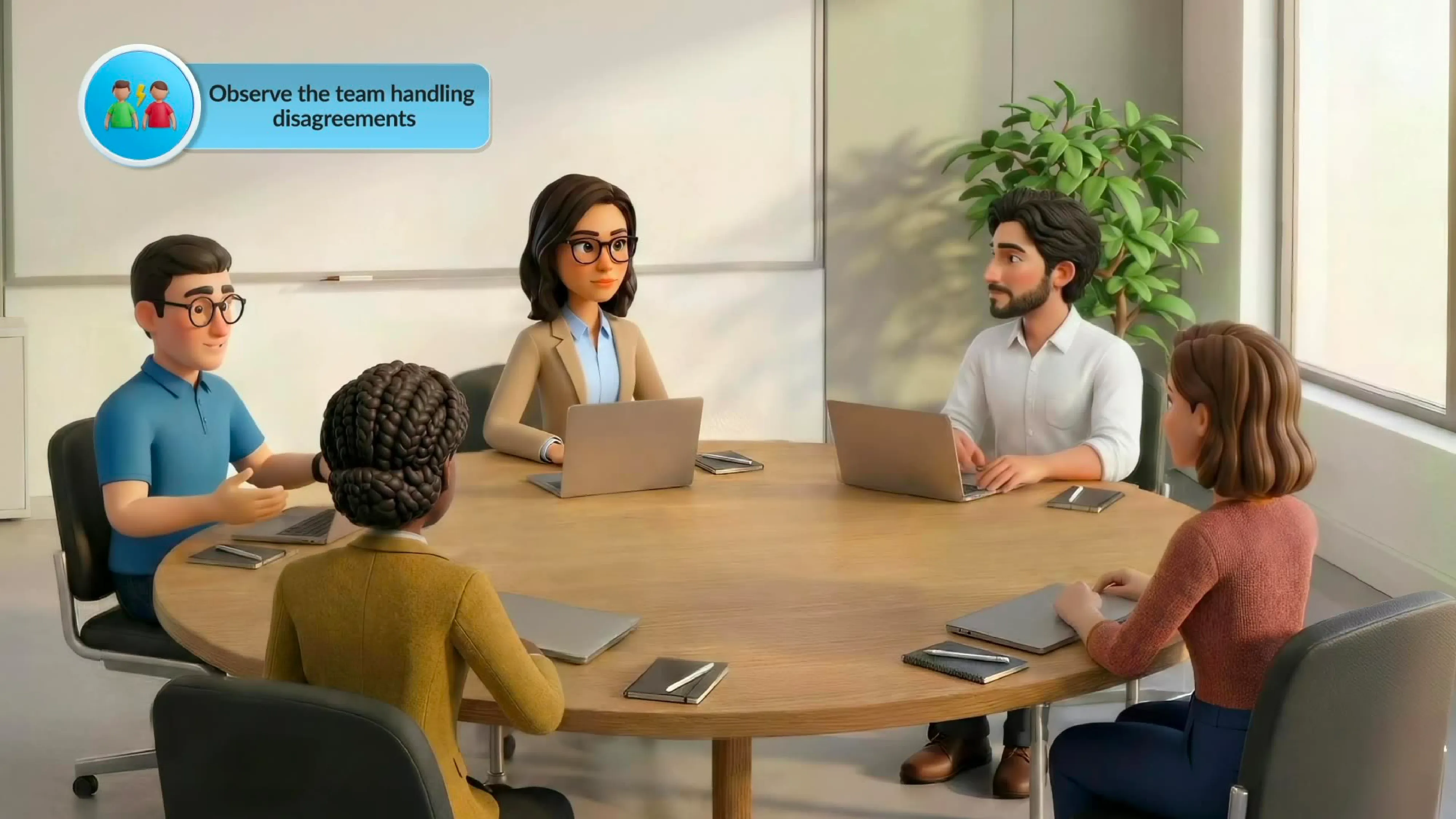
A manager pays attention to how differing opinions surface. Teams that express disagreement constructively are more likely to surface real problems and make better decisions. Teams that stay silent to avoid friction may seem smooth on the surface but suppress important perspectives. Knowing the difference matters for handling difficult conversations effectively.
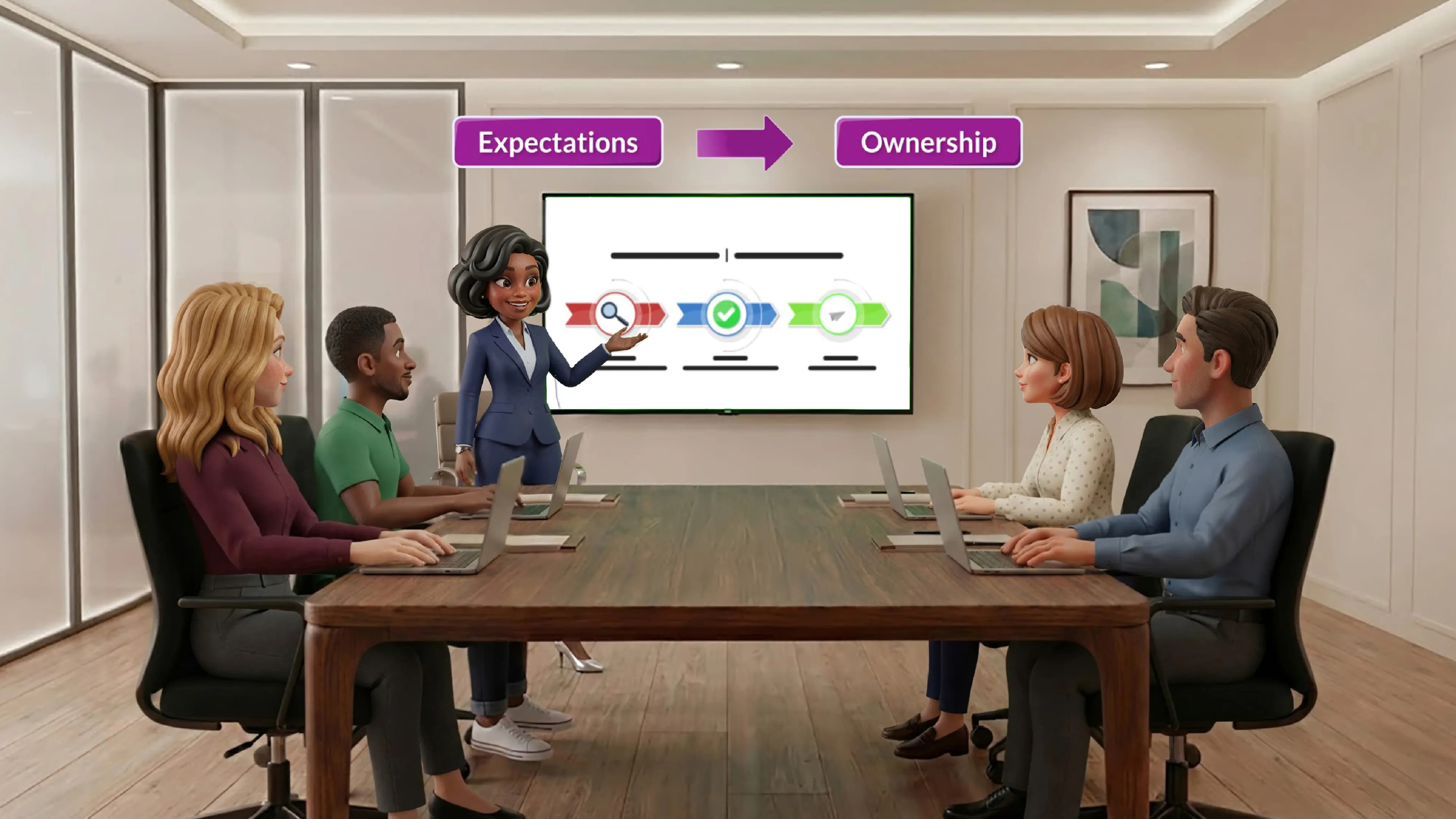
After a team agrees on actions, the manager tracks whether people follow through. This means watching whether team members complete what they committed to and whether they take responsibility when they fall short. Setting clear performance standards in advance makes it easier to assess whether commitments are genuinely being honored.
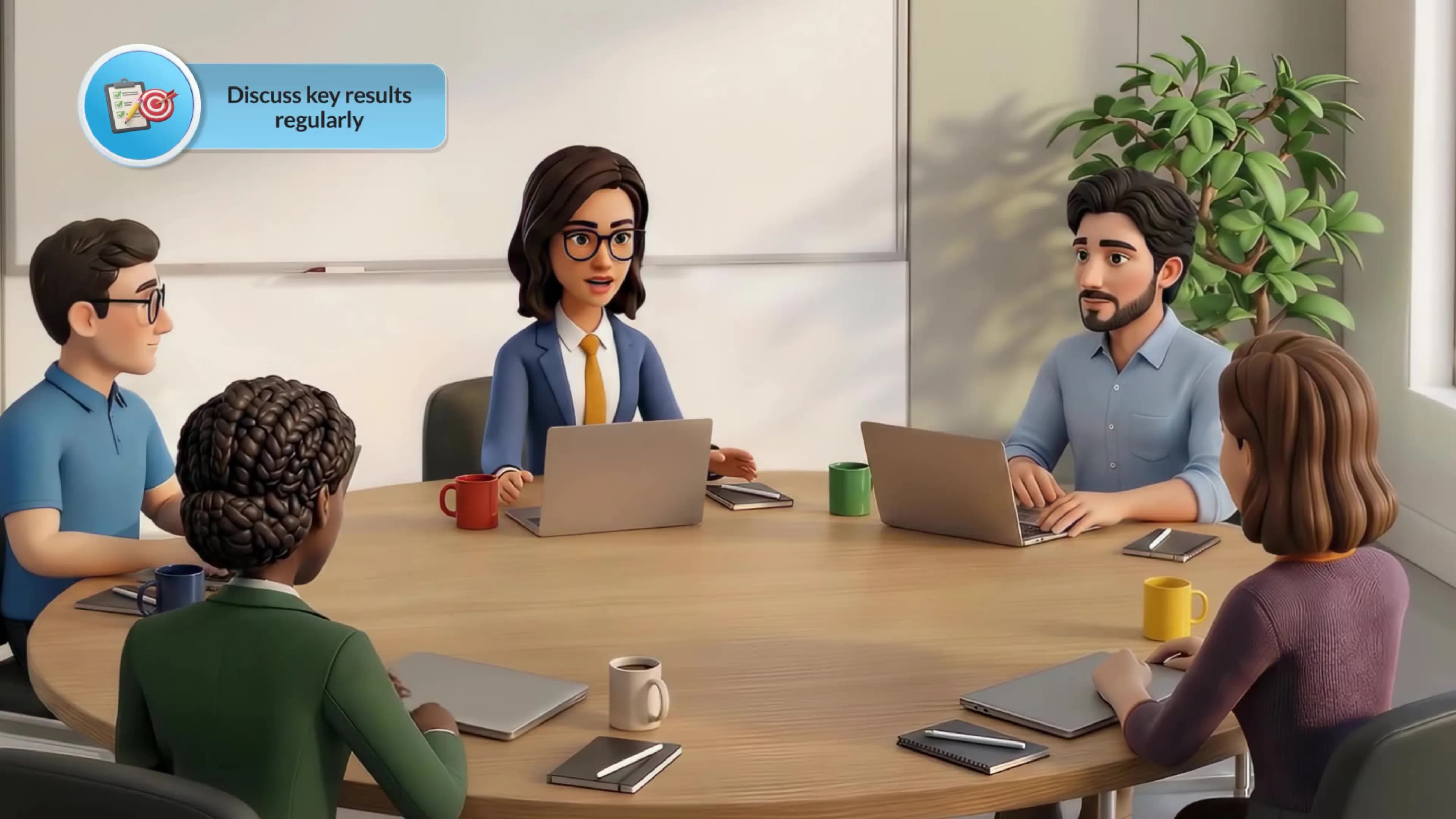
The manager observes whether team conversations stay focused on collective outcomes or drift toward individual priorities. When team members consistently reference shared goals, alignment is strong. When discussions keep circling back to personal concerns or competing agendas, the team's focus is fragmented. This connects directly to keeping the team focused on results.
Related Micro-courses