Loading subject page…


3,071 views


Video Summary: Tracking and Measuring Team Development
Tracking and measuring team development means defining specific skills that matter for performance, creating simple observable measures for each, and monitoring those measures over time to see whether skills are improving, holding steady, or declining. Regular review of this data lets a manager provide targeted support where it is needed and delegate with greater confidence where skills are growing. This process is a practical foundation for promoting continuous improvement across the team.
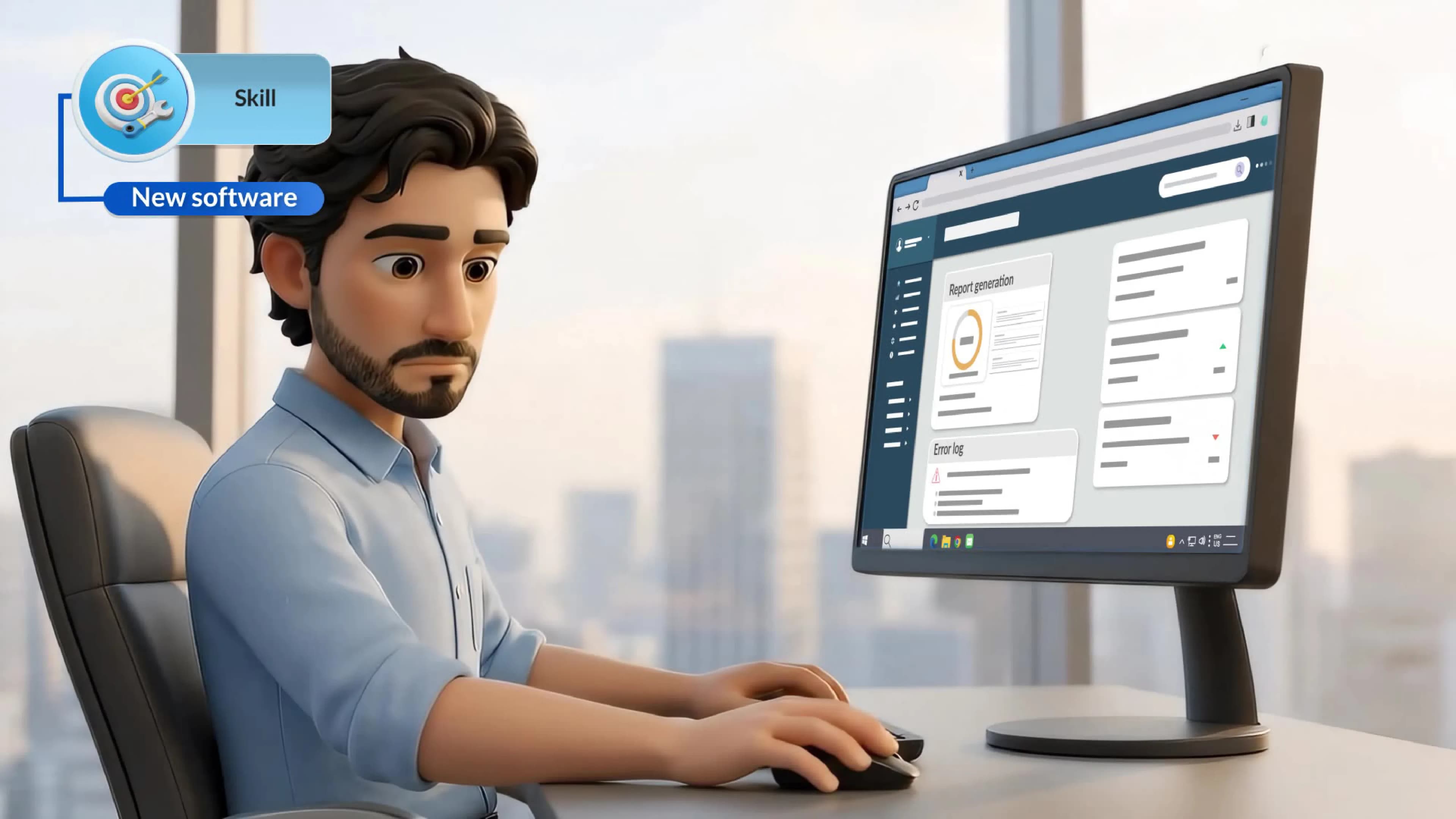
Start by selecting three or so skills that most directly affect how well the team performs. Good candidates include completing tasks independently, meeting deadlines, and producing work that requires little correction. Grounding skill tracking in performance impact keeps the effort focused and meaningful. This step works best alongside setting clear performance standards so expectations are already defined.
Each skill needs a concrete indicator you can actually observe and count. Useful measures include how often you need to step in on a task, how many tasks are delivered late, and how often completed work requires corrections. Keeping measures simple makes them easy to collect consistently without adding administrative burden.
Once you have measures in place, compare recent results to earlier data to determine whether each skill is improving, unchanged, or declining. This comparison gives you a clear direction of travel rather than just a snapshot. Diagnosing performance gaps becomes much more precise when you can see how current results differ from where the team started.
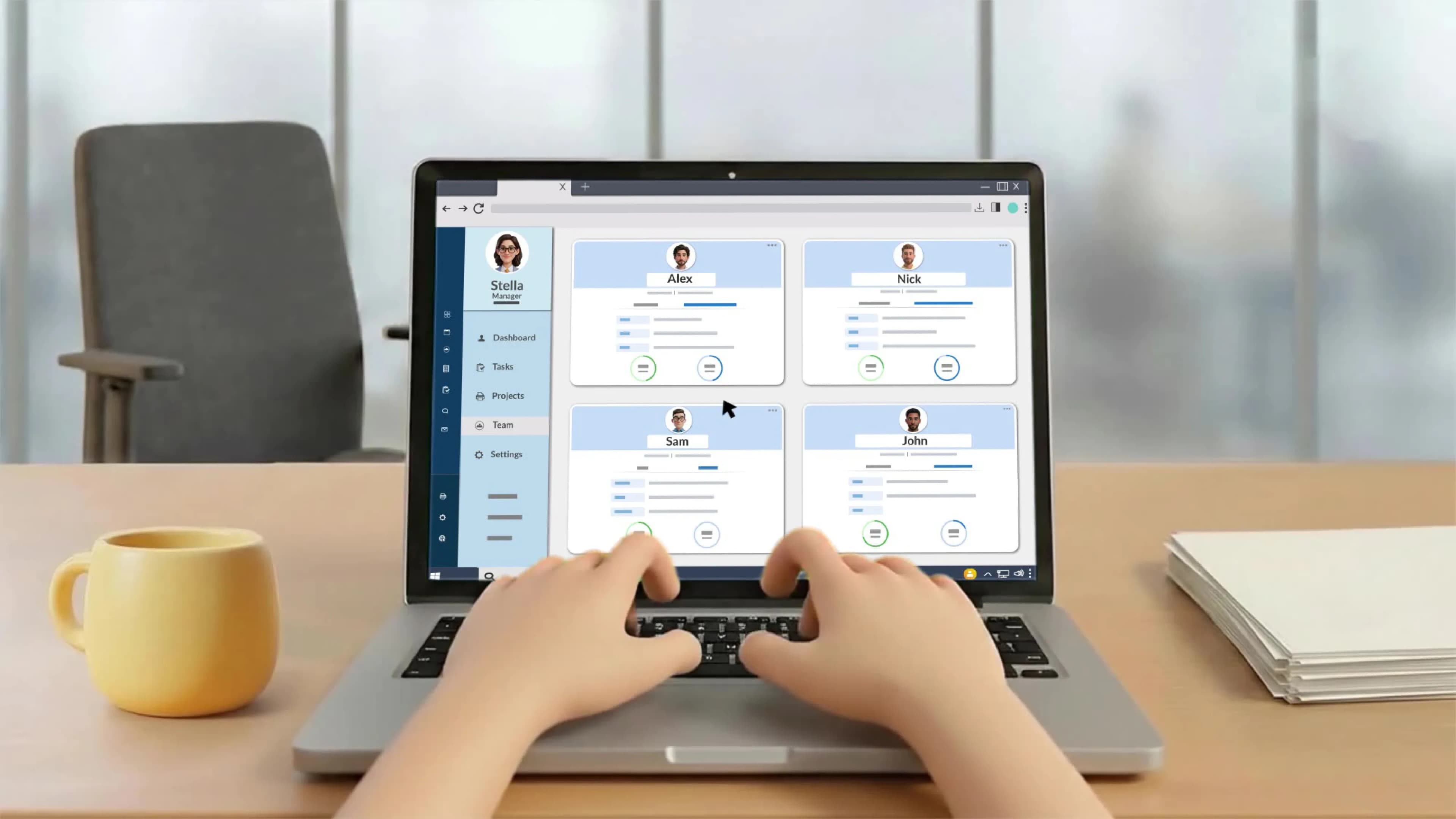
Tracking indicators on a shared dashboard with charts and timelines turns raw data into a readable picture of team development. Visual formats make trends clear at a glance, so patterns become obvious rather than buried in notes. A well-maintained dashboard also makes it easier to show stakeholders that skill growth is real and measurable.
Monthly check-ins structured around the tracked indicators create a regular rhythm for reviewing progress. During these sessions, a manager acknowledges areas that have improved and addresses areas that still need attention. This cadence ensures the data drives action rather than sitting unused. Running productive performance reviews covers how to make these conversations effective.
Related Micro-courses