Loading video…


 13 Concepts
 3.1K views

Video Summary: Conducting Fair and Objective Appraisals
Conducting fair and objective appraisals means evaluating employee performance using documented evidence, clear criteria, and input from multiple sources rather than relying on memory or impression alone. A manager gathers performance data throughout the year, focuses on observable results during review meetings, discusses development goals, and connects outcomes to rewards and career progression. After completing reviews, the manager verifies that the same standards were applied consistently across all employees.
Rather than relying on recall, you collect documented examples of each employee's contributions before appraisal meetings begin. This includes quantity and quality metrics gathered over the full review period. Pairing hard data with tracking and measuring team development throughout the year makes the evidence easier to compile when it counts.
Fairness improves when you gather perspectives from peers, project leads, and the employees themselves, not just your own observations. Including employee self-assessments gives people a voice in the process and surfaces information that a single viewpoint might miss.
Appraisal conversations should centre on whether employees met agreed deadlines and fulfilled their defined job responsibilities. Observable, agreed-upon outcomes are far less open to interpretation than general impressions. Running productive performance reviews depends on anchoring discussions to these concrete measures.
Appraisals are not only about assessing the past. During meetings, you discuss each employee's development goals and offer specific guidance on how to improve. Combining that conversation with skills in giving constructive feedback helps employees leave with a clear path forward.
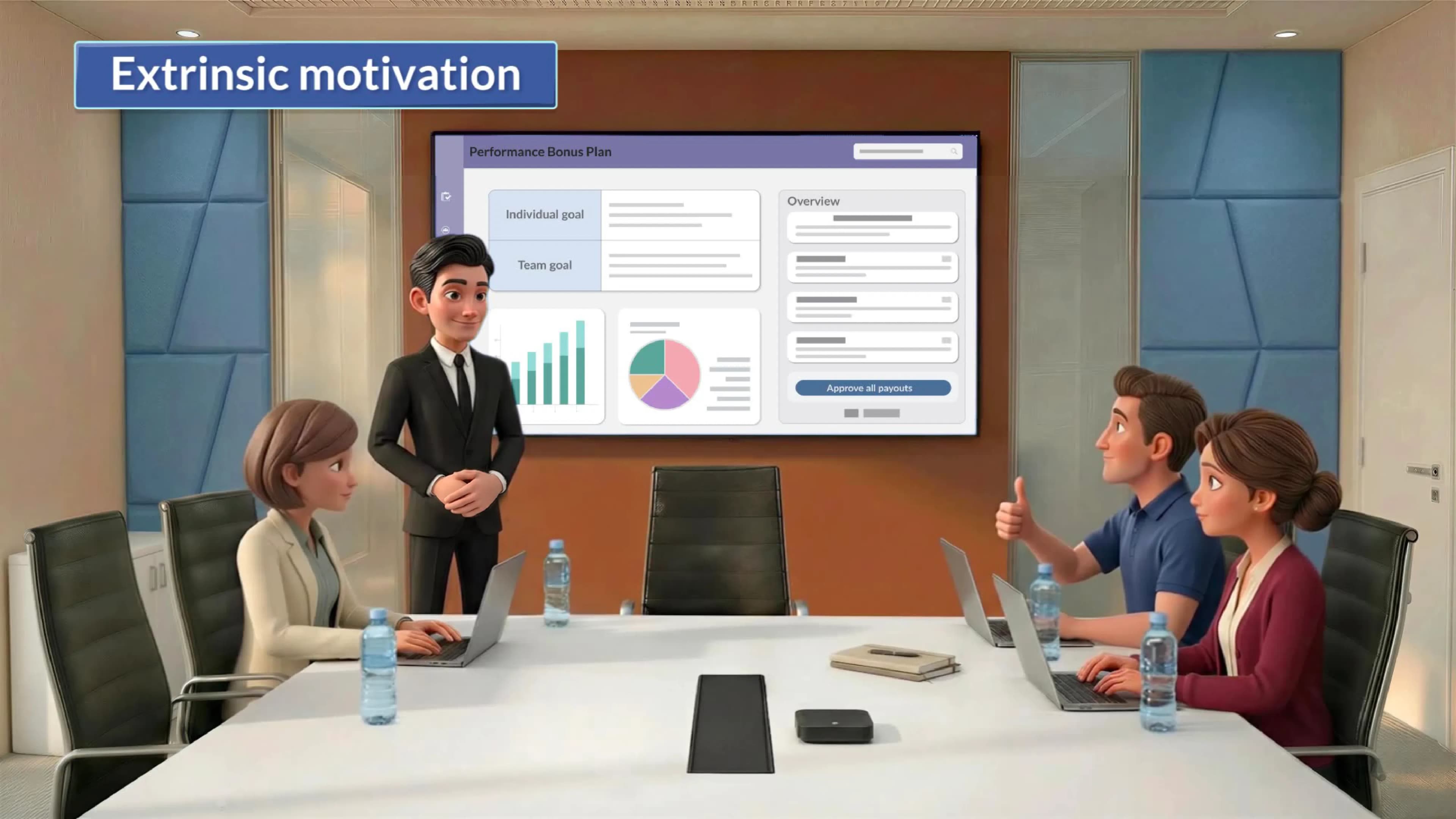
Employees need to understand how appraisal results connect to compensation and future opportunities within the organisation. Explaining this link clearly reduces uncertainty and reinforces that performance matters. It also supports the broader goal of retaining and encouraging strong performers over time.
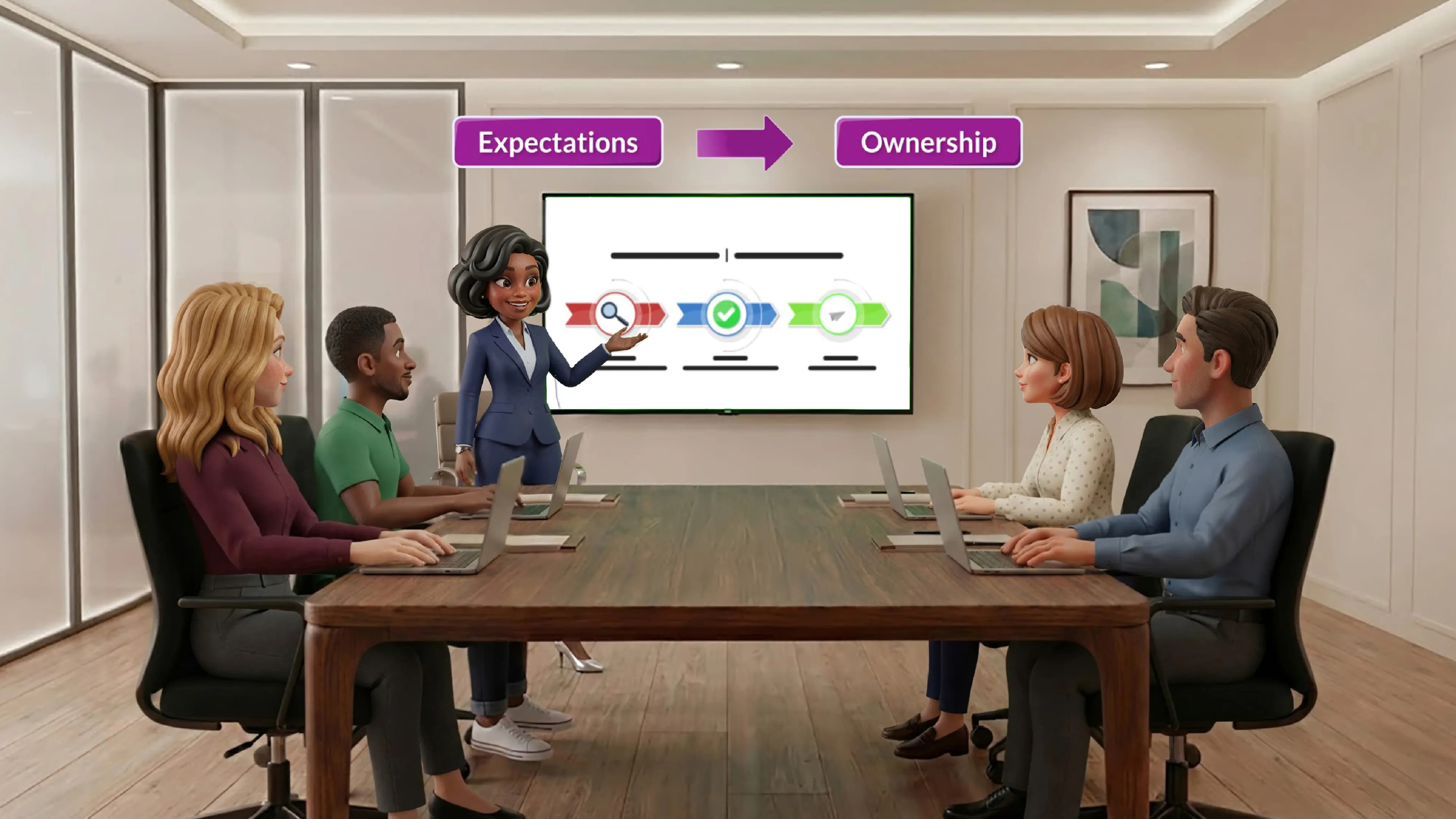
After completing all reviews, you verify that the same performance criteria were applied objectively to every employee. This cross-check guards against unintentional variation in how standards are interpreted. It works best when built on a foundation of setting clear performance standards before the review cycle begins.
Related Micro-courses