Loading video…


 13 Concepts
 3.1K views

Video Summary: Keep and Encourage Good Performers
Top performers lose motivation when their work feels repetitive or undervalued. A manager can address this through two approaches: applying retention strategies and eliminating demotivators. Retention strategies include using performance data to assign meaningful work, recognizing achievements publicly, and offering learning and career advancement opportunities. Eliminating demotivators means removing low-value tasks, giving specific feedback, and avoiding micromanagement. Together, these actions re-engage strong contributors and restore their drive. Learn more about motivating and recognizing teams.
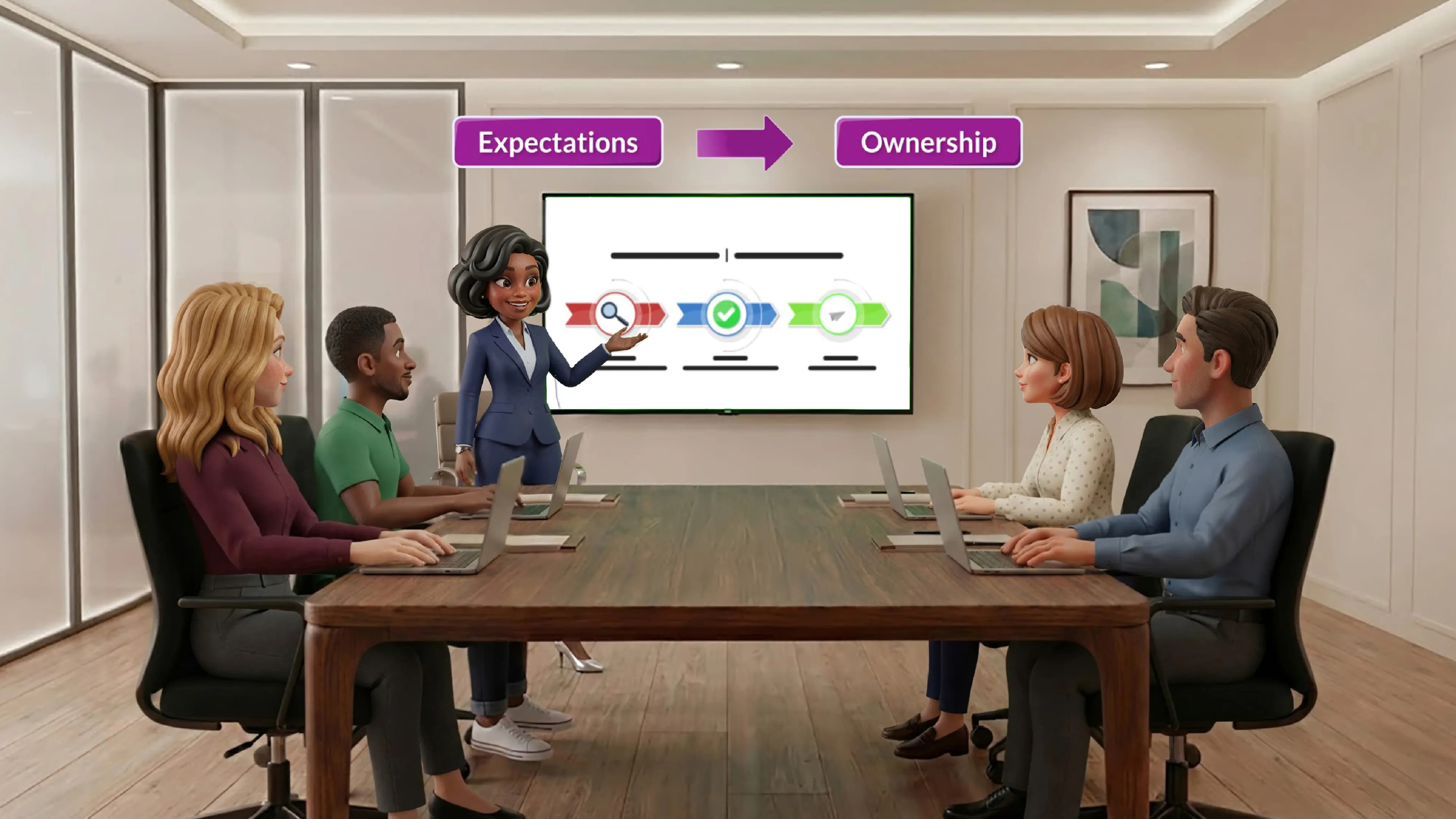
Start by reviewing performance data to pinpoint where a top performer's strengths lie. Then assign projects that match those strengths and come with clear expectations. This approach keeps strong contributors working at their best rather than getting buried in tasks that don't use what they do well. Effective tracking team development supports this process.
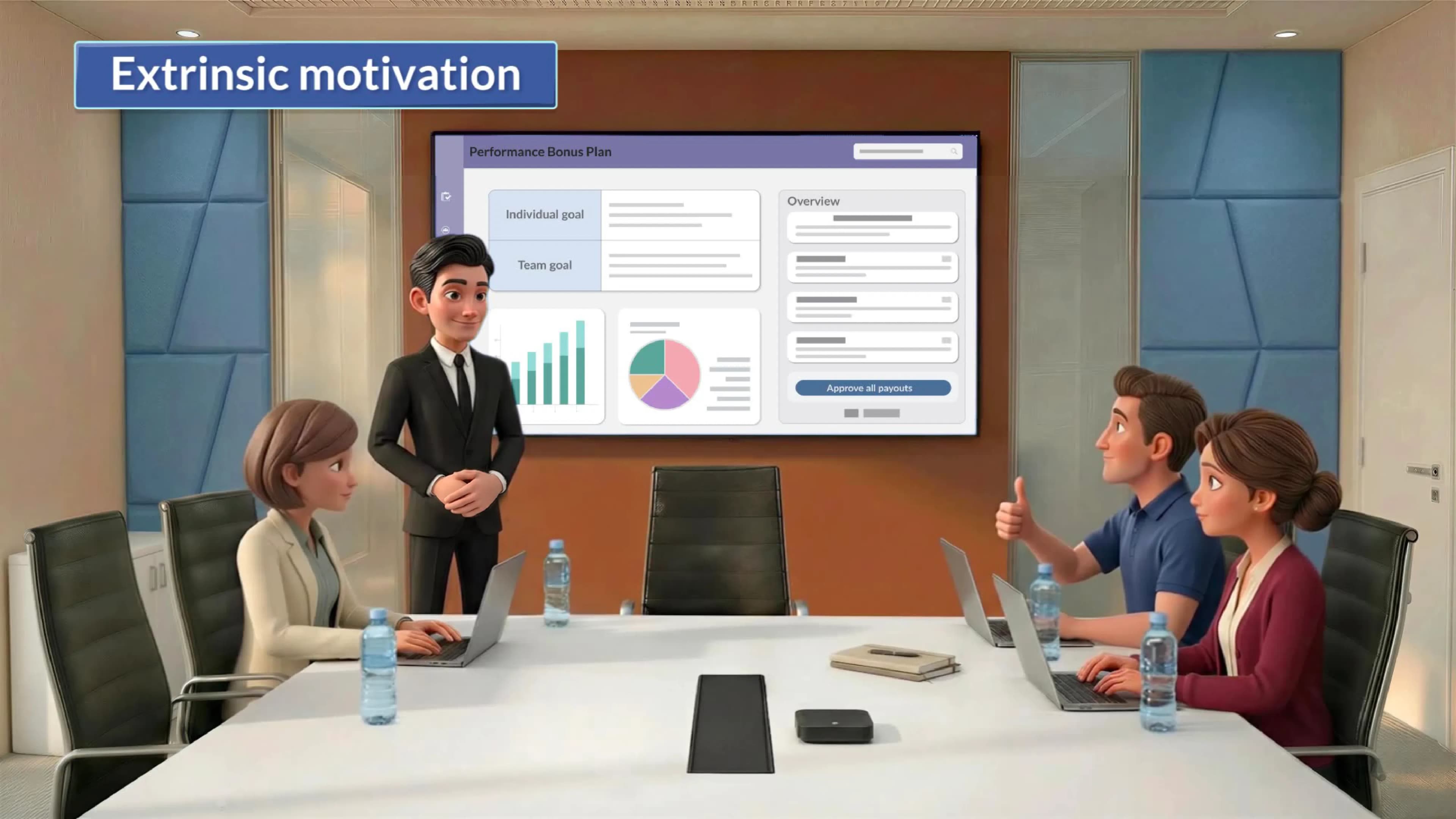
Recognize achievements in front of the team to set a visible standard for quality work. At the same time, hold development conversations privately to discuss goals and growth. Keeping these two conversations separate protects trust and makes both forms of engagement more effective. Performance reviews offer a structured moment for both.
Offer mentorships, advanced skill-building tasks, and clear paths to higher rewards or career progression. These signal that the organization values the employee's future, not just their current output. When top performers see a trajectory ahead of them, they are far more likely to stay engaged and committed. This is a core part of coaching and developing your team.
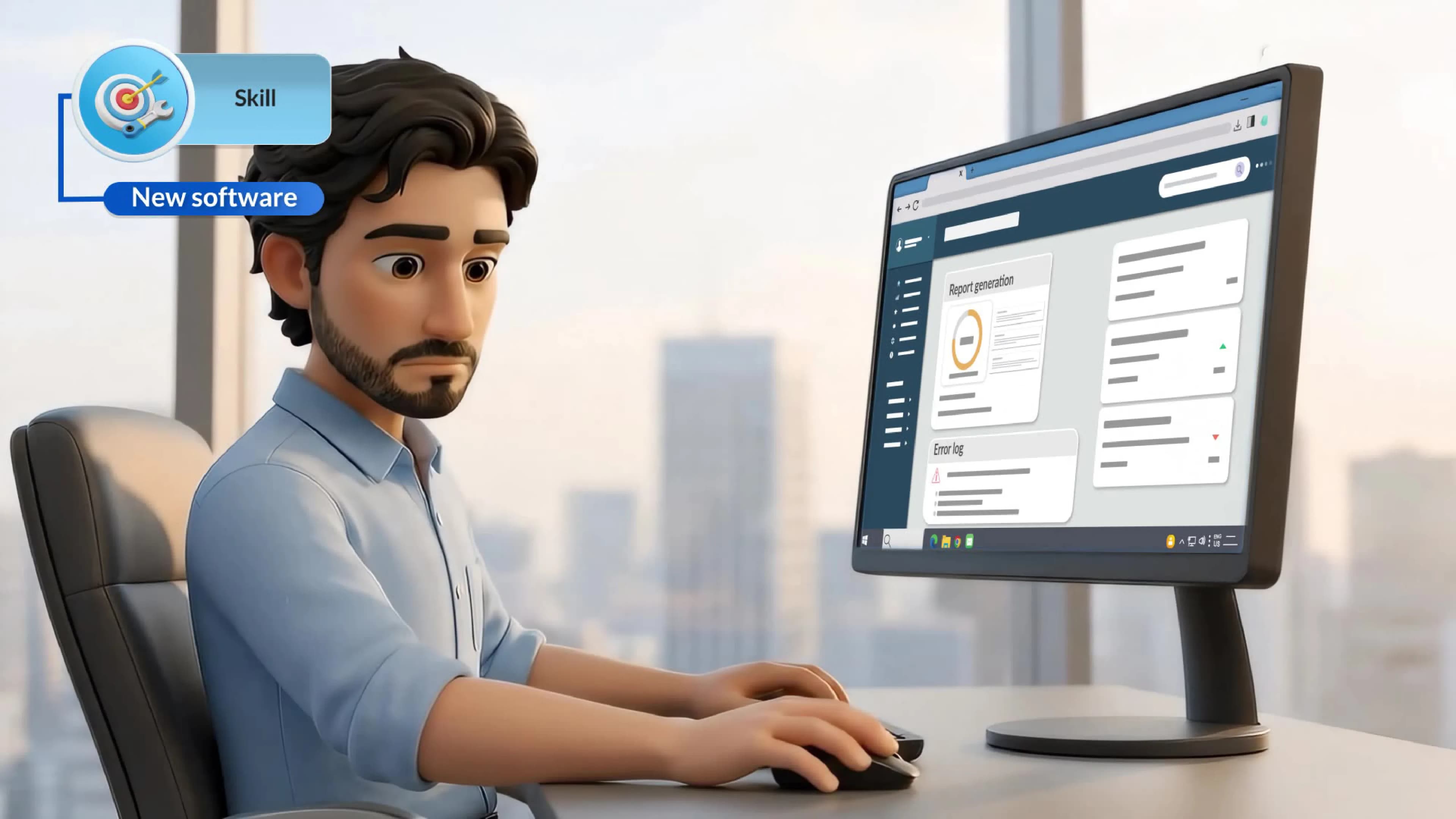
Repetitive or low-value tasks consume time and block strong performers from applying their skills where it counts. Removing these tasks from a top performer's workload is a direct way to restore engagement. It signals that their time is respected and that the role is designed around their actual capabilities.
Generic praise does little for someone who already performs well. Instead, connect feedback to specific outcomes and show how the work links to measurable results. This kind of feedback is more motivating because it confirms that contributions are noticed and understood. It also reinforces the standard you want maintained. See the full guide on giving constructive feedback.
Top performers disengage when managers control every step of their work. Encourage ownership by allowing them to make decisions and take responsibility for outcomes. Remaining available for support without hovering gives them the autonomy they need to stay motivated and productive.
Related Micro-courses