Loading video…

 13 Concepts
 3.1K views

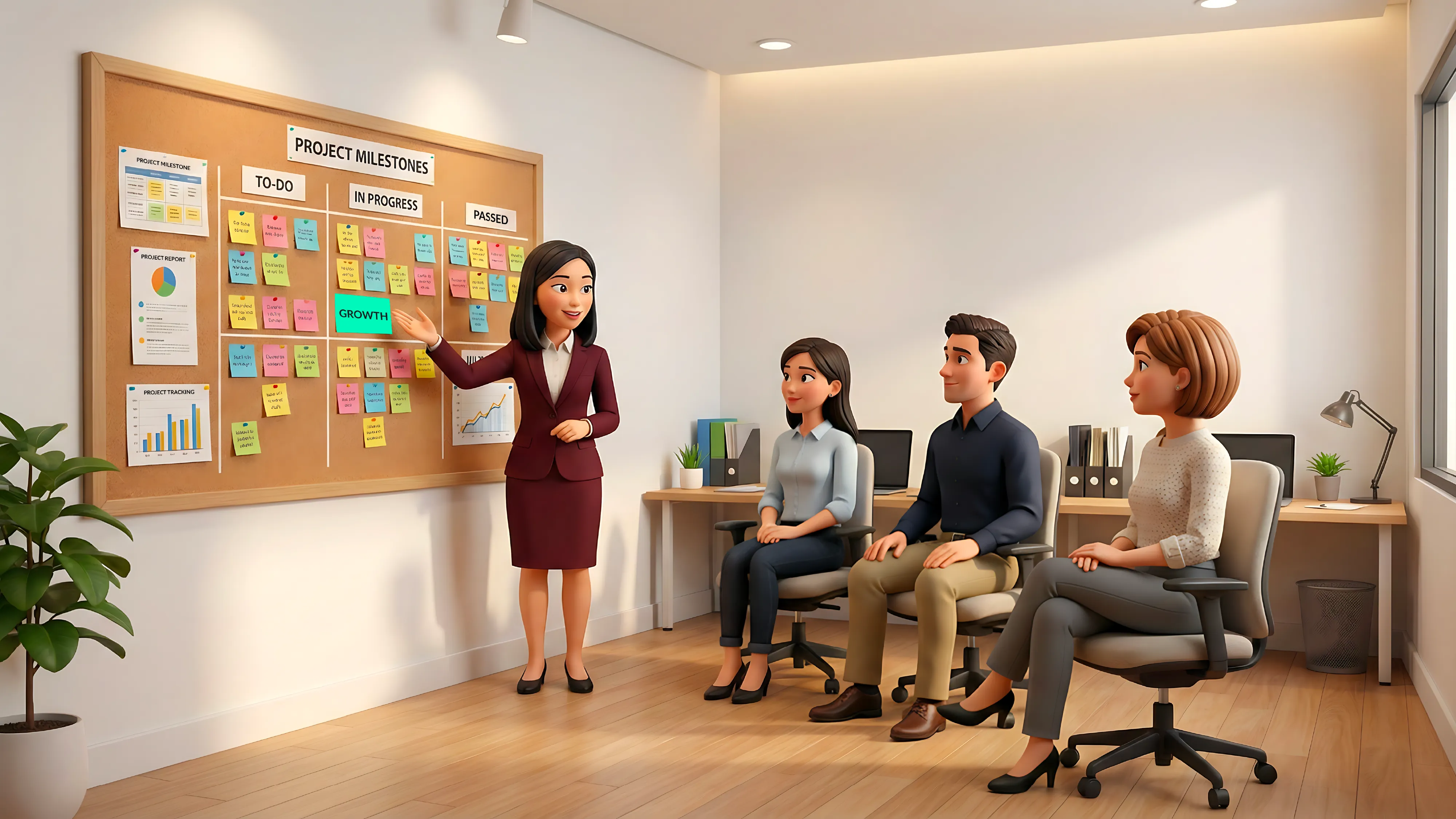
Video Summary: Promoting Continuous Improvement and Team Growth
Promoting continuous improvement means building habits that keep a team's skills current as expectations change. When managers actively identify capability gaps, introduce structured learning, and create space for reflection and knowledge sharing, they prevent the team from falling behind. This is a core part of managing team performance and feedback and applies to any team where skills must keep pace with evolving demands.
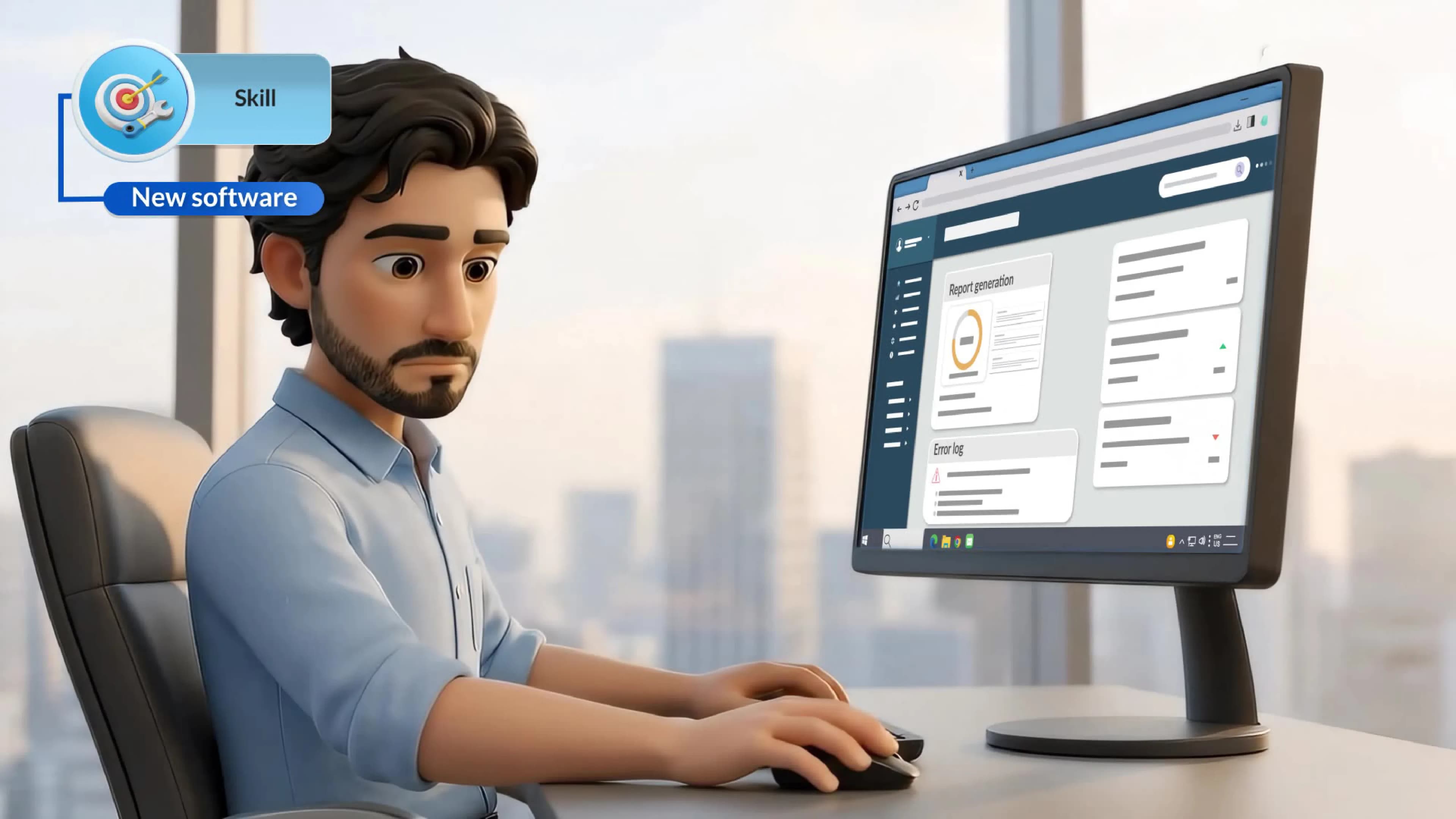
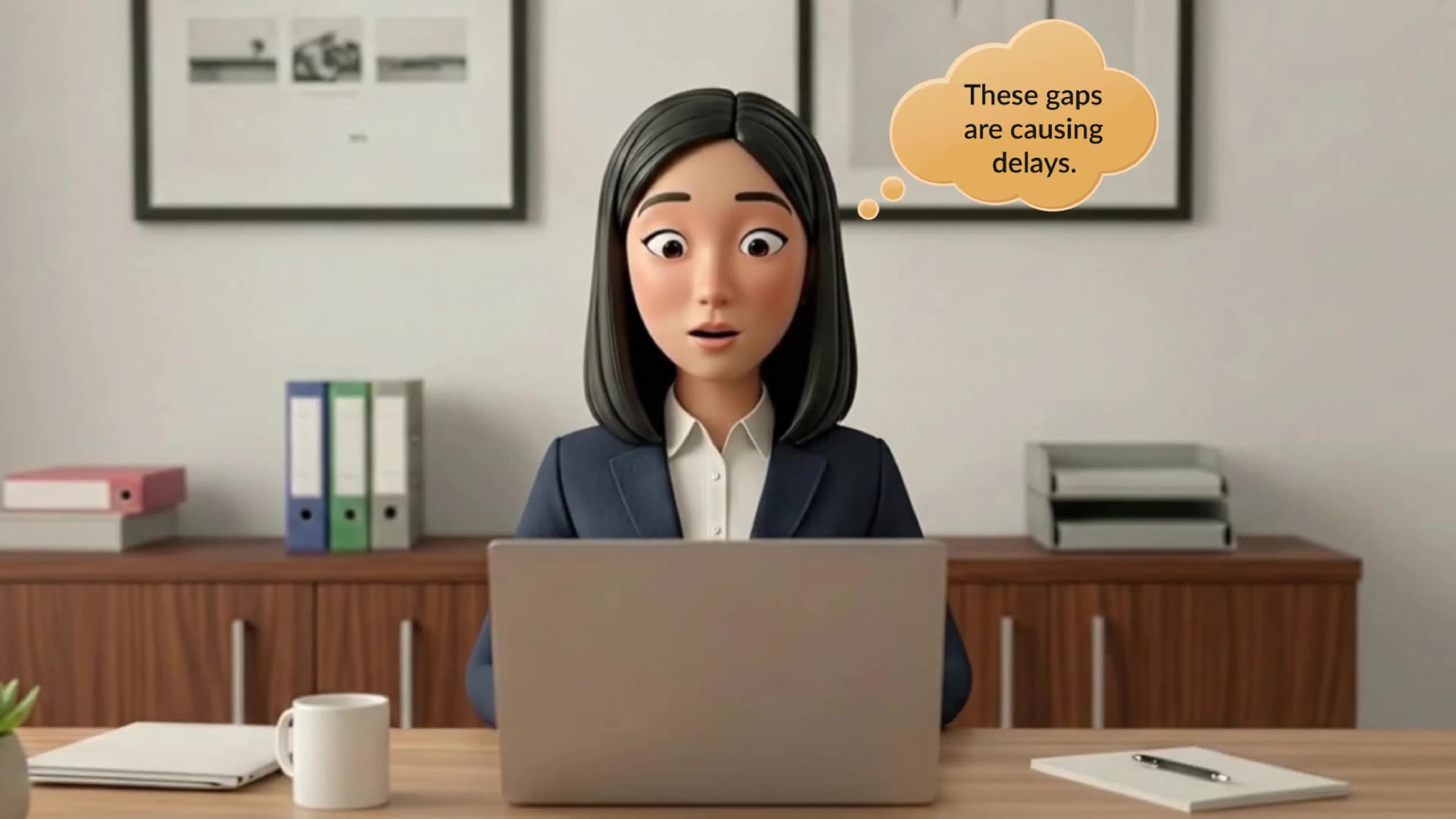
Start by reviewing recent team output to spot where skills are falling short. Common gaps include limited tool proficiency, outdated work methods, and insufficient technical expertise. This review gives you a concrete picture of where the team stands before deciding what to address. For a deeper look at this process, see diagnosing performance gaps.
Once gaps are visible, convert them into clear development priorities rather than leaving them as vague observations. This step gives the team a focused direction and makes learning feel purposeful. It also pairs well with setting clear performance standards, so people know what skill levels they are working toward.
Structured learning takes several forms: formal training sessions, peer learning circles, mentoring relationships, and hands-on practice. Offering multiple formats means different team members can engage in ways that suit how they learn best. This approach fits within the broader discipline of coaching and developing teams.
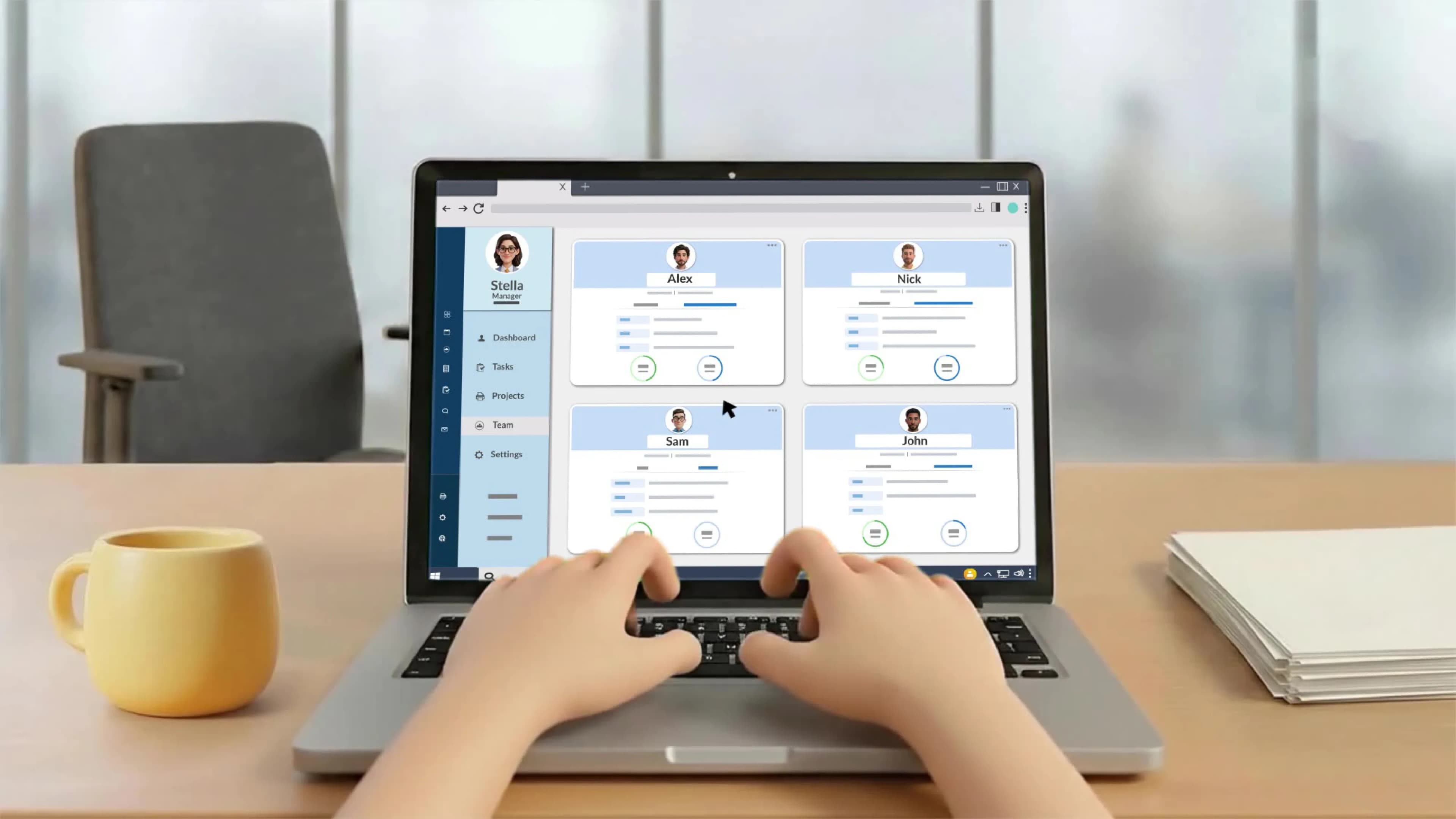
Each team member sets a near-term skill goal and monitors their own progress. Short time horizons make goals feel achievable and create regular checkpoints. This habit builds individual accountability for growth rather than leaving development as something that happens only during annual reviews. Pairing this with tracking and measuring team development keeps the whole team's progress visible.
After learning happens, managers reinforce it by reviewing lessons from recent projects, celebrating small wins, and encouraging team members to experiment. Recognition signals that growth is valued, not just output. This connects directly to keeping and encouraging good performers by showing people that their development efforts are noticed.
A biweekly session where team members share insights, tips, and tools builds collective knowledge over time. Each person explains how their discoveries improve the work, which makes sharing practical rather than theoretical. These sessions create a steady rhythm that sustains the learning culture between formal training events.
Related Micro-courses