Loading subject page…

2,650 views

Video Summary: Tracking Progress and Driving Accountability
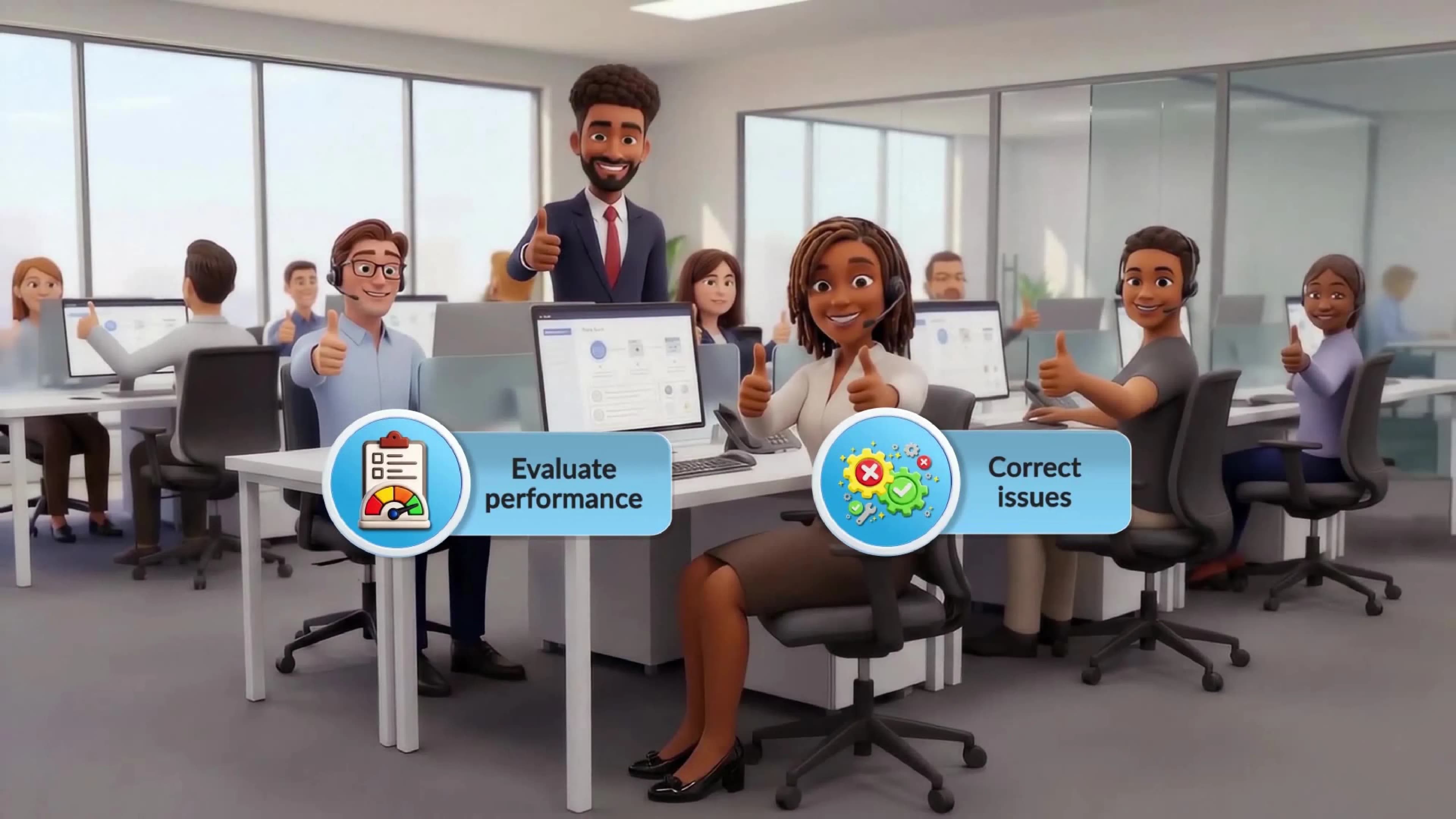
Tracking progress and driving accountability means assigning clear ownership for each task, setting measurable checkpoints, and making progress visible so problems surface early. When a manager builds this structure, the team can resolve issues before they become delays and deliver work as planned. This approach works alongside communicating expectations clearly so every team member knows what is expected and how their progress will be reviewed.
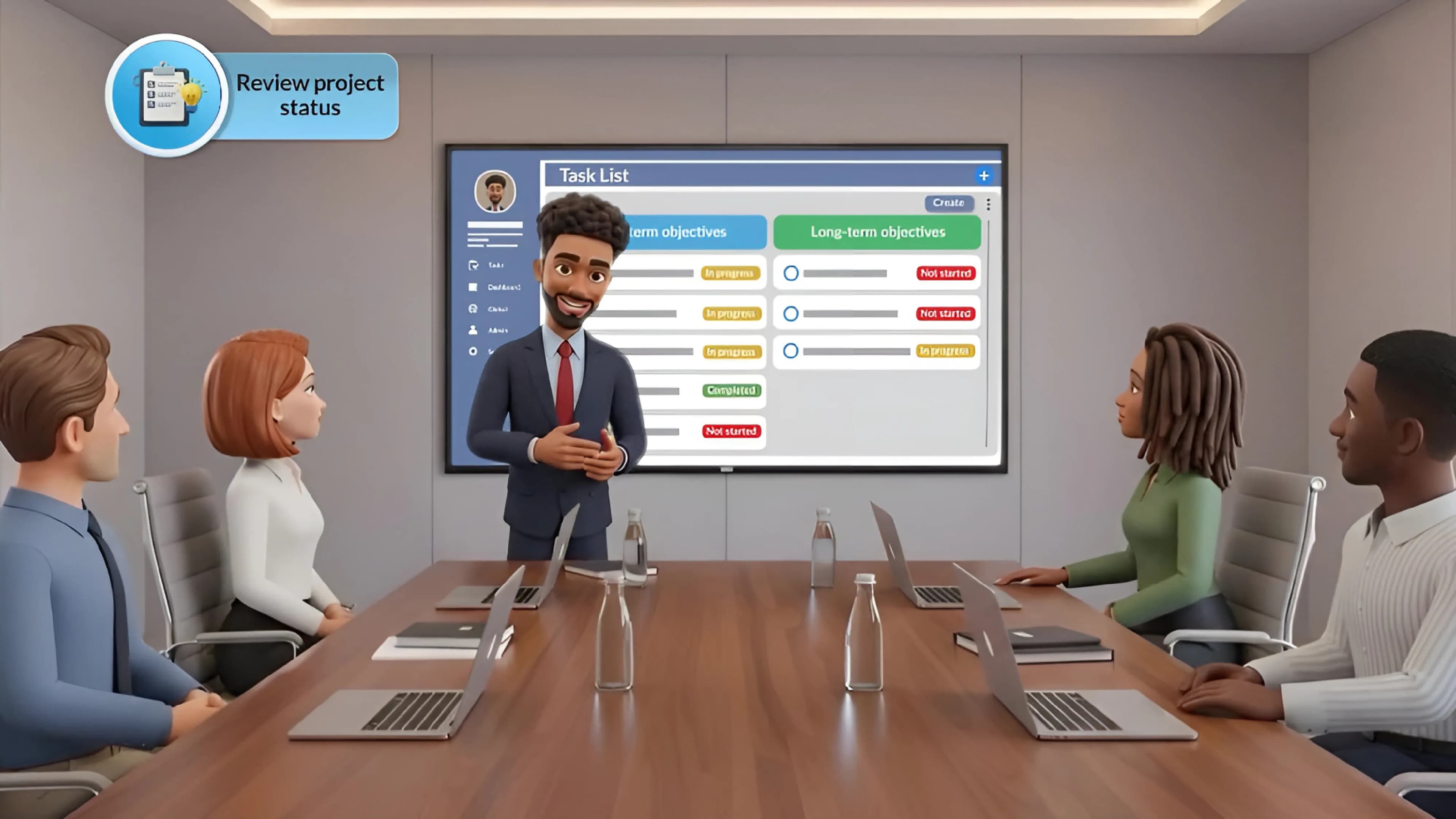
Each task should have exactly one named owner, not a group. When responsibility is shared, no individual feels fully accountable, and problems can go unaddressed. Assigning a single owner removes that ambiguity and makes it clear who is responsible for getting the work done. This is a core principle of delegating work with clarity and accountability.
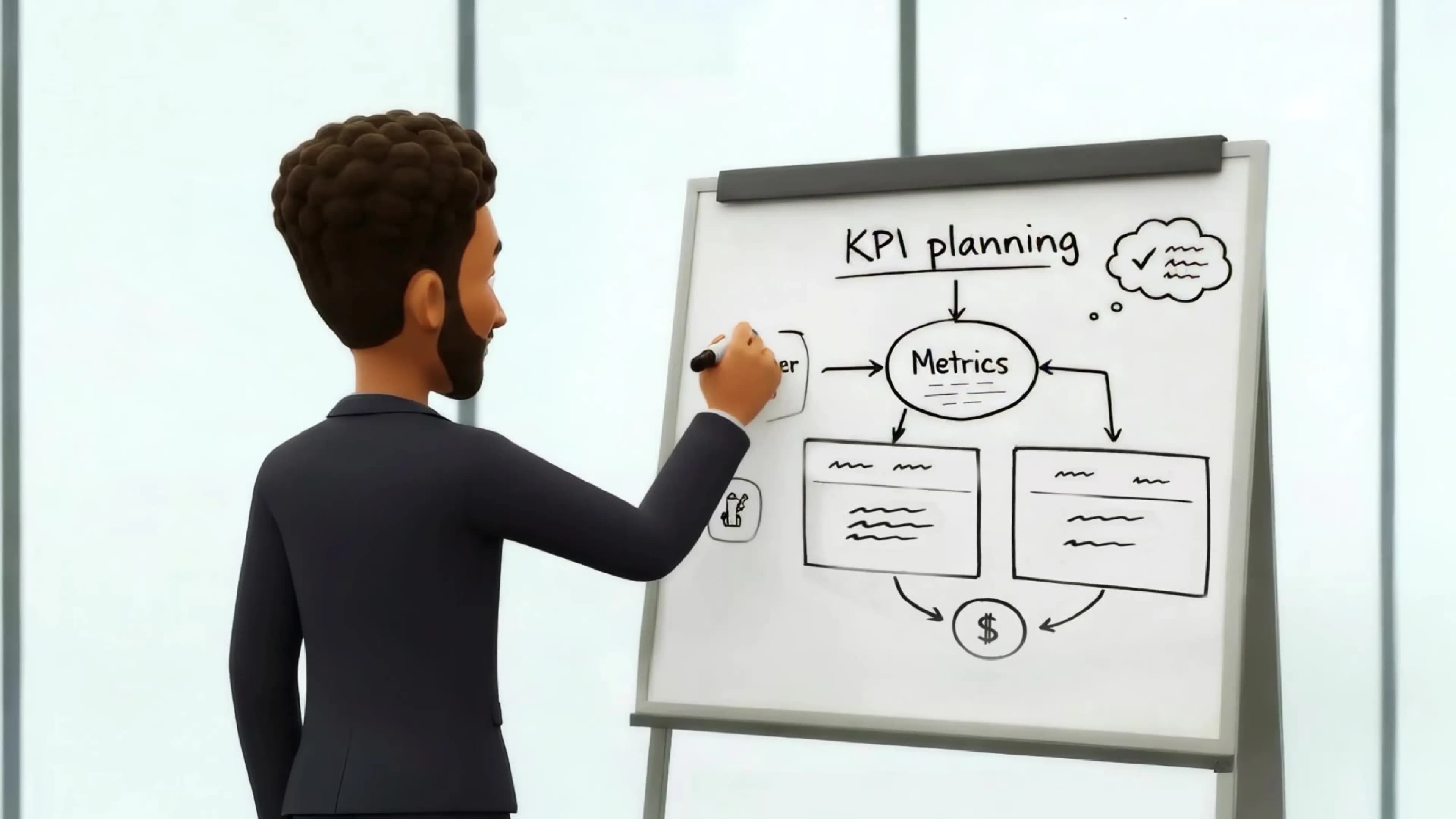
Checkpoints tell task owners what progress looks like at each stage and how it will be reviewed. Making these checkpoints measurable removes guesswork. Task owners know exactly what they need to show at each review point, which keeps work on track and reduces the chance of misaligned effort. See also writing clear and measurable objectives for how to frame these precisely.
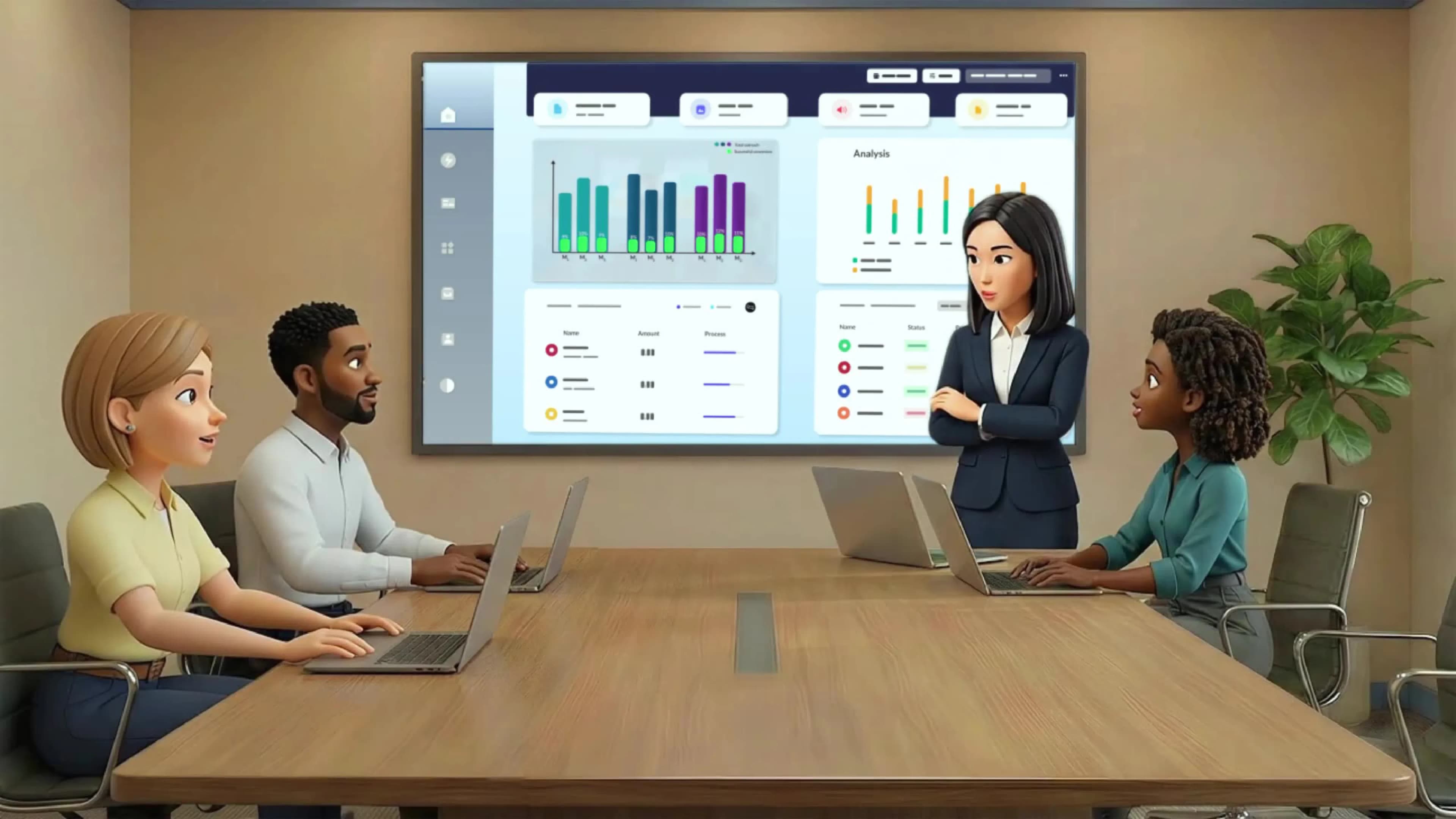
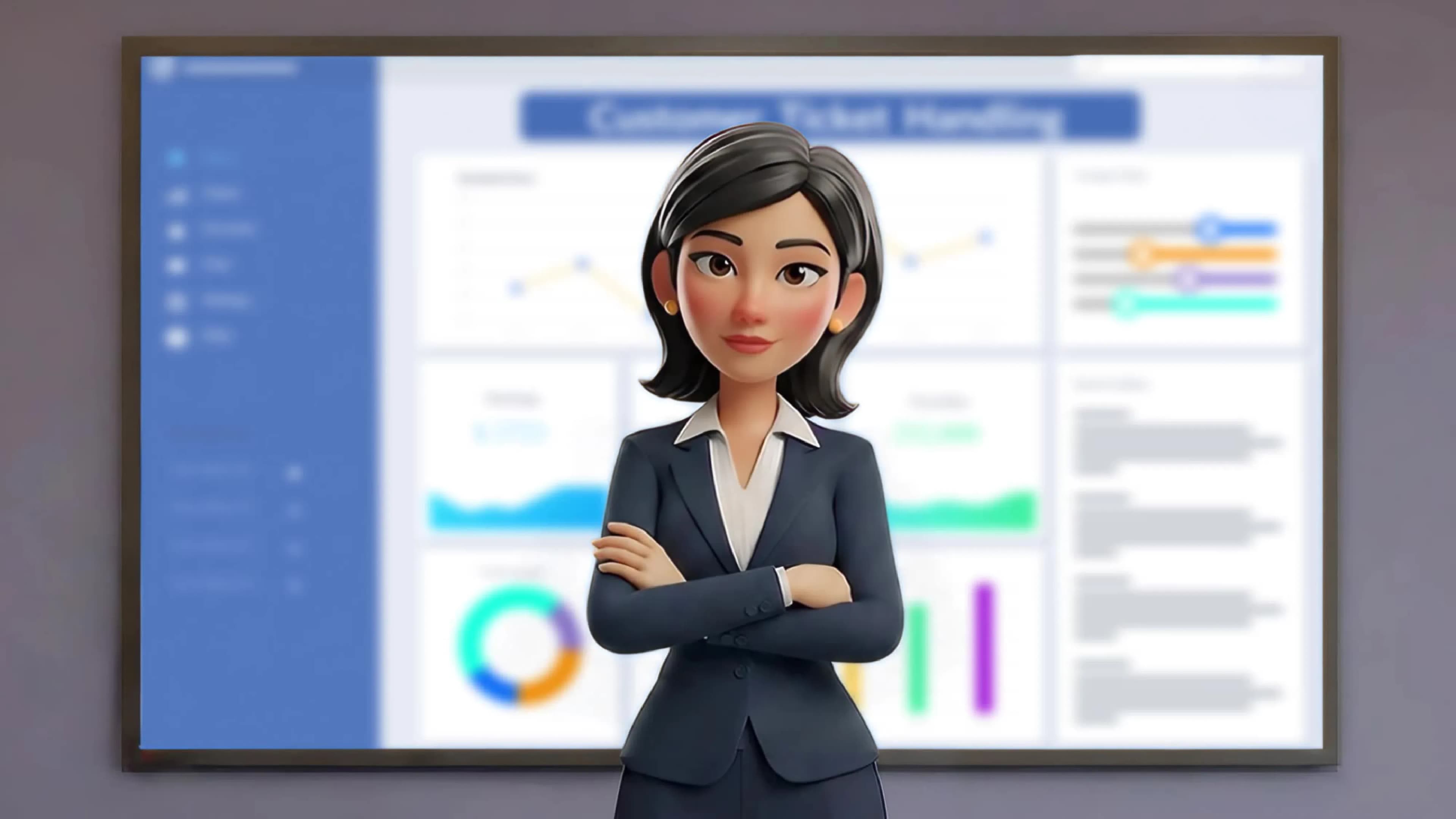
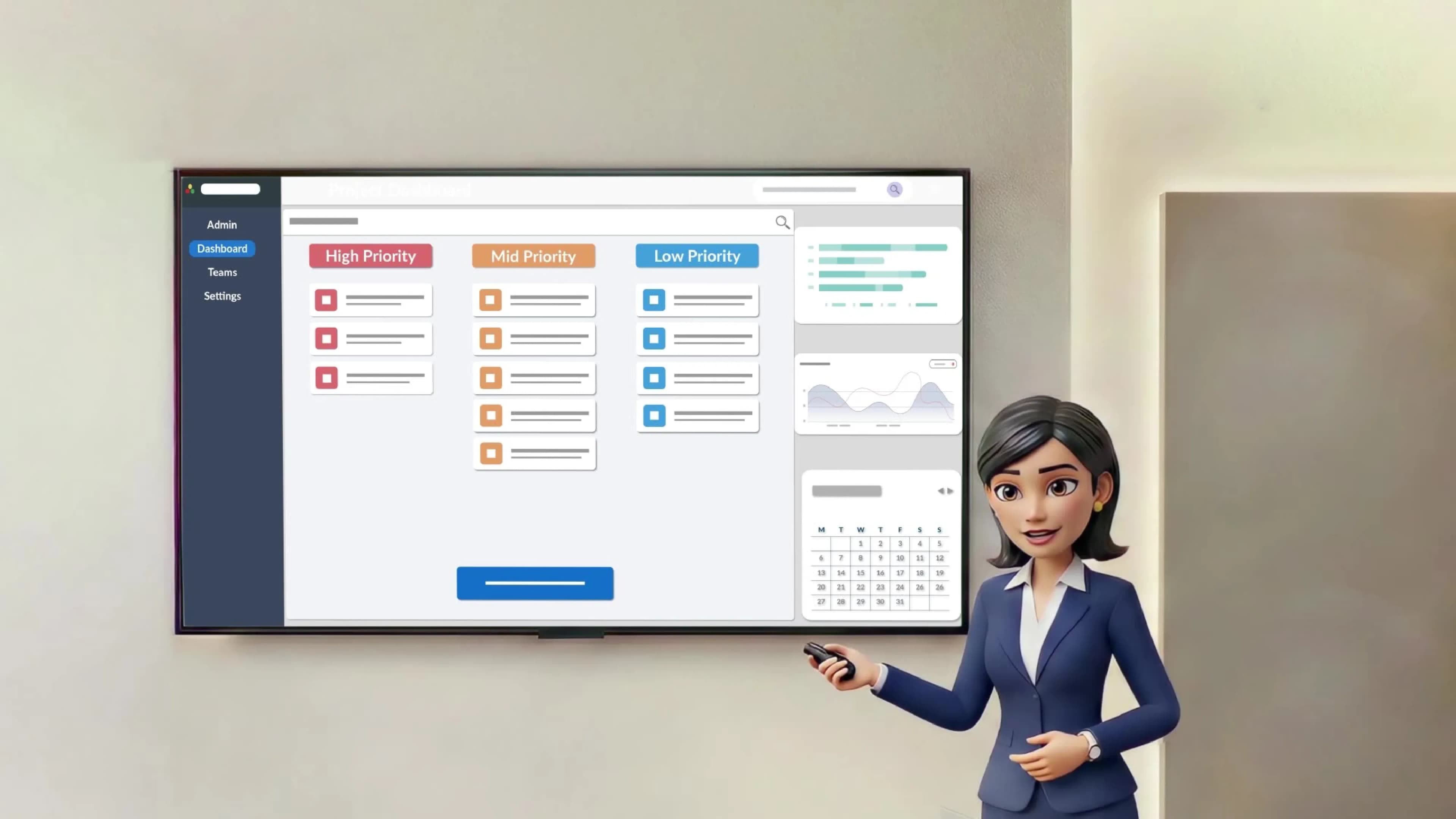
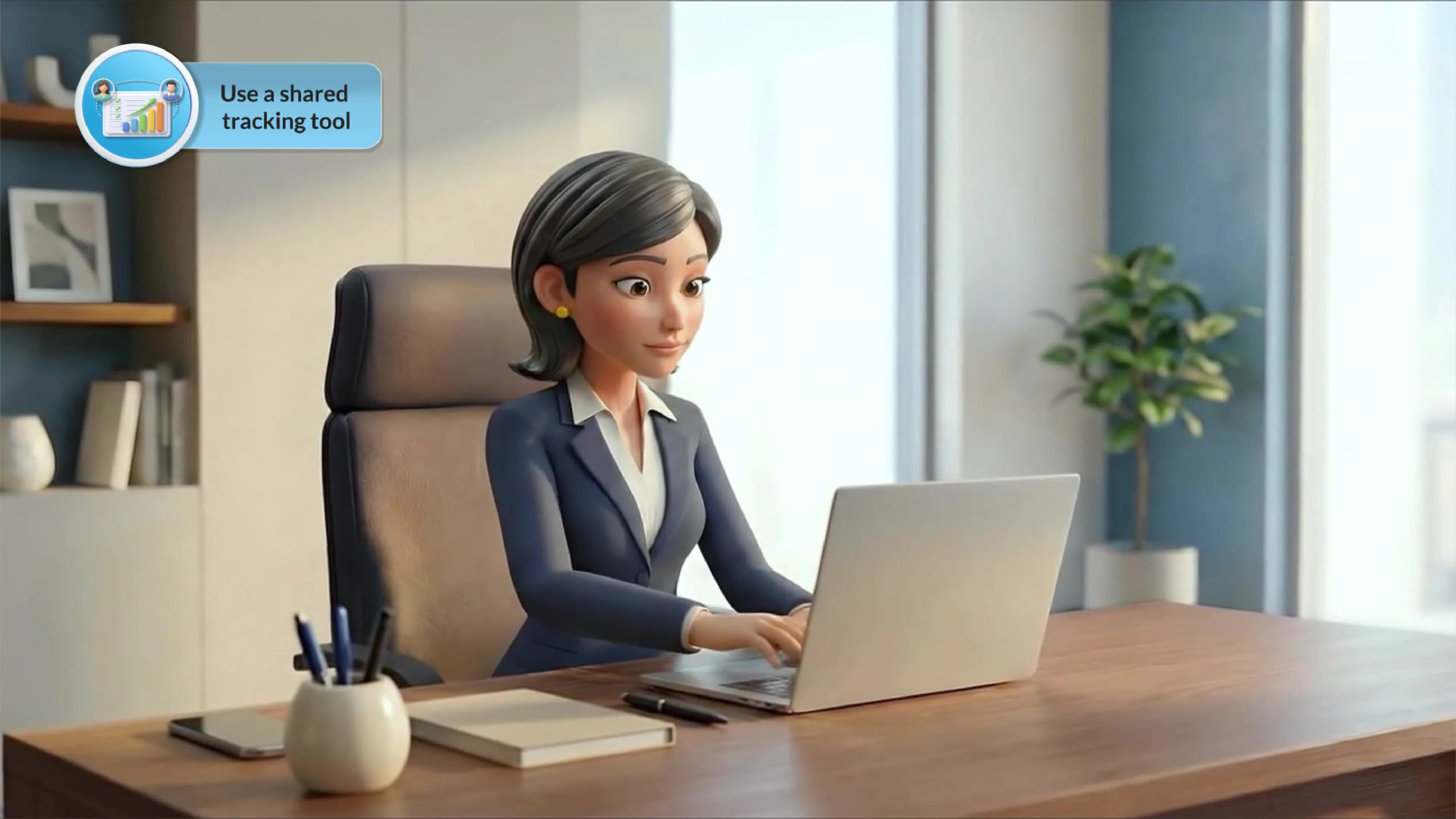
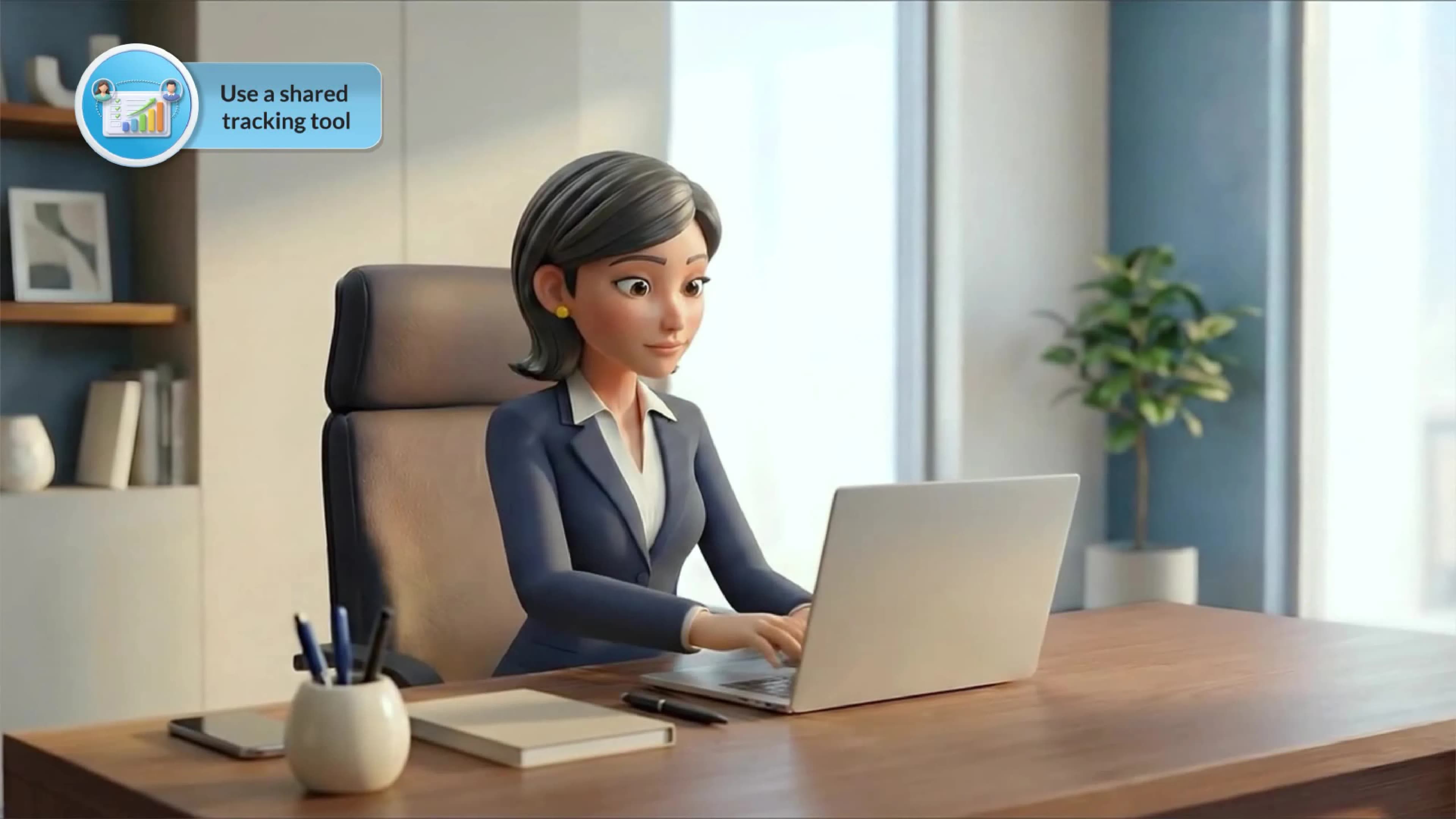
A shared tracking tool gives the whole team a live view of task status, progress, and delays. Task owners update their own records, which means a manager does not need to chase updates. This shared visibility helps everyone spot bottlenecks quickly and reduces the risk of problems going unnoticed until it is too late to fix them.
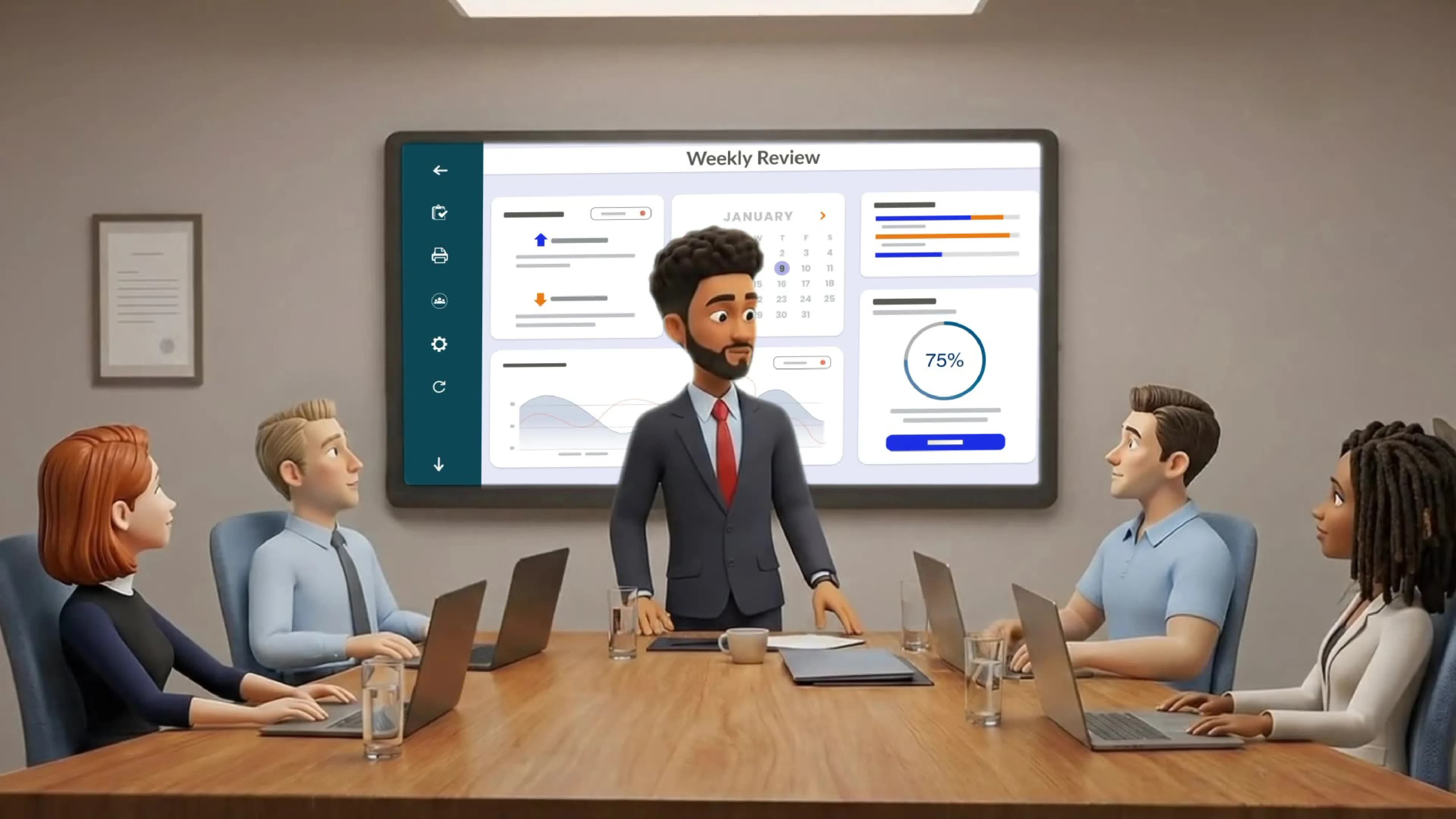
Brief, structured check-ins are where a manager reviews progress, confirms status is recorded accurately, and holds each task owner responsible for keeping their records current. These sessions are not about oversight for its own sake. They are the mechanism that reinforces accountability and ensures that managing priorities and deadlines stays an active, visible practice rather than a one-time conversation.
Related Micro-courses