Loading video…

 9 Concepts
 2.7K views

Video Summary: Goals and Objectives How Do They Work Together
Goals and objectives work together by operating at different levels of a plan. Goals define the broad, long-term results an organization wants to achieve and guide its overall priorities. Objectives translate those results into specific, measurable actions with a defined time frame. Daily tasks then support those objectives and contribute to the larger goals. Understanding this relationship helps teams set clear priorities, report progress accurately, and monitor performance consistently. Explore more in the setting clear goals and expectations chapter.
A goal defines what an organization wants to achieve at a high level and guides its overall priorities. Goals are directional rather than precise, pointing everyone toward the same destination without specifying the exact steps. Managers use goals to keep teams aligned on what matters most. Learn more about setting goals.
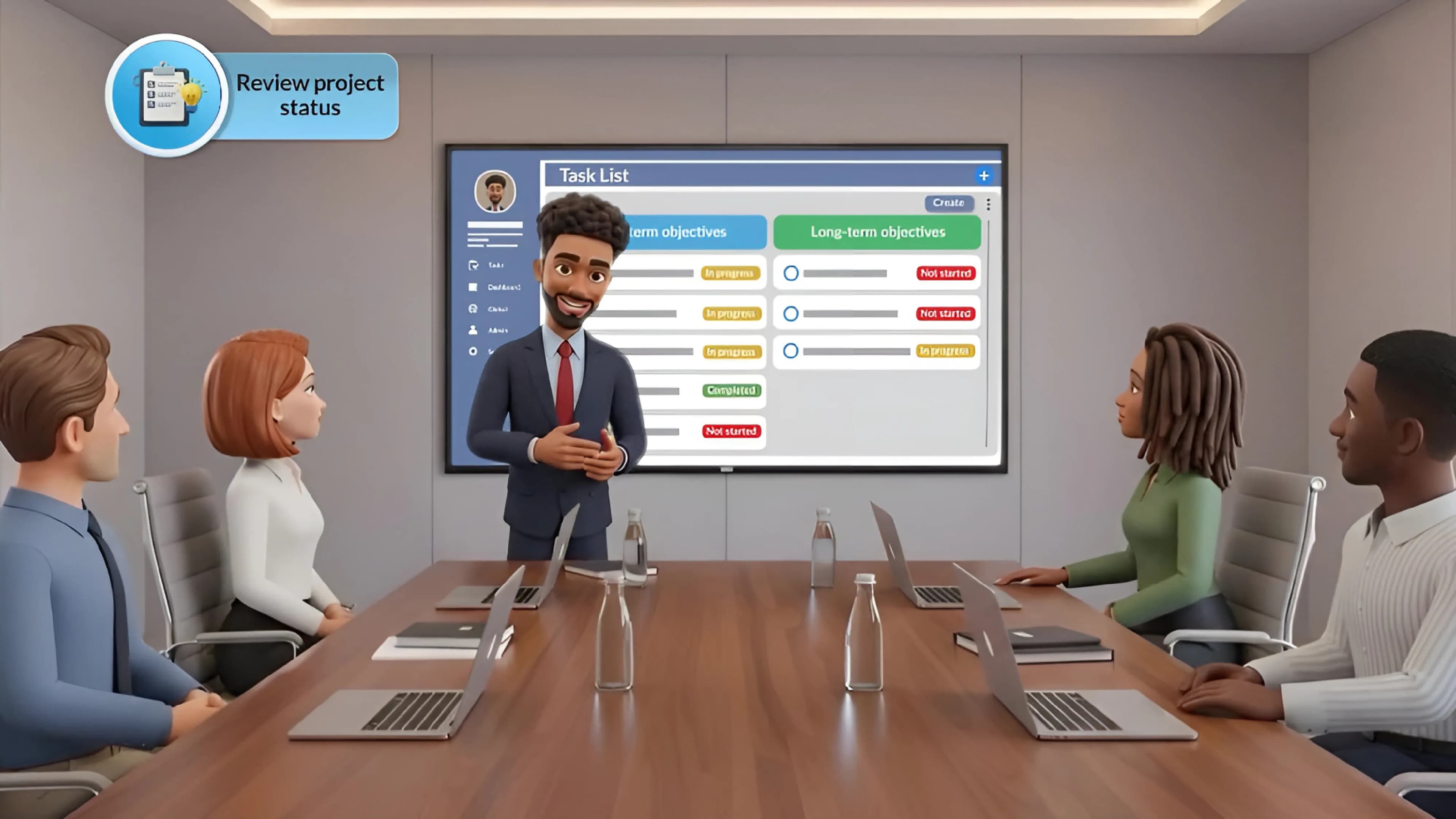
Objectives translate a goal into concrete targets with a defined time frame. Unlike a goal, an objective is specific enough to track and measure. This precision lets teams know exactly what they need to accomplish and by when, turning a broad direction into actionable steps. Get practical guidance on writing clear and measurable objectives.
Individual daily tasks sit below objectives in the hierarchy. They feed directly into objectives, which in turn advance the organization's goals. Recognizing this connection helps team members understand how their everyday work contributes to something larger, reducing the confusion that comes from tracking progress in isolation.
A goal of increasing revenue by twenty percent in one year can produce objectives such as entering two new markets within six months or growing sales by five percent each quarter. These objectives are time-bound and measurable, making the goal concrete. Understanding how to balance these time horizons is covered further in balancing short and long-term objectives.
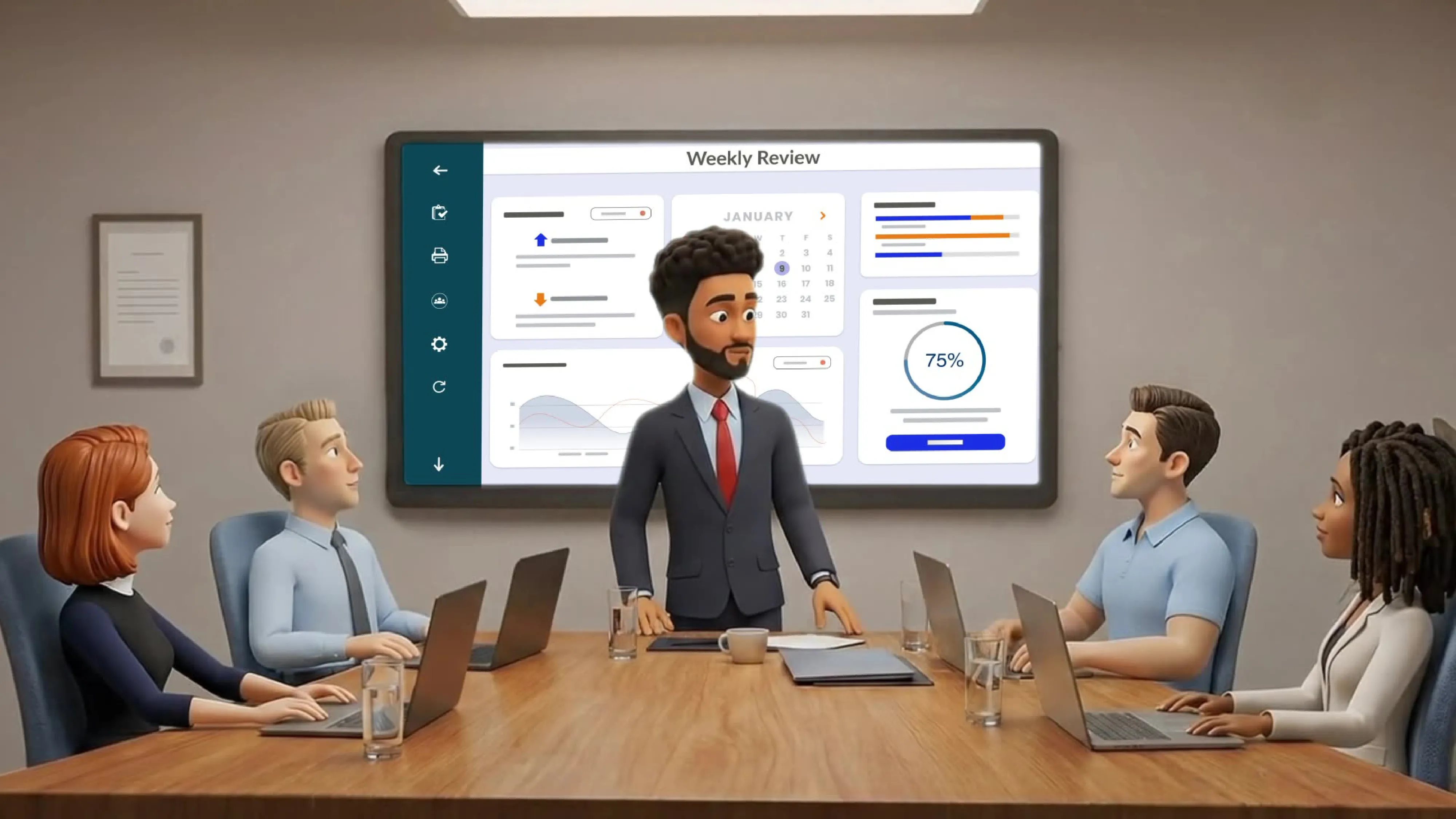
When a team connects its daily work to goals and objectives, three practical outcomes follow: clearer priorities, measurable business progress, and accurate performance monitoring. This structure removes ambiguity about what counts as progress and gives managers a shared language for status updates. Putting this into practice starts with tracking progress and driving accountability.
Related Micro-courses