Loading video…


 9 Concepts
 2.7K views

Video Summary: How to Set Goals
Setting goals effectively means defining a clear outcome, structuring it with a proven framework, and building a plan that keeps the whole team aligned and accountable. The process moves from clarifying what success looks like, through applying SMART criteria, breaking work into steps, documenting progress, reviewing performance regularly, and using what you learn to improve future goal cycles. Each stage builds on the last to turn intention into measurable team results.
Before any framework or planning begins, you need to define what the team must accomplish and what a successful result looks like. This starting point gives the entire goal-setting process a clear direction and prevents the team from building plans around the wrong target.
The SMART framework shapes goals so they are specific, measurable, achievable, relevant, and time-bound. Each criterion removes ambiguity: specificity names the target, measurement defines success, achievability grounds the goal in reality, relevance ties it to broader priorities, and a deadline creates urgency. See also writing clear and measurable objectives for practical guidance on this step.
Once the goal is defined, you identify the key tasks required, the resources needed, and the challenges that could arise. This stage involves assigning clear responsibilities to individuals, setting performance indicators, and establishing timelines for each milestone. Learn more about what KPIs are and why they matter to strengthen this step.
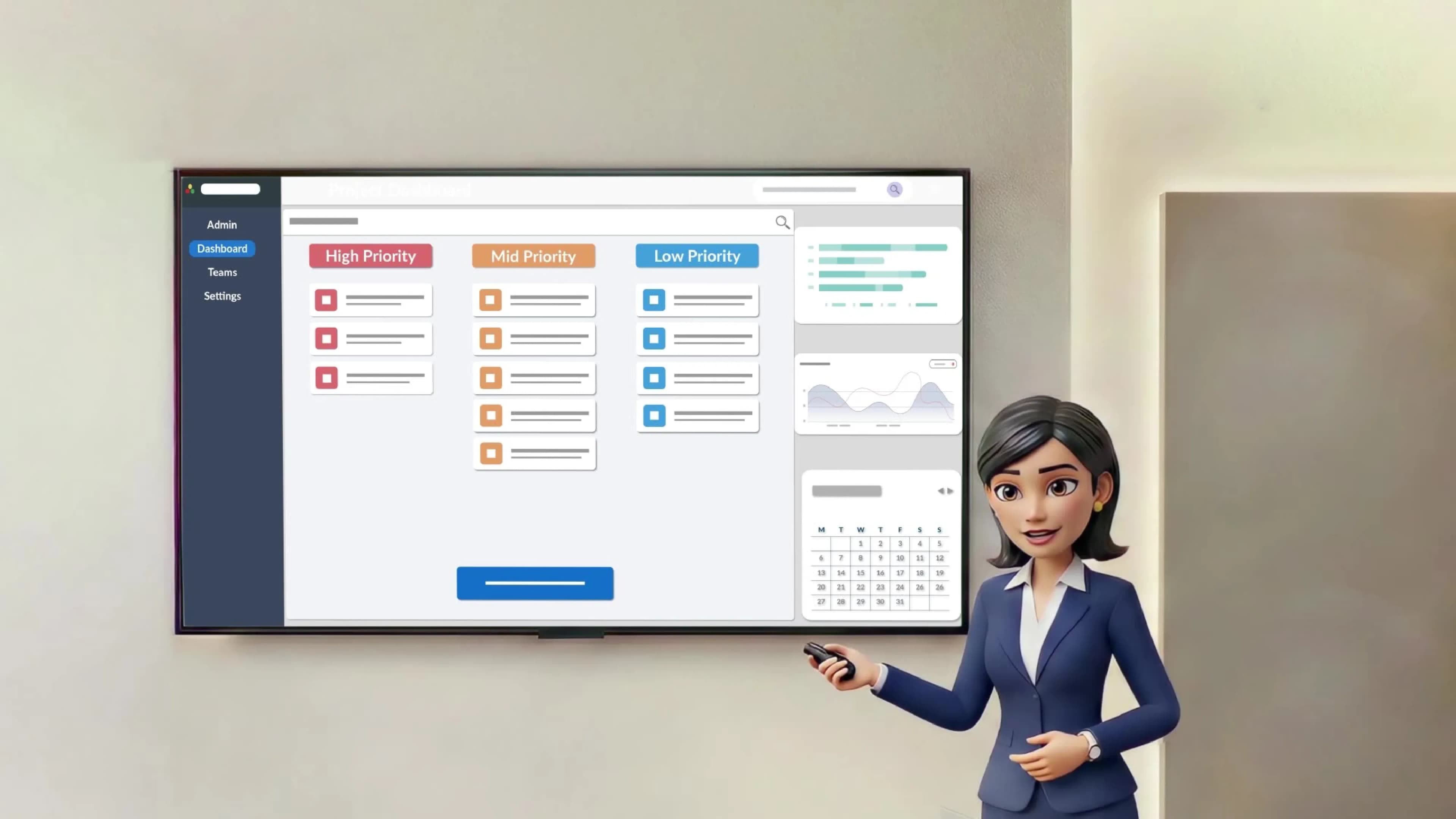
Recording the goal and its action plan in a shared tracking system gives all team members visibility into what is expected and how progress is measured. Documentation also creates a reference point that keeps everyone accountable and reduces misalignment as work unfolds. This connects directly to tracking progress and driving accountability.
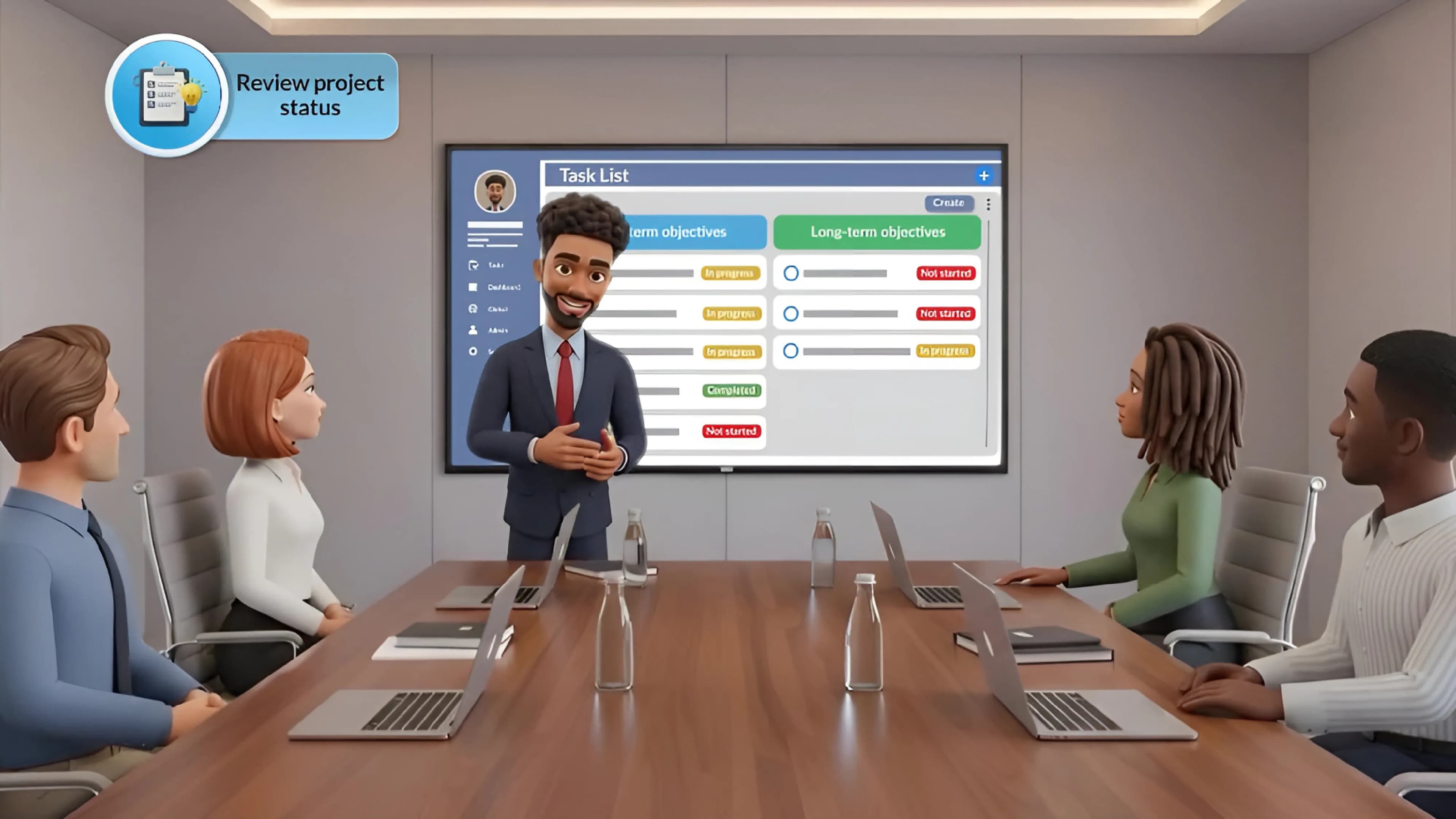
Ongoing reviews let you assess whether the team is on track, surface obstacles early, and shift priorities when circumstances change. Reviewing performance at set intervals prevents small problems from compounding and keeps the goal achievable throughout its timeline. Pairing reviews with managing priorities, scope, and deadlines helps maintain focus under pressure.
After a goal cycle ends, collecting observations about what worked and what did not strengthens future planning. These insights sharpen the strategies you use next time and improve how the team responds to new targets. Over time, this reflection connects to balancing short and long-term objectives more effectively.
Related Micro-courses