Loading video…

 9 Concepts
 2.7K views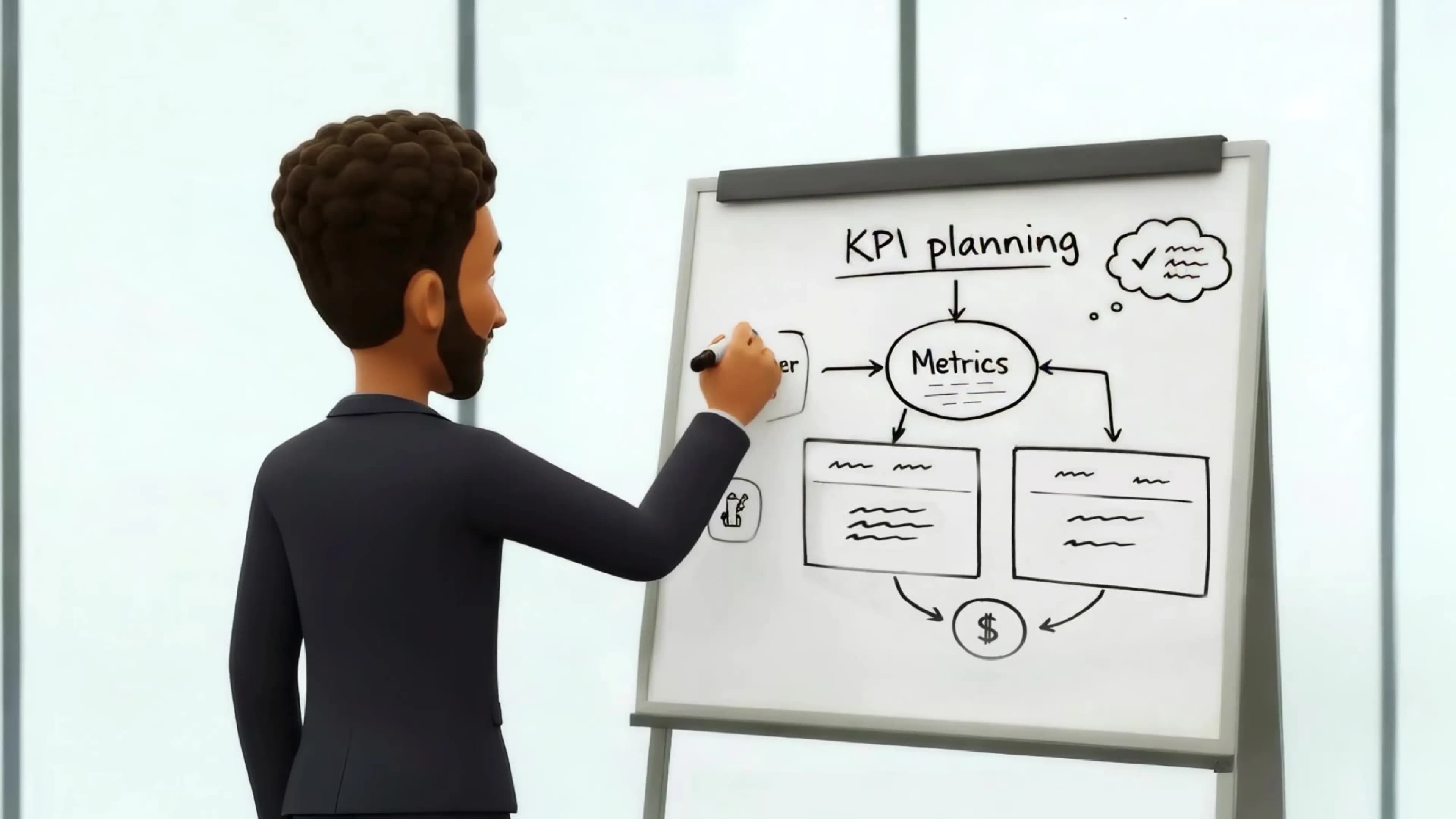

Video Summary: How to Set Kpis
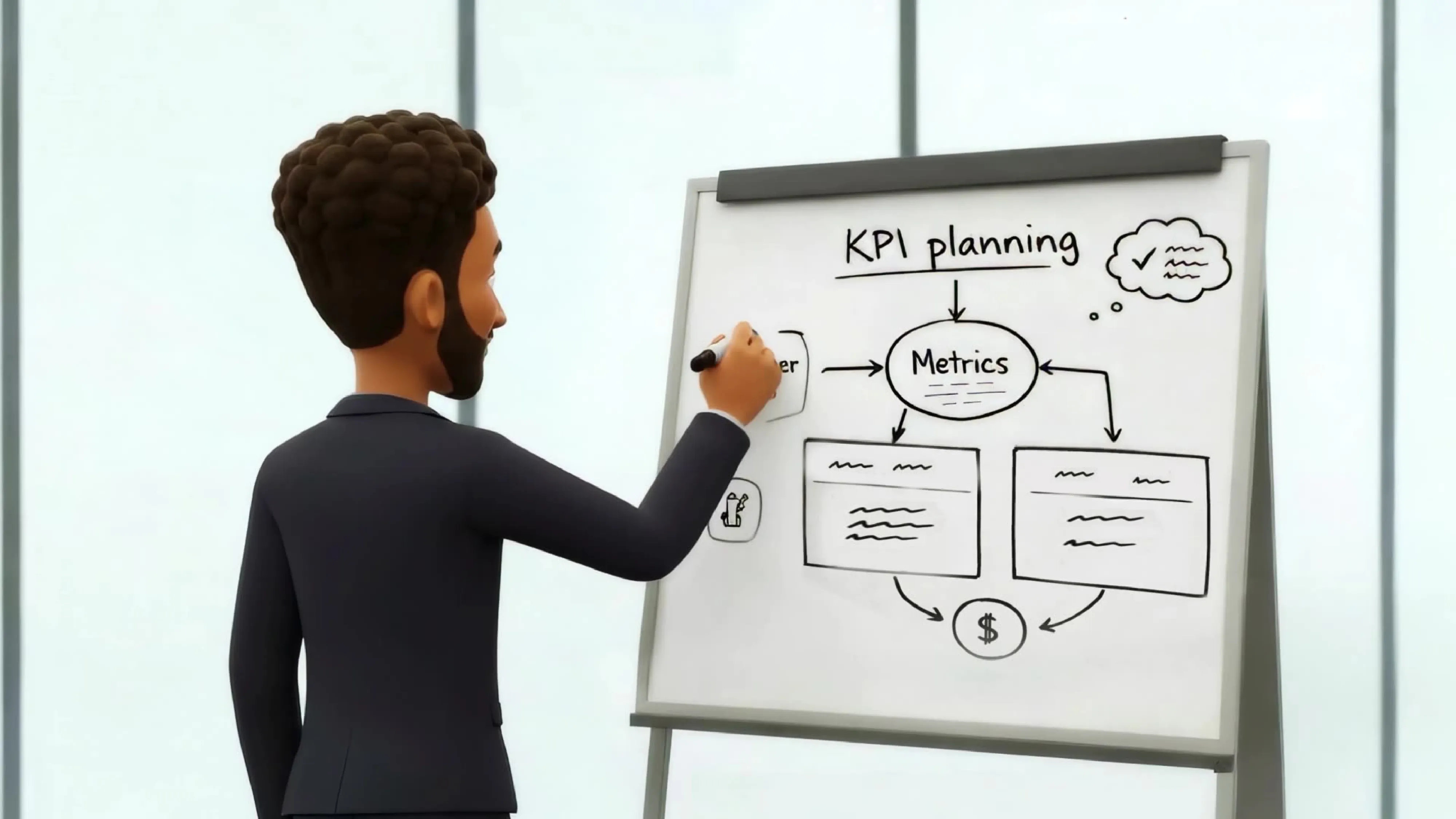
Setting KPIs for your team means translating a company-level business goal into a specific, trackable performance indicator with a clear numeric target, reliable data sources, and defined ownership. The process covers alignment with leadership, defining what to measure and by how much, communicating it to the team, and reviewing progress regularly. To build the right foundation first, explore what KPIs are and why they matter.
Setting a KPI starts with meeting your own manager to agree on a business goal, such as increasing revenue. This top-down alignment ensures your team's performance metric is not chosen in isolation but directly serves a priority the organization is already committed to.
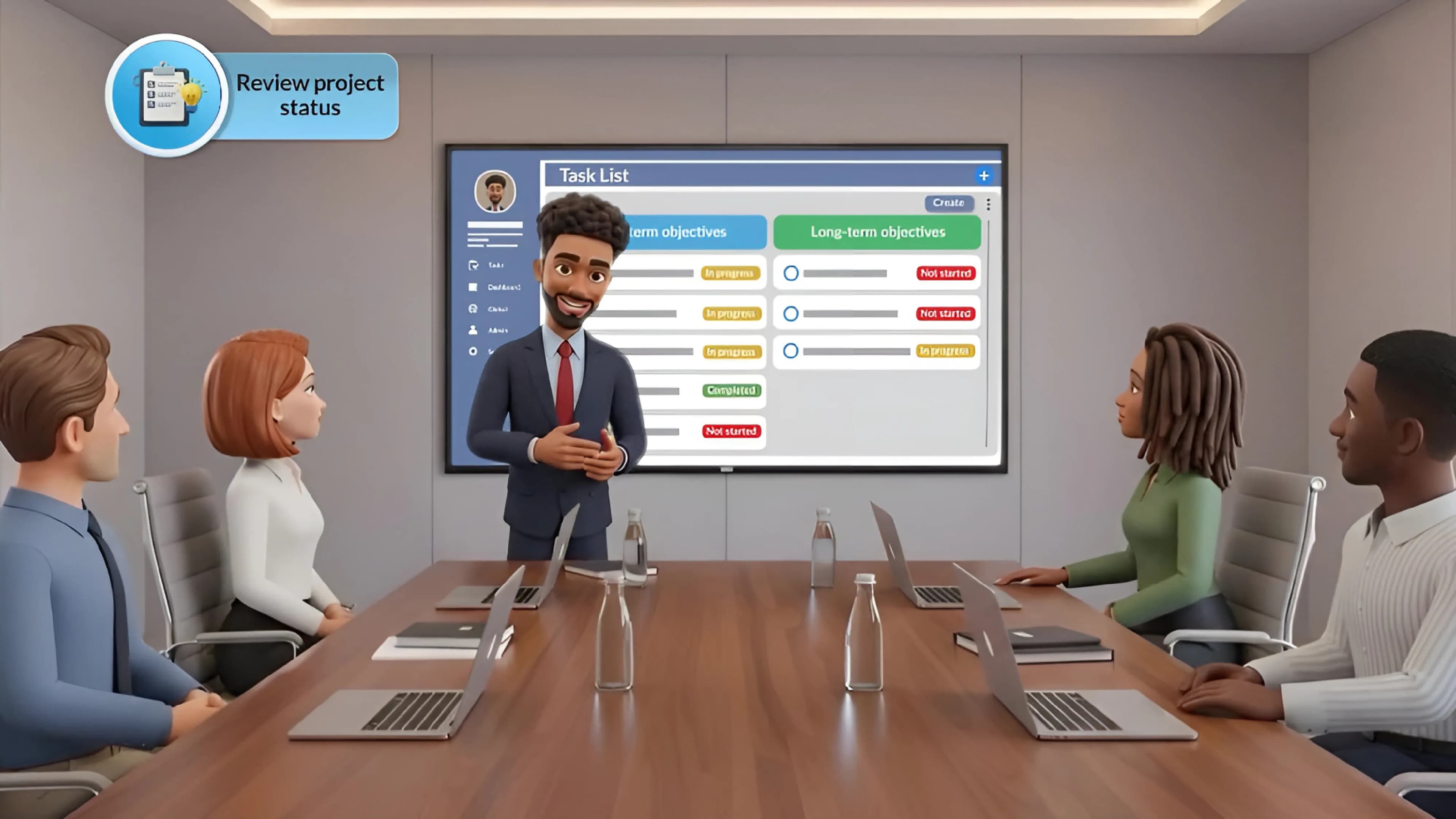
Once the business goal is clear, you convert it into a team-level objective, for example, improving sales conversions. This step bridges the gap between company strategy and day-to-day team work. For a deeper look at this relationship, see how goals and objectives work together.
A KPI becomes actionable when you name it precisely, establish a baseline, and set a concrete numeric target within a fixed timeframe, such as increasing a conversion rate from five percent to ten percent within one month. For support with that specificity, writing clear and measurable objectives is a practical companion resource.
To track a KPI accurately, you must confirm which data sources will be used before work begins. Choosing sources like call logs and sales conversion reports ensures the measurement is consistent and credible, not estimated after the fact.
After defining the KPI, you document it formally and present it to the team. This includes explaining what the metric is, who will track and report it, and who is accountable for the result. Strong communicating expectations clearly at this stage prevents confusion later.
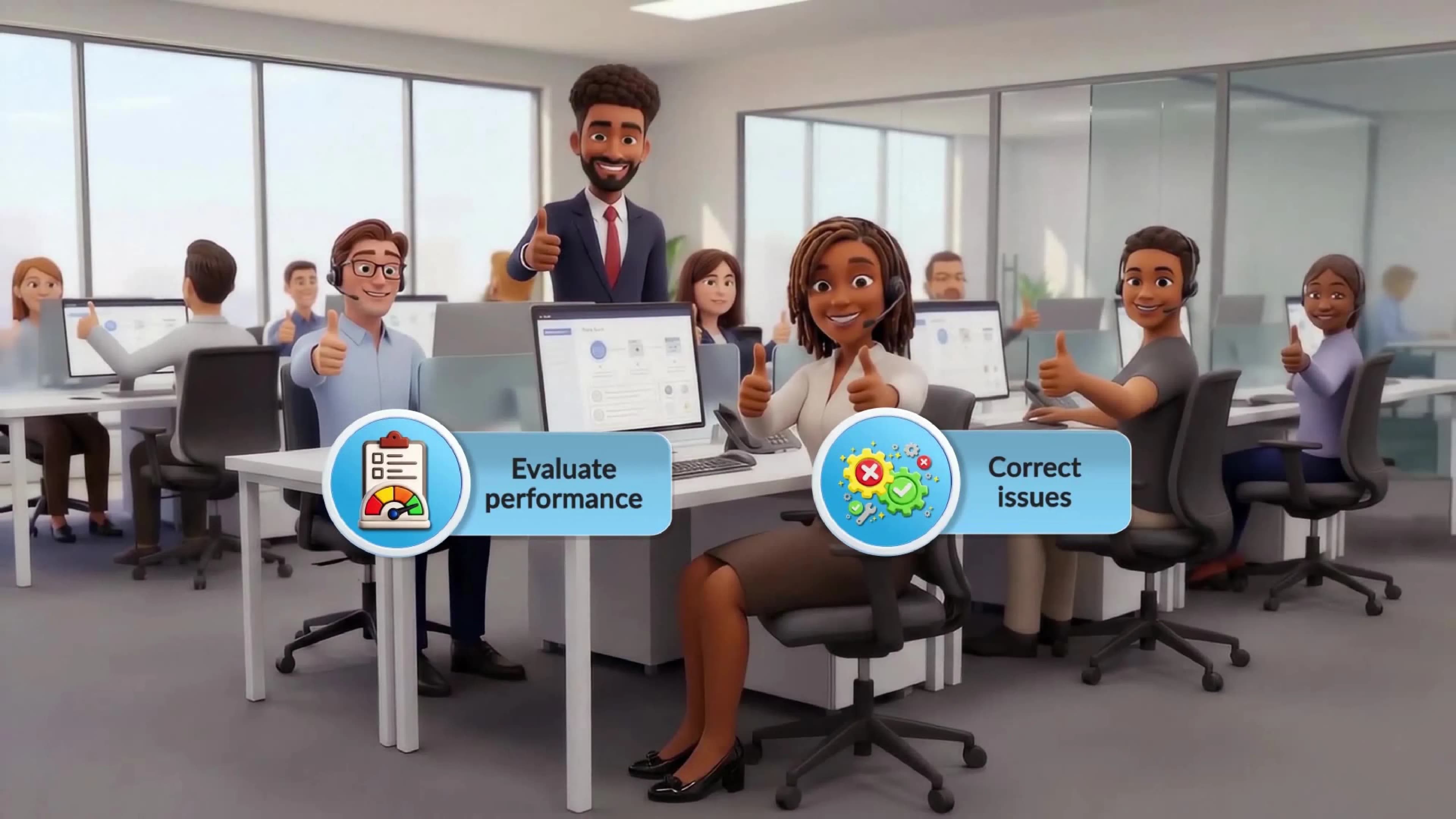
Recurring check-ins, held weekly, let you review results and make adjustments before small gaps become large ones. Building this cadence into the process from the start supports continuous improvement and keeps the team focused. This connects naturally to tracking progress and driving accountability.
Related Micro-courses