Loading video…

 9 Concepts
 2.7K views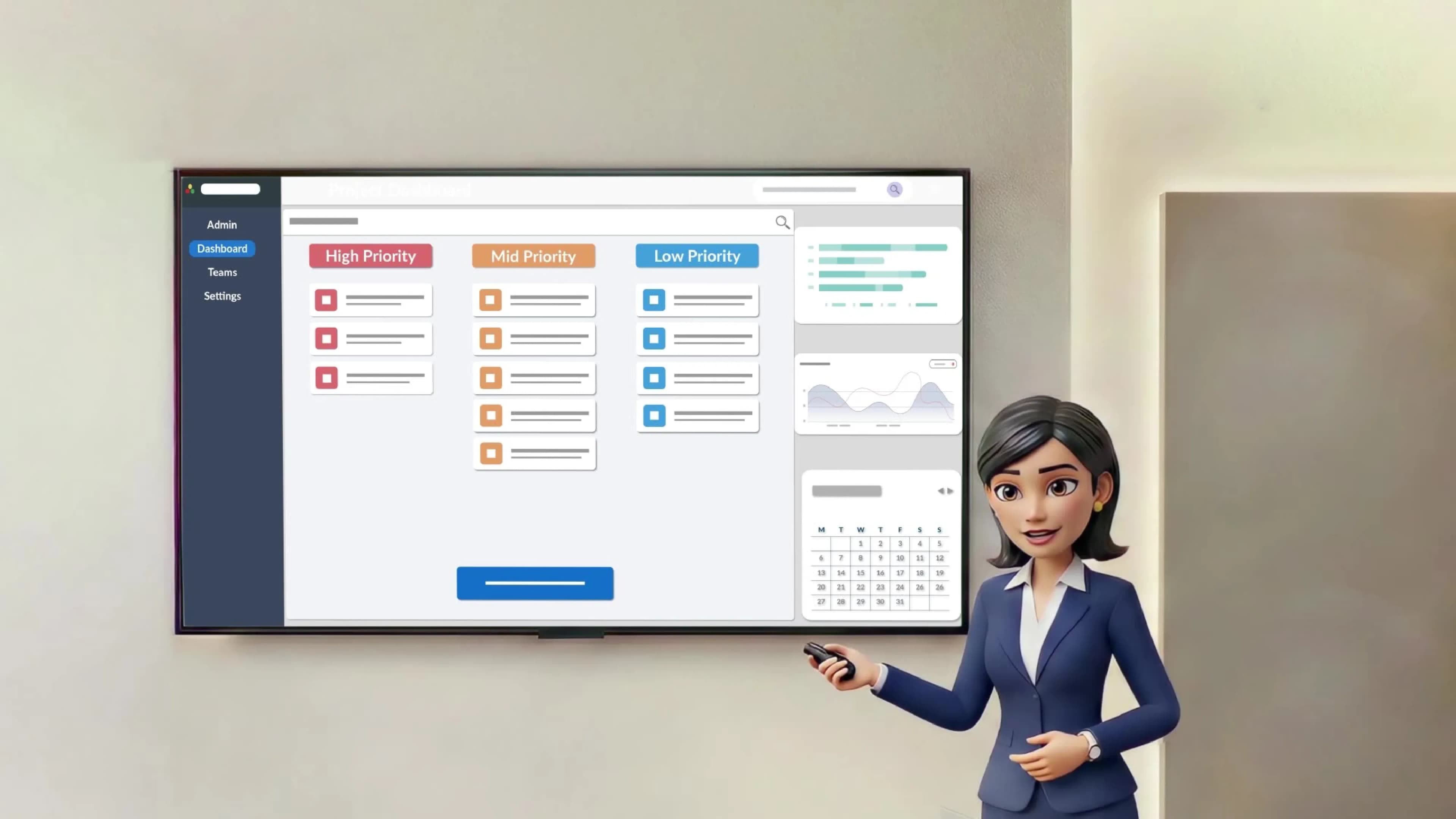

Video Summary: Managing Priorities Scope and Deadlines
Managing priorities, scope, and deadlines means defining what the team will deliver, in what order, and by when, then adjusting those decisions deliberately when circumstances change. Starting with clear responsibilities and due dates gives the team a shared baseline. When new requests arrive, a manager can pause lower-priority work, shift non-critical deliverables to a later cycle, and keep committed deadlines intact, all of which reduces overload and supports writing clear and measurable objectives.
Before work begins, a manager should outline each team member's specific responsibilities and due dates. This shared baseline makes it clear who owns what and when it must be finished. Without this foundation, competing demands have no reference point for evaluation. Pair this practice with tracking progress and driving accountability to keep the plan visible throughout the cycle.
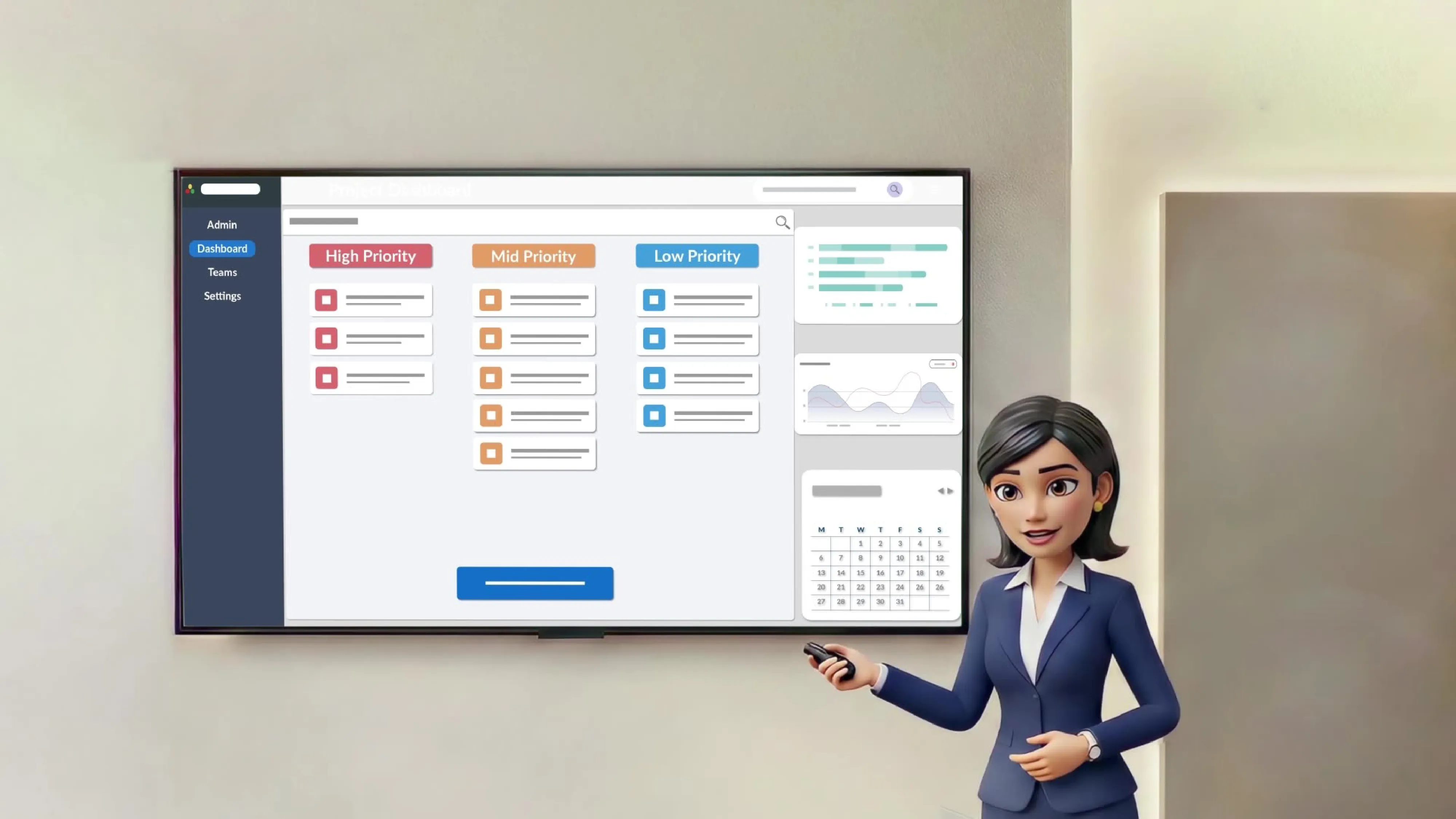
Once scope and deadlines are set, the team needs to know where to start. Distinguishing high-priority tasks from low-priority ones, and directing work toward the most critical items first, keeps the team from spending time on less consequential work when it matters most. This connects directly to how to set goals in a way that reflects real delivery constraints.
A mid-cycle request does not automatically mean taking on additional work without trade-offs. When a client requests a new feature, the right response is to reassess what is in progress and pause lower-priority tasks to protect existing deadlines. This keeps the team from absorbing more work than the timeline can support.
Scope adjustment does not mean dropping commitments. Focusing on critical features in the current cycle and moving less essential ones to the next preserves what was promised while still accommodating the new request. This is a practical example of balancing short- and long-term objectives without compromising either.
After adjusting scope and priorities, a manager must tell the team what changed and why. Moving lower-priority tasks to later weeks, while confirming that planned delivery dates remain unchanged, gives everyone a clear picture of what is still expected. This kind of update is central to communicating expectations clearly.
Related Micro-courses