Loading video…


 6 Concepts
 2.8K views

Video Summary: Taking Ownership and Accountability
Taking ownership and accountability means accepting responsibility for your team's outcomes, including mistakes, and responding with direct action rather than deflection. When an error occurs, an accountable manager acknowledges the problem, communicates it honestly to all affected parties, oversees the correction, and puts systems in place to prevent it from happening again. This approach, a core part of transitioning from individual contributor to manager, protects both team credibility and client relationships.
When something goes wrong, the first step is to bring the team together and review the work in question. The goal is to identify exactly what the error was and confirm where it originated. Doing this before communicating externally ensures you understand the problem fully before you explain it to others.
Once you understand the error, inform senior leaders and the client promptly. State clearly that the work was released under your responsibility as the manager, not in vague terms that obscure accountability. Handling difficult conversations like this directly, with a defined timeline for resolution, keeps trust intact even after a mistake.
Accountability does not end with the apology. You need to align the team on what fixes are required, then personally review the corrected work before it goes back out. Delegating with clarity and accountability means you stay involved until the output meets the standard, not just until the task is reassigned.
After resolving the immediate problem, examine what made the error possible. Implementing a review checklist and assigning a second reviewer are practical controls that reduce the chance of the same mistake recurring. Establishing these habits early, particularly during your first 90 days as a manager, sets a reliable standard for the team going forward.
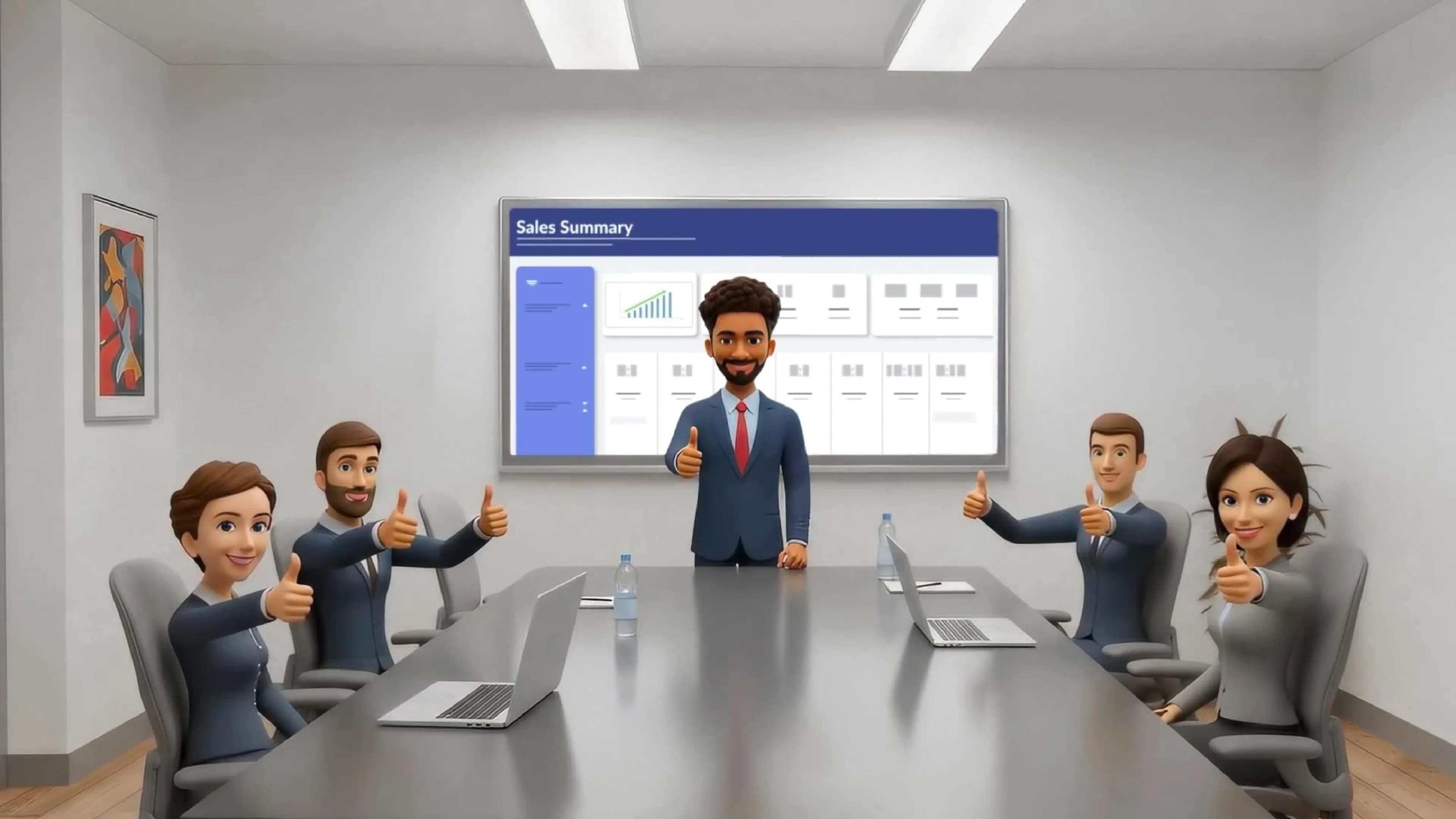
Oliver, a first-time manager, learns that his team has shared a client report containing multiple data errors. The inaccuracies have caused confusion and put client confidence at risk.
Rather than defending the mistake or shifting blame, Oliver should take ownership of the issue and respond with an approach that emphasizes accountability.
He acknowledges the issue and brings the team together to review the report. He points out the incorrect data and works with the team to confirm the source of the error.
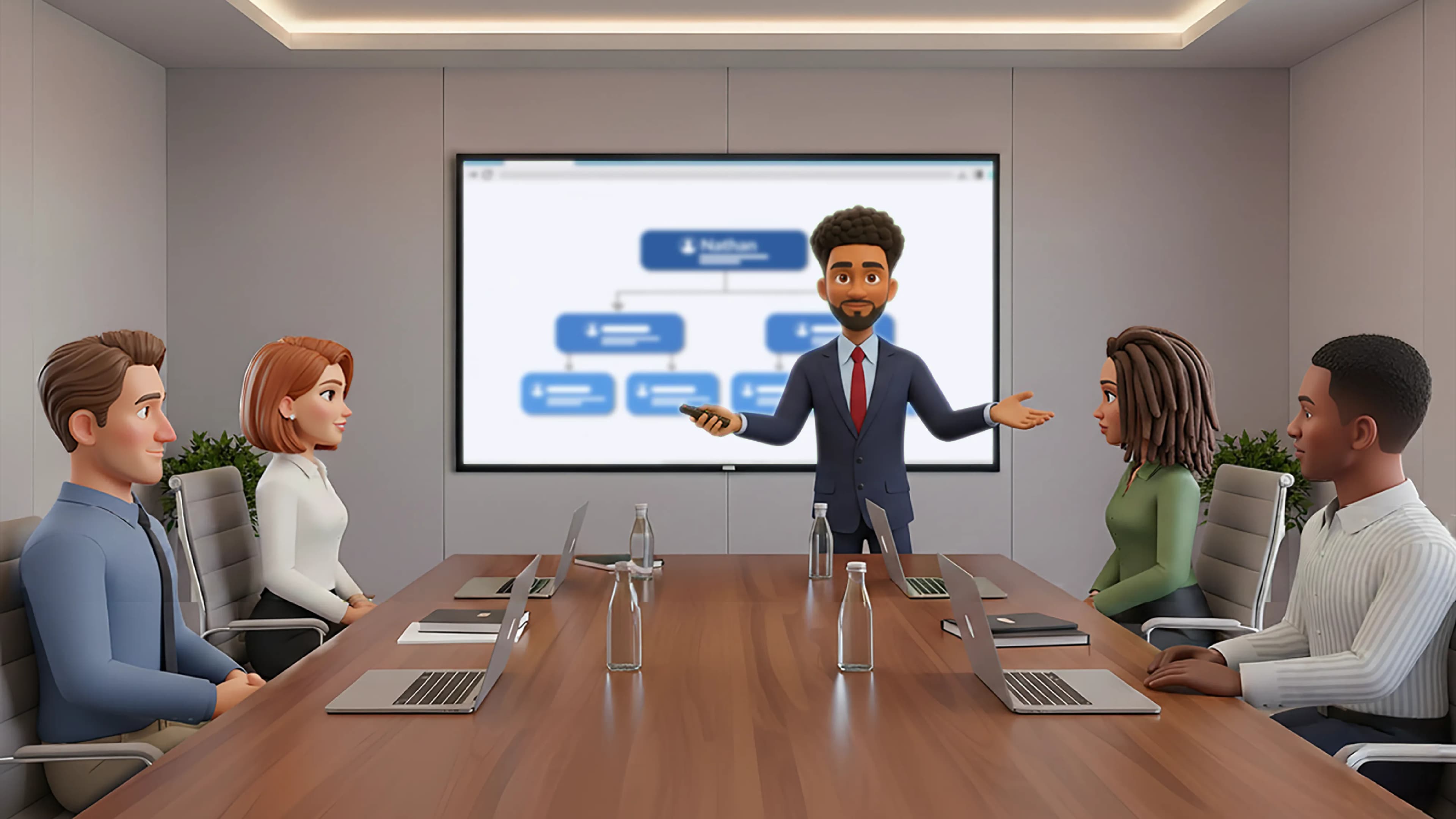
Next, Oliver communicates clearly. He informs senior leaders and the client about the error and explicitly states that the report was released under his responsibility as the manager. He outlines the correction steps and shares a defined timeline for resolution.
He then ensures correction and verification. Oliver aligns the team on required fixes, reviews the updated report himself, and approves the corrected version before it is resent.
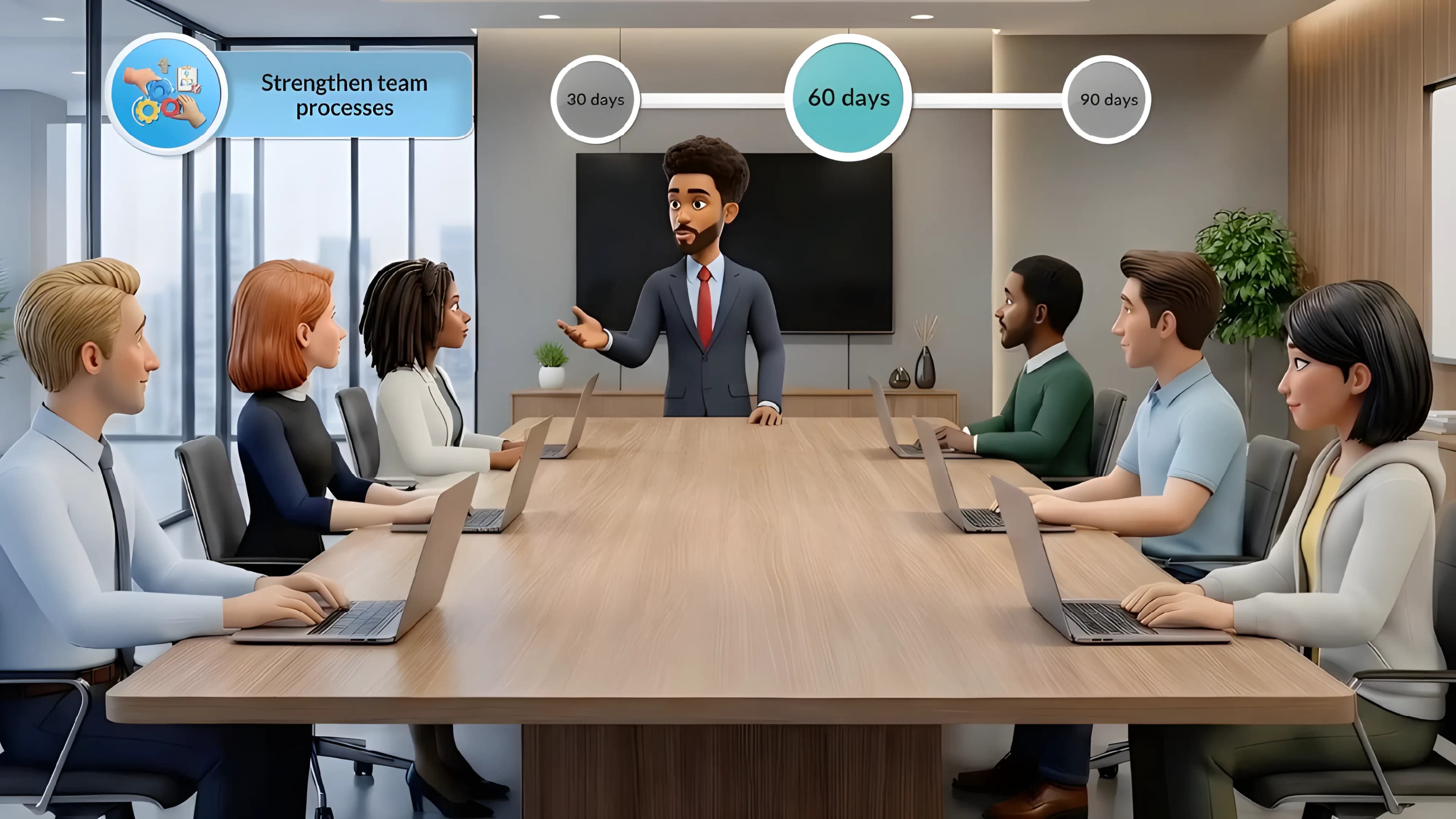
Finally, Oliver strengthens the process by implementing a review checklist and assigning a second reviewer to reduce the risk of future errors.
By owning the mistake and following through, Oliver stabilizes the delivery and restores client confidence.
Related Micro-courses