Loading subject page…

2,733 views


Video Summary: Managing Team Energy and Focus
Managing team energy and focus means structuring the workweek so that team members have enough uninterrupted time to complete complex work without constant switching between tasks. When a team juggles too many demands at once, deadlines slip even when everyone appears busy. Protecting focus through deliberate scheduling, from workload reviews to dedicated quiet periods, helps a manager improve output and reduce the hidden cost of distraction. Learn more in the broader module on managing team operations and priorities.
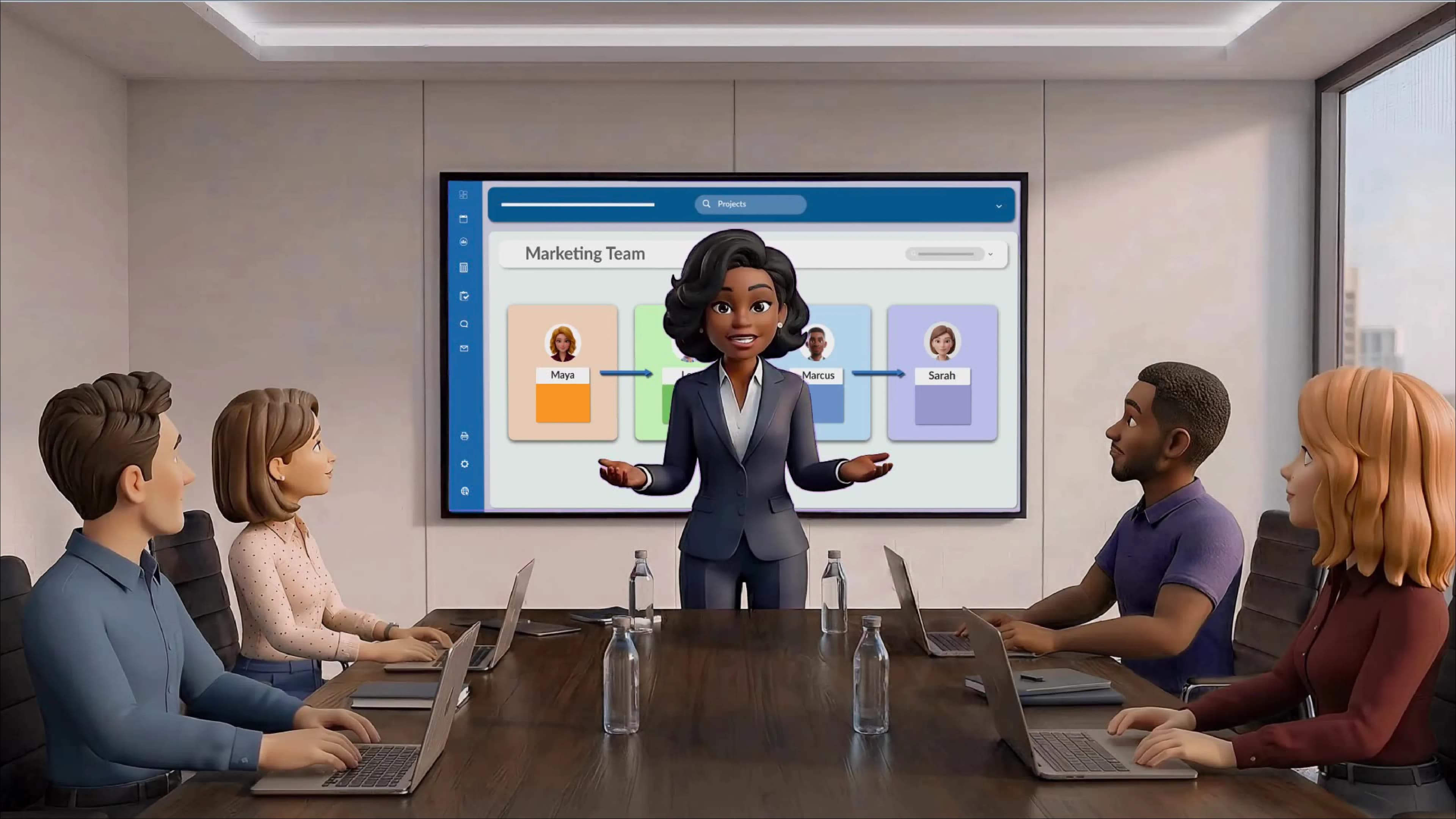
At the start of each week, reviewing what the team is carrying and how much capacity they realistically have helps identify overload before it becomes a crisis. This early visibility lets a manager adjust priorities and distribute work more thoughtfully, rather than reacting when deadlines are already at risk. Explore how finding the real cause behind team problems supports this kind of proactive thinking.
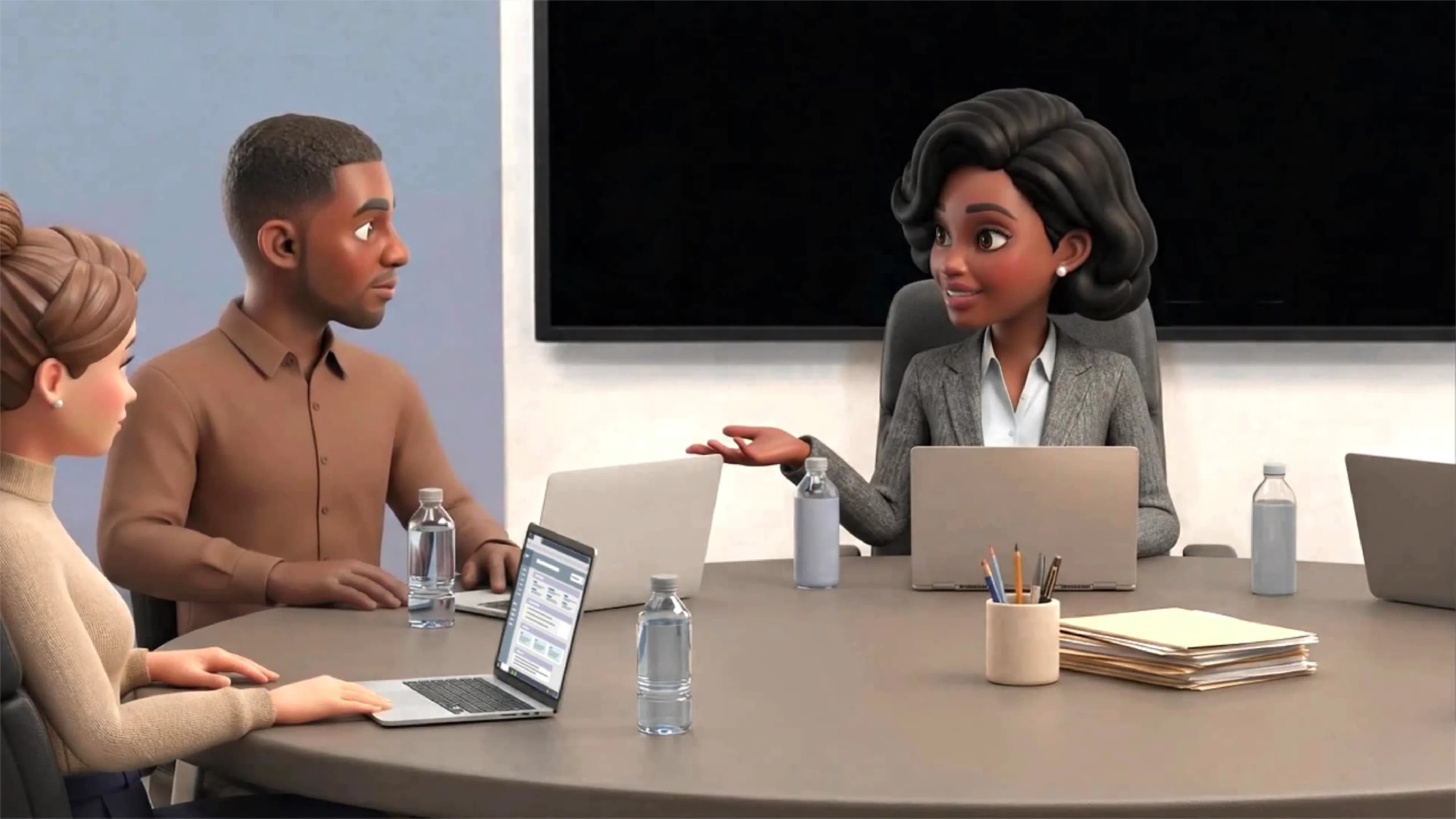
A no-meeting day, placed in the middle of the week, clears a full day of calendar interruptions so the team can make real progress on their work. Without back-to-back meetings fragmenting the day, people can engage with tasks long enough to actually complete them rather than constantly picking up where they left off. This kind of structured breathing room is also an act of building trust and collaboration within a team.
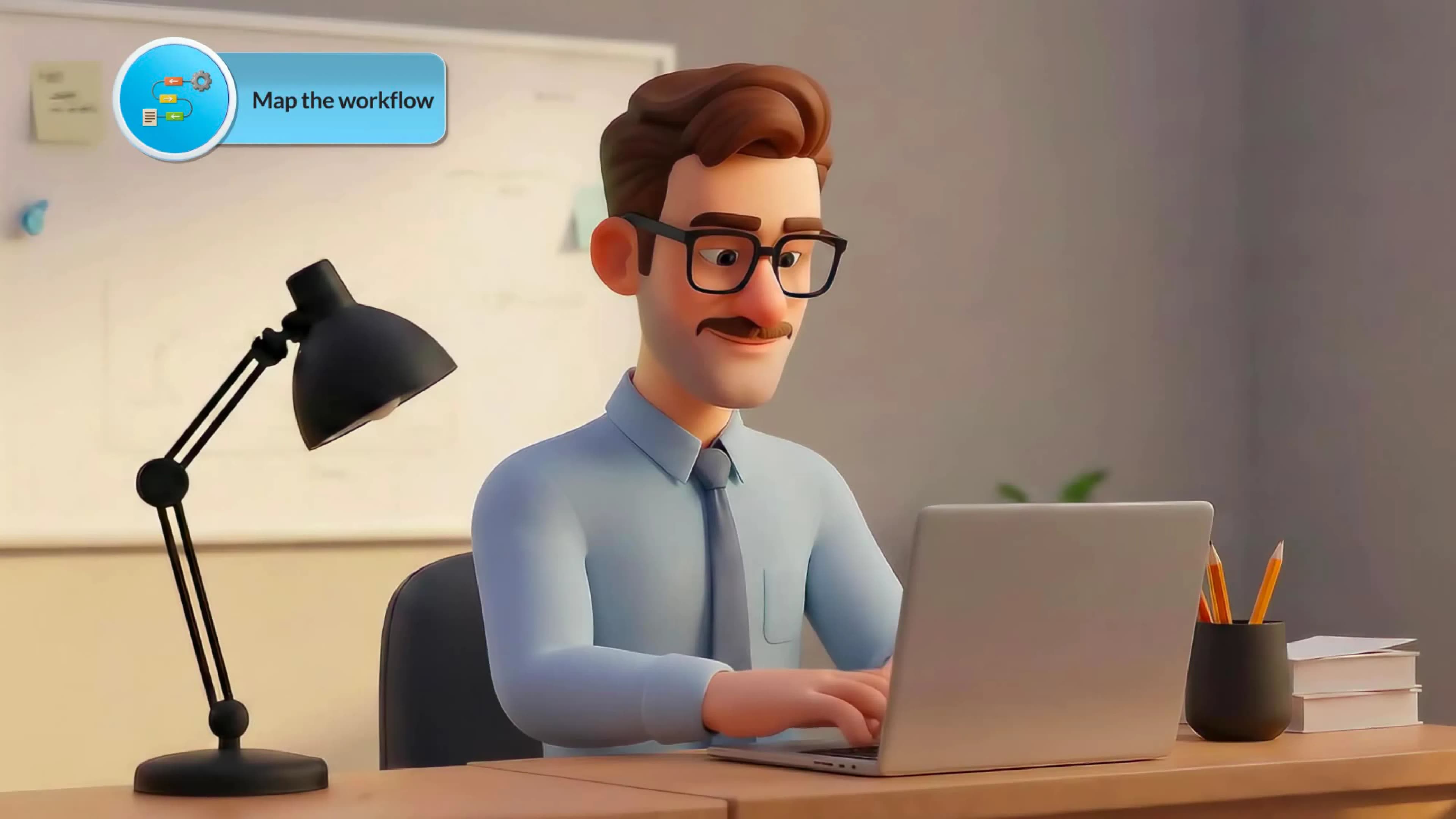
A deep work window is a recurring time block with no chats and no emails, reserved for complex, high-concentration tasks. Unlike a no-meeting day, it is a shorter protected slot, not a full day, focused specifically on the type of thinking that gets crowded out by constant communication.
Replacing scattered, ad-hoc updates with fixed check-in times stops the cycle of interruptions that break focus throughout the day. When the team knows that updates happen at set times, they stop pausing to send or respond to status messages and can stay in their work longer. This also supports strengthening collaboration across roles by giving everyone a shared rhythm.
Related Micro-courses